

A truly smart home is built on a reliable electrical system that can safely support modern technologies such as smart lighting, home automation, EV chargers, and connected devices. Smart home electrical upgrades help Toronto homeowners improve safety, increase electrical capacity, protect sensitive electronics, and prepare their homes for future technology while maintaining compliance with Ontario electrical codes.
Smart Home From an Electrical Perspective for New Tech
Smart homes aren’t built on a few voice assistants and some phone-controlled lights. A truly smart home is one that has the proper electrical systems installed to make sure your technology can be used safely and reliably now and well into the future with the ability to expand as your needs change. Homeowners across Toronto and the GTA spend their money on smart gadgets only to find out their electrical system is ancient, overstressed, or non-code compliant.
Smart home electrical upgrades are one of the easiest ways to improve performance and future-proof your property. This article covers exactly what makes a home smart from an electrical perspective, how to ensure your home is ready for new tech, and what common issues may prevent a smart home from working as intended.
What “Smart” Means From an Electrical Perspective
The first thing to understand is that an electrically smart home is not a meaningless buzzword. Rather, the term simply refers to a home where the electrical system is ready to support smart technology from every angle, including safe power supply, load capacity, and convenient integration with other systems.
Key components of what makes a home smart in an electrical context include electrical service capacity, an electrical panel with room to expand, clean circuit design and load balancing, code-compliant grounding and bonding, home infrastructure for smart lighting, HVAC, and EV charging, and surge protection and electrical reliability planning.
Electrical Service Capacity and Panel Requirements
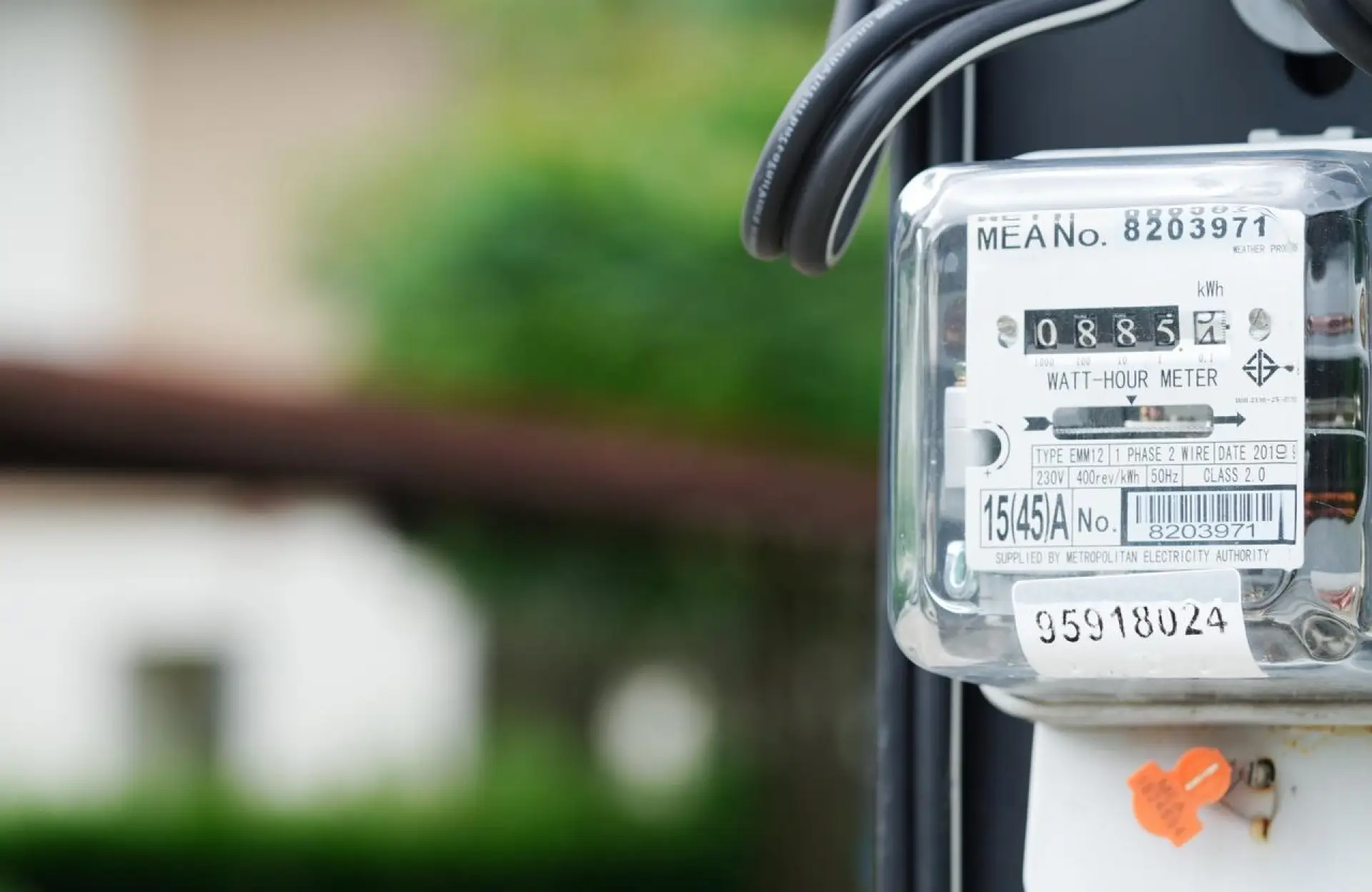
Electrical service capacity is the foundation of all electrical work and the first consideration in making a home electrically smart. Older homes in Toronto, North York, and much of the GTA are still operating with 60 amp or 100 amp services that were never designed to handle today’s electrical demands.
Smart home technology, electric vehicles, heat pumps, high-efficiency appliances, air conditioners, and major electronics all place much higher loads on the electrical system.
Common signs that capacity may be insufficient include breakers frequently tripping, an electrical panel that is full with no room to add circuits, lights dimming when other appliances start, and reluctance to install new EV chargers or smart HVAC equipment.
The solution to most of the above issues is upgrading to 200 amp service. Upgrading the service is the first step to an electrically smart home. It allows for better load distribution, additional branch circuits, future-proofing for new technology, and ensures compliance with the Ontario Electrical Safety Code. A licensed electrician will be able to verify if your panel is suitable or if a panel upgrade is required before adding smart tech.
Circuit Design and Smart Technology
Smart devices and other automation technology depend on stable, reliable power. Uncoordinated and improper circuit layout can create a range of issues, from interference to tripping breakers to poor performance.
Circuit design best practices that make a home smart from an electrical standpoint include dedicated circuits for major appliances and equipment, separation of lighting and receptacle circuits, balanced electrical loads across phases, and panels that are clearly labeled and easy to organise. This type of structured approach not only improves safety and reliability but also reduces stress on any one circuit or branch of the system.
Structured Wiring and Low Voltage Planning
Many smart devices are controlled with wireless protocols like Zigbee, Z-Wave, WiFi, or Bluetooth. However, hardwired infrastructure for smart technology often provides better long-term performance and security than wireless alone.
Structured wiring for smart homes may include Ethernet cabling to connect smart hubs and access points, control wiring to power light switches, lighting systems, and motorised shades, dedicated low-voltage panels for easy organisation and access, and pathways and conduit for future low-voltage wiring upgrades.
Planning for and running structured wiring during renovations or electrical upgrades is much easier than retrofitting later. Structured wiring and power wiring should be coordinated as much as possible to avoid code conflicts and messy installations.
Smart Lighting and Electrical Controls
Smart lighting is a common starting point for smart homeowners. Integrating smart controls into older electrical systems can be difficult if the infrastructure was not initially built with modern technology in mind.
Electrical considerations for smart lighting and controls include neutral wires being present in switch boxes, switch compatibility with LED fixtures, dimmer switches being at the proper load ratings, and circuit design that does not risk overload.
Older homes were frequently built without neutrals at switches, limiting options for smart control and automation. Addressing this during an electrical upgrade avoids unsafe workarounds and future limitations.
Surge Protection and Smart Devices
Smart homes put a heavier reliance on sensitive electronics than ever before. Power surges caused by storms, utility switching events, or internal electrical loads can damage electronics over time or instantly.
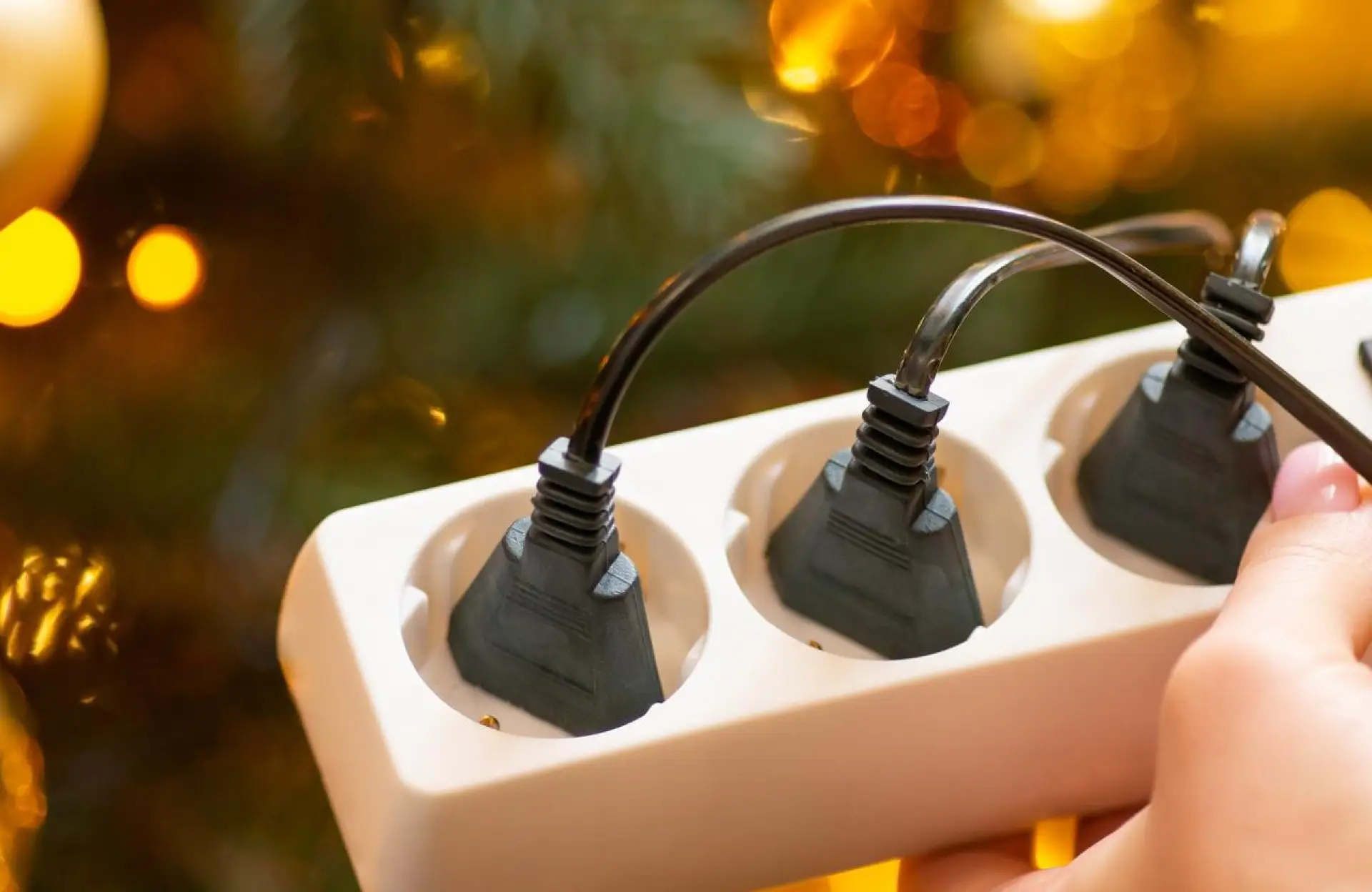
Whole-home surge protection is a foundational element of an electrically smart home and provides security for smart hubs and automation controllers, network and communication equipment, appliances with electronic controls, and EV chargers and energy storage systems. Panel-level surge protection offers more comprehensive coverage than plug-in power bars and is especially critical in storm-prone regions of the GTA. See our whole-home surge protection guide for a full explanation.
EV Chargers and Energy Management
Electric vehicles are quickly becoming the standard for new vehicles and homes. An electrically smart home will provide EV charging without unduly stressing the electrical system.
Key electrical considerations for EV charging include dedicated circuits for EV chargers, careful load calculations to prevent overload, sufficient panel capacity for future chargers, and surge protection and proper EV charger grounding. Smart energy monitoring systems can also help track EV charging, optimise charging times, and integrate with solar or home batteries where available.
Backup Power and Reliability Planning
Backup power is another option for smart homes to maintain power continuity. Power outages in Ontario are especially common during storm seasons but can also be non-seasonal.
Electrical planning for backup power options may include generator-ready panels, transfer switch installation, battery backup systems, and backup power for critical circuits only. Installing full backup power can be expensive and complicated, but the electrical system can be prepared in advance to reduce future costs and disruption.
Electrical Permits and Code Compliance
Safety codes are always changing, and smart home electrical upgrades are not exempt from following all provincial safety requirements. Electrical permits will be required for most panel upgrades, new branch circuits, EV chargers, and significant wiring modifications. Benefits of hiring a licensed electrician include filing the proper ESA permits, ensuring work meets Ontario Electrical Safety Code, completing all necessary inspections, and reducing insurance and resale risks. DIY or unpermitted electrical work can have long-term effects on safety and resale value.
Planning for Future Technology
A smart home is not considered smart if the electrical system was not designed with flexibility in mind. Technology will only continue to evolve, and electricians should not become a limiting factor.
Key features for future-ready electrical systems include extra panel space, spare conduit for new wiring, oversized service capacity where possible, and clear labels and documentation. The above details will all help make a home electrically smart over the long term.
Professional Electrical Planning Is Critical
Smart home devices are only as reliable as the electrical system behind them. Without professional electrical planning and integration, homeowners can experience ongoing issues, unnecessary additional upgrades, or safety risks.
Phaze-In Electric Ltd. is a licensed, ESA-certified electrical contractor serving North York, Toronto, and the Greater Toronto Area, led by Master Electrician Andrew Spano with 15+ years of experience. We provide a variety of commercial and residential electrical services, including electrical panel upgrades, EV charger installation, lighting design, and all code-compliant electrical work. Our priority is safety, transparency, and quality craftsmanship for homeowners, small business owners, and property managers.
Professional electrical planning is the best way to make sure that smart home electrical upgrades are safe, scalable, and built to last.
Defining Quality, Support and Efficiency
A smart home is defined not by the number of devices installed, but rather by the quality of the electrical system installed to support that technology safely, efficiently, and reliably. Service capacity, circuit design, surge protection, and future planning are all crucial elements of an electrical system that makes a home truly smart.
Contact a licensed electrician in Toronto if you have questions about smart home electrical upgrades or want to know if your home is electrically ready. For a broader look at smart home electrical requirements, see our Electrical Requirements for Smart Home Systems guide.
Frequently Asked Questions
- What makes a home “smart” from an electrical perspective?
A smart home has an electrical system that can safely support modern technologies such as smart lighting, automation systems, EV chargers, energy monitoring, and connected devices. This includes proper panel capacity, circuit design, surge protection, and infrastructure for future upgrades.
- Do I need an electrical panel upgrade for smart home technology?
Not always, but many older Toronto homes have limited electrical capacity. If your home has a 60-amp or 100-amp service, or if your panel lacks available breaker space, an upgrade may be necessary to support smart home devices and future electrical demands.
- Why is surge protection important for smart homes?
Smart homes rely on sensitive electronics and connected devices that can be damaged by power surges. Whole-home surge protection helps protect automation systems, smart hubs, appliances, EV chargers, and networking equipment from unexpected voltage spikes.
- Can older homes support smart lighting and automation systems?
Yes, but some older homes may require electrical upgrades. Common improvements include adding neutral wires, upgrading wiring, increasing panel capacity, and installing compatible smart switches and controls.
- Are permits required for smart home electrical upgrades in Ontario?
Many smart home upgrades require permits and inspections, particularly when new circuits, panel upgrades, EV chargers, or wiring modifications are involved. A licensed electrician can manage the permit process and ensure all work meets Ontario Electrical Safety Code requirements.
Build a Smarter Home With the Right Electrical Upgrades
Smart home technology performs best when it’s supported by a safe, reliable, and future-ready electrical system. Whether you’re planning an electrical panel upgrade, smart lighting installation, surge protection, or EV charger readiness, Phaze-In Electric Ltd. provides professional, code-compliant solutions tailored to your home’s needs, contact our licensed Toronto electricians today to schedule an assessment and discover how the right electrical upgrades can prepare your home for today’s technology and tomorrow’s innovations.
Key Takeaways
- A smart home depends on a strong electrical foundation, not just smart devices and automation.
- Electrical panel upgrades and adequate service capacity are often necessary to support modern technology and future expansion.
- Structured wiring, smart lighting controls, and proper circuit design improve reliability and overall system performance.
- Whole-home surge protection helps safeguard smart devices, appliances, and connected equipment from power surges.
- Working with a licensed electrician ensures smart home upgrades are safe, scalable, and compliant with Ontario Electrical Safety Code requirements.