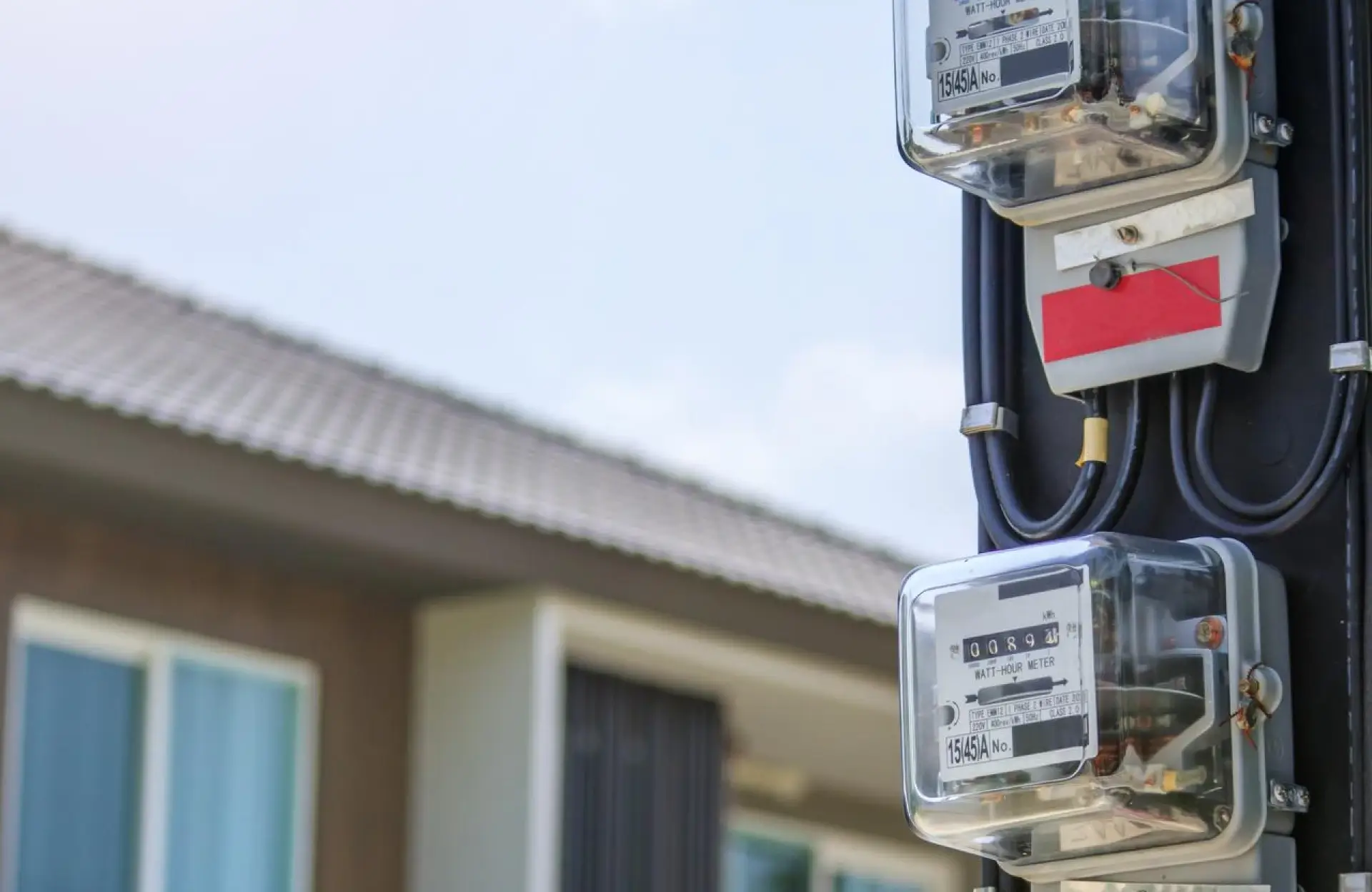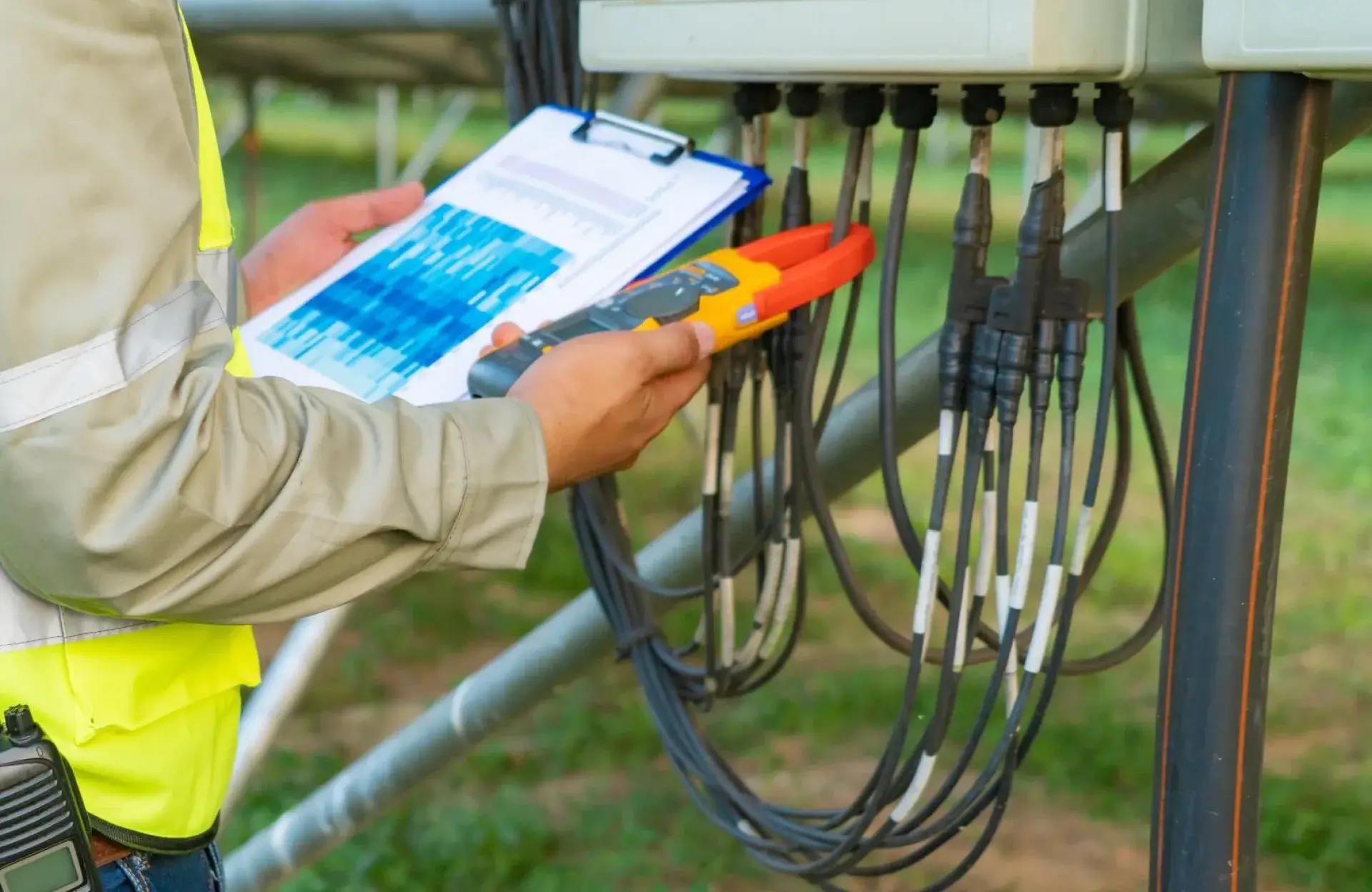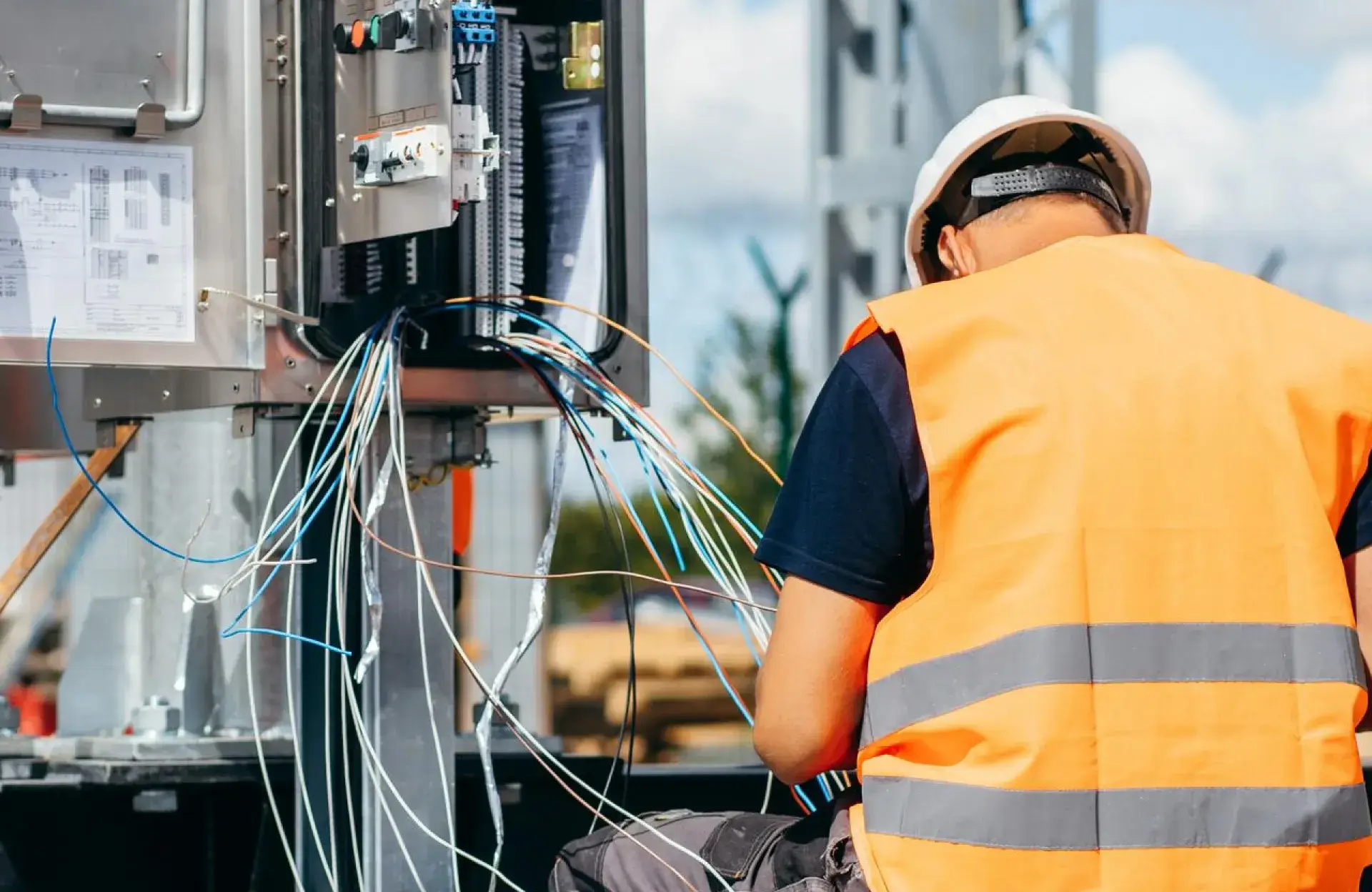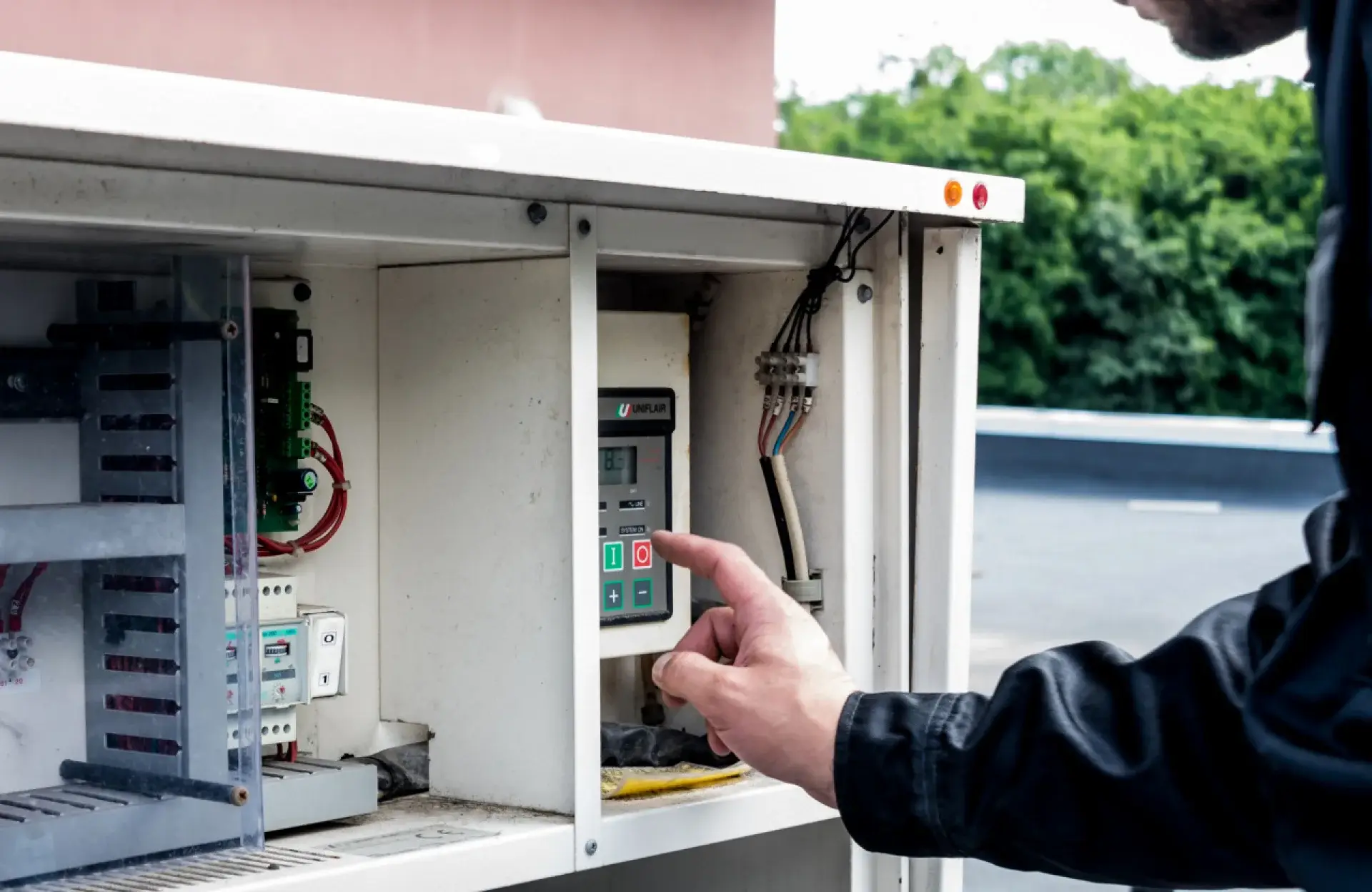

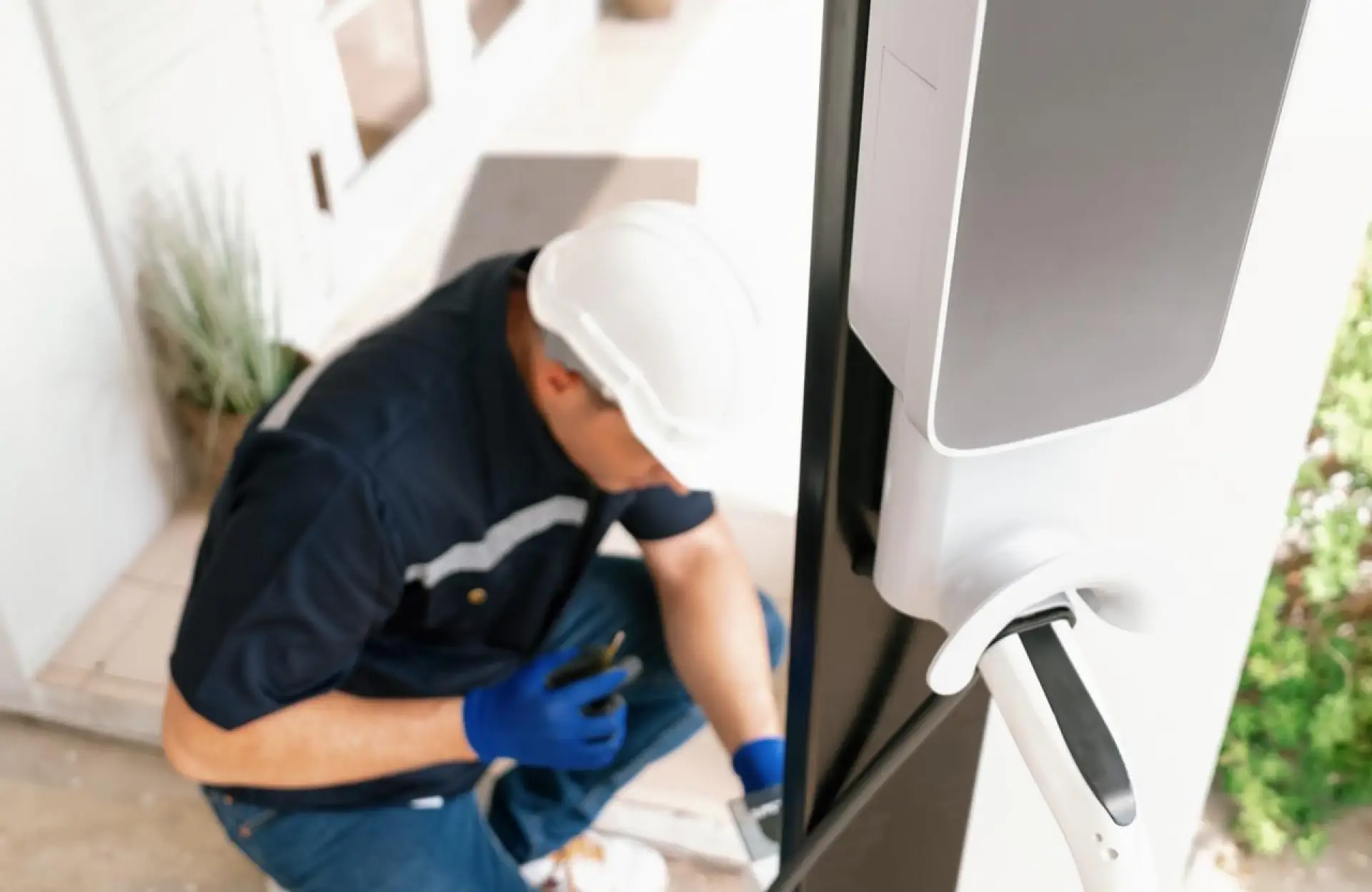
Confirming your electrical panel can handle an EV charger is the essential first step before any installation in Toronto or the GTA. Most older homes with 60 or 100-amp service require a residential panel upgrade before a Level 2 charger can be safely installed. Phaze-In Electric completes formal load calculations and manages the full ESA permit and inspection process for every electrical panel EV charger project across Toronto and the Greater Toronto Area.
Why Electrical Panel Capacity Matters for EV Charging
EV chargers are increasingly common across Toronto and the GTA, and the question homeowners ask first is whether their existing electrical panel can handle an EV charger without creating safety risks or requiring an upgrade. Unlike appliances that cycle on and off, an EV charger runs a continuous electrical load for several hours at a stretch. That sustained draw makes panel capacity the defining factor in whether a safe, code-compliant installation is possible without additional work.
If the panel is already operating near maximum capacity, adding an EV charger can overload circuits, cause nuisance breaker trips, trigger overheating, and create genuine fire hazards. The only way to confirm capacity is through a formal load calculation completed by a licensed electrician before any electrical panel EV charger installation begins.
Phaze-In Electric serves Toronto, North York, Vaughan, Markham, Richmond Hill, Mississauga, and Oakville with licensed residential electrical assessments and EV charger installations.
Common Residential Panel Sizes in Ontario Homes
Understanding your existing panel size is the starting point for every electrical panel EV charger assessment. Three service sizes are most common across the GTA:
- 60-amp service: Found in older Toronto homes built before the 1960s. Almost always insufficient for EV charging without a full panel upgrade.
- 100-amp service: Common in mid-century homes. May support a Level 2 EV charger in combination with a load management system, but a residential panel upgrade is frequently required.
- 200-amp service: Standard in newer or previously upgraded GTA homes. Generally compatible with Level 2 EV charging when a dedicated circuit is available.
See our completed panel upgrade and EV charger projects.
How Much Power an EV Charger Adds to a Panel
Not all EV chargers place the same demand on a residential panel.
The difference between charger levels is significant when assessing whether the existing electrical panel can handle an EV charger:
- Level 1 charger: Operates at 120V and draws approximately 12 to 16 amps. Slow overnight charging that can use an existing outlet in many cases.
- Level 2 charger: Operates at 240V and draws 30 to 60 amps continuously. Requires a dedicated EV charging circuit and is the recommended choice for home use across the GTA.
Level 2 chargers place significantly more strain on the panel than any standard household appliance. A dedicated circuit and a formal load assessment are mandatory under the Ontario Electrical Safety Code before any Level 2 electrical panel EV charger installation proceeds.
The Natural Resources Canada EV home charging guide outlines Level 2 charger technical requirements for Canadian homeowners.
What a Formal Electrical Load Calculation Covers
A licensed electrician from Phaze-In Electric completes a formal electrical load calculation before any electrical panel EV charger installation in Ontario is approved.
This is a requirement under the Ontario Electrical Safety Code, not an optional step. The calculation evaluates:
- Total square footage and general lighting load of the home
- All fixed loads including appliances, HVAC equipment, and water heating
- Current total electrical usage under normal household conditions
- The proposed EV charger amperage draw and continuous load contribution
The load calculation result determines whether the existing panel can support the EV charger, whether a residential panel upgrade is required, and whether a load management system could serve as an alternative to a full upgrade.
Signs Your Panel May Not Be Adequate for EV Charging
Several indicators suggest the existing electrical panel may not handle an EV charger without additional work.
Phaze-In Electric looks for these during every on-site assessment:
- Breaker panel that is fully occupied with no open slots for a new circuit
- Frequent breaker trips under normal household load conditions
- Outdated fuse panel still in use rather than a modern circuit breaker panel
- Older aluminum or knob-and-tube wiring throughout the home
- 60 or 100-amp service with a high existing electrical load
When a Residential Panel Upgrade Is Required
A residential panel upgrade becomes necessary before an electrical panel EV charger installation can proceed in four common situations:
- The service size is insufficient to absorb the additional EV charger load safely
- No available breaker spaces exist for a new dedicated EV charging circuit
- Aging or damaged panel components create a safety risk that must be resolved first
- Future electrical work is planned that requires additional panel capacity
Phaze-In Electric manages every panel upgrade from load calculation through ESA permit application, installation, and final inspection. All panel upgrade work is completed with valid ESA permit documentation and inspection records for insurance and resale protection.
Panel Upgrades and Electrical Permits in Ontario
All panel upgrades and EV charger installations in Ontario require permits and inspections through the Electrical Safety Authority. Permitted work confirms that all installations meet the Ontario Electrical Safety Code, that grounding and bonding are completed to current standards, and that inspection records are on file to protect home insurance coverage.
The Electrical Safety Authority of Ontario oversees all permit issuance and inspection scheduling for panel upgrades and EV charger installations across Ontario.
Can a Load Management System Prevent a Panel Upgrade?
In some cases, a load management system allows an electrical panel EV charger installation without a full residential panel upgrade. Load management systems monitor real-time electrical demand, reduce EV charging speed during periods of peak household load, and time-shift charging to lower-demand periods when more panel capacity is available.
Not every home qualifies for load management as an alternative to a panel upgrade. The determination must be made by a licensed electrician after a formal load assessment confirms the existing panel can safely operate within the reduced demand profile a load management system creates.
The Ontario Energy Board provides consumer information on electricity demand management and home energy planning in Ontario.
Making the Right Decision for Your GTA Home
Whether your electrical panel can handle an EV charger without upgrades depends entirely on the specific characteristics of your home’s electrical system. There is no universal answer based on panel size alone. A formal load calculation by a licensed electrician is the only accurate way to determine whether the existing panel is sufficient or whether a residential panel upgrade is the right path forward.
Phaze-In Electric manages every electrical panel EV charger project from initial assessment through ESA permit application, installation, inspection, and final documentation. Every project is completed to full Ontario Electrical Safety Code compliance with transparent pricing from the first site visit.
Contact Phaze-In Electric to schedule your licensed assessment.
Frequently Asked Questions
1. What panel size do I need for a Level 2 EV charger in Toronto?
Most Level 2 EV chargers operate at 240V and draw 30 to 60 amps continuously. A 200-amp service panel is generally the minimum recommended size for an electrical panel EV charger installation without additional upgrades. Homes with 100-amp panels can sometimes support EV charging with a load management system, but a residential panel upgrade is often the more practical solution. Phaze-In Electric confirms the right approach through a formal load calculation. See residential services for details.
2. Do I need an ESA permit for EV charger installation in Ontario?
Yes. Any EV charger installation in Ontario that involves electrical wiring requires a permit through the Electrical Safety Authority. Phaze-In Electric applies for and manages all permits as part of every installation project. Contact us to schedule your assessment.
3. Can a 100-amp panel support a Level 2 EV charger?
It depends on the existing electrical load. Some 100-amp panels can support a Level 2 charger if the home’s total demand is low. In many GTA homes, a residential panel upgrade to 200 amps is the safer and more practical solution. Phaze-In Electric confirms which option applies through a formal load calculation completed on-site before any work begins.
4. What is a dedicated EV charging circuit and why is it required?
A dedicated EV charging circuit is a separate circuit installed exclusively for the EV charger. This prevents the charger from sharing load with other appliances, which is a code violation and a safety risk for continuous-load equipment. A dedicated circuit is required under the Ontario Electrical Safety Code for all Level 2 EV charger installations in Ontario.
5. How does a load management system work for EV charging?
A load management system monitors the home’s real-time electrical usage and reduces EV charging speed when other loads are drawing heavily from the panel. This keeps total demand within the panel’s safe operating capacity. Not all homes qualify for load management as an alternative to a panel upgrade, and the determination requires a formal load assessment by a licensed electrician.
Confirm Your Panel Capacity with Phaze-In Electric
Phaze-In Electric Ltd. is a licensed, ESA-certified electrical contractor serving North York, Toronto, and the GTA. We complete formal load calculations, manage residential panel upgrades, and install EV chargers to full Ontario Electrical Safety Code compliance. Call 416-427-4567 or reach us through the contact page to schedule your licensed assessment.
Contact Phaze-In Electric to book your assessment. Explore residential services to see the full scope of what we deliver for GTA homeowners.
Key Takeaways
- EV chargers draw a continuous electrical load, confirming your electrical panel can handle an EV charger must happen before any installation begins.
- Level 2 chargers require a dedicated EV charging circuit at 240V and 30 to 60 amps. A dedicated circuit is mandatory under the Ontario Electrical Safety Code.
- Most older Toronto homes with 60 or 100-amp panels will require a residential panel upgrade before a Level 2 EV charger can be safely installed.
- A load management system can sometimes eliminate the need for a full panel upgrade when the existing service can support reduced peak demand.
- All EV charger installations in Ontario require ESA permits and must comply with the Ontario Electrical Safety Code.
- Phaze-In Electric manages load calculations, panel upgrades, EV charger installations, and all ESA permit documentation across Toronto and the GTA.