
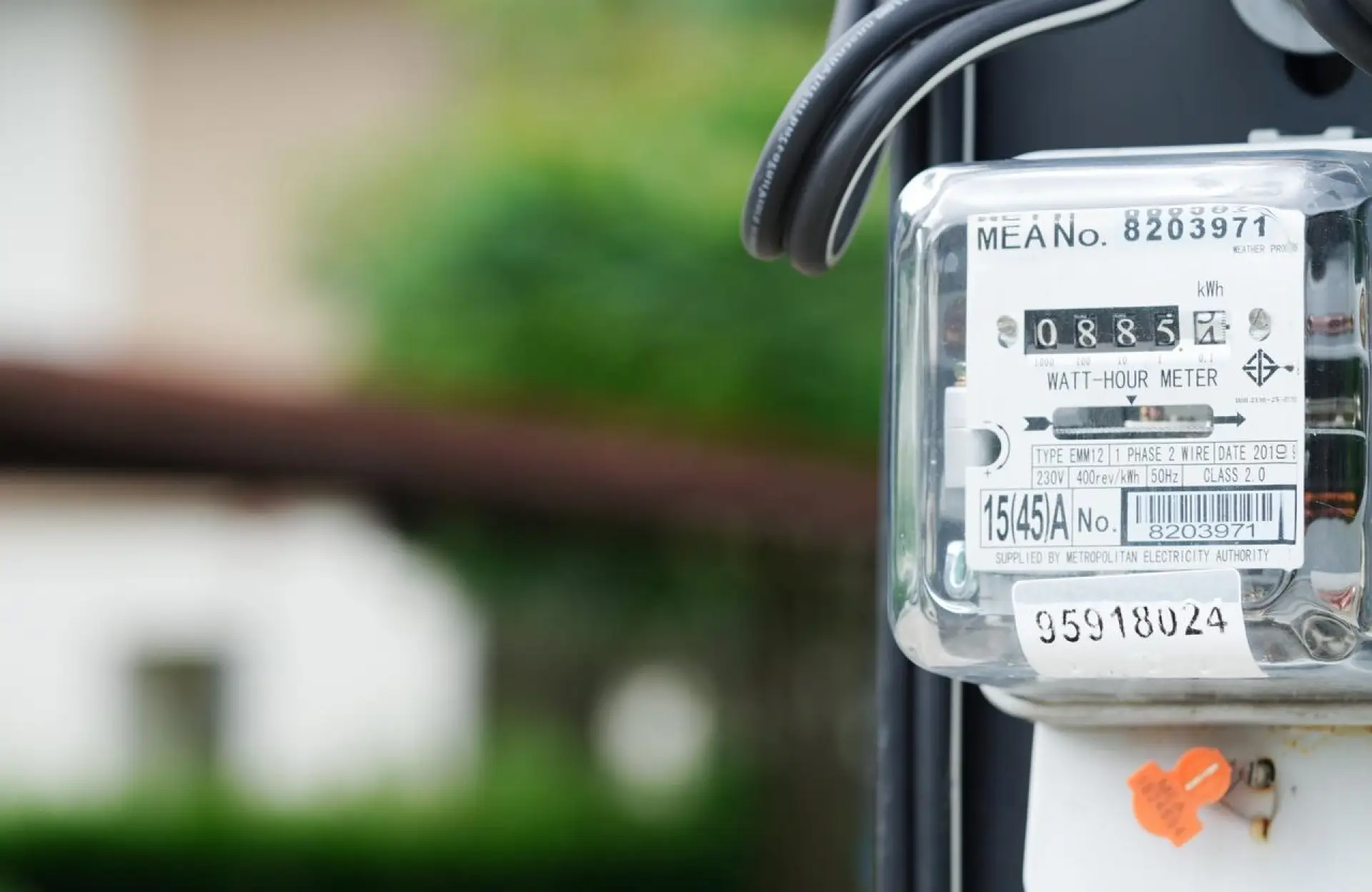
Summer electrical load issues are common in GTA homes as air conditioners, dehumidifiers, pool equipment, and other high-demand devices place extra strain on electrical systems. If you’re experiencing tripped breakers, flickering lights, or overloaded circuits, it may be a sign that your home’s electrical capacity needs professional evaluation to ensure safe and reliable performance.
Why Summer Electrical Load Issues Occur
When summer comes to the Greater Toronto Area, most people are thinking about how to stay cool and comfortable, not what’s going on behind the walls. Air conditioners, pool pumps, dehumidifiers, and extra refrigeration all place additional stress on your home’s electrical system, and for many GTA homes, especially older homes, summer is when electrical load issues come to the forefront.
Have you ever had breakers tripping during a heatwave, lights dimming when your AC turns on, or just a panel that seems to be working too hard? If so, your home could be running near or above its maximum safe electrical load.
This guide covers what warning signs to look for and how a licensed electrician can help homeowners in Toronto and North York stay safe, comfortable, and code-compliant.
Why Electrical Load Increases During a GTA Summer
Electrical load refers to the total amount of electricity your home is consuming at any given moment. In the summer, that load increases quickly as many high-demand devices cycle on and run for hours at a time.
Some of the most common drivers of summer electrical load include central air conditioning systems, ductless mini-splits and heat pumps, portable window AC units, fans running all day and night, dehumidifiers in the basement, pool equipment such as pumps and heaters, outdoor kitchens and patio appliances, extra fridges and freezers for parties and entertaining, and EV charging at home during peak demand hours.
Toronto’s older neighbourhoods have many homes built when electrical usage was a fraction of what it is today. Even if your electrical system has been “fine” for decades, modern summer demand can reveal capacity limits.
What Happens When Your Electrical System Is Overloaded?
When a home draws more power than its circuits and panel can safely deliver, several negative things can happen. Outcomes range from mild annoyance to significant safety risks.
Some of the most common results of summer overload include breakers tripping repeatedly, outlet overheating and electrical connections getting too hot, voltage drops that cause lights to flicker, premature wear and tear on your electrical equipment, and an increased risk of electrical fires due to heat buildup.
Your breakers are designed to trip off as a safety measure to prevent things from getting worse. The idea is to stop power flow to a circuit before wiring overheats and becomes a fire risk. If you have breakers tripping frequently, it is a sign that something should be checked out rather than ignored.
Signs Your Home Is Struggling With Summer Electrical Load
Some warning signs are easy to spot, while others are more subtle. Many homeowners shrug off minor symptoms as being “normal” in hot weather, but recurring problems should be investigated.
Watch for breakers tripping when AC or appliances start up, lights dimming or flickering especially when cooling equipment comes on, outlet covers feeling warm or switch plates getting hot, a smell of burning near an outlet, electrical device, or panel, buzzing sounds from outlets, switches, or electrical panels, extension cords and power bars becoming “permanent” in-home solutions, and rooms that feel like they don’t have enough power.
If any of these conditions are present in your home in Toronto or North York, it is a good idea to speak to a licensed electrician North York and Toronto homeowners trust before the problem gets worse.
Air Conditioning Loads: Central AC vs. Window Units
Air conditioning is one of the biggest contributors to summer electrical demand in the GTA. Central AC systems are usually on their own dedicated circuit and have a higher starting current when the compressor motor starts up. If your electrical panel is already near capacity, starting the AC may cause noticeable dimming of lights or tripping.
Window units often plug into regular receptacles, and many homeowners plug them into shared circuits that are already powering lights, TVs, and other electronics. This can lead to circuit overloads, breakers tripping off, and outlet overheating or receptacles wearing out. If your home relies on multiple window AC units, now may be a good time to consider adding dedicated circuits, upgraded receptacles, or even a service capacity evaluation.
Pool and Backyard Power Demand in GTA Homes
Summer living shifts outdoors, and many GTA homes use more electricity outside than ever before.
Outdoor power loads can include pool pumps and saltwater chlorine equipment, hot tubs and outdoor spas, patio heaters and outdoor entertainment systems, landscape lighting, and outdoor fridges or bar setups. Outdoor electrical systems must be installed correctly, weather-protected, and GFCI-protected where required. If your outdoor receptacles were installed years ago or you use many temporary cords, it is worth having an electrician assess for safety and code compliance.
A simple improvement like upgrading outdoor circuits can eliminate nuisance trips and lower the risk of shock hazards.
Basement Load Issues: Dehumidifiers and Extra Appliances
Basements are a common problem area in Toronto homes during the summer months. Humidity levels increase, and dehumidifiers often run non-stop for weeks at a time. Add in a chest freezer, second fridge, or home gym equipment, and a basement circuit can overload quickly.
Common basement electrical load challenges include a single circuit that powers many basement outlets, older wiring or receptacles not rated for continuous use, frequent breaker tripping with dehumidifiers and appliances, and moisture exposure that can lead to corrosion. If your basement breakers trip often in the summer, it is not just an annoyance. It can also be a sign that the space needs updated circuits or improved distribution.
Older GTA Homes and Limited Panel Capacity
Many GTA homes built in older neighbourhoods across Toronto and North York still operate with 60 amp service, 100 amp service, panels with limited breaker space, and outdated electrical distribution systems. Even if the panel itself looks “fine” and still has a few spaces left, the total capacity may not match how modern families live. Common modern additions that increase load include EV chargers, home office setups with multiple devices, heat pumps and other cooling equipment upgrades, finished basements with kitchens or laundry rooms, and larger kitchen appliances and smart home technology. Planning for future renovations? Summer is an ideal time to evaluate whether your electrical service can handle future demand, and to review what a panel upgrade would involve.
Why Power Bars and Extension Cords Are a Summer Warning Sign
In the heat of the moment when a heatwave hits, many homeowners add temporary cooling devices very quickly. The issue is that those quick solutions often involve power bars and extension cords.
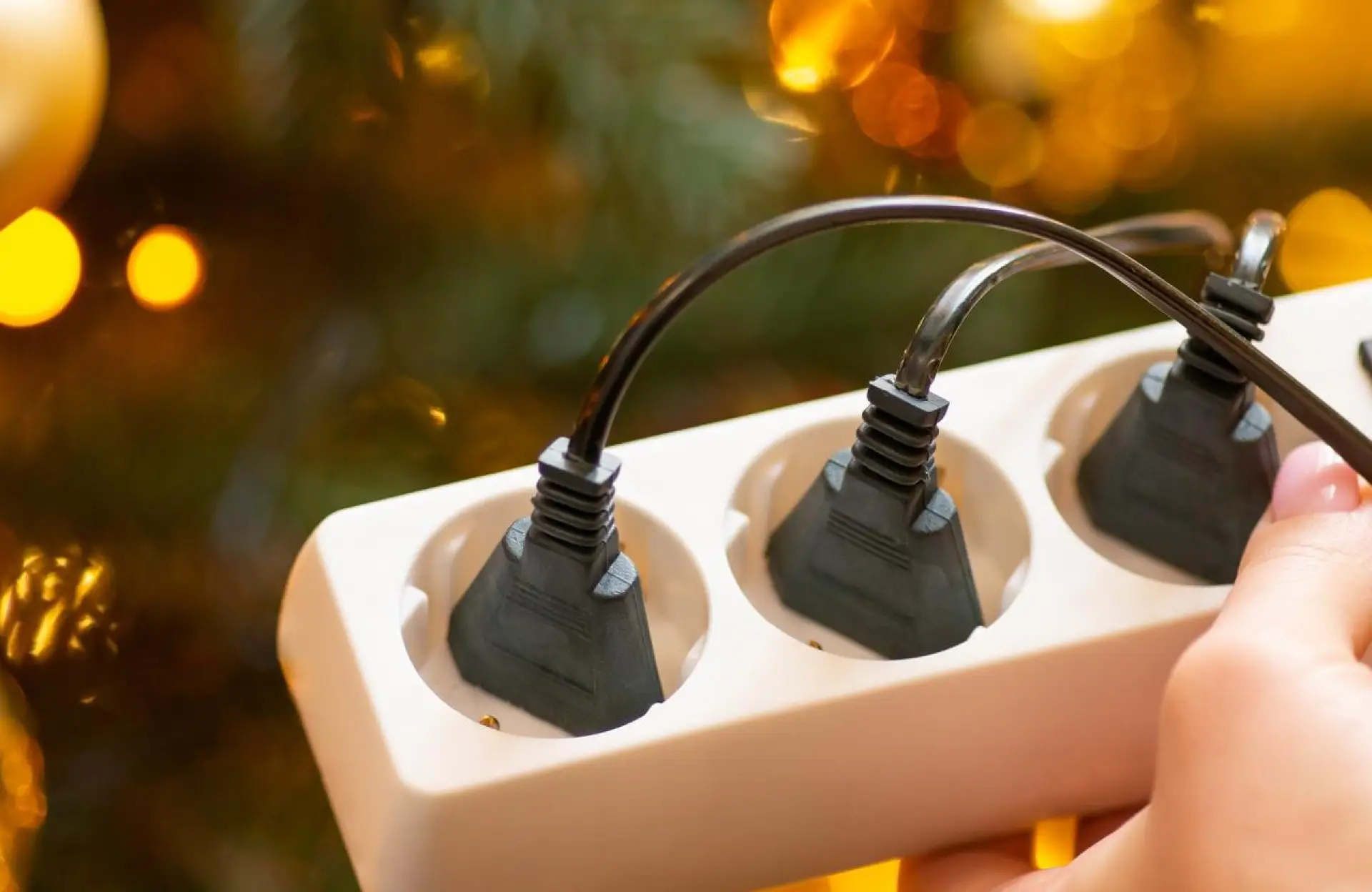
Power bars are fine for low-load electronics, but they are not designed for high-demand equipment like air conditioners or dehumidifiers. Avoid plugging a window AC unit into a power bar, running extension cords under carpets or furniture, using outdoor extension cords indoors as “permanent” fixtures, or plugging multiple appliances into one outlet with adapters or chains.
If you frequently run out of outlets or need to rely on cords to power essential devices, that is often a sign the home’s electrical layout should be properly upgraded.
How a Licensed Electrician Can Reduce Summer Electrical Stress
Fixing summer electrical load issues is not a matter of “adding more power everywhere.” It is about balancing loads safely and designing circuits that support actual usage patterns.
A professional evaluation may include panel capacity and breaker performance review, identifying overloaded circuits and high-demand appliances, testing receptacles for heat, wear, and safe connections, checking grounding and bonding for overall system stability, and planning for dedicated circuits for AC units, dehumidifiers, EV chargers, or outdoor equipment. If you want clarity on what your home can safely handle this summer, contact us today to schedule an electrical load evaluation with a licensed electrician Toronto families rely on.
When a Panel Upgrade Makes Sense
Sometimes, the underlying problem is not a single circuit. It is the overall size of the service.
An electrical panel upgrade can improve load capacity for AC units and modern appliances, space for new breakers and dedicated circuits, reliability and performance during peak usage times, and safety through updated protective devices.
Signs a panel upgrade may be needed include frequent breaker tripping during the summer, no more spaces in the panel for new circuits, adding a new appliance every year, plans to install an EV charger, and planned renovations that include new rooms or kitchen upgrades. A panel upgrade is also an opportunity to address older issues like worn breakers or improper past DIY modifications.
If you are considering an electrical panel upgrade in North York, it is vital to work with a contractor who knows code compliance and proper inspection requirements.
Electrical Permits and Code Compliance in Ontario
Homeowners often ask us if all electrical upgrades require permits in Ontario. In many cases, the answer is yes. Circuit, panel, and service equipment changes often require notification and inspection from the Electrical Safety Authority (ESA). Working with an ESA-certified contractor helps ensure work is completed to Ontario Electrical Safety Code standards, proper documentation and notification is in place, installation is inspected when necessary, and your home’s electrical system remains safe and compliant. This is especially important when upgrading panels or installing new high-demand circuits.
Summer Electrical Safety Tips for GTA Homeowners
To keep your home safe and in top shape during peak summer loads, here are some practical steps you can take immediately.
Run high-demand devices on dedicated outlets whenever possible, avoid using power bars with AC units or dehumidifiers, look for flickering lights or tripping breakers, keep your electrical panel accessible and dry at all times, unplug unused outdoor equipment before a storm, and use GFCI outlets outdoors and near water sources.
If your home struggles every summer, consider an inspection. Small adjustments can reduce immediate strain, but recurring issues should be professionally assessed. For cold-weather electrical risks, see our companion Winter Electrical Safety Tips guide.
A Safer, More Reliable Summer Starts With Planning
Summer electrical load issues are common in GTA homes and become more pronounced as households rely more on cooling, outdoor power, and modern appliances. While a tripped breaker may seem like a minor annoyance, it is often your home telling you demand is outpacing the capacity of your electrical system.
Phaze-In Electric Ltd. is a licensed, ESA-certified electrical contractor serving North York, Toronto, and the Greater Toronto Area. Led by Master Electrician Andrew Spano, we offer residential and commercial electrical services, including panel upgrades, EV charger installations, lighting design, and code-compliant commercial electrical work. Our focus is on safety, transparency, and high-quality craftsmanship for homeowners, businesses, and property managers.
If your home struggles with breakers tripping, flickering lights, or feeling limited in capacity during the summer months, contact us today to book a licensed electrical assessment and get clear, code-compliant solutions that support reliable power and peace of mind.
Frequently Asked Questions
1. Why do electrical problems become more common during the summer?
Summer increases electrical demand as cooling systems, pool equipment, dehumidifiers, and outdoor appliances run for longer periods. This added load can expose capacity limitations in older electrical systems.
2. What are the warning signs of an overloaded electrical system?
Common signs include frequent breaker trips, flickering lights, warm outlets, buzzing sounds, burning smells, and appliances that do not perform properly when multiple devices are running.
3. Can older Toronto and North York homes handle modern summer electrical demands?
Many older homes still operate with 60-amp or 100-amp services that were not designed for today’s electrical usage. A licensed electrician can assess whether upgrades are needed to safely support current and future loads.
4. Do I need a panel upgrade if my breakers trip during hot weather?
Not always, but recurring breaker trips during summer often indicate that your electrical panel or service capacity may be nearing its limit. A professional load evaluation can determine whether a panel upgrade is the right solution.
5. Are extension cords and power bars safe for air conditioners and dehumidifiers?
No. High-demand equipment such as air conditioners and dehumidifiers should be connected directly to properly rated outlets or dedicated circuits. Using extension cords or power bars can create overheating and fire risks.
Prepare Your Home for Peak Summer Electrical Demand
Hot weather can push your electrical system to its limits, especially in older Toronto and North York homes. Phaze-In Electric Ltd. provides licensed electrical assessments, panel upgrades, dedicated circuits, and code-compliant solutions to help homeowners stay safe, comfortable, and prepared for increased summer electrical loads. Contact us today to schedule an evaluation and ensure your home’s electrical system is ready for the season ahead.
Key Takeaways
- Summer heat significantly increases electrical demand in GTA homes.
- Air conditioners, dehumidifiers, pool equipment, and EV chargers are common causes of higher electrical loads.
- Frequent breaker trips and flickering lights are warning signs that your system may be overloaded.
- Older homes often require panel upgrades, dedicated circuits, or service improvements to handle modern electrical demands.
- Working with a licensed electrician helps ensure your home remains safe, reliable, and Ontario code-compliant.