
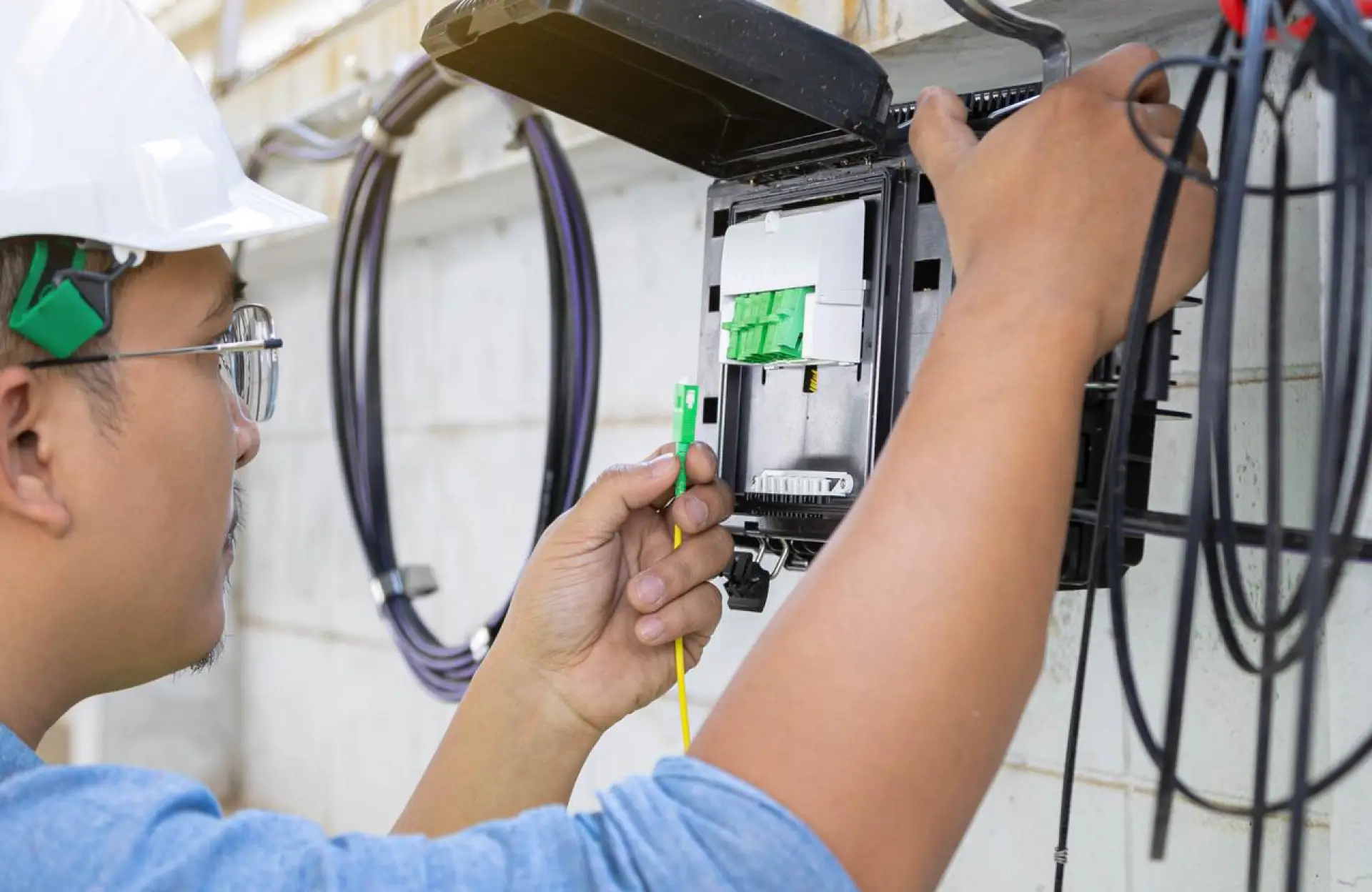
An electrical panel upgrade in Toronto involves more than swapping a breaker box. The total cost depends on service size, existing system conditions, permit fees, labour, and utility coordination. This guide breaks down each cost factor so homeowners and property owners can budget accurately, compare quotes fairly, and avoid surprises.
What an Electrical Panel Upgrade Actually Includes
A panel upgrade is a regulated electrical service improvement that must follow the Ontario Electrical Safety Code. It is not simply replacing a breaker box. A properly scoped upgrade typically covers removal of the existing panel, installation of a new breaker panel, grounding and bonding updates where required, circuit labelling and load balancing, ESA permit and inspection, and utility provider coordination when the service size increases.
Each of those components adds to the total project cost and is also what separates a code-compliant installation from a shortcut job that creates liability down the road.
The Electrical Safety Authority governs all electrical work in Ontario. Every panel upgrade must be permitted through the ESA and pass inspection before the work is considered complete.
Factors That Drive Electrical Panel Upgrade Costs
Electrical Service Size
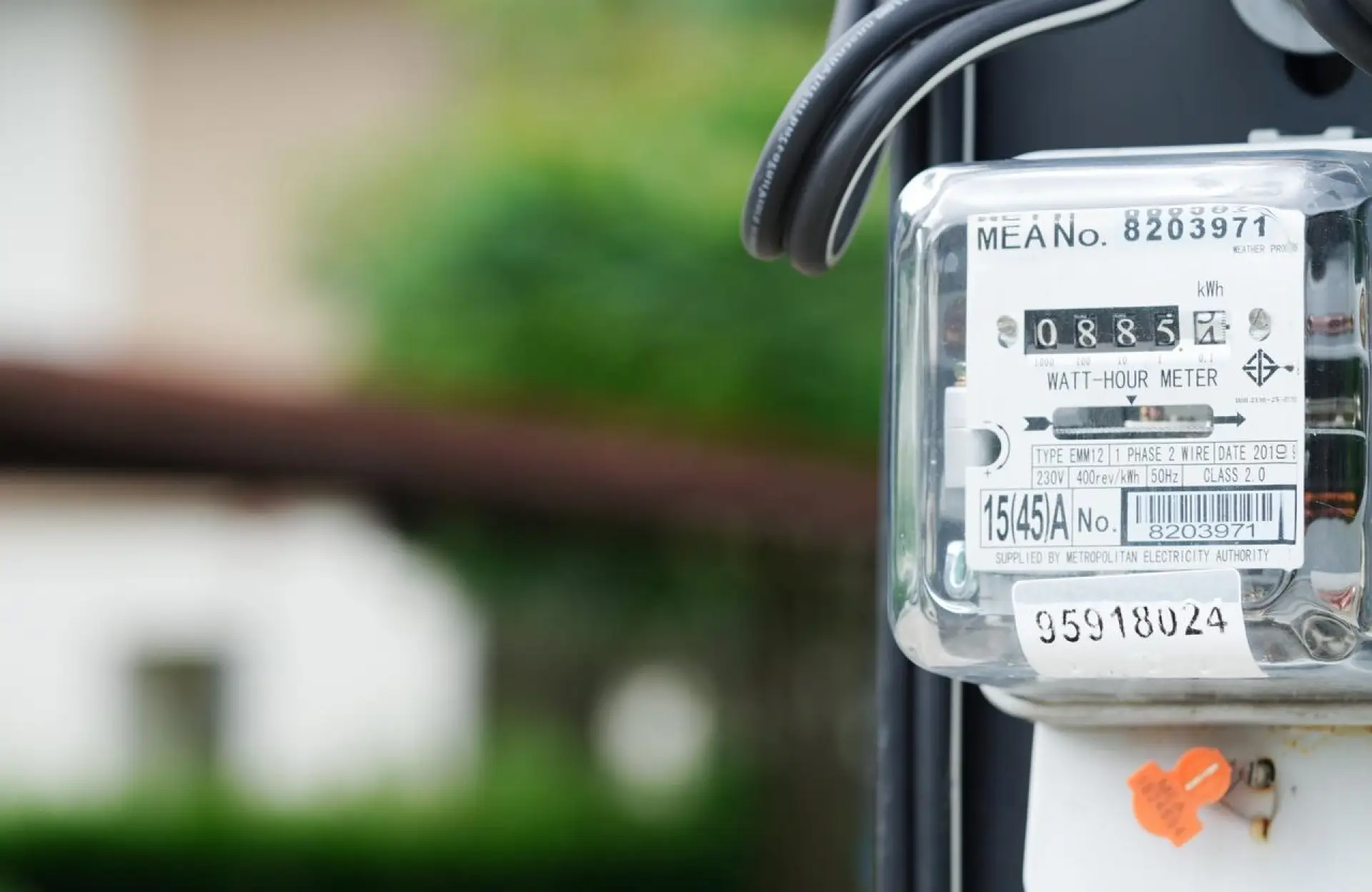
Service size is one of the largest cost variables. Upgrading from 100 amp to 200 amp service costs more than a panel replacement at the same amperage because it requires additional materials and utility coordination. A larger service upgrade may also need a new meter base, upgraded service mast, and service conductor replacement.
Properties adding EV chargers or expanding commercial operations frequently trigger a service upgrade as part of the panel work, which affects the overall project scope and budget.
Condition of the Existing Electrical System
Older Toronto properties often have conditions that must be corrected during a panel upgrade to meet current code. These include outdated grounding methods, aluminum wiring, fused panels, or circuits that are already overloaded. Identifying these issues upfront through a professional assessment prevents mid-project surprises and allows for accurate pricing.
Permits and Inspections
Panel upgrades in Ontario require ESA permits and inspections. These fees are a required part of compliant electrical work and are typically included in a professional estimate. The permit process protects homeowners by confirming the work meets code, passes inspection, and remains insurable.
Understanding what is covered by permits is part of the broader question of code compliance for all electrical upgrades in Ontario.
Labour and Professional Expertise
Labour cost reflects the expertise required to safely perform the upgrade. A licensed Master Electrician brings knowledge that directly reduces the risk of deficiencies, failed inspections, and rework. The work involved includes safe power disconnection and reconnection, code-compliant installation, circuit testing, and inspection coordination.
Commercial panel upgrades may require phased shutdowns or after-hours scheduling to minimise impact on business operations, which can affect the labour component of the total cost.
Utility Provider Coordination
When service size increases, the utility provider must disconnect and reconnect power and confirm the new service entrance, meter, and supply all meet their standards. This coordination adds scheduling lead time and is a required step for any service upgrade, not an optional add-on.
Residential Panel Upgrade Costs: What to Expect
Residential electrical panel upgrades in Toronto are generally more predictable in scope than commercial projects, but they still vary depending on the size of the home, the number of circuits required, accessibility to the existing panel, and whether future electrical needs such as an EV charger or heat pump have been factored in.
Phaze-In Electric offers full-scope residential upgrades including load assessment, panel replacement, ESA permitting, and utility coordination, so every part of the work is accounted for in a single transparent quote.
Homeowners who plan ahead and size the panel for future needs at the time of upgrade typically avoid the cost and disruption of a second upgrade down the road.
Commercial Panel Upgrade Costs: Key Differences
Commercial electrical panel upgrades involve higher electrical loads, redundant systems, tenant-specific requirements, and stricter code compliance standards than residential projects. Each of these factors increases planning time, installation complexity, and total project cost.
Property managers and building owners can review the full scope of commercial work Phaze-In handles across the GTA, including service sizing assessments and phased upgrade planning that accounts for tenant occupancy and operational continuity.
Why the Lowest Quote Is Rarely the Right Choice
Cheap electrical panel quotes sometimes reflect missing permits, skipped inspections, or deferred work on the existing system that creates problems later. Selecting the lowest bid without understanding what it includes can result in a failed ESA inspection, future insurance issues, or safety hazards that cost significantly more to correct than the original savings.
A licensed electrical contractor provides full code compliance, transparent pricing, long-term reliability, and a documented scope of work that protects the property owner at every stage.
The Canadian Standards Association sets the product and installation standards that all panel equipment and electrical work must meet in Ontario. Compliant materials and installation methods are part of what differentiates a properly priced quote from a cut-rate one.
How a Licensed Electrician Helps Control Costs
A licensed electrical contractor controls costs by identifying issues early through a thorough pre-work assessment, scoping the project accurately, and completing the work to code the first time. This avoids the added expense of rework, reinspection fees, or deferred repairs that surface after an inadequate installation.
Phaze-In Electric Ltd. is led by Master Electrician Andrew Spano, who has held his Master Electrician licence since 2015 and brings both residential and commercial expertise to every upgrade project across North York, Toronto, and the GTA.
When to Budget for a Panel Upgrade
A panel upgrade is a sound investment before it becomes an emergency. Planning ahead allows for better scheduling, accurate budgeting, and the opportunity to size the new panel for anticipated future loads including EV charging, HVAC upgrades, and electrical additions.
Signs that a panel upgrade may be due include frequent breaker trips under normal loads, limited or no space for new circuits, warm or buzzing panel components, and upcoming renovations or additions that will increase electrical demand.
If you are unsure whether your property needs an upgrade, Phaze-In Electric Ltd covers common questions about panel condition, service sizing, and what the upgrade process involves.
Understanding Panel Upgrade Costs Leads to Better Decisions
The cost of an electrical panel upgrade in Toronto depends on service size, existing system condition, permits, labour, and utility coordination. No two properties are identical, which is why accurate pricing comes from a site assessment, not a phone estimate.
Phaze-In Electric Ltd. is a licensed, ESA-certified electrical contractor serving North York, Toronto, Etobicoke, Vaughan, Markham, Richmond Hill, Mississauga, and Oakville. Every quote is transparent, permit-inclusive, and scoped from an actual assessment of your property.
Contact Phaze-In Electric to schedule a professional load assessment and receive a detailed, code-compliant estimate for your panel upgrade.
Frequently Asked Questions
1. What is included in the cost of an electrical panel upgrade in Toronto?
A complete panel upgrade typically includes removal of the existing panel, installation of a new breaker panel, grounding and bonding updates, circuit labelling, ESA permit and inspection fees, and utility coordination where the service size is increasing. A licensed electrician will itemise these components in the estimate so you understand exactly what is covered.
2. How much does an electrical panel upgrade cost in Toronto?
Costs vary based on service size, existing system condition, number of circuits, and whether utility coordination is required. Residential upgrades generally fall in the few-thousand-dollar range, while commercial projects vary more widely. The most accurate pricing comes from a site assessment and load calculation, not a flat-rate phone quote.
3. Does an electrical panel upgrade require a permit in Toronto?
Yes. All panel upgrades in Ontario require an ESA permit and must pass an ESA inspection before the work is complete. A licensed electrical contractor will handle the permit application and inspection coordination as part of the project. Work done without a permit creates insurance risk and liability for the property owner.
4. What causes electrical panel upgrade costs to increase?
The most common cost drivers are upgrading to a larger service size, correcting pre-existing issues in the existing electrical system such as outdated wiring or improper grounding, after-hours scheduling for commercial properties, and utility coordination requirements. A pre-work assessment identifies these factors before the project starts.
5. Why should I not choose the cheapest electrical panel upgrade quote?
Low quotes sometimes reflect missing permits, skipped grounding work, or undersized materials that create code deficiencies. A failed ESA inspection, insurance claim denial, or safety hazard that results from a shortcut installation will cost far more to correct than the initial savings. A licensed contractor with transparent pricing protects your investment.
6. Can I upgrade my electrical panel and add an EV charger at the same time?
Yes, and it is often the most cost-effective approach. If the panel upgrade is already underway, adding EV charger capacity at the same time avoids a second mobilisation, utility coordination, and permit process. A licensed electrician can assess whether the new panel size supports the charger load and plan accordingly.
7. How do I know if my Toronto property needs a panel upgrade?
Common indicators include frequent breaker trips under normal loads, no available breaker space, plans for a renovation or addition, an older fused panel, or an upcoming EV charger installation. A licensed electrician will perform a load calculation to confirm whether the existing panel can safely support current and future electrical demand.
Get an Accurate Panel Upgrade Estimate from a Licensed Electrician
Phaze-In Electric Ltd. is a licensed, ESA-certified electrical contractor serving Toronto, North York, and the GTA. Our licensed team provides transparent, permit-inclusive estimates based on a real assessment of your property.
Key Takeaways
- Panel upgrade costs in Toronto vary based on service size, existing conditions, permits, labour, and utility coordination.
- Upgrading service size from 100 amp to 200 amp adds material, utility coordination, and labour costs beyond a standard panel replacement.
- ESA permits and inspections are mandatory for all panel upgrades in Ontario and should be included in every professional estimate.
- The lowest quote is not always the best value. Missing permits or deferred grounding work creates long-term liability and higher correction costs.
- Planning the panel upgrade alongside an EV charger installation or renovation is typically more cost-effective than two separate projects.
- A pre-work assessment and load calculation from a licensed electrician produces the most accurate pricing for any panel upgrade.