
Renovating heritage homes in Toronto almost always means upgrading outdated electrical systems while preserving the property’s original character and architectural features. Aging wiring, undersized panels, ESA permit requirements, and modern power demands all need a clear plan. Working with a licensed electrician in Toronto early in the process keeps the renovation safe, code-compliant, and ready for today’s lifestyle.
The Most Common Electrical Challenges in Heritage Home Renovations
Renovating a heritage home in Toronto can be exciting. You can preserve craftsmanship, original details, and character that newer builds often can’t touch. However, behind all that charm lurks an electrical system that may not have been built for today’s power needs or safety standards.
Many homeowners have visions of updated kitchen lighting, finished basements, heated floors, and EV chargers in the garage. Then the renovation opens the walls and reveals ageing wiring, undersized panels, or decades of DIY patchwork. Suddenly, the electrical work is one of the most critical components of the entire project.
What Makes Renovating Heritage Homes in Toronto Different?
A heritage home is more than just “older”. These properties often have specific features that need extra care during a renovation or construction project, including plaster walls and lath construction, solid wood framing that is difficult to access, original finishes that owners want to preserve, limited wall cavities for running new wiring, architectural restrictions tied to conservation guidelines, and non-standard layouts from earlier building eras.
From an electrical perspective, the biggest difference is this: the electrical system typically needs to be modernised without damaging the structure or aesthetic that makes the home valuable. That is why anyone renovating heritage homes Toronto has to offer should work with a licensed electrician who can plan upgrades efficiently and to code while minimising disruption.
Common Electrical Systems Found in Heritage Homes
Heritage homes in Toronto often feature legacy electrical infrastructure that still “works” but will not meet modern safety standards.
You may encounter fuse panels instead of breaker panels, 60 amp service or older 100 amp service with limited capacity, overcrowded electrical panels with no space for expansion, ungrounded outlets (two-prong receptacles), older wiring methods such as knob-and-tube, aluminum branch wiring in some mid-century properties, and mixed wiring from multiple renovation phases.
Many of these issues are manageable with the right strategy. The key is identifying what is present before the renovation reaches a more expensive stage. A practical first step is booking an electrical assessment early in the design process, especially if your renovation will add new appliances, HVAC, or an addition.
Knob-and-Tube Wiring: Why It Comes Up So Often
Knob-and-tube wiring is one of the most well-known electrical issues in older Toronto homes. You will find it in houses built in the early 1900s, and while it was standard for its time, it can create challenges during a renovation.
Common issues with knob-and-tube wiring during renovations include insulation around the wiring becoming a safety concern, past DIY alterations that may have been done incorrectly, circuits that can be easily overloaded by modern appliance demand, grounding that is typically not present, and wiring condition that can vary throughout the home.
Not every heritage home has active knob-and-tube, but partial remnants are common. The safest approach is to have a licensed electrician confirm what is still in use and whether replacement is recommended during your renovation timeline.
Panel Capacity and Service Size: A Major Upgrade Trigger
Heritage homes often have electrical panels that were sized for a time when households used far fewer electrical devices.
Today it is normal for a single home to run high-efficiency HVAC systems, multiple fridges or freezers, induction ranges or large electric ovens, home office equipment, basement suites with separate electrical loads, EV charging, and smart lighting and control systems.
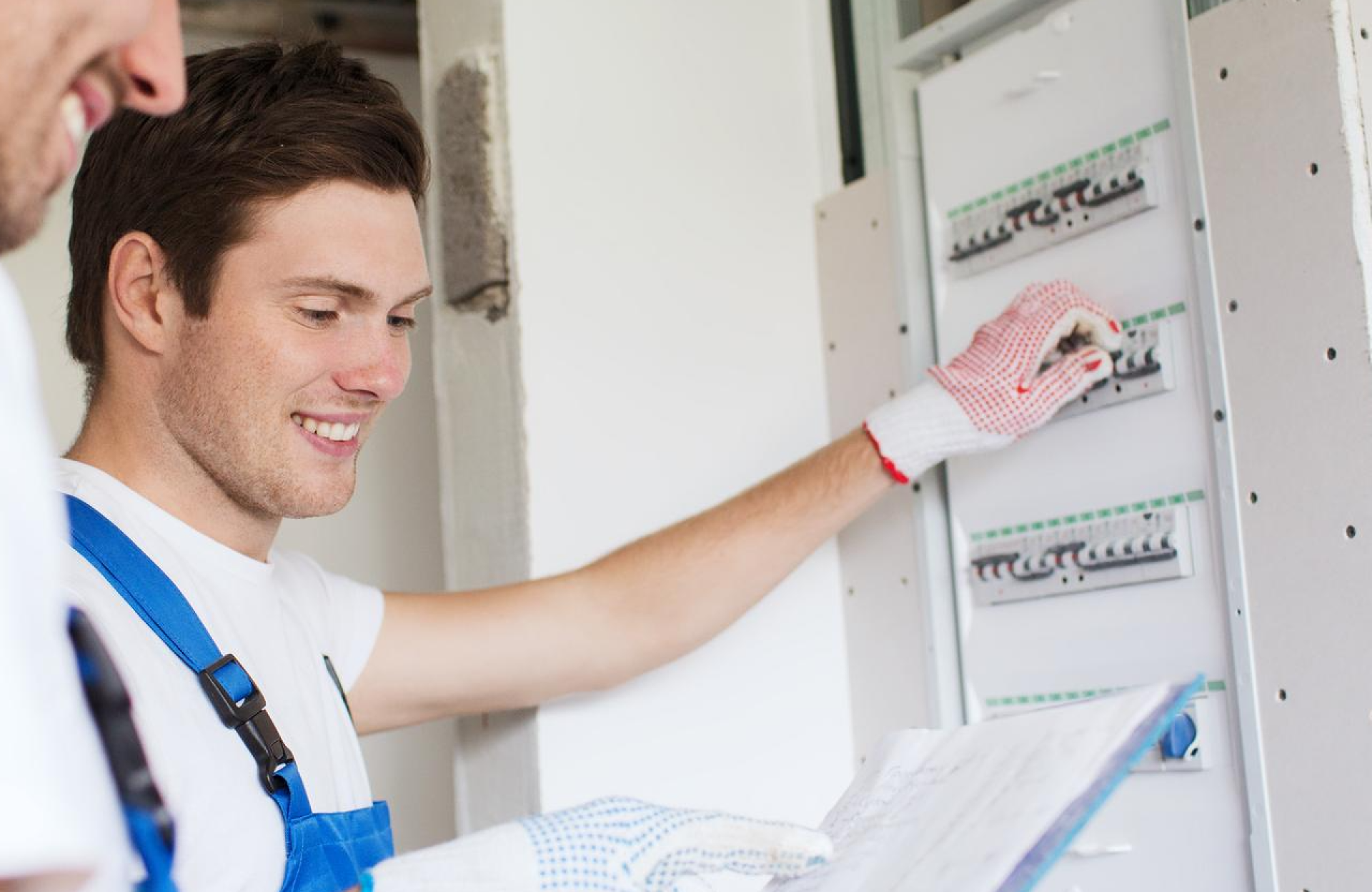
Signs your electrical panel may be too small for your renovation plans include your panel being a fuse box, having no spare breaker spaces, experiencing frequent tripped breakers, relying on power bars because outlets are limited, and planned upgrades that include major new loads such as an EV charger, heat pump, or addition. A panel upgrade creates the capacity and circuit organisation needed for a modern renovation. It also can improve safety through updated breakers and code-compliant grounding and bonding.
If you are planning a renovation in Toronto, an electrical panel upgrade North York and Toronto heritage homes commonly need is worth discussing early, before walls are closed and finishes are installed.
Wiring Access Challenges in Plaster Walls and Older Construction
Electrical work is often more difficult in heritage homes because the building materials and wall systems were not designed with modern wiring runs in mind.
Common constraints include plaster walls that crack easily if handled improperly, dense framing or blocking that limits wire pathways, very shallow wall cavities, original wood trim that homeowners want to preserve, and finished ceilings with limited access for new circuits.
Because of this, the electrical plan needs to be thoughtful. A licensed electrician Toronto homeowners trust can help you map out outlet locations that meet real use needs, lighting zones and switching layouts, dedicated circuits for appliances, and future expansion capacity. Good planning can prevent reactive electrical changes later, which often cost more and cause more disruption.
Upgrading Outlets and Adding Circuits Without Overloading the System
One of the most common frustrations in heritage homes is limited outlet availability. Older rooms may have one or two receptacles, while modern living spaces often require far more.
During a renovation, homeowners often want to add more kitchen countertop outlets, vanity outlets in bathrooms, dedicated circuits for microwaves or dishwashers, properly placed outlets in bedrooms and living rooms, and outdoor power for patios or landscaping.
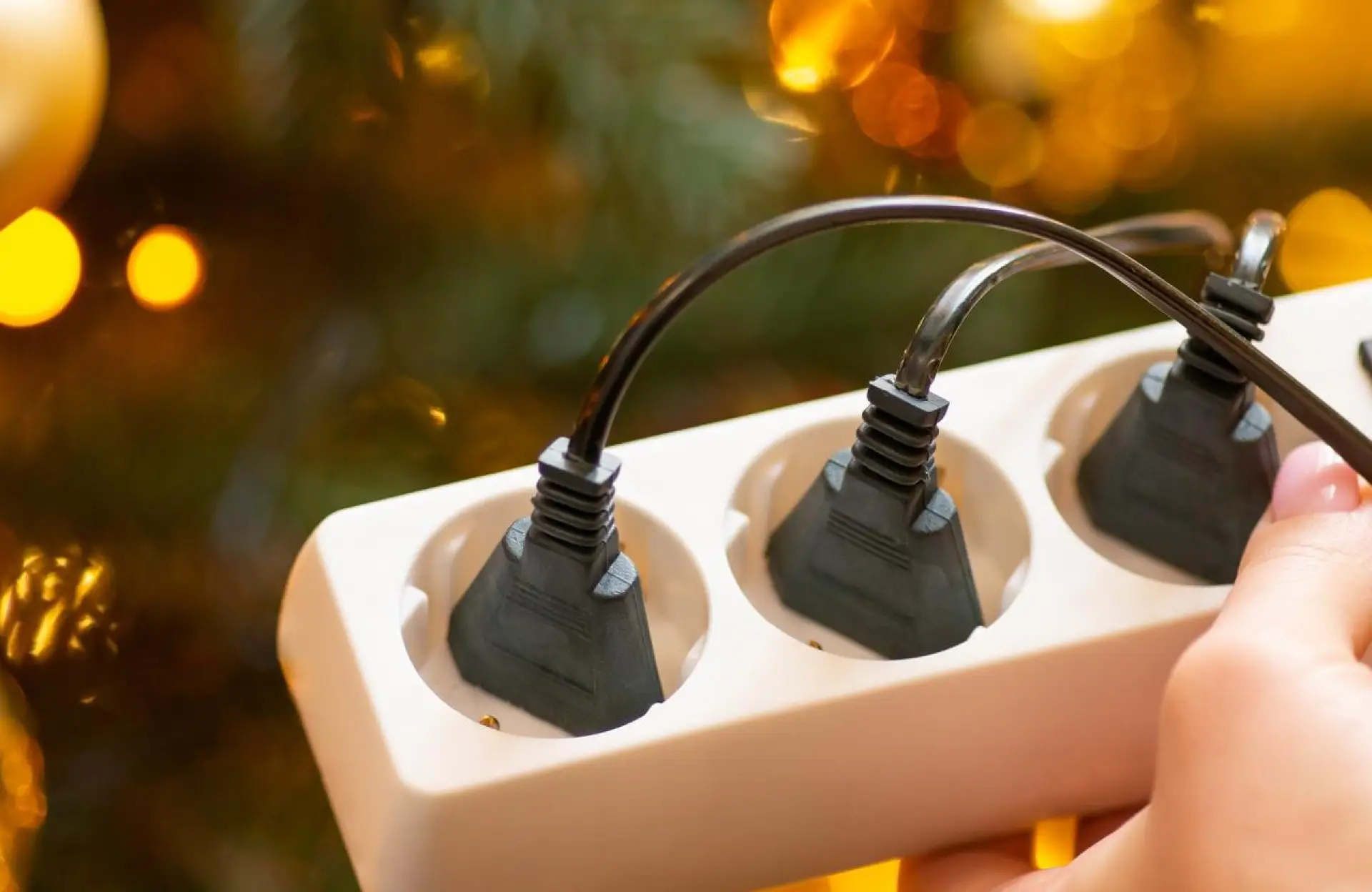
The challenge is that you cannot simply “add outlets” without first confirming the circuit load and panel capacity. A safe electrical upgrade plan should include load calculations based on renovation scope, dedicated circuits where required, updated outlet placement that reduces power bar reliance, GFCI protection in kitchens, bathrooms, laundry, and exterior areas, and AFCI protection where required for safety. This is where Ontario Electrical Safety Code compliance becomes part of the renovation process, not an afterthought.
Do You Need an ESA Permit When Renovating Heritage Homes in Toronto?
In Ontario, many electrical renovations require notification and inspection through the Electrical Safety Authority (ESA). This is especially true in heritage home projects where the electrical systems may be outdated or heavily modified.
Electrical work that often requires ESA notification includes panel upgrades, service upgrades, adding new circuits, significant rewiring, basement renovation electrical additions, new EV charger circuits, and major lighting or electrical redesigns. Working with an ESA-certified electrical contractor helps ensure that the work is documented, inspected when necessary, and completed safely.
If you are unsure whether your renovation needs an electrical permit, a licensed electrician can walk you through what applies to your specific scope.
Heritage Home Lighting Upgrades Without Losing Character
Lighting is one of the best ways to modernise a heritage home while also enhancing its original design. The goal is to improve function and comfort without creating a “cookie-cutter” look.
Popular lighting improvements in heritage renovations include layered lighting with ambient, task, and accent options, updated dimmers for modern LED performance, under-cabinet kitchen lighting, stair lighting for safety, exterior lighting upgrades for entrances and pathways, and feature lighting that highlights original details.
A good electrical plan also ensures circuits and switches are designed logically. Nothing feels more outdated than a renovated home with confusing switch layouts or poor lighting control. For homeowners planning a full remodel, it is worth exploring lighting design options with an experienced electrical team. This can make the final result feel both modern and authentic.
Modern Appliances and HVAC Loads in Older Homes
Many heritage renovation projects include mechanical systems that add significant electrical demand, such as heat pumps or ductless mini-split systems, electric water heaters, heated floors, tankless water heating support equipment, ventilation systems and upgraded bathroom fans, and induction cooking systems.
These upgrades can be excellent for comfort and energy efficiency, but they require proper electrical planning. If the electrical service is not sized correctly, you may encounter tripping breakers, voltage drops, or limitations on what can be installed safely. A licensed electrician can coordinate with your general contractor and HVAC installer to ensure electrical requirements are met without last-minute surprises.
Basement Renovations and Secondary Suites: A Big Electrical Shift
Heritage homes are often renovated to create finished basements, rental suites, or multi-generational living spaces. These projects often require new lighting layouts, additional receptacles and dedicated circuits, smoke and CO alarm integration, potential panel or service upgrades, and more structured electrical distribution for separate living areas.
Even if a basement “already has power”, it may not be suitable for a complete living space with kitchen appliances, laundry, and heating equipment. Planning electrical correctly at this stage helps ensure the space is safe, reliable, and compliant.
EV Chargers and Future Tech in Heritage Home Renovations
More Toronto homeowners are planning for EV adoption during renovations, even if they do not have an electric vehicle yet. Heritage homes can support EV charging, but the electrical infrastructure must be assessed carefully. EV charging in older homes may require a load calculation, a panel upgrade for breaker capacity, a service upgrade if the home is undersized, proper grounding and bonding, and surge protection considerations.
If you are already opening walls or updating the service, it can be an ideal time to plan for EV charging in a clean and code-compliant way. A subtle next step is to speak with a Master Electrician about whether your home can support EV charging now or what upgrades would make it possible.
Tips for Renovating Heritage Homes in Toronto Without Electrical Surprises
Electrical issues are one of the most common renovation budget surprises, especially in older Toronto homes. The good news is that many problems can be avoided with early planning.
To reduce risk and protect your renovation timeline, book an electrical assessment early before walls are opened, plan circuits based on real use rather than minimum code, confirm panel capacity before ordering high-load appliances, avoid piecemeal electrical changes that create messy, unsafe systems, keep permits and inspections part of the plan rather than a rush at the end, coordinate lighting design early so wiring matches finish layouts, and prioritise safety upgrades first, especially panels and wiring condition.
Taking this approach helps keep the renovation organised and reduces the chance of rework.
Heritage Renovations Need Modern Electrical Expertise
Renovating a heritage home in Toronto is one of the most rewarding home improvement projects you can take on, but electrical challenges are almost always part of the process. Outdated panels, ageing wiring, limited circuit capacity, and difficult wall construction all require a careful plan that balances preservation with modern safety and performance.
Phaze-In Electric Ltd. is a licensed, ESA-certified electrical contractor serving North York, Toronto, and the Greater Toronto Area. Led by Master Electrician Andrew Spano, we provide residential and commercial electrical services, including panel upgrades, EV charger installations, lighting design, and code-compliant commercial electrical work. Our focus is on safety, transparency, and high-quality craftsmanship for homeowners, businesses, and property managers. If you are preparing to renovate a heritage home and want a clear electrical plan built around safety and Ontario Electrical Safety Code compliance, contact us today to book a licensed assessment and renovation consultation.
Frequently Asked Questions
1. Do all heritage homes need electrical upgrades during renovations?
Not necessarily, but many heritage homes contain outdated wiring, panels, or electrical systems that may not safely support modern appliances, HVAC systems, lighting, or EV chargers. A professional assessment can determine which upgrades are necessary.
2. Is knob-and-tube wiring always required to be replaced?
Not always, but knob-and-tube wiring often creates challenges during renovations and may not meet the needs of modern electrical loads. A licensed electrician can inspect the system and recommend whether replacement is the safest option.
3. Will I need an electrical panel upgrade during a heritage home renovation?
Many heritage homes benefit from panel upgrades, especially if the existing panel is a fuse box, lacks breaker space, or cannot support planned additions such as kitchen renovations, HVAC systems, basement suites, or EV charging equipment.
4. Do electrical renovations in heritage homes require permits in Ontario?
Yes. Many electrical upgrades, including panel replacements, service upgrades, rewiring, new circuits, and EV charger installations, require ESA notification, inspections, and compliance with Ontario Electrical Safety Code requirements.
5. Can I add modern features like EV chargers and smart home technology to a heritage home?
In most cases, yes. However, the home’s electrical infrastructure may require upgrades to safely support additional loads, wiring requirements, and future technology integration.
Planning a Heritage Home Renovation?
Electrical challenges are often hidden behind walls, ceilings, and decades of previous renovations. Phaze-In Electric Ltd. can assess your home’s existing electrical system, identify potential safety concerns, and recommend practical upgrades that align with your renovation plans while meeting current Ontario Electrical Safety Code requirements. Contact us today to book a consultation and renovate with confidence from the start.
Key Takeaways
- Heritage homes often contain outdated electrical systems, including fuse panels, knob-and-tube wiring, ungrounded outlets, and limited circuit capacity.
- Electrical upgrades should be planned early in the renovation process to avoid costly surprises and project delays.
- Panel upgrades, rewiring, grounding improvements, and dedicated circuits are common requirements during heritage home renovations.
- ESA permits, inspections, and Ontario Electrical Safety Code compliance are important for most major electrical renovation projects.
- Working with a licensed electrician helps balance historic preservation with modern safety, functionality, and future electrical needs.