
Vaughan homeowners facing tripping breakers, dimming lights, or renovation and EV charger plans often need an electrical panel upgrade for safety, capacity, and Ontario Electrical Safety Code compliance. This guide covers the warning signs, the upgrade process and timing, permitting and ESA requirements, and how to plan for future electrical needs.
Why an Electrical Panel Upgrade Is Common in Vaughan Homes
Vaughan offers a wide variety of housing options, from older homes that have been updated and renovated over time to newer neighbourhoods and subdivisions that may still have modern electrical layouts. In both cases, a panel upgrade can become necessary for a variety of reasons.
Older homes can need an electrical panel upgrade because electrical panels were never designed to handle modern power needs, additions or basement finishing increased electrical demand, panels now have aged components or configurations, or past upgrades were done without an eye to long-term electrical capacity.
Newer homes may need an upgrade because homeowners add EV chargers, hot tubs, or finished basements, smart home devices and home office equipment increase everyday demand, a panel fills up faster than expected after a renovation, or homes make the switch to higher-efficiency electric heating.
A well-planned panel upgrade Vaughan homeowners invest in should help ensure your home’s electrical system can support your lifestyle now as well as any upgrades you may want in the future.
What an Electrical Panel Does (And Why It Matters)
Your electrical panel is the heart of your home’s electrical system. It is what distributes the power from your electrical service to individual circuits that power lights, receptacles, and appliances around the home.
If a panel is properly planned, installed, and maintained, it should protect each circuit from overloads through breakers, allow circuits to be easily separated and labelled, provide sufficient space for current and future circuits, and meet the modern safety requirements for grounding and bonding.
If your panel is outdated, overloaded, or improperly set up, it can increase the risk of outages, overheating, and other costly electrical failures.
Signs You May Need a Panel Upgrade in Vaughan
The biggest question for homeowners is often whether they really need a panel upgrade or if a smaller repair or change will do. The answer will depend on the overall condition of the panel, the available capacity, and what the house is trying to power.
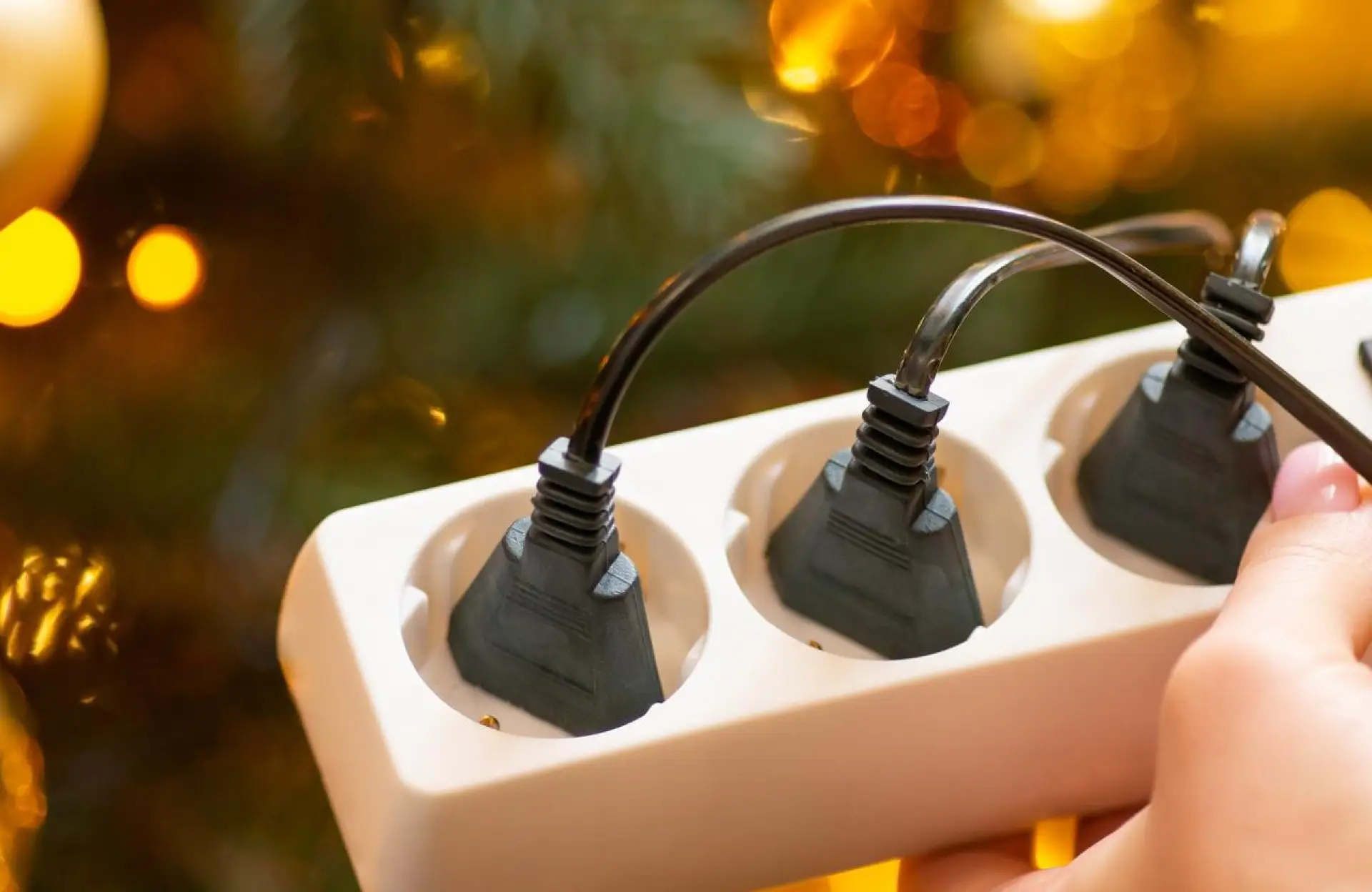
Some common warning signs of a potential problem include breakers tripping frequently or randomly, lights dimming or flickering when large appliances turn on, burning odours near the panel or discoloration, buzzing sounds coming from the panel, a panel that feels warm to the touch, limited breaker space available for future circuits, extension cords or power bars frequently used for permanent power needs, and a home that still has a fuse box instead of circuit breakers.
Even if the warning signs do not yet pose an immediate danger, they can still indicate the system is stressed or reaching its limits. If you are in doubt, a licensed electrician can perform a safety inspection and determine if a full panel upgrade is required or if other changes will solve the issue.
Panel Upgrade vs. Service Upgrade: What’s the Difference?
This is one of the key things that Vaughan homeowners should understand when it comes to panels. A “panel upgrade” and a “service upgrade” are related, but they are not the same thing.
| Type | What It Involves | Common Triggers |
| Panel upgrade | Replacing the electrical panel itself | Improve safety, breaker layout, space for circuits |
| Service upgrade | Increasing the size of electrical service to the house | EV chargers, electric heating, additions, hot tubs, major renovations |
A qualified electrician will review the current service size, panel condition, and electrical demand when making recommendations.
Do You Need an ESA Permit for a Panel Upgrade in Ontario?
In Ontario, all electrical work should follow the Ontario Electrical Safety Code and many electrical installations and upgrades need to be notified to the Electrical Safety Authority (ESA). Panel upgrades will generally require ESA notification and inspection.
This helps to ensure that work was completed in compliance with code, proper grounding and bonding was installed, breakers and wiring were correctly sized, and safety standards were met before the system was energised.
Homeowners should be wary of anyone doing panel work without proper permits and inspections. Cutting corners on electrical work can lead to serious safety issues, insurance challenges, and higher costs to fix. It can help to work with an ESA-certified electrical contractor who can handle the permitting and inspection process.
What Happens During an Electrical Panel Upgrade?
A panel upgrade is a process that should be well-planned, especially in a home where the household relies on consistent power availability.
The typical steps include reviewing the current panel condition and circuit layout, confirming the service size and capacity requirements, coordinating safe timing for shutdown, removing the existing panel and prepping the installation area, installing the new panel and properly sized breakers, reconnecting circuits and verifying the connections, applying grounding and bonding enhancements if needed, labelling circuits clearly for future reference, and completing ESA inspection as required.
In many cases, the home will be without power for a portion of the work. A licensed electrician will be sure to communicate the expected outage window in advance, so homeowners can plan accordingly. If you want to better understand the length of a potential project for your specific home, it is helpful to discuss it with a Master Electrician before work begins.
Why Panel Capacity Matters for Renovations and Additions
One of the most common reasons that Vaughan homeowners upgrade electrical panels is to support renovations. Even if homeowners do not originally plan for it, electrical work often expands in scope and demand during a renovation.
Renovation projects that may require a panel upgrade include kitchen renovations with new appliance circuits, basement finishing with additional lighting and receptacles, home additions or second-storey builds, bathroom upgrades with heated floors or ventilation, and garage upgrades or workshop electrical improvements.
When a panel does not have the space, contractors may need to delay work or limit the scope of what can be added safely. Upgrading the panel early on can prevent surprise renovations and help the project remain on schedule.
EV Chargers and Panel Upgrades in Vaughan
Vaughan homeowners are starting to see more and more EV chargers as electric vehicle ownership becomes more common in the region. A Level 2 EV charger will typically require its own circuit and enough capacity in the panel and service.
EV charging often leads to panel upgrades because EV chargers draw power steadily over long periods, load calculations may reveal your service is already near capacity, a dedicated breaker space is required, and correct wire sizing and installation is required to meet code.
Even if a panel is not “old”, it may not have the room or capacity available for EV charging without upgrades. If you are thinking about EV readiness for your home, it may be worth talking to a licensed electrician serving Vaughan and the GTA.
Safety Improvements Included in Many Panel Upgrades
An electrical panel upgrade is not just about adding capacity. It also allows electricians to correct many of the safety gaps they find in older systems or in past renovations.
Some examples of safety improvements include correcting improper breaker sizing, updating grounding and bonding, removing unsafe or overcrowded wiring practices, replacing damaged or corroded components, and ensuring all circuits are properly protected and separated. These safety improvements can help to reduce electrical risks and provide confidence the system will continue to operate reliably for years to come.
How to Choose the Right Panel Upgrade for Your Home
Not every electrical panel upgrade is the same. The best solution will depend on a homeowner’s goals, their existing electrical system, and their plans for the future.
A good panel upgrade plan will usually consider how many new circuits the home will need, whether the homeowner is looking to add EV charging, future renovation phases and potential for expansion, whether 100 amp or 200 amp service is the better option, the condition of existing wiring and connections, and space and access around the existing panel location.
Licensed electricians will typically recommend a solution that balances safety, code compliance, and long-term value, instead of simply installing the smallest possible panel to get the job done.
Planning Ahead: Future-Proofing Your Electrical System
It is often the case that Vaughan homeowners decide to upgrade their panel before a major renovation or technology upgrade, even if the system is not failing yet. This is often the most cost-effective way to approach the project, as it prevents repeat labour and mid-project electrical delays.
Homeowners should consider future-proofing the home if they are planning a basement apartment or rental-ready suite, a home office with dedicated circuits, a kitchen renovation with high-demand appliances, a hot tub, pool equipment, or outdoor entertaining area, smart home upgrades and automation, or EV charging today or in the next few years.
Even small steps like adding spare breaker capacity can make a big difference in the future.
When to Speak With a Licensed Electrician
If you are starting to notice electrical warning signs in your home, if you are planning renovations, or if you just want to make sure your home is safe and ready for future upgrades, it is often a good idea to speak to a licensed electrician Toronto and Vaughan homeowners trust before making other decisions.
Learning about panel upgrades, ESA inspections, and electrical capacity planning can save time and reduce risk, especially in homes with older infrastructure or more complex renovations.
Electrical Panel Upgrades Across Vaughan, North York, and the GTA
Electrical panel upgrades are one of the most practical investments that Vaughan homeowners can make in their home’s safety and long-term functionality. Whether you are planning renovations, new appliances, adding EV charging, or addressing electrical warning signs, a properly installed panel should help ensure your electrical system is safe, reliable, and code-compliant for years to come.
Phaze-In Electric Ltd. is a licensed, ESA-certified electrical contractor serving North York, Toronto, and the Greater Toronto Area, including Vaughan. From the electrical panel upgrade North York families schedule before a renovation to panel and service upgrades across Vaughan, our team is led by Master Electrician Andrew Spano, and we provide residential and commercial electrical services, including panel upgrades, EV charger installations, lighting design, and code-compliant commercial electrical work. Our focus is on safety, transparency, and high-quality craftsmanship for homeowners, businesses, and property managers.
If you want a clear and professional assessment as well as a solution that is designed to meet your home’s needs, contact us today to book a licensed panel upgrade consultation and take the next step with confidence.
Frequently Asked Questions
1. How do I know if I need a panel upgrade in Vaughan?
Common signs include frequent breaker trips, flickering lights, a lack of available breaker space, warm panels, buzzing sounds, or plans to add major electrical loads such as EV chargers, heat pumps, or home additions.
2. What is the difference between a panel upgrade and a service upgrade?
A panel upgrade replaces the electrical panel to improve safety, organization, and breaker capacity. A service upgrade increases the amount of electrical power supplied to your home, such as upgrading from 100-amp to 200-amp service.
3. Do panel upgrades require permits and inspections in Ontario?
Yes. Electrical panel upgrades typically require ESA notification and inspection to ensure the work complies with the Ontario Electrical Safety Code and meets all safety requirements.
4. Will I need a panel upgrade to install an EV charger?
Not always, but many homes require additional panel capacity or dedicated breaker space to safely support a Level 2 EV charger. A licensed electrician can perform a load calculation to determine your home’s requirements.
5. When is the best time to upgrade an electrical panel?
The best time is before major renovations, basement finishing projects, EV charger installations, or adding high-demand appliances. Planning ahead helps avoid delays, additional costs, and future electrical limitations.
Upgrade Your Electrical Panel With Confidence
A properly planned panel upgrade can improve safety, support future renovations, and ensure your Vaughan home is ready for today’s electrical demands. Whether you’re considering an EV charger, home addition, or simply need more capacity, Phaze-In Electric provides licensed, ESA-compliant panel upgrade solutions tailored to your home’s needs. Contact us today to schedule a professional assessment and discover the right electrical upgrade for your home.
Key Takeaways
- Electrical panel upgrades improve safety, reliability, and capacity for modern electrical demands.
- Frequent breaker trips, flickering lights, and limited panel space are common warning signs that an upgrade may be needed.
- Panel upgrades and service upgrades are different and should be evaluated based on your home’s electrical needs.
- EV chargers, renovations, home offices, and smart home technology often increase the need for additional electrical capacity.
- Working with a licensed electrician ensures your panel upgrade is safe, ESA-compliant, and designed for long-term performance.