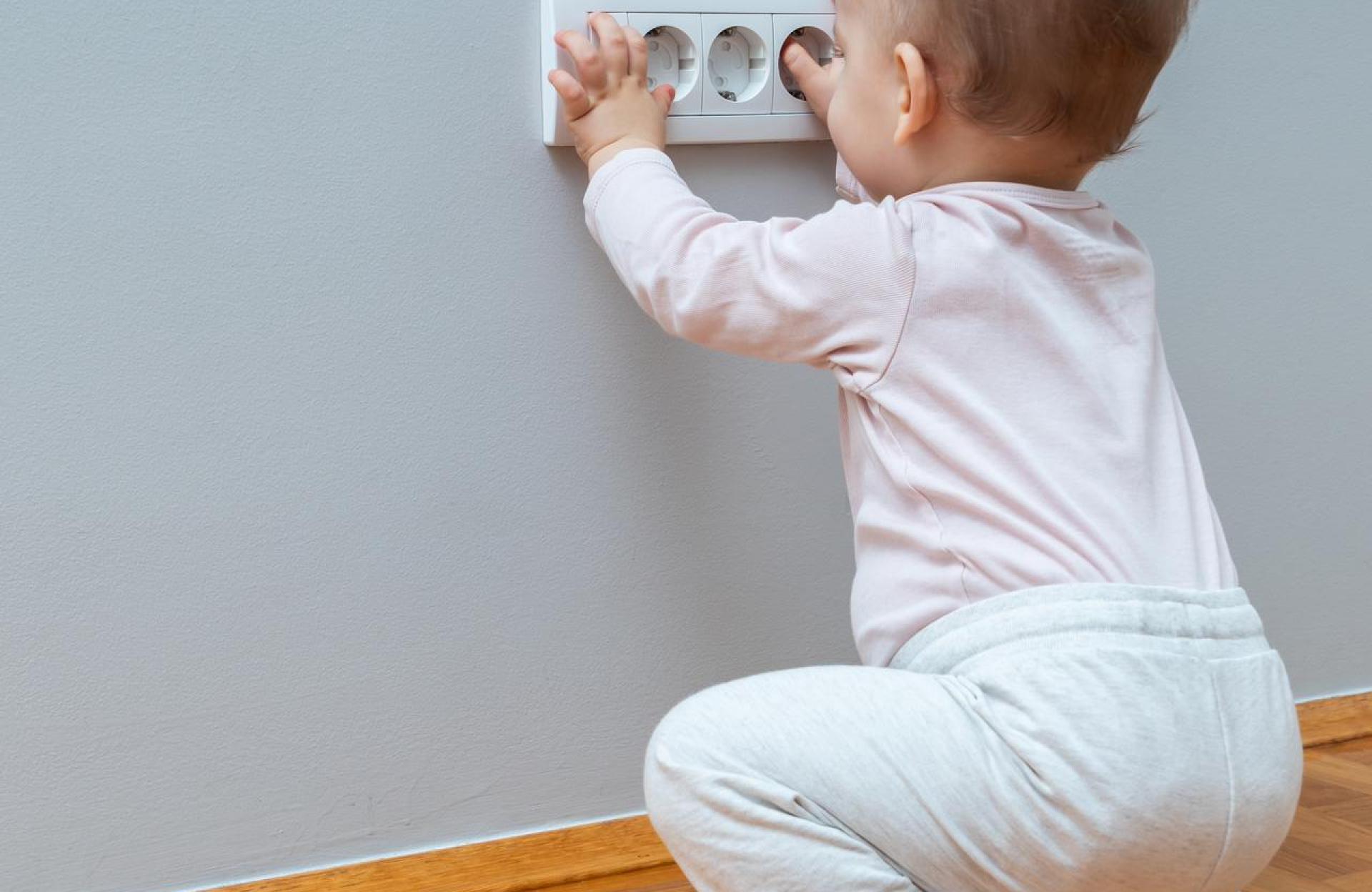

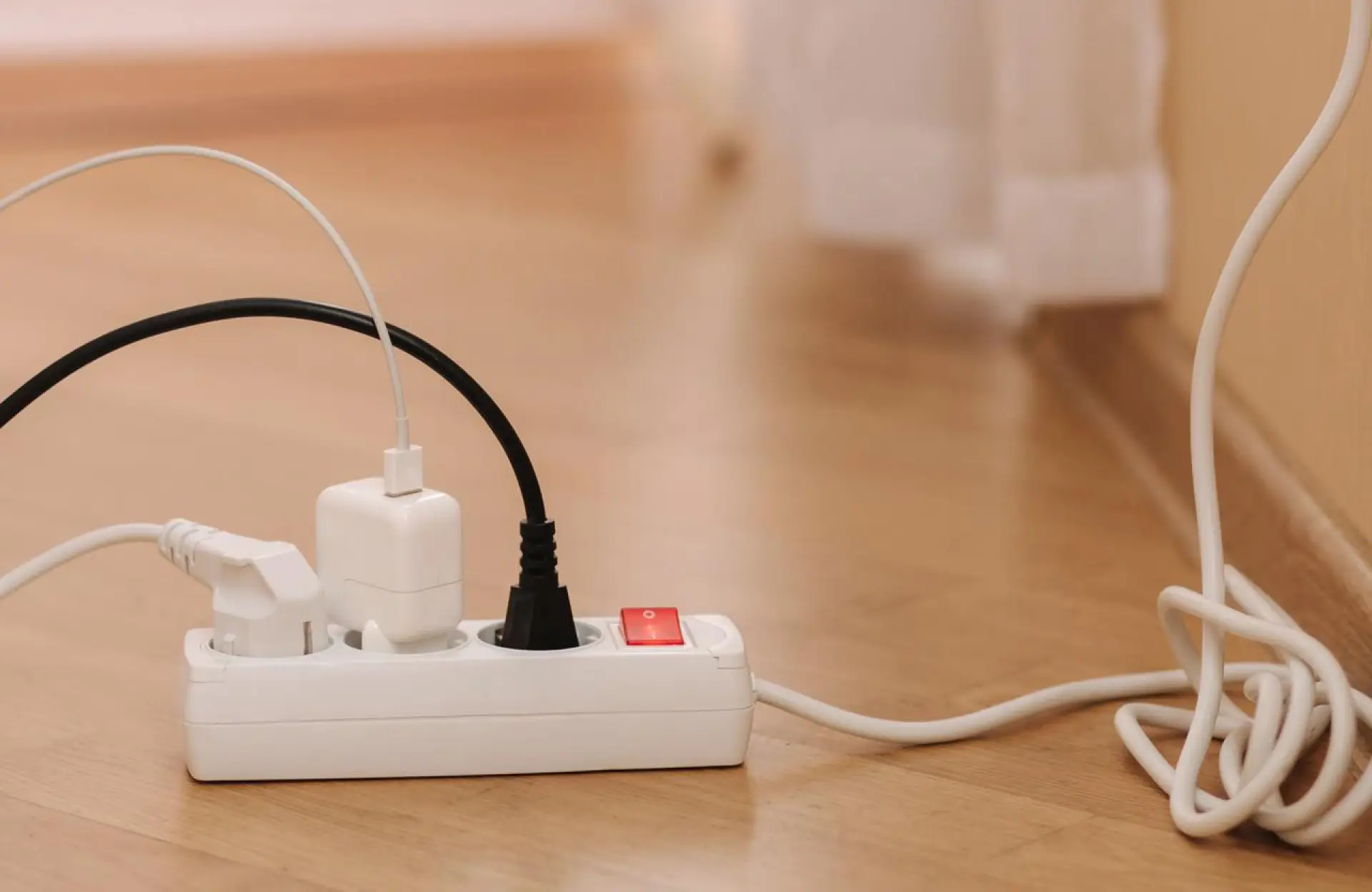
Power surges come from storms and utility switching, but many start inside the home when motors and compressors cycle on and off. The best surge protection Toronto homeowners can rely on is layered: whole-home surge protection at the electrical panel plus surge-protected power bars for sensitive electronics. Panel-mounted surge protection should be installed by a licensed electrician so it is properly grounded and meets the Ontario Electrical Safety Code.
Power Surges: Why Should You Care?
If you’ve never had a costly appliance fail, power surges might not be on your radar. A television that won’t turn back on following a storm, a garage door opener that suddenly goes dead, or the need to replace your furnace control board are all possible signs that point to electrical surges. These aren’t always sudden or easy to pin down, and they don’t always happen during lightning storms.
Whether you live in Toronto or another community in the GTA, your home has electronics. Modern furnaces, air conditioners, appliances, and chargers have circuit boards and electronics that can be sensitive to power fluctuations and electrical spikes. Surge protection is quickly becoming a routine part of upgrades for homeowners who are making renovations, investing in new appliances, or adding EV charging.
Read on to learn about power surges, how surge protection works, your options for homes in Ontario, and how to choose the surge protection Toronto homeowners can rely on for the right coverage.
What Are Power Surges?
Surges are increases in voltage that flow through your home’s wiring. Everything in your home is designed to operate at one voltage level, but power surges push higher amounts through for short periods. These spikes can damage electronics, shorten the life of appliances, or cause instant breakdown.
Some surges are massive and easy to identify, like those that might occur during a lightning storm. Others are small and happen regularly. These tiny jumps might not damage electronics right away, but they can add up.
If you experience any of these issues, power quality may be something to investigate:
- Electronic devices failing prematurely
- Electronic devices randomly restarting
- Lights dim when high-load appliances kick on
- Breakers tripping when you don’t have an overload
While multiple problems can cause these situations, surge protection is one piece of the puzzle.
Sources of Power Surges for Ontario Homes
Surges can originate from outside your home or from appliances and electronics inside your home. By understanding where surges come from, you can plan your surge protection strategy.
External Sources
Some sources of external power surges include:
- Utility switching events on your power grid
- Lightning strikes that affect power lines near your home
- Downed power lines or power being restored following an outage
- Neighbouring industrial activities that create power fluctuations
If you live in a busy city like Toronto, your power quality can vary more during major storms or grid maintenance.
Internal Sources
Believe it or not, most power surges start inside your home. Common sources of internal power surges include:
- HVAC equipment turning on and off
- Your fridge or freezer (compressors can create surges on startup)
- Dishwashers and washing machines (motors and control boards draw spikes)
- Induction stoves and other kitchen appliances
- Electric vehicle chargers and high-demand home charger set-ups
Internal surges might not be as dramatic as lightning, but they can damage electronics over time.
How Does Surge Protection Work?
Don’t worry, we aren’t getting too technical. Basically, surge protection prevents excess voltage from flowing onto your appliances and electronics. If there is a spike in power, the surge protection device diverts it or absorbs it so that it doesn’t travel into the rest of your home.
Remember: surge protection doesn’t “turn off” your electricity flow but rather mitigates spikes.
You can think of surge protection as layers:
- Point-of-use protection like power bars with surge protection
- Home-wide protection installed at your electrical panel
Having both can offer increased coverage and is often recommended for homeowners with high-cost equipment, home offices, or renovations.
Point-of-Use Surge Protectors: Power Bars and Plug-In Devices
Plug-in power bars with surge protection are great for keeping sets of electronics safe. You might already use them for your:
- TV entertainment center
- Computer equipment
- Modem, router, and smart home accessories
- Gaming consoles
Surge protectors that you plug into the wall are a great first step for electronics. Like anything else, there are some mistakes you should avoid with power bars.
Tips for using power bars:
- Don’t overload power bars with multiple high-use appliances
- Don’t plug one power bar into another
- Keep power bars in plain view, not under a rug or behind furniture
- Avoid older power bars that don’t have obvious safety features
Bonus: surge protectors lose their juice over time. If the light is off on your power bar, it may not provide surge protection even if it still works. See how whole-home surge protection compares to power bars.
Adding extra outlets is always an option if you find yourself relying heavily on power bars. Talk to a licensed electrician Toronto homeowners trust about adding more receptacles or upgrading circuits to spread out your load.
Whole Home Surge Protection: Service Panel Installed
Home-wide surge protection is installed at your main service panel and can help protect your home’s circuits. This includes equipment that is hardwired into your home that you can’t protect with a power bar.
Whole-home surge protection is a good idea for homeowners who want extra protection for:
- Kitchen appliances
- HVAC equipment
- Washer and dryer circuits
- Built-in microwaves and wall ovens
- Garage door openers and outside plugs
Why Whole Home Surge Protection Matters
As mentioned earlier, today’s homes have more electronics and components than ever. Many modern appliances use internal computer boards that can be expensive to replace. Even appliances that seem simple often have electronic controls that are susceptible to damage from surges. Think about whole home surge protection in Toronto if:
- You have expensive appliances
- You work from home and rely on technology
- Your home experiences regular outages or power spikes
- You are getting an EV charger or upgrading your panel
Many homeowners looking to upgrade their electrical panels in North York also decide to add surge protection. Since the panel is already opened, it can be installed quickly and done in a code-compliant manner.
Does Surge Protection Matter When Upgrading?
Your electrical upgrade plan should include surge protection, but it’s important to have it installed properly to Ontario Electrical Safety Code standards. When installed in your service panel, whole-home surge protectors tie into your electrical system. This creates a relationship with your home’s grounding system that is essential for safety and performance.
Professional installation provides you with:
- Correct surge protection for your panel brand
- Code-compliant installation practices
- Proper grounding for safety and performance
- Peace of mind knowing that it was installed safely with your existing breakers
Thinking about renovating? Speak with your Master Electrician to see if surge protection should be tied into your overall upgrades. Whether you’re upgrading breakers, your panel, or adding new circuits, surge protection can be integrated into your solution.
Surge Protectors and Electric Vehicle Charging
Electric vehicles are growing in popularity across Toronto and the GTA. Whether you lease or purchase, many people choose to install a Level 2 charger in their home. Level 2 charging requires dedicated circuits and often includes a panel evaluation.
Consider talking to your electrician about surge protection because:
- You may upgrade your electrical panel
- You don’t want your EV charger damaged by a power surge
- Your total home load may increase with EV charging
Including surge protection as part of your electric car charging plan helps ensure your home is prepared, and having it installed by a licensed electrician keeps the work compliant with the Ontario Electrical Safety Code.
When Surge Protection Is Part of a Bigger Problem
Power surges can cause problems in your home but aren’t always the root of electrical problems. Bad wiring, panel issues, or undersized circuits can also create power quality concerns in your home.
Consider having your home inspected if you experience:
- Frequent breaker trips
- A burning smell near outlets or your electrical panel
- Warm outlets or receptacles
- Flickering lights in your home
- Buzzing sounds from outlets or light switches
In these cases, surge protection is only treating symptoms. Electrical issues require a professional inspection.
How to Choose Surge Protection in Toronto for Your Home
You don’t have to choose between point-of-use or whole-home protection. A combination of both gives you a solid surge protection plan.
Ideally, your home should have:
- Whole-home surge protection for incoming power
- Power bars for sets of electronics (i.e. home office)
- Updated circuits that can handle your electrical load
Not sure where to start? Your Toronto electrician can inspect your panel, grounding system, and usage to recommend a plan.
Upgrade Your Home’s Electrical Safety with Surge Protection
Professional surge protection from your local electrician is one of the easiest ways to protect your home. Installing surge protectors reduces the risk of sudden breakdowns and can extend the life of your electronics.
Phaze-In Electric Ltd. is a licensed, ESA-certified electrical contractor serving North York, Toronto, and the Greater Toronto Area. Led by Master Electrician Andrew Spano, we provide residential and commercial electrical services, including panel upgrades, EV charger installations, lighting design, and code-compliant commercial electrical work.
Homeowners looking to add surge protection can contact us today to schedule a free in-home assessment. We’ll visit your home and help you choose a code-compliant solution that you can feel good about for years to come.
Frequently Asked Questions
1. What causes power surges in Toronto homes?
Power surges come from external sources such as lightning, utility switching, and power being restored after an outage, as well as internal sources like HVAC systems, refrigerators, washing machines, and EV chargers cycling on and off. Many surges start inside the home.
2. What is the difference between a surge-protected power bar and whole-home surge protection?
A surge-protected power bar protects only the devices plugged into it. Whole-home surge protection is installed at your electrical panel and helps protect every circuit, including hardwired equipment like HVAC systems, built-in ovens, and garage door openers that a power bar cannot cover.
3. Do I still need power bars if I have whole-home surge protection?
Yes. A layered approach works best. Whole-home surge protection handles surges entering through the panel, while surge-protected power bars add a second layer for sensitive electronics such as computers, TVs, and networking equipment.
4. Should a licensed electrician install whole-home surge protection?
Yes. Whole-home surge protectors connect directly to your panel and depend on proper grounding to work. A licensed electrician ensures the device matches your panel, is grounded correctly, and is installed to Ontario Electrical Safety Code standards.
5. Is surge protection worth adding when installing an EV charger?
It often is. EV chargers contain sensitive electronics and are an expensive piece of equipment. Since a Level 2 charger installation usually involves a panel evaluation, it is an efficient time to add whole-home surge protection.
Key Takeaways
- Power surges come from both outside and inside the home, and many originate from everyday appliances.
- Small, repeated surges can shorten the life of electronics and appliances even without an obvious failure.
- The strongest plan combines whole-home surge protection at the panel with surge-protected power bars for electronics.
- Whole-home surge protection should be installed by a licensed electrician to ensure proper grounding and code compliance.
- Panel upgrades and EV charger installations are ideal times to add whole-home surge protection.