
A power bar and a whole-home surge protector both carry the word “surge” on their packaging, but they operate at fundamentally different levels of the electrical system and provide dramatically different levels of protection. A whole-home surge protector covers every circuit and every hardwired appliance in the building. A power bar covers only the devices plugged directly into it. For any GTA home or commercial property, both have a role, but they are not interchangeable.
What Is the Actual Difference Between a Power Bar and a Whole-Home Surge Protector?
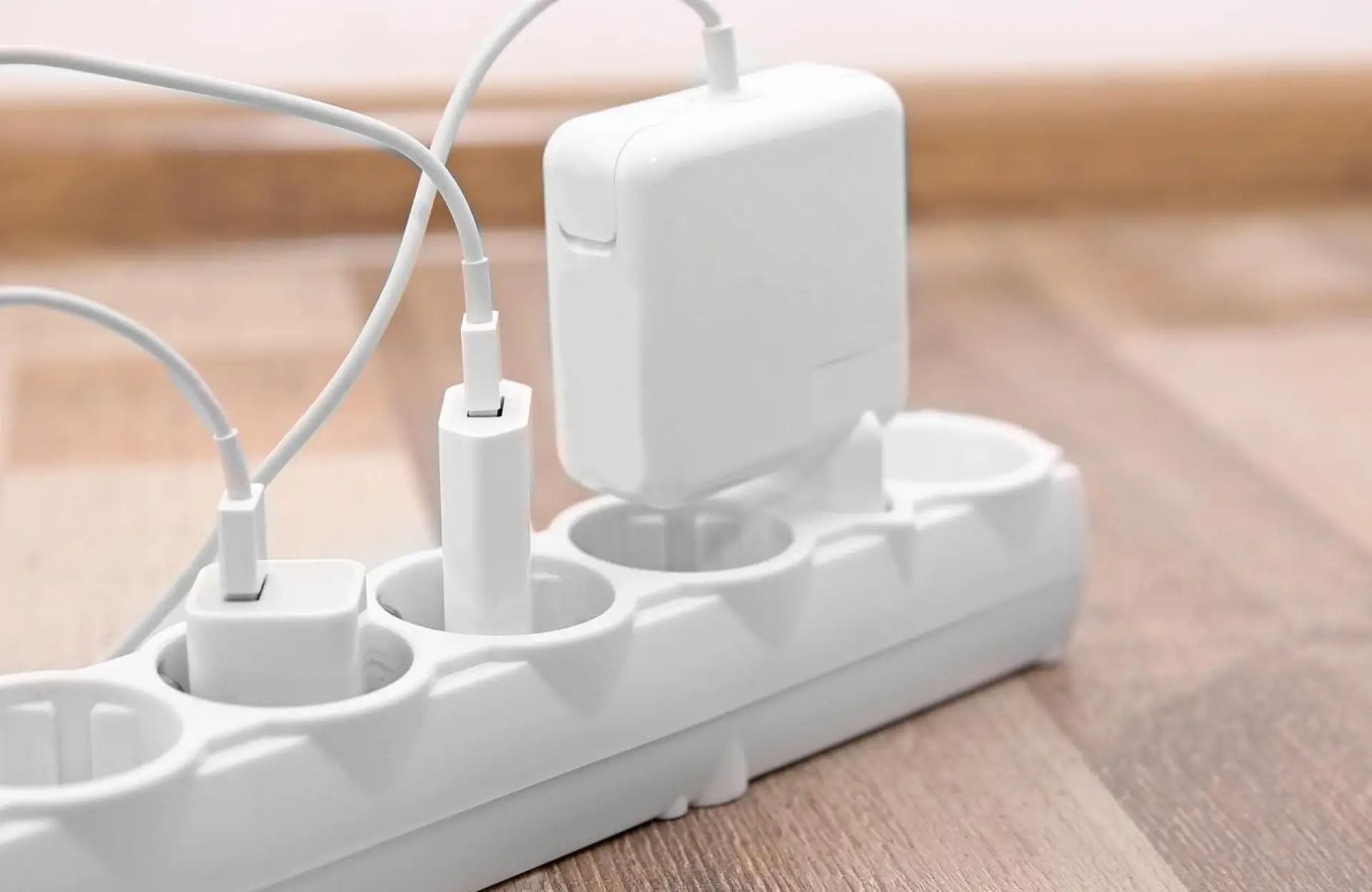
A power bar is a multi-outlet strip that may or may not include surge protection circuitry. Many power bars sold in Canadian retail stores are simple outlet extenders with no surge protection whatsoever, despite appearing similar to units that do include it. The presence of a surge protection rating, measured in joules, on the packaging is the only reliable indicator that a power bar contains the metal oxide varistors (MOVs) required to intercept a voltage spike.
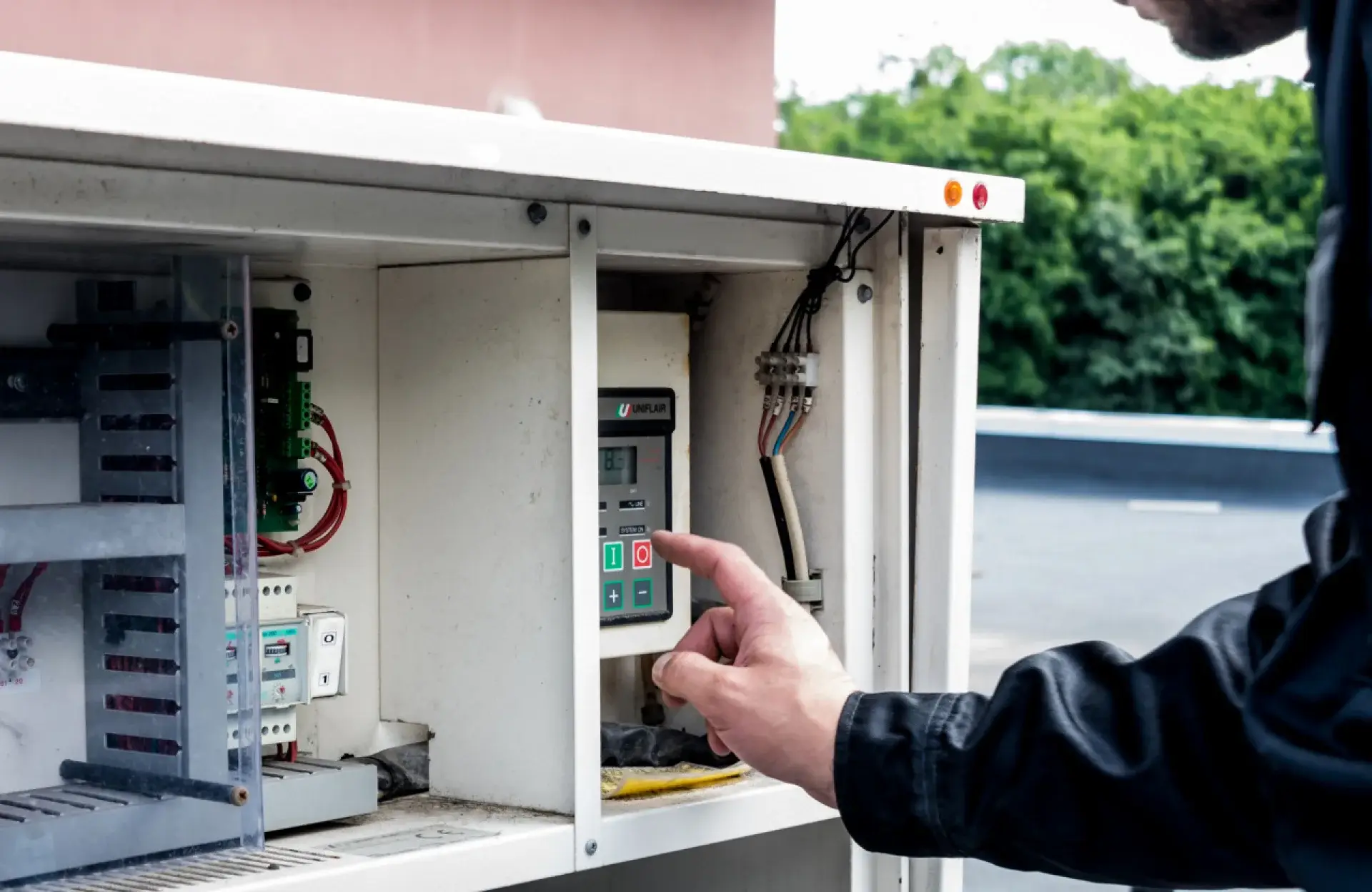
A whole-home surge protector is a dedicated electrical device installed at or adjacent to the main electrical panel by a licensed electrician. It is classified as a Type 1 or Type 2 surge protective device (SPD) under Canadian Standards Association (CSA) standards and operates at the point where all building circuits originate. It monitors the incoming supply voltage continuously and intercepts any spike above the rated clamping threshold before it can travel to any circuit in the building.
The fundamental operational difference is location in the electrical system. A power bar sits at the end of the circuit, after the voltage spike has already travelled the full length of the building wiring. A whole-home surge protector sits at the beginning of the circuit, intercepting the spike before it enters the building wiring at all.
How Do Whole-Home Surge Protectors and Power Bars Compare Across Every Key Factor?
The differences between these two protection types are meaningful across every dimension that affects real-world protection for a GTA home or commercial property. The comparison below covers the factors that matter most for homeowners evaluating which option or combination is appropriate for their property.
|
Factor |
Whole-Home Protector |
Power Bar Surge Protector |
|
Installation point |
Main electrical panel |
Individual outlet |
|
Coverage |
Every outlet and circuit in the building |
Devices plugged into it only |
|
Hardwired appliance coverage |
Yes (HVAC, EV charger, stove, etc.) |
No: cannot reach hardwired loads |
|
Joule rating (typical) |
1,000 to 3,000+ joules |
200 to 800 joules |
|
Response time |
1 nanosecond or less |
1 to 25 nanoseconds (varies) |
|
Degradation visibility |
Status indicator light standard |
Often no indicator; silent failure |
|
Installation requirement |
Licensed electrician + ESA permit |
Plug-in, no installation |
|
Service life |
Longer: higher joule capacity |
Shorter: depletes with each surge |
|
Cost |
Moderate one-time cost |
Lower upfront, recurring replacement |
Why Do Power Bars Fail to Protect Hardwired Appliances in GTA Homes?
The most significant limitation of a power bar in any GTA home is its complete inability to protect hardwired appliances. A hardwired appliance is any electrical system that connects directly to the building wiring rather than through a plug and outlet. In a typical GTA home, hardwired systems include the central air conditioner, the furnace and heating system, the electric range, the built-in dishwasher, the hot tub or pool equipment, and the EV charger if one has been installed.
These systems represent the highest-value electrical equipment in most homes and, in many cases, the systems with the most surge-sensitive digital control components. A central air conditioner’s variable frequency drive and electronic control board, a modern furnace’s digital ignition and control system, and an EV charger’s onboard communication electronics are all directly exposed to every surge that enters the building wiring, with no power bar in the circuit path to intercept it.
A whole-home surge protector at the panel is the only device that protects these systems because it operates upstream of all circuit wiring, before any current reaches the branch circuits that supply hardwired equipment.
If a hardwired appliance has failed unexpectedly in your GTA home, a professional assessment of surge damage to the circuit and panel can determine whether a voltage event was the cause.
What Happens When a Power Bar Surge Protector Is Fully Depleted?
A power bar surge protector becomes fully depleted when its MOV components have absorbed a cumulative surge energy equal to their total joule rating. Once depleted, the device continues to function as a power bar, supplying power to connected devices and showing no obvious sign of failure. The only change is that the surge protection circuitry no longer responds to voltage spikes.
This silent failure mode is one of the most significant practical risks of relying on power bars as the primary surge protection strategy for a GTA home. A homeowner may believe their electronics are protected by a bar that was installed three years ago, while in reality the protection capacity was exhausted after a particularly active thunderstorm season and the connected devices have been unprotected ever since.
Quality surge-protecting power bars include a status indicator light that changes state when protection is no longer active. Many lower-cost units do not include this feature. A bar without an indicator and without a known installation date should be treated as potentially depleted and replaced as a precaution.
What Does a Power Bar Surge Protector Not Cover in a GTA Home?
Beyond the hardwired appliance gap, a power bar surge protector leaves several additional categories of circuits and equipment unprotected in a typical GTA home. Each of these represents a real financial exposure in any surge event.
- Every outlet is not served by a strip. A power bar protects only the devices connected to it. Every other outlet in the home, in bedrooms, hallways, bathrooms, the kitchen, and the garage, is completely unprotected unless an individual bar is plugged into each one. This is neither practical nor sufficient as a whole-home strategy.
- Dedicated circuits. Circuits for electric dryers, HVAC systems, hot tubs, pool pumps, and EV chargers each have their own dedicated breaker and wiring run. A surge on the utility line reaches these circuits directly without passing through any outlet where a power bar could intercept it.
- Surge events while the bar is unplugged. Power bars are frequently unplugged for cleaning, travel, or furniture rearrangement. During that window, even the limited protection they offer is completely absent. A whole-home device is permanently installed and requires no user action to remain in service.
Phaze-In Electric installs whole-home surge protectors as part of its full residential wiring services for GTA homeowners, covering every circuit from installation day forward.
When Is a Power Bar the Right Choice and When Is It Not Enough?
Power bars with surge protection are a reasonable secondary layer for individual high-value electronics that are already covered by a whole-home device. Using a quality surge-rated power bar on a computer workstation, a home theatre system, or a gaming setup, in a home that also has a whole-home device at the panel, creates a two-layer protection system that covers both major and minor surge events at the device level.
A power bar is not sufficient as the only surge protection measure for any GTA home. The hardwired appliance gap, the limited joule capacity, the silent depletion failure mode, and the inability to cover circuits without bars all mean that relying on power bars alone leaves the majority of a home’s electrical systems without any surge protection.
For GTA homeowners evaluating their current protection level, the correct question is not whether to use a whole-home protector or a power bar, but whether a whole-home device is in place at the panel. Once it is, quality power bars at specific high-value devices provide a worthwhile secondary layer without creating any false impression that the home’s full electrical system is covered.
If your panel does not have capacity to accommodate a whole-home surge protector, a panel upgrade assessment confirms whether additional capacity is needed before installation.
How Should GTA Homeowners Use Both Layers Together?
The most effective surge protection strategy for any GTA home or commercial property combines a whole-home surge protector at the main electrical panel with quality surge-rated power bars at the specific locations where the highest-value or most sensitive individual electronics are used. This layered approach addresses surge events at two distinct points in the electrical system for maximum coverage.
The whole-home device handles all surge events that enter through the service entrance, including lightning-induced spikes, utility switching events, and any surge from the external grid. This layer protects hardwired appliances, dedicated circuits, and every outlet in the building simultaneously.
The power bars at individual device locations provide a second clamping stage for any residual surge energy that passes through the whole-home device at a reduced voltage. This secondary stage is particularly valuable for computers, network hardware, and home theatre systems, which contain the most sensitive circuit boards in a typical household.
For homes with an EV charger, the whole-home device at the panel also protects the EV charger panel circuit, which no power bar can reach.
Whole-Home vs Power Bar: Making the Right Choice for Your GTA Property
The distinction between a whole-home surge protector and a power bar is not a matter of preference or budget. It is a matter of what the electrical system in a GTA home actually contains and which systems are genuinely protected against the voltage spikes that occur on the GTA grid on a regular basis. A power bar does a specific job at a specific location. A whole-home device does a different and larger job at the point where all electrical protection decisions begin.
Phaze-In Electric Ltd., led by master electrician Andrew Spano with ESA licensure and over 15 years of residential and commercial trade experience, installs whole-home surge protectors for homeowners and commercial clients across Toronto, North York, Etobicoke, Vaughan, Markham, Richmond Hill, Stouffville, Mississauga, and Oakville. Every installation follows the Ontario Electrical Safety Code and is completed by a fully licensed, ESA-registered contractor.
Browse common questions about surge protection options across the GTA, or contact Phaze-In Electric to arrange a whole-home surge protection installation.
Frequently Asked Questions
1. Is a power bar the same as a surge protector?
No. A power bar is a multi-outlet extension that may or may not include surge protection circuitry. Many power bars sold in Canadian stores are simple outlet extenders with no surge protection at all. A surge protector, whether a plug-in strip or a whole-home panel device, contains metal oxide varistors that intercept voltage spikes and redirect excess energy to ground. The joule rating on the packaging is the clearest indicator that a power bar includes actual surge protection circuitry.
2. Can a power bar protect my central air conditioner or EV charger from a surge?
No. A power bar cannot protect any hardwired appliance, including central air conditioners, EV chargers, electric ranges, dishwashers, and heating systems, because these systems connect directly to the building wiring and are never plugged into an outlet where a power bar could intercept the circuit. A whole-home surge protector installed at the main electrical panel is the only device that protects hardwired appliances from surge events.
3. How do I know if my power bar surge protector is still working?
Quality surge-rated power bars include a status indicator light that confirms the surge protection circuitry is active. If this indicator is off while the bar is powered, the MOV components have been depleted and the device no longer provides surge protection, though it continues to supply power normally. Power bars without an indicator light cannot be assessed visually and should be replaced on a schedule based on their joule rating and the known surge frequency at the property.
4. Do I still need power bars if I install a whole-home surge protector?
A whole-home surge protector covers every circuit in the building and is sufficient as the primary surge protection measure. Quality surge-rated power bars at high-value individual electronics such as computers, home theatre systems, and network hardware provide a worthwhile secondary clamping layer for residual surge energy that passes through the whole-home device at a reduced voltage. The two options work together as complementary layers, not as alternatives requiring a choice between them.
5. What joule rating should a whole-home surge protector have for a GTA home?
A whole-home surge protector for a GTA residential property should have a minimum joule rating of 1,000 joules, with higher-rated devices providing longer service life in environments with frequent surge exposure from thunderstorms and utility switching events. Devices rated at 2,000 joules or higher are appropriate for GTA homes with older panels, large numbers of connected electronics, or properties in areas with overhead utility distribution lines that increase direct lightning exposure.
6. How long does a whole-home surge protector installation take by Phaze-In Electric?
A whole-home surge protector installation by Phaze-In Electric Ltd. typically takes one to two hours when the main electrical panel is compatible, in good condition, and has available breaker capacity. The electrician completes a panel assessment, selects the correct device, installs and connects it to the panel bus bars, confirms the grounding path, and tests the status indicator before completing the visit. A firm timeline and quote are provided before any work begins.
Ready to Install Whole-Home Surge Protection in Your GTA Home?
Phaze-In Electric Ltd. serves residential and commercial clients across Toronto, North York, Etobicoke, Vaughan, Markham, Richmond Hill, Stouffville, Mississauga, and Oakville. Visit contact and booking to schedule your installation.
Key Takeaways
- A whole-home surge protector and a power bar are not the same device. They operate at different points in the electrical system and provide fundamentally different levels of protection.
- A whole-home surge protector at the main panel covers every outlet, every circuit, and every hardwired appliance in the building. A power bar covers only the devices plugged directly into it.
- Power bars cannot protect central air conditioners, EV chargers, electric ranges, heating systems, or any other hardwired appliance under any circumstances.
- Power bar MOV components deplete silently over time. A bar without a protection status indicator may be supplying power with no surge protection active, with no visible sign of failure.
- The correct strategy for a GTA home is a whole-home device at the panel as the primary layer, with quality surge-rated power bars at high-value individual electronics as a secondary layer.
- Phaze-In Electric Ltd. is a fully licensed, ESA-registered contractor installing whole-home surge protection systems for residential and commercial clients across the Greater Toronto Area.