
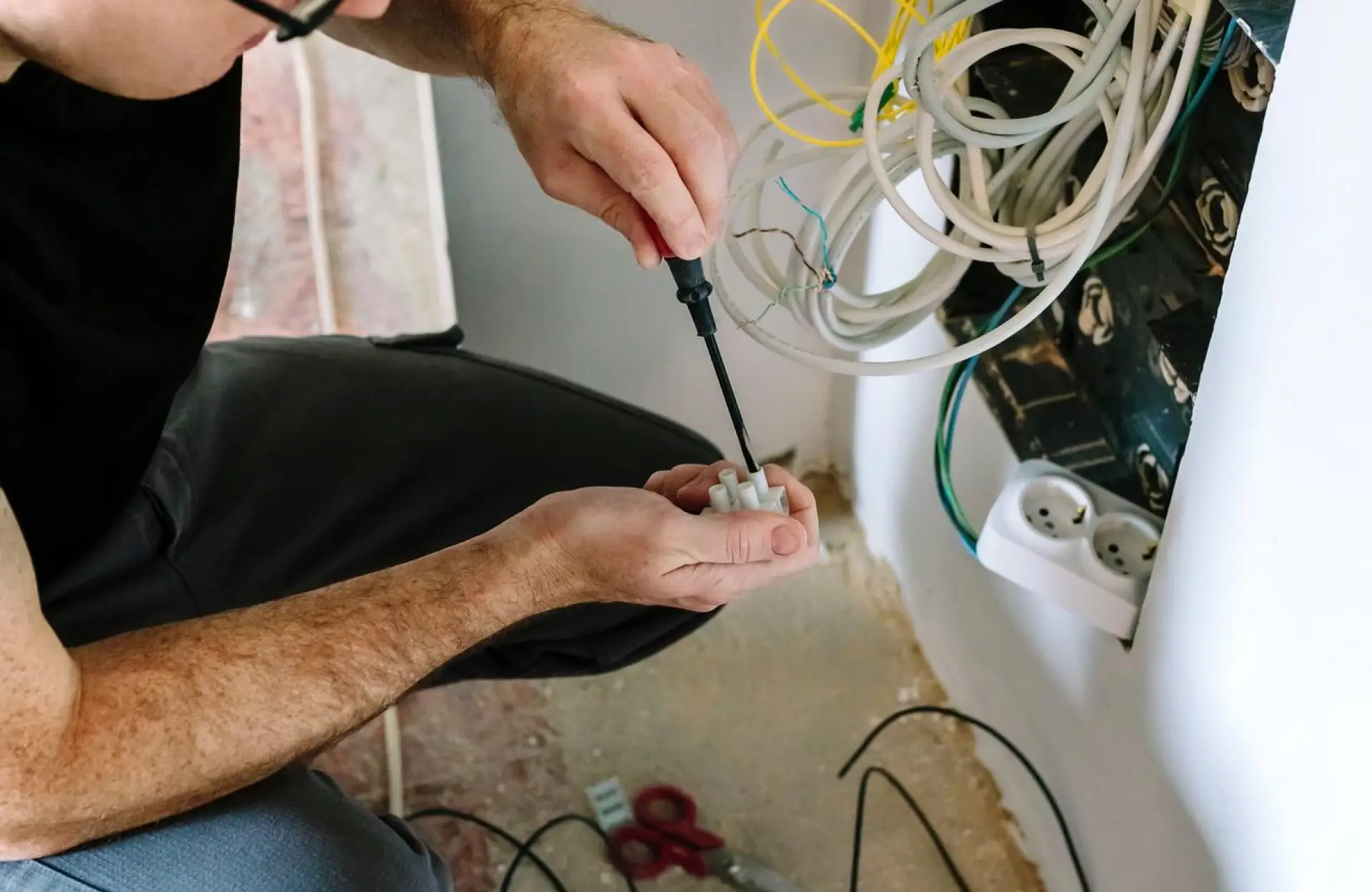
Knob-and-tube wiring, common in homes built from the late 1800s to mid-1900s, lacks a ground wire and wasn’t designed for today’s electrical demand. It isn’t automatically illegal or unsafe if undisturbed and in good condition, but it often creates issues with home insurance, resale, and modern electrical loads. A knob and tube upgrade typically requires a licensed electrician and an ESA permit.
Is Knob-and-Tube Wiring Dangerous?
Knob-and-tube wiring may be common in Toronto and GTA homes, but it isn’t always something homeowners think about. Often found in homes that have been renovated and updated over the years, knob-and-tube wiring is rarely upgraded or replaced on its own. You may find out you have knob-and-tube wiring during a home renovation project, inspection, or even when applying for home insurance.
Knob-and-tube wiring has the potential to be dangerous since it wasn’t built to today’s electrical standards and requirements. When installed correctly, knob-and-tube wiring may have been safe at one time, but it can’t support today’s electrical needs and doesn’t meet current Ontario Electrical Safety Code standards.
This guide covers what knob-and-tube wiring is, why you might want a knob and tube upgrade, how to plan for, schedule, and complete knob-and-tube wiring upgrades in your home, and why it’s important to work with a licensed electrician for electrical safety.
What Is Knob-and-Tube Wiring?
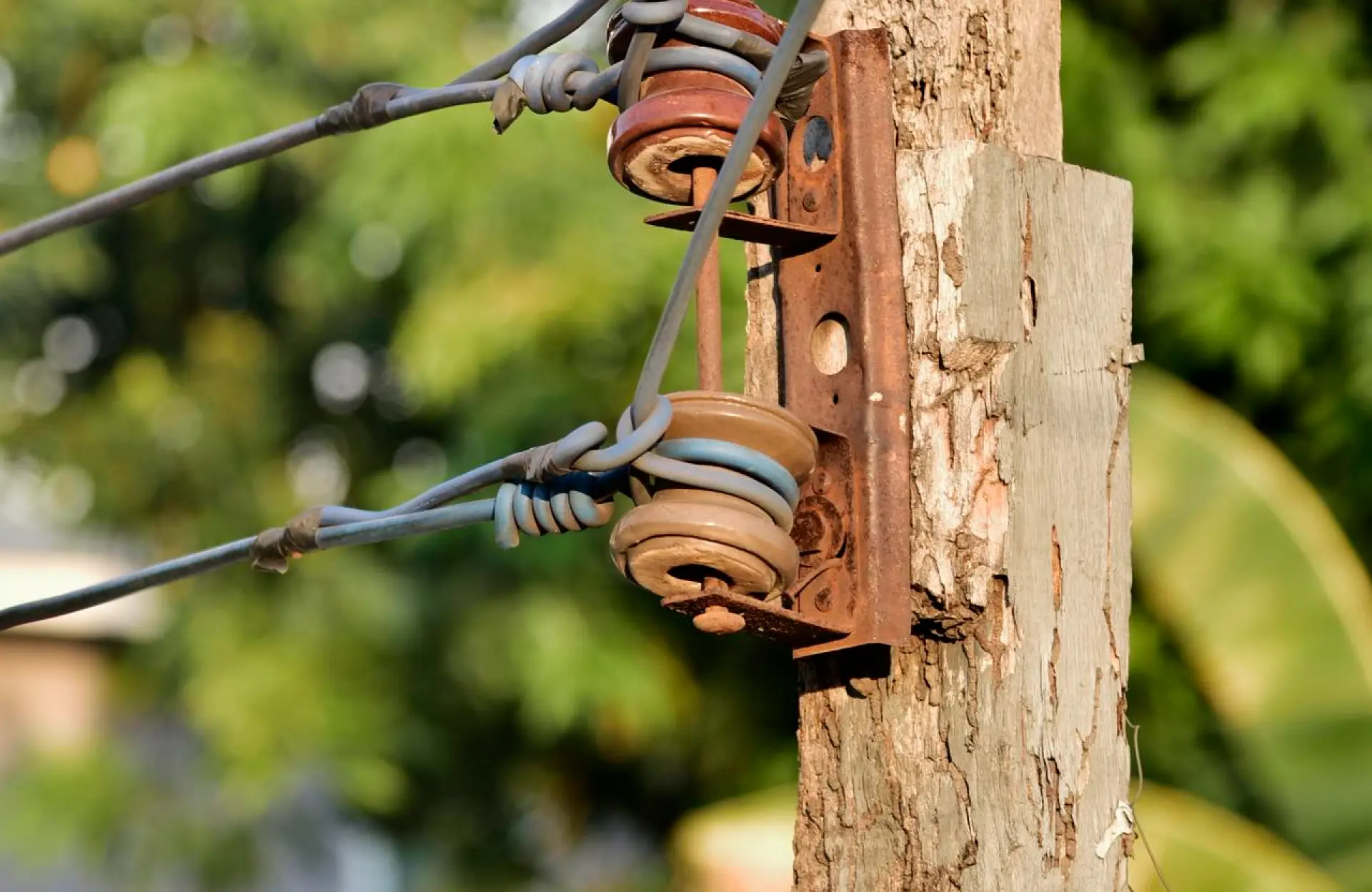
Knob-and-tube wiring was an electrical wiring process used throughout North America in homes built from the late 1800s to mid-1900s. With knob-and-tube wiring, insulated hot and neutral conductors run separately through walls and ceilings, rather than using modern-day wiring that combines both into a single Romex cable. Ceramic knobs are used to support and attach conductors to framing members, while ceramic tubes are used to protect wiring where it passes through framing members.
Some characteristics of knob-and-tube wiring include a two-conductor system with no ground wire, hot and neutral wires spaced apart to allow heat dissipation, older insulation materials that can become brittle over time, and systems that were not designed to have multiple electrical appliances on one circuit.
Today, knob-and-tube wiring can create limitations on your electrical system, may not meet code requirements, and potentially poses a fire hazard to your Toronto home.
Knob-and-Tube Wiring in Ontario: Is It Legal?
It’s understandable that you may wonder if knob-and-tube wiring is even legal to have in your Ontario home. If your knob-and-tube wiring has not been disturbed or modified and is in good condition, it may still be acceptable by code. But many times issues can arise if homeowners try to tie into knob-and-tube wiring, add insulation to the home, or improperly modify the existing wiring system.
Common electrical issues that arise with knob-and-tube wiring include alterations from renovations without permits, connections to new wiring, insulation installed in the home, brittle insulation around conductors, and insufficient circuits for modern electrical demands.
Knob-and-tube wiring doesn’t always need to be replaced, but upgrading your electrical wiring can provide peace of mind that your electrical system is safe and up to code.
Potential Risks With Knob-and-Tube Wiring
While knob-and-tube wiring may still function, there are several ways that outdated wiring can create risk and limit your electrical usage in the home.
No ground wire. Knob-and-tube wiring does not include a ground wire. Modern-day electrical wiring includes grounding for additional protection to people and electrical devices should a fault occur on the circuit. Without a ground wire, electrical systems can put your home at risk for electric shock, insufficient protection from power surges for electronics, and limitations on the type of electrical receptacles and outlets you can install.
Brittle insulation. As insulation ages, it can become brittle or cracked, creating a risk of exposed wires. Additionally, knob-and-tube wiring has no outer protective sheath, only the insulation on each individual conductor. This can sometimes allow for arcing to occur. Signs of brittle insulation include lights flickering, hot switches or receptacles, a smell of burning near electrical panels, switches, or outlets, and crackling noises coming from walls or ceilings.
Unsafe DIY electrical work. Knob-and-tube wiring itself can be safe if it was installed correctly, but many homeowners run into issues when there has been disturbing or modifying of the wiring system over time. Wanting to save money on electrical projects, many homeowners attempt DIY electrical projects that can create hazards. Knob-and-tube wiring can have unsafe electrical connections where it meets newer wiring or, worse, be hidden behind walls with no documentation of changes.
Limited circuits. In older homes that have knob-and-tube wiring, it’s common to have one circuit feeding lighting, outlets, and multiple rooms. Today, most homes have at least one circuit per room. This can often overload the circuits when using modern appliances, resulting in tripped breakers. If you find yourself using extension cords or power bars frequently to power devices around your home, it might be time for an upgrade.
Knob-and-Tube Wiring and Home Insurance
Knob-and-tube wiring becomes an issue for many homeowners when they go to buy home insurance or renew their policy. Some home insurance companies have strict guidelines about knob-and-tube wiring and may require an inspection, documentation, or even an upgrade of the wiring before providing coverage.
When selling your home, knob-and-tube wiring can cause delays in the home sale or lower buyer confidence. If you know you’ll have knob-and-tube wiring come time to sell your home or plan on upgrading your home’s wiring in the near future, it’s best to handle it sooner rather than waiting for a buyer to ask.
Do You Need a Permit to Upgrade Knob-and-Tube Wiring?
In Ontario, electrical work requires a permit through the Electrical Safety Authority (ESA). Most wiring upgrades will require permits and an ESA inspection to ensure your electrical project is up to code.
Common electrical projects that require permits include replacing wiring, adding new circuits, upgrading electrical panels, and performing electrical work as part of a renovation project.
Hiring a licensed electrician will take the stress out of applying for permits and coordinating inspections. It’s their job to ensure your project is safe and ESA compliant. If you’re unsure where to start, contacting a qualified electrician can help determine what’s causing your electrical concerns.
Knob-and-Tube Upgrade Phases at a Glance
| Phase | Focus |
| 1. Electrical evaluation | Extent of knob-and-tube, panel condition, safety concerns |
| 2. Wiring replacement | Room-by-room or whole-home rewiring |
| 3. Panel upgrades | Additional circuits, balanced load, new panel |
| 4. Inspection and confirmation | ESA inspection confirms code compliance |
Upgrading knob-and-tube wiring usually occurs in phases, depending on what areas of the home need rewiring and accessibility to old wiring.
Phase 1: electrical evaluation. This will let your electrician know how much knob-and-tube wiring is left throughout the home, which circuits are using knob-and-tube wiring, the condition of your electrical panel and capacity, and any safety concerns they find during the evaluation process.
Phase 2: knob-and-tube wiring replacement. Depending on your situation, knob-and-tube wiring can either be replaced room by room, such as during a renovation project, or homeowners can choose to have all of their wiring replaced through full home rewiring. Installing new wiring can provide grounded electrical circuits, updated breaker protection, and new electrical receptacles throughout your home.
Phase 3: electrical panel upgrades. Many times, upgrading knob-and-tube wiring will go hand-in-hand with upgrading your electrical panel. Ontario homes often need additional circuits, balanced load distribution, and new electrical panels to meet electrical demand. Homeowners usually opt to upgrade their electrical panels when doing larger renovations or home upgrades, such as air conditioning, kitchen renovations, or adding EV chargers.
Phase 4: electrical inspection and confirmation. Once an electrical project is complete, your electrician will schedule an ESA inspection. Having your project inspected ensures your new electrical wiring is up to code and safe to use.
How Long Do Knob-and-Tube Wiring Upgrades Take?
The timeline for replacing knob-and-tube wiring depends on several factors, including the size of the home, accessibility to wiring behind walls, attic, and ceilings, how many circuits need replacing, and additional plaster repairs if needed.
Some homeowners opt to complete knob-and-tube upgrades in phases, which can help reduce having electrical disruptions for periods of time. Communicating with your electrician and having a plan can help you decide what works best for your family.
Knob-and-tube wiring replacement is best to coincide with renovations you’re already doing. Since walls and ceilings will likely be open anyway, your electrician can gain access to wiring more easily.
Why You Should Hire a Licensed Electrician
When thinking about upgrading knob-and-tube wiring, it’s important to contact a licensed electrician. Electrical work isn’t a DIY project. By hiring a licensed electrician, you can rest easy knowing that the electrical project meets Ontario electrical code, installed electrical work is up to current safety standards, and an ESA inspection will be completed upon finishing the project.
At Phaze-In Electric Ltd., we are a licensed electrician Toronto homeowners trust, servicing North York and GTA homeowners. Our team is led by Master Electrician Andrew Spano and licensed by the Electrical Safety Authority (ESA), and our projects are completed with safety as our number one priority.
Contact us today to book your electrical consultation.
Knob-and-Tube Wiring Was Once Used Routinely Throughout Ontario Homes
But it isn’t meant to meet the electrical demands of your modern-day equipment. Upgrading your knob-and-tube wiring can improve your home’s safety, help meet home insurance requirements, and provide you with peace of mind knowing your electrical wiring is not a fire hazard.
If you’re unsure if your home has knob-and-tube wiring or want to learn more about your electrical system, contact us today to book a consultation. We can provide you with a next-step plan to meet your electrical needs and keep your home up to code.
Frequently Asked Questions
1. Is knob-and-tube wiring illegal in Ontario?
Knob-and-tube wiring is not automatically illegal. If it hasn’t been disturbed or modified and is in good condition, it may still be acceptable by code. Problems typically arise when homeowners tie into it, add insulation around it, or modify it improperly.
2. Why does knob-and-tube wiring affect home insurance?
Some insurance companies have strict guidelines about knob-and-tube wiring and may require an inspection, documentation, or an upgrade before providing or renewing coverage.
3. Does knob-and-tube wiring need to be replaced all at once?
Not necessarily. Many homeowners replace knob-and-tube wiring in phases, such as room by room during a renovation, rather than rewiring the whole home at once.
4. Do I need a permit to upgrade knob-and-tube wiring?
Yes. Replacing wiring, adding new circuits, and upgrading electrical panels typically require an ESA permit and inspection to confirm the work meets the Ontario Electrical Safety Code.
5. Can knob-and-tube wiring cause a fire?
Knob-and-tube wiring lacks a ground wire and its insulation can become brittle with age, which can allow arcing. Combined with modern electrical loads it wasn’t designed for, this creates a real fire risk, especially where past DIY work or insulation has disturbed the original system.
Key Takeaways
- Knob-and-tube wiring lacks a ground wire and wasn’t designed for today’s electrical demand.
- It isn’t automatically illegal if undisturbed and in good condition, but disturbance, insulation, or DIY modifications often create code and safety issues.
- Home insurance providers frequently require inspection, documentation, or upgrades before offering coverage on homes with knob-and-tube wiring.
- Upgrades typically proceed in four phases: evaluation, wiring replacement, panel upgrades, and ESA inspection.
- Replacing knob-and-tube wiring during a renovation, while walls are already open, is usually the most efficient approach.