
GFCI outlet safety in Toronto homes starts with understanding what Ground Fault Circuit Interrupters (GFCIs) do: these outlets or breakers cut power the instant they detect an imbalance in electrical current, protecting people from shock and fires near water. They’re required by the Ontario Electrical Safety Code in kitchens, bathrooms, garages, basements, and outdoor areas, and only a licensed electrician can confirm they’re installed and wired correctly.
Ontario Homeowners Frequently Ask Why GFCI Protection Is Necessary
It’s not often that the average homeowner thinks about their electrical system until something stops working. You flip a breaker that won’t reset, plug something into a dead outlet, or hire an electrician for a home renovation. Suddenly, electrical safety is on your mind, and one of the most misunderstood devices in your home might become the topic of discussion: Ground Fault Circuit Interrupters (GFCI).
You’ve seen these in your home if you’ve ever spotted outlets with test and reset buttons in your kitchen, bathroom, or garage. While GFCI protection might seem like an upgrade or convenience feature, they’re actually mandatory by law and one of the simplest ways to prevent electrical shock and severe injury.
This guide explains what GFCIs are, how they work, where they’re required by code, and why proper installation by a licensed electrician matters for GFCI outlet safety in Toronto homes and for property managers throughout the Greater Toronto Area.
Understanding GFCIs: What Is a Ground Fault Circuit Interrupter?
A Ground Fault Circuit Interrupter (GFCI) is an outlet that quickly cuts power to a circuit when it senses an imbalance in electrical current. The problem occurs when electricity leaves its intended path and finds a new route to ground, such as through water or your body.
Instead of reacting to overload or short circuits like a standard breaker, a GFCI monitors electricity flow through the hot and neutral wires connected to an outlet. When the device detects current flowing out of balance by as little as a few milliamps, the GFCI trips within milliseconds.
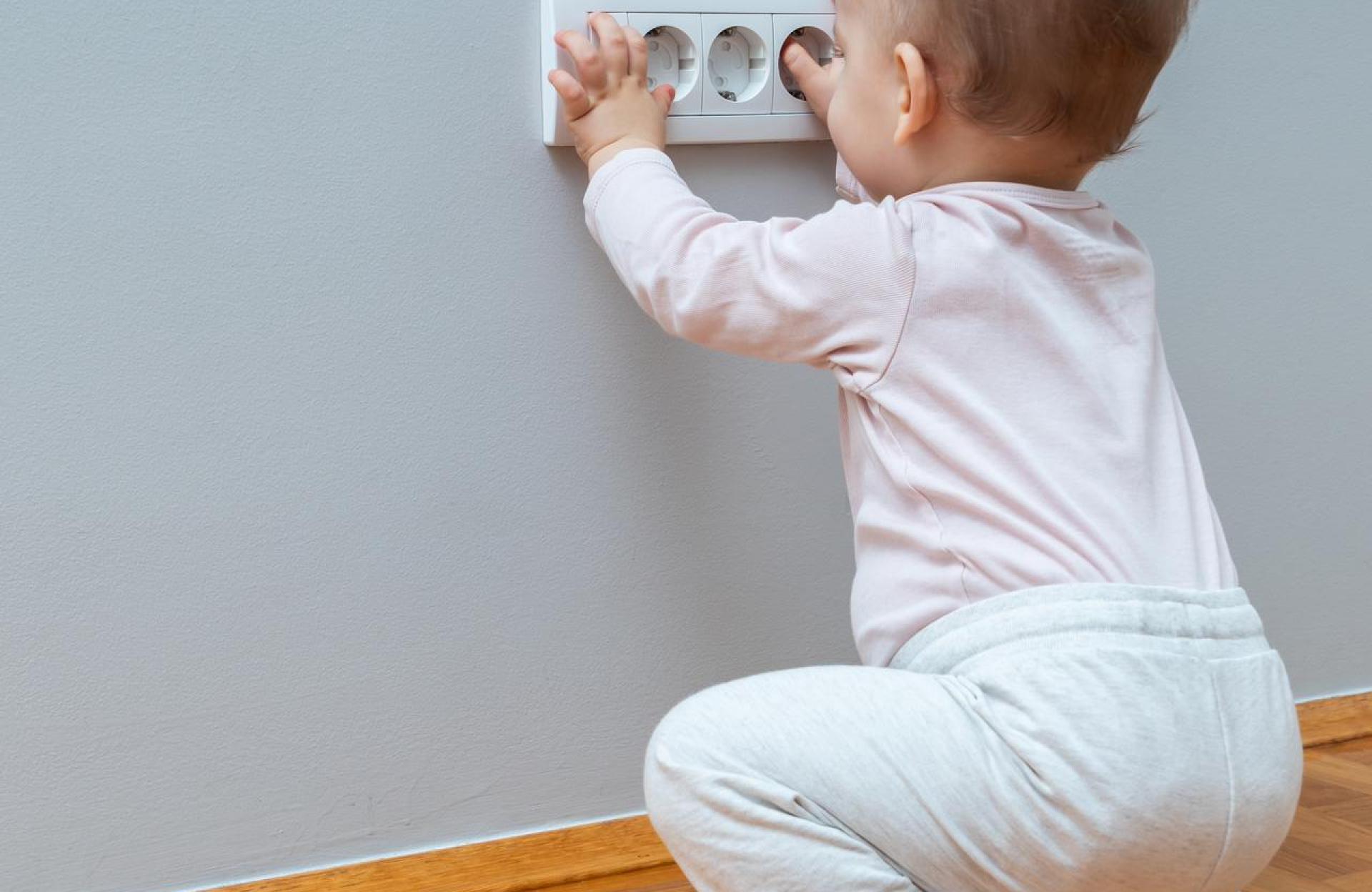
That quick reaction time prevents electrical shock, severe burning, electrocution, and electrical fires started by ground faults. Needless to say, electricity and water don’t mix. Ground Fault Circuit Interrupters add significant protection anywhere moisture is present.
Why Does Ontario Law Require GFCI Protection?
Minimising shock hazards and injury risks is the primary reason GFCIs are required by law. The Ontario Electrical Safety Code specifies where GFCIs must be installed in new construction and many renovations.
Where you will likely find GFCI protection includes bathrooms, kitchens near sinks, laundry rooms, garages, basements, outdoor plugs, and utility rooms.
If your home was built many years ago, it likely predates some of these safety requirements. While grandfathered installations may have been compliant when installed, they can pose a danger to your family. One of the easiest home electrical safety upgrades you can make is updating GFCI protection throughout your home.
Contact us today to verify if your outlets are up to code and identify opportunities for safety upgrades.
Signs Your Home Needs Better GFCI Outlet Safety
Some homeowners believe GFCIs are installed throughout their home when this may not be the case. Even if you do have GFCI outlets installed, they could be wired incorrectly or malfunctioning.
Look for these signs that you might need additional GFCI protection: outlets by sinks lack test and reset buttons, pressing the “test” button doesn’t trip the outlet, your breaker trips frequently for no apparent reason, you still have older 2-prong outlets or ungrounded outlets near water, or DIY electrical work was done without inspections.
Monthly GFCI testing is recommended by ESA, but testing your device doesn’t guarantee it’s up to code. Only a professional inspection can verify the GFCI is installed correctly, properly protected, and appropriate for its circuit.
GFCI Outlets vs. GFCI Breakers
There are two ways to provide GFCI protection for your home: at the outlet or panel level.
| Type | Coverage | Key Advantage |
| GFCI outlet | Itself and any outlet wired downstream on the circuit | Lower cost, easier access to reset |
| GFCI breaker | Entire circuit from the panel | Clean-look outlets, protects hard-to-reach areas |
Both solutions offer advantages, and the right choice depends on your home’s existing electrical setup, panel age, and unique circumstances. A Master Electrician can recommend the safest and most cost-effective solution.
Dangers of DIY GFCI Installation
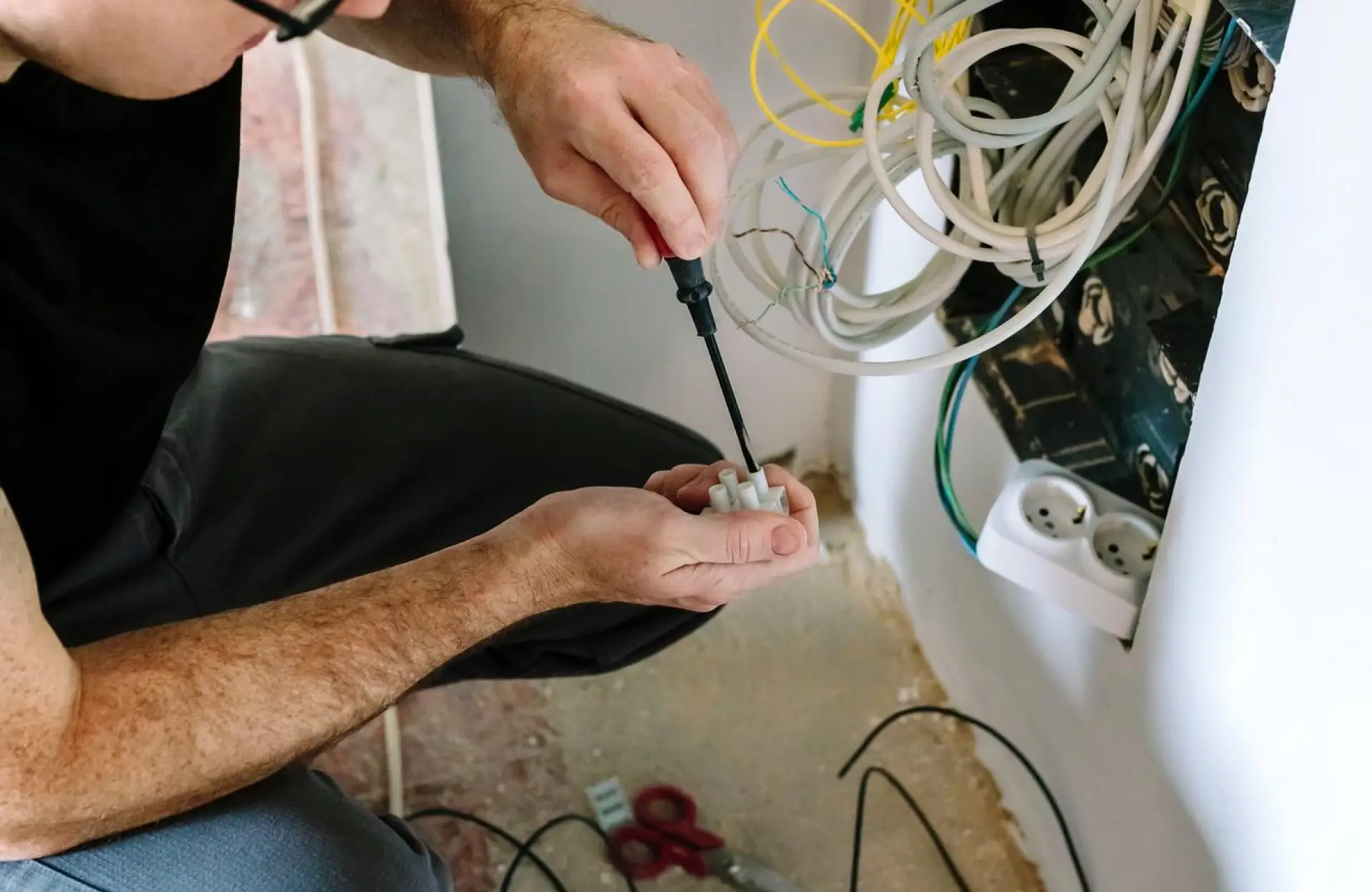
Installing a GFCI outlet isn’t difficult, but wiring them incorrectly defeats the purpose of the device. Line/load reversals, improperly wired ground wires, and using devices not rated for your circuit are just some of the ways DIYers accidentally compromise safety.
Since most electrical work in Ontario is protected by permits and Electrical Safety Authority inspections, working with unauthorised contractors or performing DIY electrical work can lead to failed inspections, insurance issues, and unseen dangers until it’s too late.
Hiring a licensed electrician Toronto homeowners trust, or a local electrician North York families rely on, means you’ll get code-compliant devices installed, proper permitting handled by your electrician, Electrical Safety Authority (ESA) inspections, and paperwork for insurance purposes and future resale.
If you aren’t sure whether your project requires a permit, ask a local licensed contractor who understands Ontario building codes.
GFCI Upgrades for Renovations & Rental Properties
Home renovations are one of the most common reasons for electrical upgrades. Whether you’re adding a kitchen island, remodelling your bathroom, finishing your basement, or updating electrical for a rental suite, changes to your electrical wiring trigger additional code requirements.
GFCI upgrades are typically required when installing new outlets, remodeling kitchens and bathrooms, finishing basement rooms, or converting your basement to a rental suite.
Property managers have a responsibility to ensure the homes they own are safe for tenants. Verifying GFCI protection is up to code can limit your liability, demonstrate your diligence as a landlord, and simplify inspections to prevent renovation delays.
If you’re a property manager with multiple suites, it may be worthwhile to hire an electrician to verify consistent safety across all units and shared spaces.
GFCI Protection Is Only One Part of Home Electrical Safety
Ground Fault Circuit Interrupters are an important safety feature for your home, but they’re just one part of electrical safety. Older homes can often benefit from electrical panel upgrades, Arc Fault Circuit Interrupter (AFCI) protection, proper grounding and GFCI protection, and balanced electrical load for HVAC and modern appliances.
When to Talk to a Licensed Electrician About GFCI Safety
Every homeowner should consult with a licensed electrician if you’re unsure if your home is up to code, you’re renovating or building an addition, you own an older home or rental property, or you experience problems with outlets in wet areas.
Contacting an electrician doesn’t obligate you to do any electrical work. A simple consultation can provide answers, identify any risks you may not have known about, and explain your options without high-pressure sales tactics or unnecessary disruption to your home.
Talk to a Licensed Electrician in Toronto About GFCI Safety
Ground Fault Circuit Interrupters have been saving lives for decades. Installing GFCI outlets might seem simple, but only a qualified electrician can ensure the devices are installed correctly and provide the protection you deserve.
Phaze-In Electric Ltd. is a licensed, ESA-certified electrical contractor serving North York, Toronto, and the Greater Toronto Area. Led by Master Electrician Andrew Spano, our team provides residential and commercial electrical services, including panel upgrades, EV charger installations, lighting design, and code-compliant commercial electrical work.
Whether you want to confirm your home meets Ontario electrical safety codes or need help installing GFCI outlets, contact us today to speak with a licensed Master Electrician.
Frequently Asked Questions
1. Are GFCI outlets required by law in Ontario?
Yes. The Ontario Electrical Safety Code requires GFCI protection in specific locations, including bathrooms, kitchens near sinks, laundry rooms, garages, basements, and outdoor outlets, in new construction and many renovations.
2. How do I know if my GFCI outlet is working correctly?
Press the test button on the outlet. It should trip and cut power immediately. Press reset to restore power. If the test button doesn’t trip the outlet, the device may be faulty or improperly wired and should be inspected by a licensed electrician.
3. What is the difference between a GFCI outlet and a GFCI breaker?
A GFCI outlet protects itself and any outlets wired downstream on the same circuit, while a GFCI breaker protects an entire circuit from the panel. Both are valid solutions, and the right choice depends on your home’s panel age and layout.
4. Can I install a GFCI outlet myself?
While it is not technically difficult, incorrect wiring such as line/load reversals can defeat the device’s protection entirely. Ontario also requires permits and ESA inspection for most electrical work, so hiring a licensed electrician is the safer and code-compliant option.
5. Do older Toronto homes need GFCI upgrades?
Many older homes predate current GFCI requirements and may have two-prong or ungrounded outlets near water sources. A licensed electrician can assess your home and recommend which areas need GFCI upgrades.
Key Takeaways
- GFCIs monitor for current imbalances and cut power in milliseconds, protecting against shock, burns, and fire near water.
- The Ontario Electrical Safety Code requires GFCI protection in bathrooms, kitchens, laundry rooms, garages, basements, and outdoor outlets.
- GFCI protection can be provided at the outlet level or the breaker level, each with different advantages.
- DIY GFCI installation risks incorrect wiring that defeats the device’s protection; licensed installation ensures code compliance and proper permitting.
- Renovations, basement conversions, and rental suites often trigger GFCI upgrade requirements.