

Proper home office electrical planning helps ensure your workspace is safe, reliable, and capable of supporting modern technology demands. From dedicated circuits and surge protection to lighting design and future expansion, working with a licensed electrician can help Toronto homeowners create a productive home office that meets current needs while preparing for future growth.
Why Home Office Electrical Planning Is Important When Creating Workspace
Working from home has become a permanent reality for professionals in Toronto and across the Greater Toronto Area. Home offices support full-time workloads, video conferencing, sensitive electronics, and extended hours. But many homes were not built for the electrical loads required by modern workspaces. Poor planning and installations lead to overloaded circuits, unreliable power, and safety hazards that affect productivity.
Electrical planning for a home office helps ensure that the space is powered safely and reliably, with room for technological changes in the future. This guide explains why electrical planning is important for home offices, what to keep in mind, and how a licensed electrician can help you create a workspace that supports long-term performance and code compliance.
Why Electrical Planning Is Important for Home Offices
A home office is one of the rooms in your home that depends on uninterrupted power more than most. Computers, monitors, printers, networking equipment, lighting, and other systems often operate at the same time for long periods. Without careful planning and upgrades, the demands from these devices can exceed the capacity of older wiring or improperly designed circuits.
Electrical planning for a home office helps homeowners avoid nuisance breaker trips, protect sensitive electronics, improve comfort and efficiency, and maintain compliance with Ontario electrical standards. A reliable electrical foundation allows people to work productively without worrying about disruptions or safety issues.
Understanding Power Demands in a Home Office
Before upgrading or adding circuits in a home office, it is helpful to understand the typical power load requirements. Common devices and equipment for home offices include desktop or laptop computers, multiple monitors, printers or scanners, modems and routers, task lighting and overhead lighting, and charging stations for phones and tablets.
When several of these devices are on the same circuit, the potential for overloading that circuit increases. Electrical planning for the home office ensures circuits are sized and distributed correctly.
Dedicated Circuits for Office Equipment
One of the most important aspects of electrical planning for home offices is dedicated circuits.
Benefits of Dedicated Circuits
A dedicated circuit supplies power to particular outlets without sharing the load with other parts of the home. This strategy reduces the risk of overload, improves power stability, and protects sensitive electronics. Dedicated circuits are especially important for home offices with multiple monitors, desktop computers, or other high-draw equipment.
When Dedicated Circuits Are Recommended
Homeowners should consider dedicated circuits if breakers trip when office equipment is in use, the office shares power with the kitchen, living room, or other high-demand areas, or older wiring or knob-and-tube is present. A licensed electrician can assess if current circuits are adequate or if upgrades are necessary.
Outlet Placement and Quantity
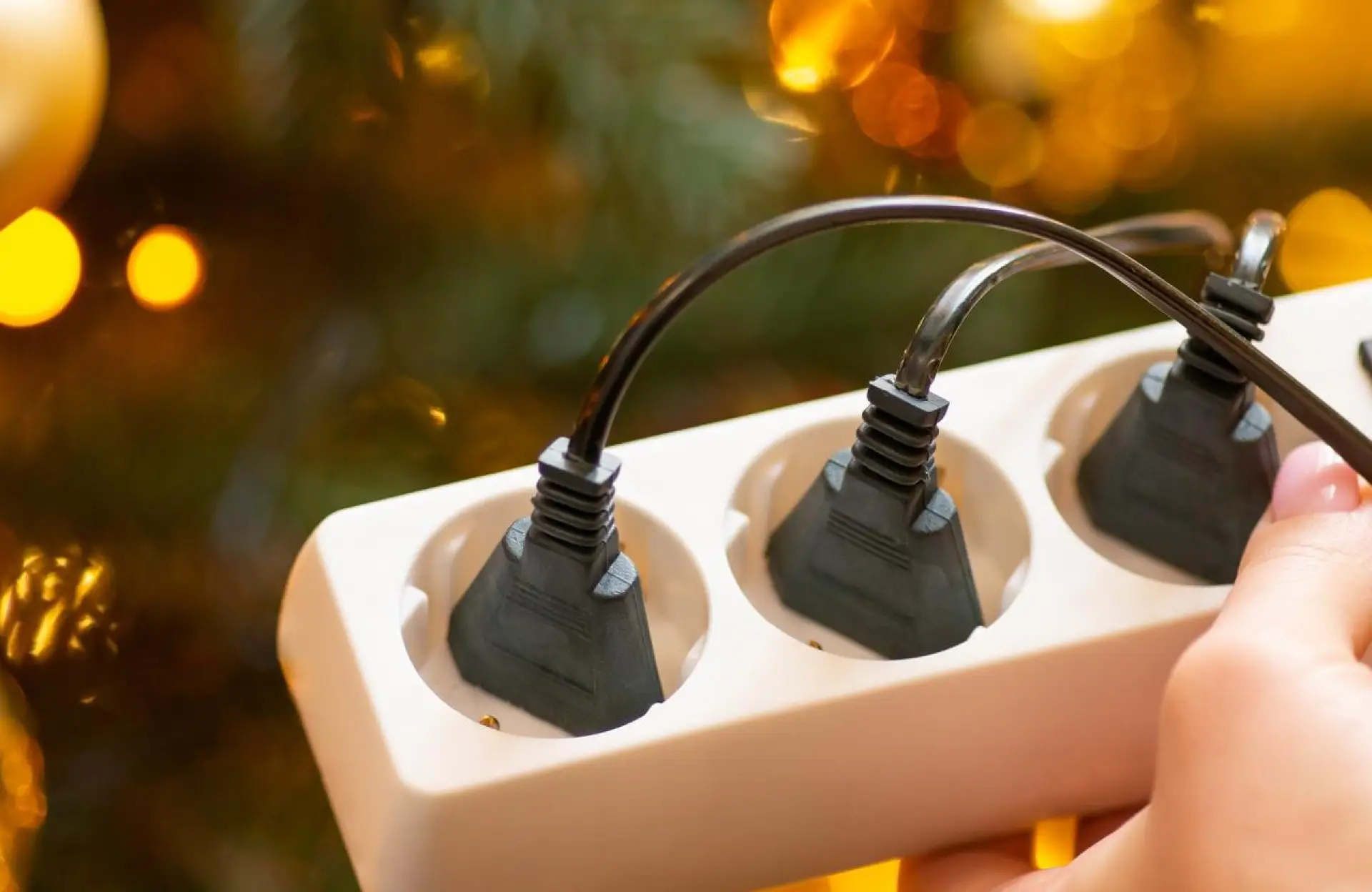
Power bars and extension cords are common, but they are signs of insufficient outlet planning. While these solutions are common, they can create safety risks and clutter.
Good planning ensures outlets are positioned near desks and workstations, installed at appropriate heights, and distributed to minimise cord strain. This also improves safety and usability.
Outlet placement and installation must follow the Ontario Electrical Safety Code. A professional electrician ensures spacing, grounding, and other installation details meet current standards.
Lighting Design for Productivity
Lighting is a critical component of home office comfort and focus. Poor lighting choices can cause eye strain and fatigue during long workdays.
An effective home office lighting plan has ambient lighting for general illumination, task lighting for specific work areas, and adjustable fixtures to reduce glare. LED lighting is commonly recommended due to its efficiency and consistent illumination.
Dimmer switches and smart lighting controls allow homeowners to adjust lighting levels throughout the day. These features need proper wiring and compatibility checks to ensure safety.
Managing Heat and Ventilation Loads
Office equipment generates heat, which can affect comfort and performance. Portable fans or space heaters draw significant power. Electrical planning takes these loads into account to prevent circuit stress.
In some cases, upgrading electrical capacity supports improved HVAC performance in the office space. This can contribute to consistent comfort.
Data, Networking, and Power Integration
A home office is about more than just electrical power. Networking and connectivity are also important.
Routers, modems, and other networking equipment should be connected to stable power sources. Planning may include dedicated outlets, surge protection, and battery backup options. This can help maintain connectivity in the event of brief power disruptions.
Separating power and data cabling where possible reduces interference and improves organisation.
Surge Protection for Home Offices
Modern office equipment is sensitive to voltage fluctuations. Power surges can damage electronics or shorten their lifespan.
Electrical planning may include both whole-home surge protection installed at the panel and local surge protection for critical equipment. These work together to protect technology investments.
Professionals who rely on remote access to data and communications see an important additional benefit of surge protection. It adds another layer of reliability for their work.
Panel Capacity and Future Needs
Homes in Toronto were often built before the prevalence of home offices. Electrical panels in these homes may already be close to their maximum capacity.
A licensed electrician can assess current panel capacity, evaluate existing circuit distribution, and look for space for future circuits. This evaluation helps determine whether a panel upgrade is necessary.
Electrical planning also takes into account future needs such as additional monitors or equipment, EV chargers, and smart home integrations. Designing with growth in mind prevents costly rework later.
Permits and Inspections in Ontario
Certain home office electrical upgrades require permits and inspections in Ontario. Permits may be necessary for new circuits, panel upgrades, and significant wiring modifications. A licensed electrician can handle the permitting process and coordinate required inspections.
Permitting and inspections ensure compliance with the Ontario Electrical Safety Code. This protects the homeowner as well as ensuring insurance coverage is not impacted.
Safety Considerations for Home Offices
Safety is a central goal of electrical planning for a home office. Properly sized circuits and wiring reduce the risks of overheating. Safety is also improved by avoiding overloaded outlets and temporary solutions.
Grounded outlets and properly installed breakers protect occupants and equipment from faults.
Phaze-In Electric Ltd. is a licensed electrical contractor and ESA-certified business serving North York, Toronto, and the Greater Toronto Area. Led by Master Electrician Andrew Spano, our team of professionals provides residential and commercial electrical services, including panel upgrades, EV charger installations, lighting design, and code-compliant commercial electrical work. We focus on safety, transparency, and high-quality craftsmanship for homeowners, businesses, and property managers.
A licensed electrician can provide accurate load assessments, code-compliant installations, and long-term reliability and safety. This approach protects both the home and the homeowner’s workspace.
Integrating Home Offices With Smart Electrical Systems
As technology continues to evolve, home offices are increasingly integrated with smart home systems. Electrical planning for a home office can include smart outlets, lighting automation, and energy monitoring. These support efficiency and convenience but require proper installation and integration.
Professional planning and installation ensure smart devices are compatible with existing electrical infrastructure.
Electrical Planning for Home Offices Is Essential for Creating a Safe, Reliable, and Productive Workspace
From dedicated circuits and proper outlet placement to lighting design and surge protection, careful planning supports both current needs and future growth.
Homeowners who want to improve or set up a home office can benefit from contacting Phaze-In Electric for a licensed electrical assessment. Expert guidance ensures the electrical system supports your work without compromise, delivering peace of mind and dependable performance for years to come.
Frequently Asked Questions
- Why is electrical planning important for a home office?
Electrical planning helps ensure your home office has sufficient power capacity, reliable circuits, proper outlet placement, and protection for sensitive electronics. This reduces the risk of outages, overloaded circuits, and safety hazards that can disrupt your work.
- Do I need a dedicated circuit for my home office?
A dedicated circuit is often recommended if your office contains multiple computers, monitors, printers, or other high-demand equipment. Dedicated circuits improve power stability and reduce the likelihood of breaker trips.
- How many outlets should a home office have?
The number of outlets depends on the equipment you use, but most home offices benefit from multiple strategically placed outlets to avoid overreliance on power bars and extension cords. A licensed electrician can recommend the ideal layout for your workspace.
- Is surge protection necessary for a home office?
Yes. Surge protection helps protect computers, networking equipment, and other electronics from voltage spikes that can cause damage or shorten equipment lifespan. Many homeowners benefit from combining whole-home surge protection with local surge protectors.
- Can a licensed electrician help future-proof my home office?
Absolutely. A licensed electrician can assess your current electrical system, recommend upgrades, and design a solution that accommodates future needs such as additional equipment, smart home integration, or EV charging installations.
Create a Safe and Productive Home Office With Professional Electrical Planning
A well-designed home office starts with a reliable electrical foundation. Whether you need dedicated circuits, additional outlets, surge protection, or a complete electrical assessment, Phaze-In Electric Ltd. can help ensure your workspace is safe, efficient, and built for long-term performance. contact our team today to discuss your home office electrical planning needs in Toronto and the GTA.
Key Takeaways
- Dedicated circuits help prevent overloaded breakers and provide stable power for computers, monitors, and office equipment.
- Strategic outlet placement reduces reliance on extension cords and improves both safety and workspace organization.
- Proper lighting design supports productivity, reduces eye strain, and enhances comfort during long workdays.
- Surge protection and panel capacity assessments help protect valuable electronics and support future electrical needs.
- Working with a licensed electrician ensures code-compliant installations, permits, and long-term reliability.