
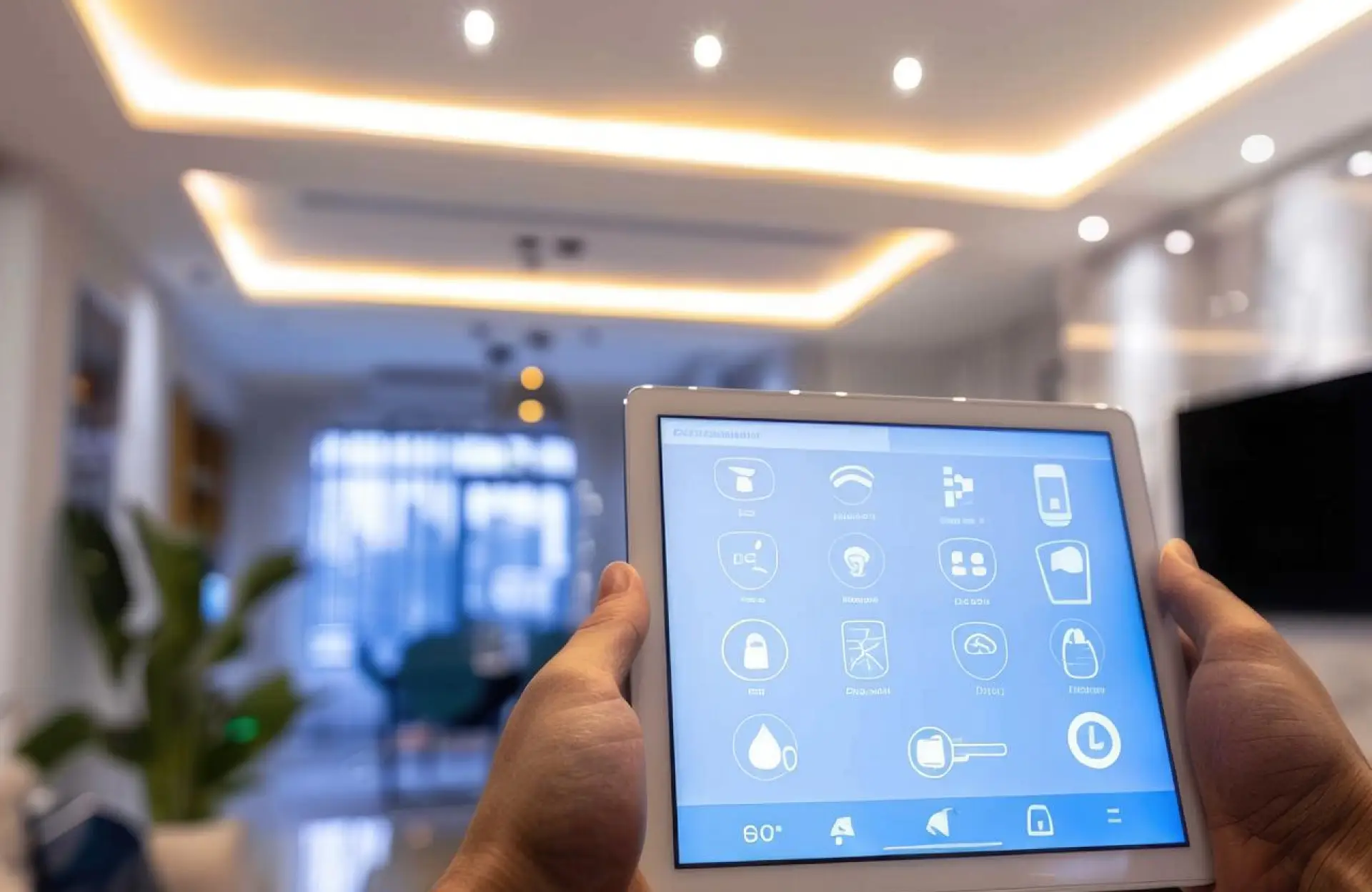
Smart homes have specific electrical requirements that go beyond connected devices: the right panel capacity, dedicated circuits, surge protection, and structured wiring. Professional electrical planning helps Toronto homeowners meet these electrical requirements safely, support current smart technology, and prepare for future upgrades.
What Homeowners in Toronto and the GTA Should Know About Smart Home Systems
Smart home technology is becoming increasingly common and changing the way homeowners interact with lighting, climate control, security, entertainment, and energy use. Many homeowners make the mistake of assuming that smart technology will just work once it’s installed. In reality, smart devices and systems can suffer from poor connections, tripped breakers, signal interference, or compatibility issues.
In most cases the technology isn’t the problem; it’s the electrical system behind it that’s failing to meet the demands of the new digital age. It’s important to understand the electrical requirements Toronto homes need to meet for smart technology and to plan for them up front in order to ensure safety, reliability, and long-term performance.
Smart Home Electrical Readiness Checklist
The table below summarizes the readiness areas covered in this guide.
| Area | What to Confirm |
| Panel and service capacity | Enough amperage and breaker space for smart devices plus EV chargers |
| Circuit design | Dedicated circuits, balanced loads, clear labelling |
| Neutral wires | Present at switch boxes for smart switches and dimmers |
| Structured wiring | Ethernet, low-voltage panels, conduit for future runs |
| Surge protection | Panel-level coverage for hubs, cameras, and appliances |
| Backup power readiness | Generator-ready panel, transfer switch provisions |
| Permits | ESA permits for panel work, new circuits, and EV chargers |
Why Electrical Requirements Matter for Smart Homes
Smart home systems require clean, stable, and properly distributed power to function properly. Older electrical systems in Toronto were not designed with today’s demands for electronic loads, automation equipment, and continuous connectivity in mind.
Unplanned or sub-par electrical work for smart homes can result in breaker trips and blown fuses, frequent device malfunctions and resets, overloaded circuits and excessive heat, increased fire risk and damage, and non-compliant installations that impact insurance or resale.
Planning a smart home electrical system properly ensures that the smart devices and systems can function as intended and are up to code under the Ontario Electrical Safety Code.
Electrical Requirements for Service Capacity and Panel Readiness
The starting point for any smart home system is adequate electrical service capacity and a modern electrical panel. Many older homes in Toronto still operate on 60 amp or 100 amp electrical services that cannot support the load of modern systems.
Smart home systems are often found alongside EV chargers, heat pumps or high-efficiency HVAC systems, electric ranges and dryers, and home offices and networking equipment.
A panel upgrade may be required if the panel is full or has limited breaker space left, breakers regularly trip when new devices are added, the home uses older fuse panels, or the plan includes installing EV chargers or backup power systems. Upgrading to a 200 amp service gives the flexibility needed to support smart home systems safely and leaves room for future expansion.
Circuit Design for Smart Devices and Automation
Smart homes need careful circuit design to ensure there is enough space and capacity. It’s not advisable to simply plug multiple smart devices into existing circuits without evaluating the load and distribution.
Circuit design should take into account dedicated circuits for high-demand equipment, lighting, receptacle, and control circuit separation, balanced loads across both sides of the panel, and clear labeling for troubleshooting and future maintenance. This helps to ensure system reliability and makes upgrades or repairs easier in the future.
Neutral Wire Electrical Requirements for Smart Switches
Many smart switches, dimmers, and automation controls require neutral wires to function properly. Homes built before this requirement can lack neutral conductors in switch boxes, limiting smart lighting and control options.
Electrical work may be needed to run new wiring to switch locations, reconfigure existing junction boxes, or replace older wiring methods that don’t comply. Properly addressing neutral wire requirements ensures safety and allows full compatibility with modern smart lighting systems.
Structured Wiring and Low Voltage Integration
Smart homes also rely on low-voltage data and networking wiring. Wireless tech is common, but hardwired connections provide the best performance and security.
Structured wiring considerations include Ethernet cabling to smart hubs and access points, centralised low-voltage panels, dedicated power sources for networking equipment, and conduit pathways to run future wiring. Planning and including structured wiring in renovations or electrical upgrades minimises future disruption and supports long-term system performance.
Surge Protection for Smart Home Systems
Smart homes are filled with sensitive electronics and devices that can be damaged by power surges. Power surges are common in the GTA due to storms, utility switching, and sudden internal load changes.
Whole-home surge protection helps to protect smart hubs and controllers, security and camera systems, networking equipment, appliances with electronic controls, and EV chargers.
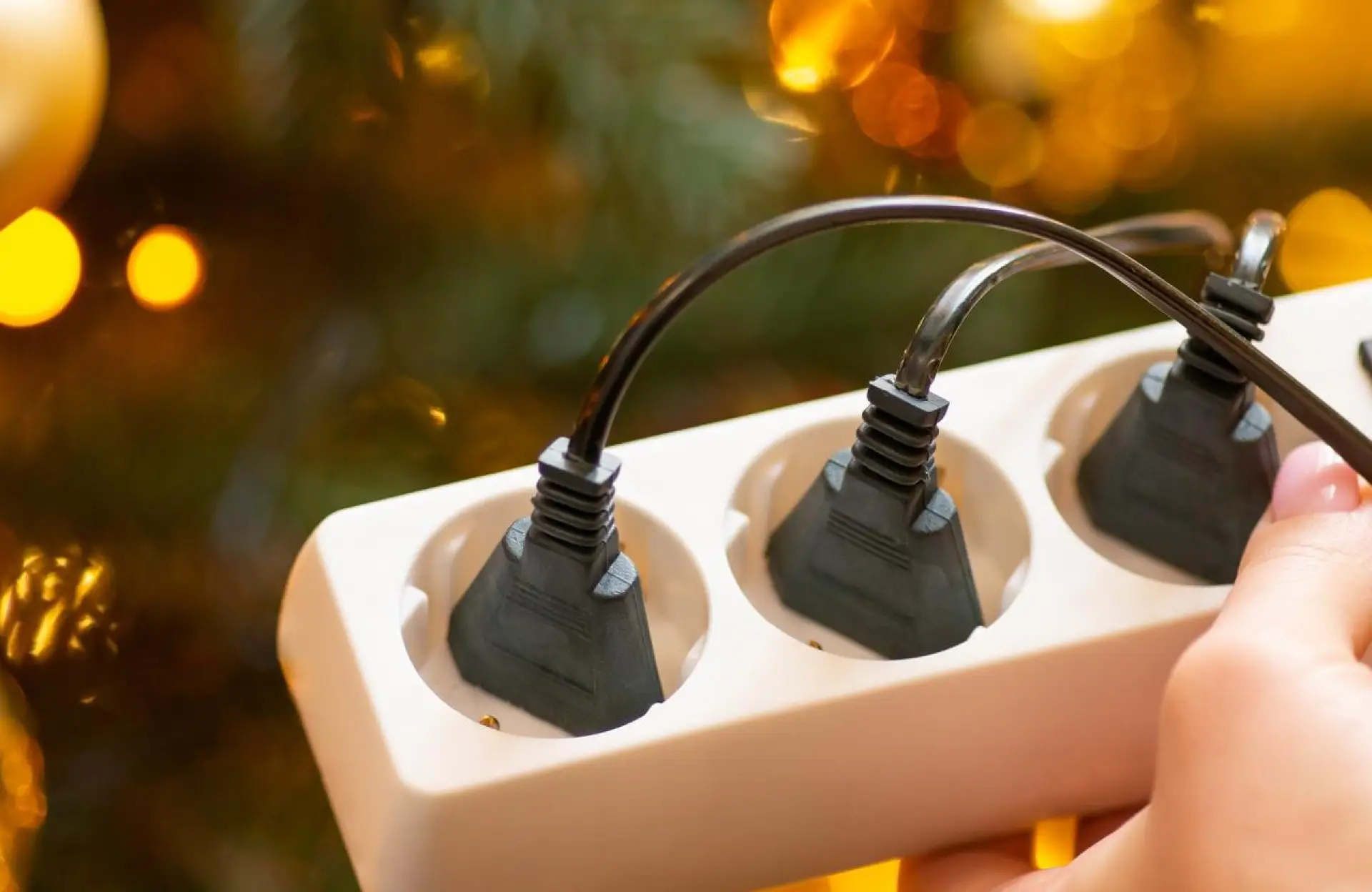
Panel-level surge protection provides broader coverage than plug-in power bars and is an important part of electrical planning for smart homes. See our whole-home surge protection guide for a full explanation.
EV Chargers and Smart Energy Integration
Electric vehicle charging is a growing part of smart home integration. EV chargers place a large load on the electrical system and must be properly sized and installed.
Electrical requirements for EV charging include dedicated circuits sized for charger load, load calculations to avoid overloading the service, panel capacity for future chargers, and proper grounding and surge protection. Smart energy monitoring systems can also be used to track EV charging usage and optimize overall energy consumption, but only if the electrical infrastructure supports it safely.
Backup Power and Smart Home Reliability
Homeowners also want their smart homes to continue to work during a power outage. Storm-related outages are unfortunately common in Ontario.
Electrical planning for backup power may include generator-ready panels, transfer switches, battery backup systems, and selective backup for key circuits. Preparing the electrical system for backup power in advance simplifies the process later, even if backup isn’t installed immediately.
Electrical Permits and Code Compliance in Ontario
Most electrical work and upgrades to support smart homes will require electrical permits and inspections in Ontario. This includes panel upgrades, new circuits, EV chargers, and major wiring changes. Working with a licensed electrician helps to ensure that ESA permits are filed properly, the work is up to code, inspections are scheduled and passed, and liability and insurance risks are minimised. Unpermitted electrical work can create hazards and cause issues when selling the home or doing future renovations.
Planning for Future Smart Home Expansion
Smart home technology is constantly evolving and changing. Electrically smart homes are designed with flexibility and future needs in mind.
Future-proof electrical planning for smart homes includes extra breaker space in panels, spare conduits for additional wiring runs, oversized service capacity where needed, and clear labeling and documentation. These steps reduce future costs and avoid repeated disruptions to the home as technology progresses.
Professional Electrical Assessment for Smart Homes
Smart home systems work best when supported by a properly designed electrical foundation. A professional electrical assessment helps to identify any limitations, safety concerns, and opportunities for upgrades before they become a problem.
At Phaze-In Electric Ltd. we are a licensed, ESA-certified electrical contractor serving North York, Toronto, and the rest of the Greater Toronto Area. As a smart home electrician Toronto homeowners trust and an electrician North York families rely on, we are led by Master Electrician Andrew Spano and provide professional residential and commercial electrical services, including panel upgrades, EV charger installations, lighting design, and all code-compliant electrical work. Our commitment is to safety, transparency, and high-quality craftsmanship for homeowners, businesses, and property managers.
Smart home systems should be safe, reliable, and built to support long-term use. Professional electrical planning and upgrades make that possible.
Smart Home Systems Are Designed for Compliance
Smart home technology offers the promise of convenience, efficiency, and greater control over the spaces we live and work in, but only when it’s supported by the proper electrical infrastructure. From the capacity of the service to circuit design and surge protection to permits, electrical planning matters for smart homes.
If you are considering smart home electrical upgrades or just want to make sure your home is electrically ready, talking to a licensed electrician in Toronto can provide clarity, safety and peace of mind. A properly planned electrical system is the only way for smart technology to perform as intended today and tomorrow. Contact Phaze-In Electric to schedule an assessment.
Frequently Asked Questions
1. What electrical upgrades are commonly needed for a smart home?
Common upgrades include panel upgrades, dedicated circuits, surge protection, structured wiring, and installing neutral wires for smart switches. The exact requirements depend on the age of the home and the smart technologies being installed.
2. Do smart home systems require a panel upgrade?
Not always, but many older Toronto homes have electrical panels that may not have enough capacity or breaker space for modern smart home systems, EV chargers, and other high-demand electrical equipment. A licensed electrician can determine whether an upgrade is necessary.
3. Why are neutral wires important for smart switches?
Many smart switches, dimmers, and automation controls require a neutral wire to maintain power for their internal electronics. Older homes may require wiring modifications to support these devices safely and correctly.
4. Is surge protection necessary for smart homes?
Yes. Smart homes contain sensitive electronics that can be damaged by voltage spikes caused by storms, utility fluctuations, or internal electrical events. Whole-home surge protection provides an added layer of protection for connected devices and systems.
5. Do smart home electrical upgrades require permits in Ontario?
In many cases, yes. Electrical work such as panel upgrades, new circuits, EV charger installations, and significant wiring modifications typically require ESA permits and inspections to ensure compliance with the Ontario Electrical Safety Code.
Electrical Planning Is the Foundation of Every Smart Home
Smart technology performs best when it’s supported by a safe, reliable, and future-ready electrical system. Whether you’re planning a complete smart home upgrade, installing EV charging, or preparing your home for automation, Phaze-In Electric Ltd. can help assess your electrical infrastructure and recommend code-compliant solutions tailored to your needs. Contact our team today to schedule a professional electrical assessment in Toronto and the GTA.
Key Takeaways
- Smart home systems require adequate electrical service capacity and panel space to support connected devices safely.
- Many smart switches and automation controls require neutral wires, which may not be available in older homes.
- Whole-home surge protection helps protect smart devices, networking equipment, appliances, and EV chargers from power surges.
- Structured wiring and dedicated circuits improve reliability, performance, and future expandability for smart home systems.
- Working with a licensed electrician ensures permits, code compliance, and a safe electrical foundation for smart technology.