
The most important winter electrical safety tips for Toronto homeowners are to manage load and act on warning signs. Plug space heaters directly into the wall, limit extension cords, and pay attention to tripped breakers, flickering lights, and warm outlets. Heaters, lighting, appliances, and holiday decorations all raise demand in winter. Catching problems early, with help from a licensed electrician in Toronto when needed, reduces fire risk and keeps your system safe, reliable, and compliant with the Ontario Electrical Safety Code.
Practical Winter Electrical Safety Tips to Avoid Fire Risks
Winter is a magical time in Toronto, with snow, ice, and freezing rain. Inside the home, winter also creates heavier electrical demand. Space heaters run longer, lights come on earlier, holiday decorations plug in everywhere, and furnaces and air exchangers work harder than ever. For many homes, that seasonal surge can expose problems that remained hidden all spring and summer.
If you have ever dealt with flickering lights during a cold snap, tripped breakers when using a space heater, or outlets that are warm to the touch, you are not alone. These are all common winter electrical warning signs homeowners notice every year.
This guide covers practical winter electrical safety tips for Toronto homeowners, how to avoid overloaded circuits, reduce fire risk, protect your outdoor electrical equipment, and know when it is time to call a licensed electrician.
Why Winter Is Harder on Your Home’s Electrical System
Energy use is often higher during the winter for several reasons: more lighting use due to shorter days, greater use of electric space heaters, higher demand from furnaces, water heaters, and HVAC equipment, holiday decorations adding extra plug-in loads, and more indoor time using TVs, computers, and appliances.
Many Toronto homes, particularly older properties in North York, East York, Scarborough, and established Toronto neighbourhoods, were never designed for these electrical loads. That does not necessarily mean your home is unsafe, but it does mean winter is a good time to be proactive.
Watch for Signs of Overloaded Circuits
An overloaded circuit happens when too many electrical devices are drawing power from the same circuit at the same time. In winter, this often occurs when a space heater is plugged into a circuit already running other high-demand appliances or electronics.
Common warning signs include breakers that trip repeatedly, flickering or dimming lights when appliances start, buzzing sounds near outlets or switches, warm outlets, switch plates, or extension cords, and a burning smell near electrical panels or devices.
If you notice any of these issues, it is a good idea to consult with a licensed electrician Toronto homeowners trust about a safety inspection. Overloads can damage wiring over time and increase the risk of electrical fires.
Use Space Heaters Safely in Toronto Homes
Portable space heaters are one of the biggest winter electrical safety concerns. They are often useful for a cold bedroom or office, but they draw a lot of power and can overload wiring quickly.
Safer space heater practices include plugging the heater directly into a wall outlet, not using extension cords or power bars, keeping heaters away from curtains, furniture, and bedding, turning off the heater when leaving the room, and using models with tip-over shutoff and overheat protection.
What not to do: do not run a heater on the same circuit as a microwave, kettle, or toaster oven, do not plug multiple heaters into the same part of the home, and do not use older heaters with damaged cords or loose plugs.
If your home uses portable heaters heavily every winter, it could be a sign your current heating system or electrical layout needs upgrading. A licensed electrical assessment can help determine whether new circuits or an electrical panel upgrade would improve safety.
Holiday Lighting and Decoration Safety Tips
Holiday decorations make homes feel more cheerful, but they also add seasonal electrical risks. Many homeowners unknowingly overload outlets or use damaged cords year after year.
Indoor holiday lighting best practices include inspecting cords for fraying, cracking, or loose connections, not stapling or pinching cords under rugs or furniture, avoiding plugging multiple extension cords together, and turning off decorative lighting before bed or when away.
Outdoor holiday lighting safety includes using CSA-approved, outdoor-rated light strings, keeping plugs and connections off the ground, using weatherproof outlet covers where possible, and confirming outdoor receptacles are GFCI-protected.
If you are not sure whether your outdoor outlets meet current safety standards, an electrician in North York or the GTA can verify GFCI protection and weatherproofing.
Protect Your Electrical Panel During Cold Weather
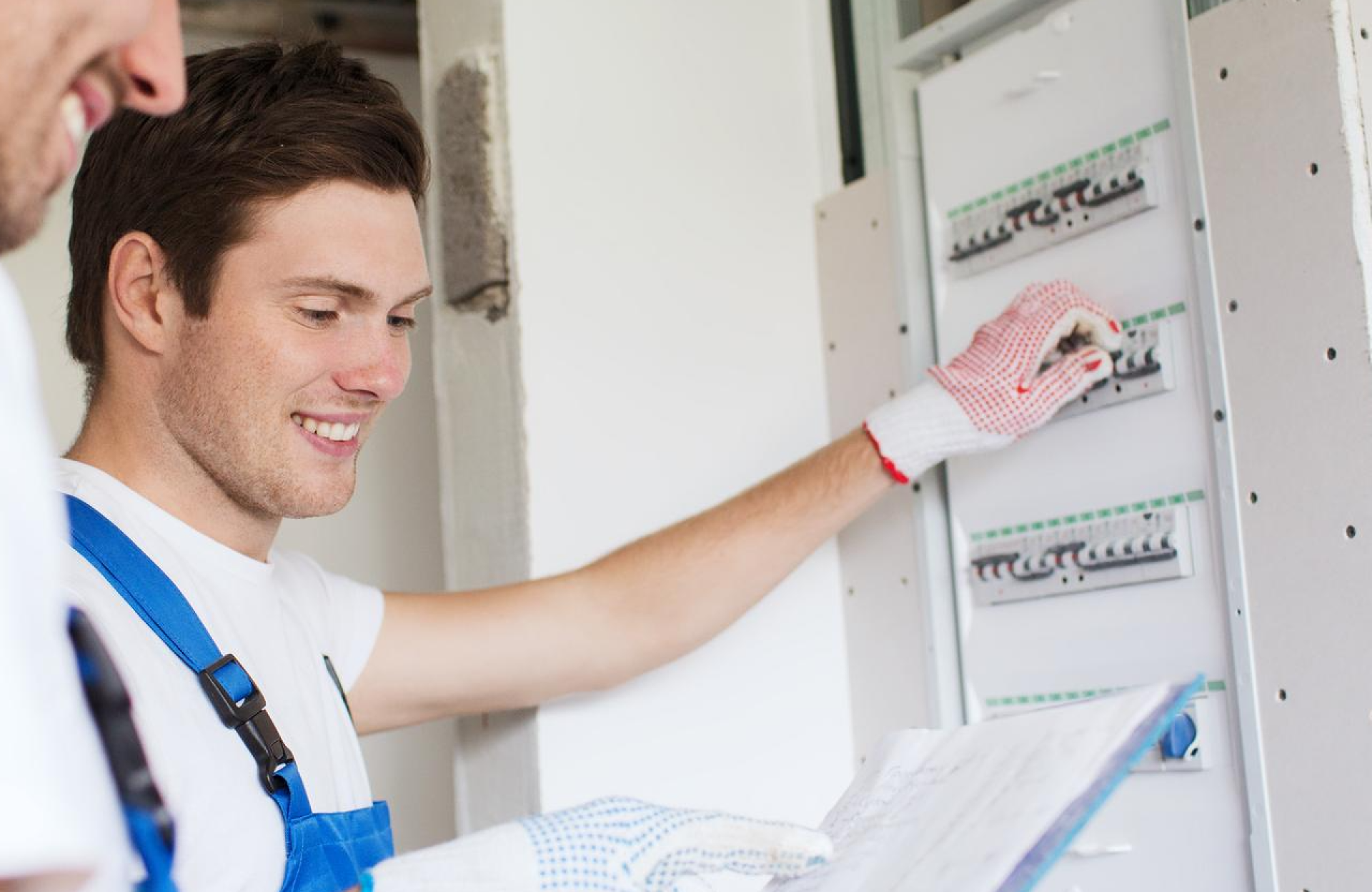
Your electrical panel is the control centre of your home’s electrical system, and winter is when it is most likely to be pushed to its limits.
Panel-related safety checks for winter include keeping the panel area clear and accessible, making sure breakers are properly labelled, watching for rust, corrosion, or signs of moisture, and listening for unusual buzzing or crackling.
Red flags that need professional attention include breakers that will not stay on, frequent tripping even with normal use, visible scorching or heat marks, and a panel that feels warm during operation. In many Toronto homes, particularly those with older 60-amp or 100-amp services, winter is the season when panel capacity issues become apparent. If you are planning to add an EV charger, hot tub, sauna, or more heating equipment, it may be time to explore an electrical panel upgrade.
Avoid Overusing Extension Cords and Power Bars
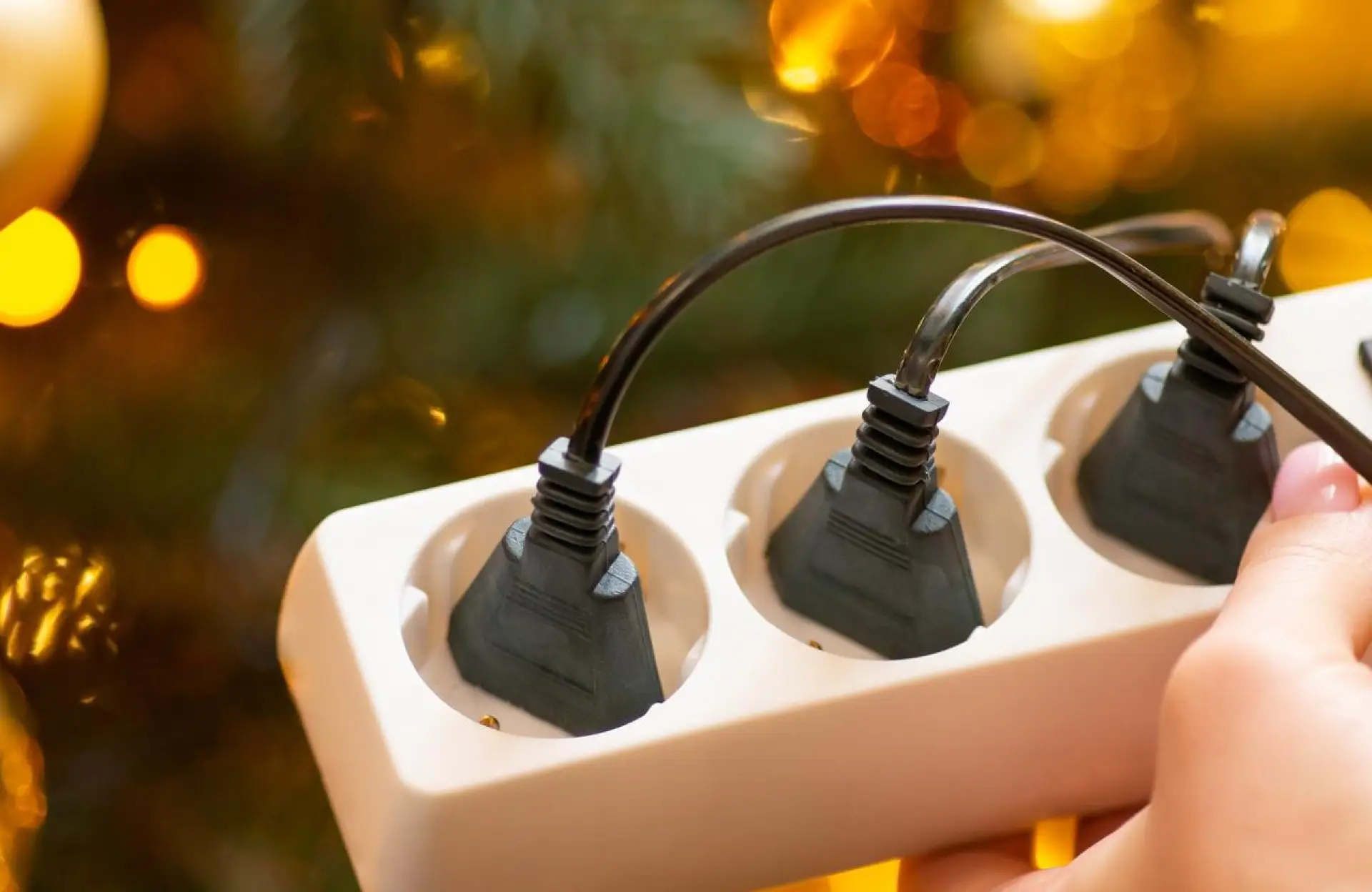
One of the most practical winter electrical safety tips is also one of the most overlooked: reduce your use of extension cords. Extension cords are designed for temporary use, not as a permanent solution for powering major appliances, heaters, or multiple electronics.
Winter safety rules for cords and power bars include using heavy-duty cords only when necessary, never running cords under carpets or through doorways, replacing cords that feel warm during use, and avoiding power bars for high-wattage appliances.
Power bars can be helpful for TVs and home office equipment, but they are not intended for space heaters, microwaves, kettles, hair dryers, or other high-wattage appliances. If you frequently run out of outlets, it is often safer to add properly installed receptacles than to keep expanding with adapters.
Keep Outdoor Electrical Equipment Safe From Snow and Ice
Toronto winters can be harsh on exterior electrical systems. Snow buildup, freezing rain, and temperature swings can all affect outdoor wiring, outlets, and lighting.
Outdoor electrical safety tips include keeping outdoor outlets covered and weather-sealed, checking exterior lighting for water intrusion, clearing snow away from electrical equipment where possible, and avoiding using damaged outdoor cords.
If you have landscape lighting, exterior signage, or driveway lighting, winter is a good time to ensure these fixtures are secure and cables are not getting damaged by shifting ice or snowplough activity.
Be Cautious With Basement and Garage Electrical Use
Basements and garages often have older electrical layouts and are more likely to be exposed to moisture or temperature changes.
Common winter risks in basements and garages include dehumidifiers running continuously, freezers and extra fridges increasing load, portable heaters used in workshops, and moisture near outlets or electrical panels.
If you notice condensation near outlets, frequent breaker trips, or inconsistent power in these areas, it is worth having a licensed electrician review the wiring and receptacle protection.
Know When You Need an ESA-Certified Electrician
Ontario homeowners should be careful with DIY electrical repairs, particularly in winter when the system is under more stress. Any work involving circuits, panels, outdoor wiring, or permanent installations should be left to qualified professionals. Situations where you should call an electrician include repeated tripping breakers, installing new circuits for heaters or appliances, upgrading an electrical panel, adding GFCI outlets in kitchens, bathrooms, or outdoors, and troubleshooting flickering lights or burning smells. Working with an ESA-certified electrical contractor helps ensure the work is up to safety standards, inspection requirements, and the Ontario Electrical Safety Code.
Winter Power Outages and Backup Planning
Toronto and the GTA can have winter power outages due to storms, ice buildup on lines, or downed trees and wires. While not every home needs a full backup generator, you should be prepared for short-term power interruptions.
Helpful winter outage preparations include keeping flashlights accessible instead of relying on candles, using surge protection for sensitive electronics, knowing where your panel is located and how to reset breakers safely, and avoiding using portable generators indoors or near vents.
If backup power is a priority for you, an electrician can help you explore safe solutions such as generator panels, transfer switches, or critical load planning.
Simple Winter Electrical Safety Checklist
For a quick reference, here is a homeowner-friendly checklist to keep each winter: test GFCI outlets in kitchens, bathrooms, and outdoors, inspect cords and replace anything cracked or frayed, avoid power bars for high-wattage devices, limit space heater use and never use extension cords, watch for panel warning signs like heat or frequent tripping, use outdoor-rated lighting for holiday or exterior decor, and call a licensed electrician if you smell burning or hear buzzing.
A Safer Winter Starts With Smart Electrical Planning
Winter electrical safety is not just about avoiding inconvenience, though that is a major benefit. It is also about protecting your home, your family, and your long-term electrical reliability during the season when demand is the highest. Small warning signs like flickering lights or warm outlets usually point to bigger problems that are easier to resolve early.
Phaze-In Electric Ltd. is a licensed, ESA-certified electrical contractor serving North York, Toronto, and the Greater Toronto Area. Led by Master Electrician Andrew Spano, we provide residential and commercial electrical services, including panel upgrades, EV charger installations, lighting design, and code-compliant commercial electrical work. Our focus is on safety, transparency, and high-quality craftsmanship for homeowners, businesses, and property managers. For warm-weather electrical risks, see our companion Summer Electrical Load Issues guide.
If you want peace of mind this winter, contact us today to book a licensed electrical safety assessment and ensure your home is safe, code compliant, and ready for the season.
Frequently Asked Questions
1. Why do electrical problems seem more common during winter?
Winter increases electrical demand due to space heaters, furnaces, holiday lighting, additional indoor activities, and longer lighting usage. This added load can expose weaknesses in older electrical systems.
2. Is it safe to use a space heater with an extension cord?
No. Space heaters should always be plugged directly into a wall outlet. Extension cords and power bars can overheat and increase the risk of electrical fires.
3. What are the warning signs of an overloaded electrical circuit?
Common signs include frequent breaker trips, flickering lights, buzzing outlets, warm switch plates, burning smells, and overloaded power bars or extension cords.
4. Do outdoor outlets need special protection during winter?
Yes. Outdoor outlets should be weatherproof, properly covered, and protected by GFCI devices to help prevent shock hazards caused by moisture, snow, and ice.
5. When should I call a licensed electrician?
You should contact a licensed electrician if you notice recurring breaker trips, burning smells, warm outlets, flickering lights, panel issues, or if you are planning electrical upgrades that require new circuits or panel capacity.
Keep Your Home Safe and Powered This Winter
Winter electrical issues often start with small warning signs that can quickly turn into larger safety concerns. Phaze-In Electric helps homeowners across Toronto and the GTA identify overload risks, improve electrical safety, and ensure systems meet Ontario Electrical Safety Code requirements. Contact us today to book a licensed electrical safety assessment and enjoy greater peace of mind throughout the winter season.
Key Takeaways
- Winter increases electrical demand from heating equipment, lighting, and seasonal decorations.
- Frequent breaker trips, flickering lights, and warm outlets are warning signs that should not be ignored.
- Space heaters should always be plugged directly into wall outlets and used safely.
- Outdoor electrical equipment should be protected from snow, moisture, and freezing temperatures.
- Regular electrical inspections can help identify hazards before they become costly or dangerous problems.