
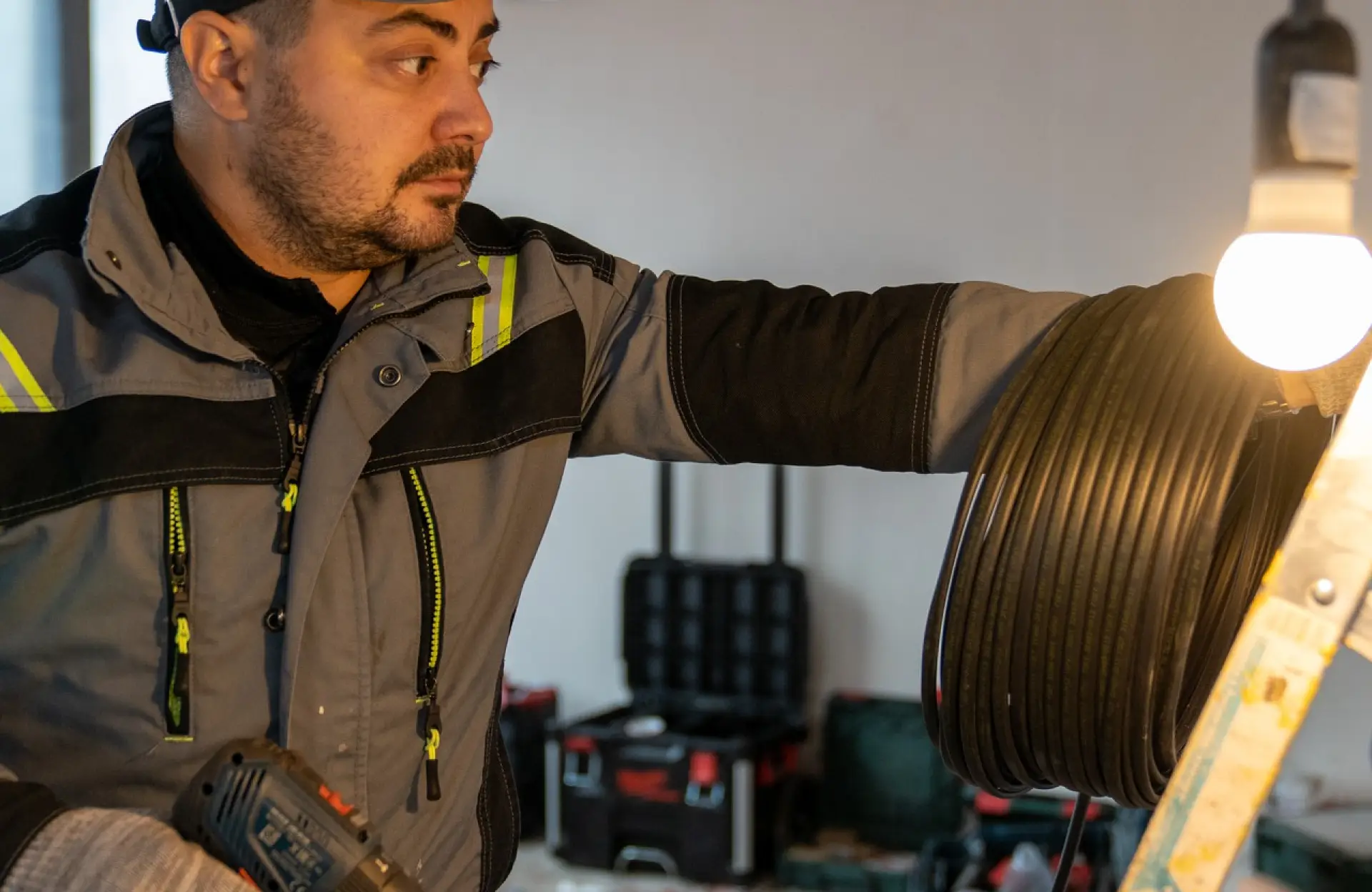
Electrical permit compliance helps ensure your project is safe, code-compliant, and completed without costly delays or inspection issues. Working with a local licensed electrician in Toronto gives you access to experience with ESA requirements, permit processes, and the unique challenges of GTA homes and commercial properties.
Why Local Electricians Are Often the Safest and Most Efficient Option
Do you have an electrical project coming up in Ontario? One of the most frequent questions we hear from homeowners, business owners, and property managers is: “Do I need a permit for this?”
The truth is that electrical permitting is not always as clear from the outside. Some work may look simple but still requires an official review. Other jobs have several inspection stages, utility coordination, and paperwork that must be completed and submitted on time. Permit non-compliance can lead to work stoppages, failed inspections, unexpected rework costs, or delays that ripple through your renovation timeline or commercial operations.
The benefits of working with a local, licensed electrician for this process are that local electrical contractors understand the requirements of Ontario’s safety and inspection process, are experienced in the GTA’s project permitting, and know the practical steps involved to keep your job compliant.
In this blog post, we will walk through how electrical permits work in Ontario, why permit compliance matters, and why local electricians are often the safest and most efficient option for many homeowners and businesses.
Permit Compliance Steps at a Glance
In Ontario, electrical safety is not optional. All electrical work is required to follow the Ontario Electrical Safety Code and, in many cases, be documented and inspected through the Electrical Safety Authority (ESA).
| Step | What Happens |
| 1. Determine notification need | Confirm whether ESA notification/permit applies |
| 2. Submit paperwork | Filed before the job begins |
| 3. Complete work to code | Follows the Ontario Electrical Safety Code |
| 4. Coordinate inspections | Scheduled at the proper project stages |
| 5. Address deficiencies | Any inspection issues corrected |
| 6. Close out | Job formally closed once it passes inspection |
For homeowners and business owners, this process can be confusing. For electricians who work with it daily, it is a routine part of doing work right.
Do I Need an Electrical Permit in Ontario?
Residential and commercial work that changes your wiring, circuits, panel, or service equipment most often requires ESA notification and inspection.
Electrical work that most often requires a permit or ESA notification includes electrical panel upgrades or replacements, electrical service upgrades (100 amp to 200 amp, for example), EV charger installation and new dedicated circuits, adding new circuits for appliances or equipment, renovation wiring for kitchens, basements, or additions, commercial tenant improvements and fit-ups, temporary power setups for construction sites, and new builds and major rewiring projects.
The list can go on, but even if your project feels “minor” we recommend confirming permit requirements with a licensed electrician before starting.
Don’t know if this applies to you? It always helps to talk to a licensed electrician Toronto homeowners and businesses rely on, who can confirm the correct path and keep your project on schedule.
Why Permit Compliance Matters More Than You Might Think
Property owners may assume permits are just paperwork. Permit compliance Toronto property owners get right the first time is more important than most people realise and protects you financially, legally, and physically.
1. Permit compliance supports safer electrical systems
A proper permit and inspection process help confirm correct wire sizing and breaker protection, safe grounding and bonding, proper use of GFCI and AFCI protection as required, correct installation methods inside walls and ceilings, and safe clearances, terminations, and panel labeling. These details are crucial because many electrical failures are hidden until something goes wrong.
2. Inspections help avoid costly rework later
Electrical work completed without permit compliance may lead to problems you discover later during a home sale and property disclosure, an insurance claim, a renovation inspection, a commercial compliance review, or a service upgrade request. Correcting unpermitted electrical work typically costs more than doing it right the first time. This is especially true if walls are closed and finishes installed.
3. Commercial projects are sensitive to delays
Permitting and inspection timing can directly affect opening dates for new businesses, tenant move-in schedules, equipment commissioning, fire and safety sign-offs, and maintenance planning for property managers. Commercial operations are especially vulnerable where a short electrical delay can have major operational and financial impact.
Why a Local, Licensed Electrician in Toronto Keeps Projects Compliant
Electricians can approach permit compliance in different ways. A local electrician who works consistently in Toronto and the GTA has real project advantages beyond the wiring itself.
Toronto and the surrounding areas have unique project characteristics, including older homes with aging panels and mixed wiring types, dense neighbourhoods where access, parking, and service entry is more complex, common renovation patterns like basement finishing or kitchen rebuilds, growing demand for EV charging infrastructure, and commercial retrofit needs in older plazas and mixed-use buildings.
Local experience means electricians can spot issues early instead of reacting late in the project.
Local contractors know what inspectors look for in real projects.
ESA inspections follow standards, but local electricians often develop a strong understanding of preparing work for inspection properly, required documentation, common issues that cause deficiencies on similar jobs, and scheduling work to reduce back-and-forth. This helps homeowners and businesses avoid unnecessary delays.
Local electricians can also coordinate faster with other trades. Permit compliance timing is crucial, and electrical work must align with framing and drywall schedules, HVAC installs and mechanical room layouts, plumbing rough-ins, cabinetry and lighting plans, and equipment deliveries for commercial projects. Local electricians know GTA build schedules and help projects move forward smoothly.
Risks of Choosing the Wrong Contractor for Permit-Related Work
We have seen permit compliance issues pop up when a contractor is not experienced, not properly licensed, or not used to Ontario’s inspection standards.
Common compliance problems include work starting before documentation is submitted, service upgrades planned incorrectly, panel replacements without correct grounding updates, missing required electrical protections (AFCI or GFCI as needed), overloaded circuits or improper breaker sizing, unclear labeling or poor panel organisation, and deficiencies that lead to inspection failures. These are not just technical errors. They can lead to delays and have long-term safety implications for the property.
Before hiring an electrical contractor for panel work, EV charging, or renovations, confirm they handle ESA compliance and inspections as part of the process.
Residential Examples: Where Local Permit Knowledge Helps Most
Permit requirements and inspection steps are especially important in the following residential situations.
Electrical panel upgrades and service upgrades can involve more than swapping equipment. We see local electricians who know the inspection process handle load planning for modern electrical demand, bonding and grounding updates, service mast or meter base considerations, and coordination with the utility if necessary with great care. Local electricians experienced with Toronto and North York homes will plan for these factors to prevent inspection issues. Learn more about panel upgrades and how they intersect with the permit process.
EV charger installations often require dedicated circuits and the correct installation methods to meet safety standards. Planning mistakes can cause tripped breakers, charging faults, inspection failures, and panel capacity limitations. A local contractor who knows the panel and service capacity upfront can manage the compliance process correctly.
Renovations, additions, and basement finishing can reveal hidden electrical conditions like older aluminum wiring, undersized circuits, previous unpermitted work, and overloaded panels with no expansion space. Local electricians know what we commonly find in GTA housing stock and can advise you before issues become expensive.
Commercial Examples: Where Permit Compliance Protects Operations
Commercial electrical work often has a higher compliance burden, especially when sensitive equipment or public-facing areas are involved.
Tenant improvements and retail buildouts affect lighting and emergency lighting planning, equipment circuits and load calculations, panel schedules and distribution planning, and safe shutdown coordination during upgrades. Permit-related delays can disrupt leasing schedules and revenue timelines.
Offices, clinics, and sensitive equipment spaces often rely on stable power, including IT equipment and server rooms, medical devices and clinical systems, refrigeration units, and POS systems and security equipment. A local commercial electrician plans circuits, panel capacity, and surge protection to support both compliance and reliability.
Property managers often require electrical work that is documented, repeatable, inspected and closed properly, and easy to reference later. Local electricians build long-term value by keeping compliance organised and transparent.
Questions to Ask Before Hiring a Licensed Electrician in Toronto
If your project involves permits, inspections, or service changes, it is always best to confirm that the contractor is set up to handle the compliance portion.
Smart questions to ask include: Are you licensed and ESA-certified to perform this work in Ontario? Will you submit ESA notification and coordinate inspections? Will the work meet Ontario Electrical Safety Code requirements? Do you provide clear documentation and labeling? Can you help identify panel limitations or safety concerns early? How do you coordinate timing with other trades on the project?
The best contractors will answer clearly, without vague language or pressure tactics.
How Permit Compliance Supports Long-Term Property Value
Long after the project is done, compliance still matters. Properly permitted and inspected electrical work supports stronger resale confidence, cleaner home inspection results, lower risk for insurance issues, better reliability for long-term use, and safer future renovations and additions.
Permit compliance is an investment in the building’s safety and value, whether it is a home improvement or commercial upgrade.
Frequently Asked Questions
1. Do I need an electrical permit for home renovations in Toronto?
In many cases, yes. Projects involving panel upgrades, new circuits, service upgrades, EV chargers, rewiring, or major renovations typically require ESA notification and inspection.
2. Why should I hire a local electrician for permit-related work?
Local electricians are familiar with Toronto and GTA permitting requirements, common inspection issues, and local construction practices, helping projects move smoothly and remain compliant.
3. What happens if electrical work is completed without the proper permits?
Unpermitted work can lead to failed inspections, project delays, insurance complications, additional repair costs, and potential safety concerns that may need correction later.
4. Who is responsible for arranging ESA permits and inspections?
A licensed, ESA-certified electrical contractor typically handles permit submissions, inspection coordination, and compliance requirements as part of the project.
5. What types of electrical projects commonly require permits?
Common projects include electrical panel upgrades, service upgrades, EV charger installations, basement renovations, kitchen rewiring, commercial tenant fit-outs, and new electrical circuits.
Local Electricians Make Compliance Easier and Safer
Electrical permit compliance in Ontario is not just a formality. It is a system designed to protect people, properties, and businesses from avoidable electrical risks. And in a region as busy and diverse as Toronto and the GTA, local experience matters.
Working with a qualified local electrician can help you make the right decisions early, keep documentation and inspections organised, and ensure your work is completed safely and correctly the first time.
Phaze-In Electric Ltd. is a licensed, ESA-certified electrical contractor serving North York, Toronto, and the Greater Toronto Area. As a local electrical contractor GTA homeowners and property managers rely on, and led by Master Electrician Andrew Spano, we provide residential and commercial electrical services, including panel upgrades, EV charger installations, lighting design, and code-compliant commercial electrical work. We are committed to safety, transparency, and high-quality craftsmanship for homeowners, businesses, and property managers.
If you are planning electrical work and want to avoid permit confusion or inspection delays, contact us today to book a licensed assessment and get a code-compliant plan you can trust.
Stay Compliant and Keep Your Electrical Project Moving Forward
Electrical permit requirements can be complex, but the right contractor makes the process simple. Phaze-In Electric works with homeowners, businesses, and property managers across Toronto and the GTA to manage permit compliance, coordinate ESA inspections, and deliver safe, code-compliant electrical solutions. Contact us today to schedule an assessment and ensure your project is completed correctly from start to finish.
Key Takeaways
- Electrical permit compliance helps ensure safety, code compliance, and successful inspections.
- Local electricians understand Toronto and GTA-specific permitting requirements and project challenges.
- Proper permits can help prevent costly rework, delays, insurance issues, and failed inspections.
- Residential and commercial electrical upgrades often require ESA notification and inspections.
- Working with a licensed electrical contractor helps keep projects organized, compliant, and on schedule.