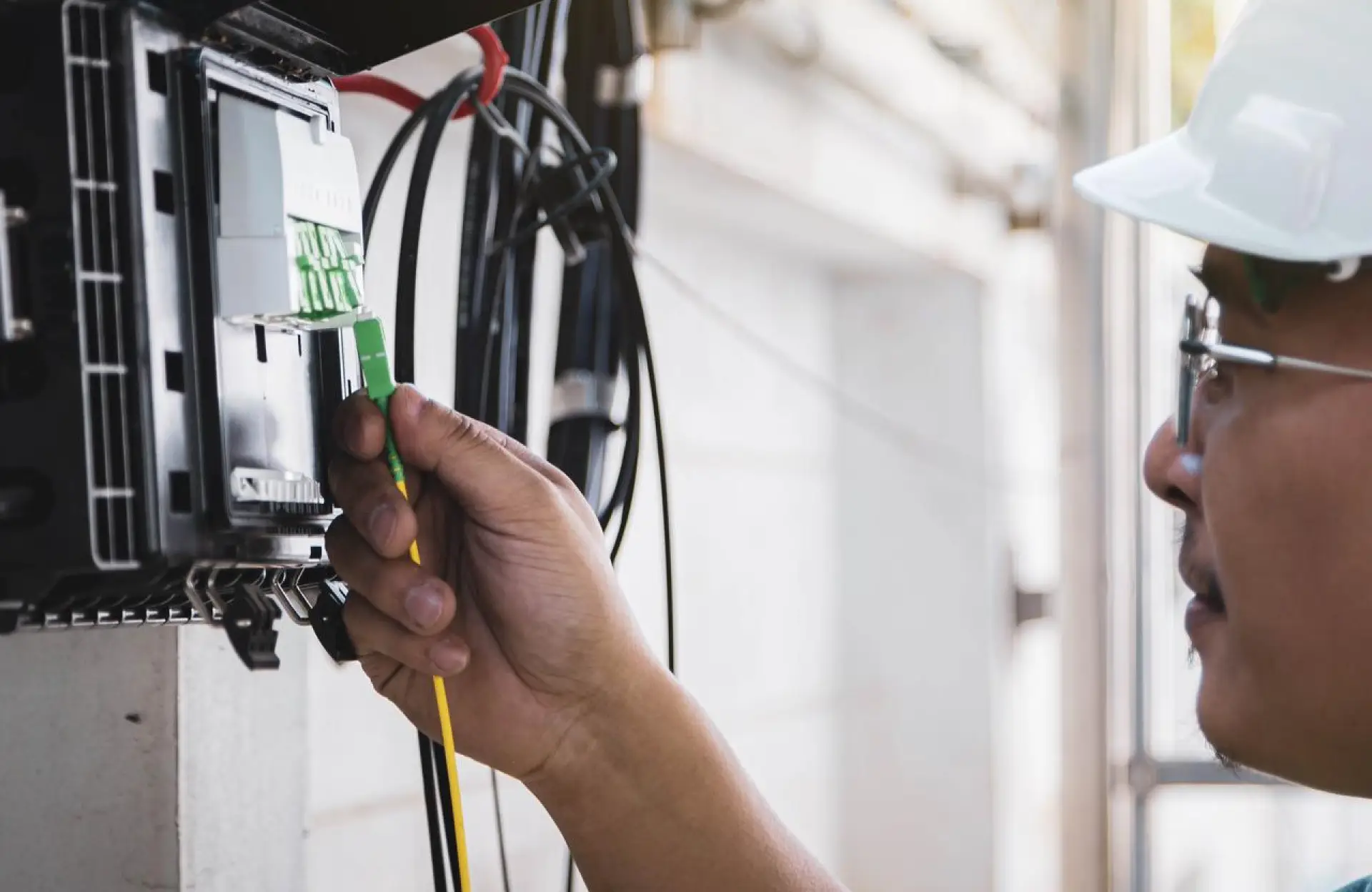


EV charger installation in the GTA is becoming one of the most common home electrical upgrades as EV ownership grows across Toronto and surrounding cities. Most installations require a check of panel capacity, electrical service size, permits, and circuit requirements, so charging is reliable, code-compliant, and ready for future needs.
EV Growth and EV Charger Installation in the GTA
EVs are quickly moving from niche vehicles to common sights around the GTA. Neighbours plugging in at their driveways. Condos adding shared charging stations. More and more EVs in the school drop-off line. The shift is gaining momentum.
Homeowners are starting to ask the practical questions, many before the car is even purchased: Do I need a panel upgrade to charge an EV at home? Can I just plug into a regular outlet? Do I need an ESA permit in Ontario? Can I plan for an EV charger later?
EV adoption trends in Toronto and the GTA are already having a major impact on home electrical upgrades, and EV charger installation GTA homeowners are asking about is now one of the most common requests electricians receive. This guide explains what homeowners should know about charging needs and requirements and how to ensure that your electrical system is ready, safe, and code compliant.
Electric Vehicle Adoption in Toronto and the GTA: What’s Driving EV Growth?
There are a number of factors increasing EV adoption, including lifestyle choices such as smart energy use and lower fossil fuel dependence, growing convenience and accessibility from better infrastructure and charging networks, and long-term total cost of ownership planning.
Key trends pushing EV adoption in the GTA include a wider variety of EV models across different budgets and vehicle types, improved infrastructure and higher visibility of public charging stations across Toronto, Vaughan, Markham, and Mississauga, homeowners prioritising energy efficiency and smart home readiness, workplace and retail charging becoming more commonplace, and interest in future-proofing a home for energy efficiency, lower maintenance, and resale value.
EV adoption trends in Toronto and the GTA are already having a major impact on home electrical upgrades, and EV charger installation in the GTA is now one of the most common requests electricians receive. This guide explains what homeowners should know about charging needs and requirements, and how to make sure your electrical system is ready, safe, and code-compliant.
EV Adoption Growth: Charging Is the New Electrical Load
Home charging is not just “another plug-in accessory”. A Level 2 EV charger is a significant electrical load that runs for extended periods, usually overnight.
Level 2 charging represents a large and ongoing energy draw, different from many other household appliances. It also means that your electrical system needs to be assessed in terms of capacity and safety, accounting for the sum of all electrical loads in a home, both ongoing and short-term, such as EV charging, central air conditioning, and furnaces.
If your electrical system is already near its load limit, an EV charger can quickly cause issues like frequent breaker trips, overloaded circuits, reduced reliability on other appliances and lighting, and a higher risk of overheating and electrical failures at weak connection points.
Ideally, an EV charging circuit is designed to run consistently and safely every day. That requires protection that matches the electrical load.
Level 1 vs. Level 2 Charging at a Glance
| Factor | Level 1 (120V) | Level 2 (240V) |
| Equipment | Standard household outlet | Dedicated circuit, wall-mounted charger |
| Charging speed | Slow | Significantly faster |
| Best for | Low daily driving needs | Daily commuting, multiple vehicles |
| Panel requirement | Usually none | Dedicated circuit; may require panel upgrade |
For most long-term EV owners, Level 2 charging is the most practical solution, but it must be installed correctly.
Do You Need a Panel Upgrade for EV Charger Installation in the GTA?
This is one of the most common questions we receive from GTA homeowners. And the answer is: sometimes. A licensed electrician will evaluate your home’s electrical service and panel capacity to confirm your specific situation.
You may need a panel upgrade if your panel is out of space and there are no open breaker slots, your home has a 60A or 100A service and demand is already high, you are planning other upgrades such as a hot tub, heat pump, or basement finishing, your panel is older and has known safety concerns, or you have frequent breaker trips already. In older neighbourhoods, an electrical panel upgrade North York homeowners complete before adding a charger is often what makes the rest of the installation straightforward.
You may not need a panel upgrade if your home already has 200 amp service, your panel has space for a new breaker, your overall electrical demand is already manageable, or the installation allows for proper load planning. Even when a panel upgrade is not required, the new circuit still needs to be designed and installed to Ontario code.
The best way to get a clearer picture of your options is to talk to a licensed electrician Toronto and GTA homeowners can rely on. A licensed electrician can help confirm what your home can support now and what should be planned for later.
Electrical Service Size in the GTA: The 100A vs. 200A Question
In many GTA neighbourhoods, homeowners still have 100 amp service, especially in older homes. That service may have been adequate for many decades but is now outstripped by modern electrical demand.
Modern electrical loads often include central air conditioning, larger kitchen appliances, home offices with multiple computers and monitors, EV charging, finished basements and rental units, and smart lighting and automation systems.
A move to 200 amp service can provide additional capacity and flexibility, especially for families who are planning upgrades over a long term. An electrician can perform a load calculation and provide guidance based on the current and future needs of your home.
ESA Permits for EV Charger Installation in the GTA
EV charger installation is not a casual DIY project. It is electrical work that must be done correctly for safety and may be inspected where required. In Ontario, all electrical work must meet the Ontario Electrical Safety Code and EV charger installations commonly involve ESA notification and inspection.
A compliant installation helps ensure proper breaker sizing and circuit protection, correct wire sizing and routing, safe connections that reduce the risk of overheating, correct grounding and bonding, and work that is verifiable for insurance and resale. If a charger is installed incorrectly, nuisance tripping, damaged equipment, and unsafe heat buildup over time are possible.
EV Charger Location: Where Should the Charger Be Installed?
For EV charger installation in the GTA, most homeowners assume the charger goes in the garage. But planning the location matters more than people realise.
Common locations for installation include inside the garage (wall-mounted), on an exterior wall near the driveway, in a carport or covered structure, and in a detached garage with additional considerations.
Important planning factors include distance from the electrical panel, cable routing and protection, weather exposure and mounting surface, clearance and daily usability, and future vehicle parking patterns. A well-planned installation makes charging easy, safe, and durable, not awkward or exposed. If you are renovating the garage or driveway area, it may be an ideal time to include charger planning as part of the work.
EV Chargers and Older Homes: What GTA Homeowners Need to Watch For
Many EV owners in Toronto and surrounding areas live in older housing stock: homes with updated interiors but ageing electrical infrastructure and components.
Common issues in older homes include limited panel capacity or crowded breaker layouts, older wiring not designed for modern loads, panels that need replacement due to age or condition, outdated grounding or bonding, and past renovations that added load without planning.
EV adoption is accelerating, but older electrical systems do not automatically adapt. The safest approach is to assess the system and upgrade as needed before adding high-demand equipment. This is where an electrician can provide value by helping homeowners with a clear, practical upgrade path rather than guesswork.
EV Chargers: Impact on Home Resale Value and Future Planning
A growing number of buyers in Vaughan, Richmond Hill, North York, and other GTA communities are asking about EV charging or EV readiness when they shop for a home.
Even if you are not planning to sell soon, preparing your home for EV charging can be a forward-looking improvement that can add convenience and modern appeal to the property.
EV readiness can include dedicated breaker space reserved for a future charger, conduit or wiring rough-in during renovations, panel upgrades that allow future expansion, and proper electrical labelling and circuit organisation. Planning ahead often reduces the overall cost of future work since upgrades can be staged efficiently rather than being rushed.
Smart Charging and Load Management: A Trend to Watch
A number of GTA homeowners are now also asking about “smart” EV charging setups, driven by the growing availability of options to manage energy use and have more flexible charging schedules.
Smart charging benefits may include scheduled overnight charging, energy monitoring, control of charging through apps, and support for future home energy systems. In some cases, load management solutions allow homeowners to add EV charging without immediately upgrading service size, depending on the home’s existing loads and setup.
A licensed electrician can help homeowners understand when these options make sense and when a service upgrade is still the best long-term decision.
When to Get Your Home Assessed
If you are considering buying an EV, installing a Level 2 charger, or upgrading your electrical service, it can be worth getting clear guidance early. A professional assessment can tell you if your home is ready now and what improvements would support safe charging for the long term.
You can also learn more about EV charger installation services and how panel upgrades may fit into your plans.
EV Adoption Is Rising and Homes Need to Keep Up
EV adoption trends in Toronto and the GTA are changing how homeowners approach electrical capacity, safety, and future upgrades. For many households, charging at home is becoming a standard expectation, not a luxury.
The right approach is not to just “install a charger” but to ensure that the electrical panel, service size, circuit design, and code compliance all work together to provide safe and reliable charging.
Phaze-In Electric Ltd. is a licensed, ESA-certified electrical contractor serving North York, Toronto, and the Greater Toronto Area. Led by Master Electrician Andrew Spano, we provide residential and commercial electrical services, including panel upgrades, EV charger installations, lighting design, and code-compliant commercial electrical work. Our focus is on safety, transparency, and high-quality craftsmanship for homeowners, businesses, and property managers.
If you are planning for EV ownership, contact us today to book a licensed assessment and get a code-compliant plan for safe home charging.
Frequently Asked Questions
1. Do I need a panel upgrade to install an EV charger?
Not always. Some homes already have sufficient panel capacity and available breaker space. A licensed electrician can perform a load calculation to determine whether your existing electrical system can safely support a Level 2 EV charger.
2. What is the difference between Level 1 and Level 2 EV charging?
Level 1 charging uses a standard 120-volt household outlet and charges more slowly. Level 2 charging uses a dedicated 240-volt circuit and provides significantly faster charging, making it the preferred option for most homeowners.
3. Do EV charger installations require permits in Ontario?
Yes. EV charger installations typically require ESA notification, inspection, and compliance with the Ontario Electrical Safety Code to ensure the installation is safe and properly documented.
4. Can older Toronto homes support EV chargers?
Many older homes can support EV charging, but some may require panel upgrades, service upgrades, grounding improvements, or circuit modifications. A professional assessment can identify any upgrades needed before installation.
5. Is it worth planning for an EV charger if I don’t own an electric vehicle yet?
Absolutely. Installing a charger rough-in, reserving breaker space, or upgrading panel capacity now can reduce future installation costs and make your home more attractive to future buyers.
Start Your EV Charger Installation in the GTA With Expert Planning
Every home has different electrical requirements, and the best EV charging solutions begin with a professional assessment. Phaze-In Electric Ltd. helps homeowners throughout Toronto and the GTA evaluate panel capacity, plan for future growth, and install code-compliant EV charging systems designed for reliability, efficiency, and peace of mind. Contact us today to schedule your consultation and prepare your home for the future of transportation.
Key Takeaways
- EV charger installation is becoming one of the most common electrical upgrades for GTA homeowners.
- Many homes require a load calculation to determine whether the existing panel can safely support a Level 2 charger.
- Upgrading from 100-amp to 200-amp service may be beneficial for homes planning EV charging and other future electrical upgrades.
- ESA permits, inspections, and Ontario Electrical Safety Code compliance are important parts of every EV charger installation.
- Planning for EV charging early can improve convenience, support future technology, and add long-term value to the property.