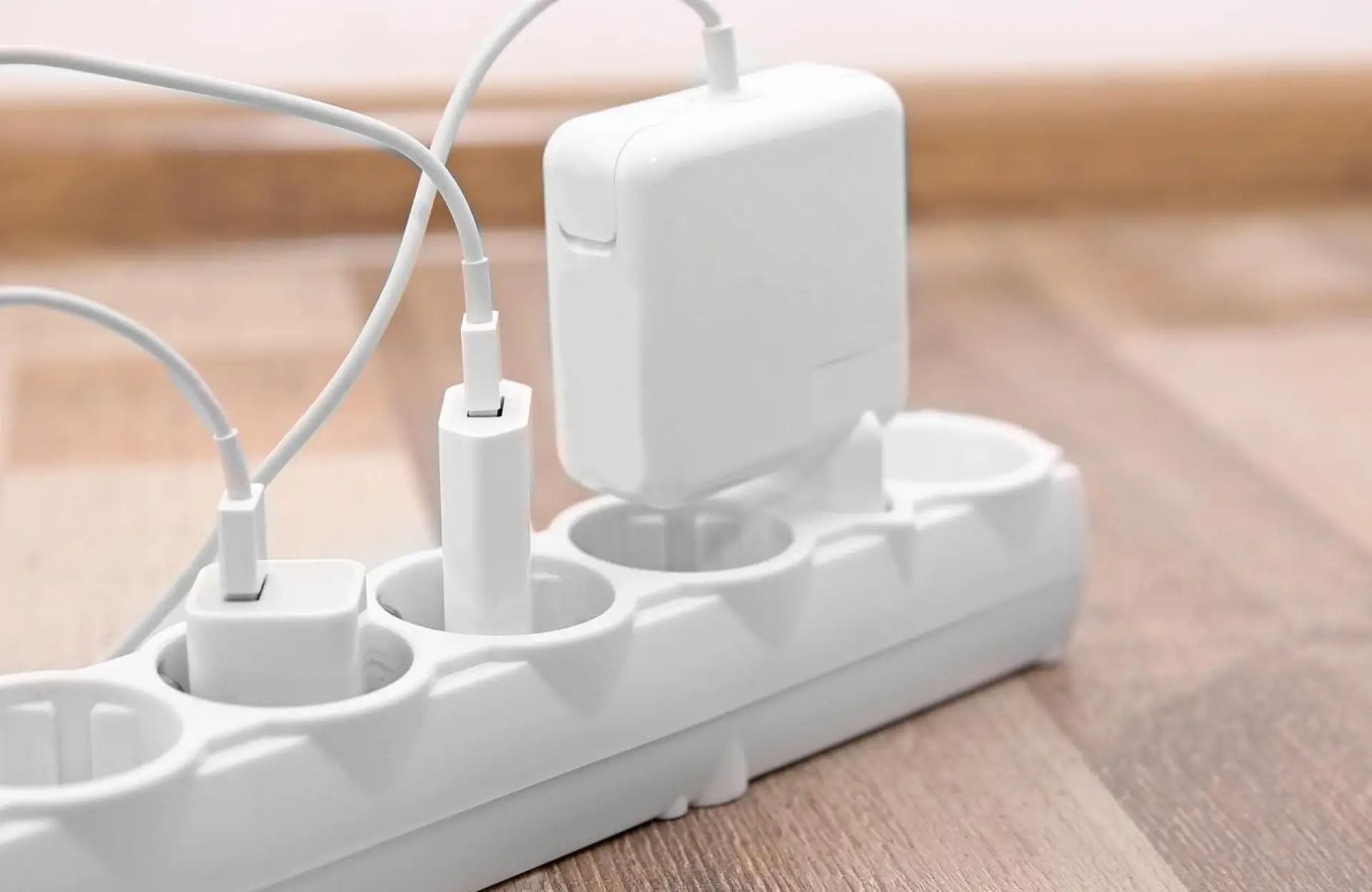

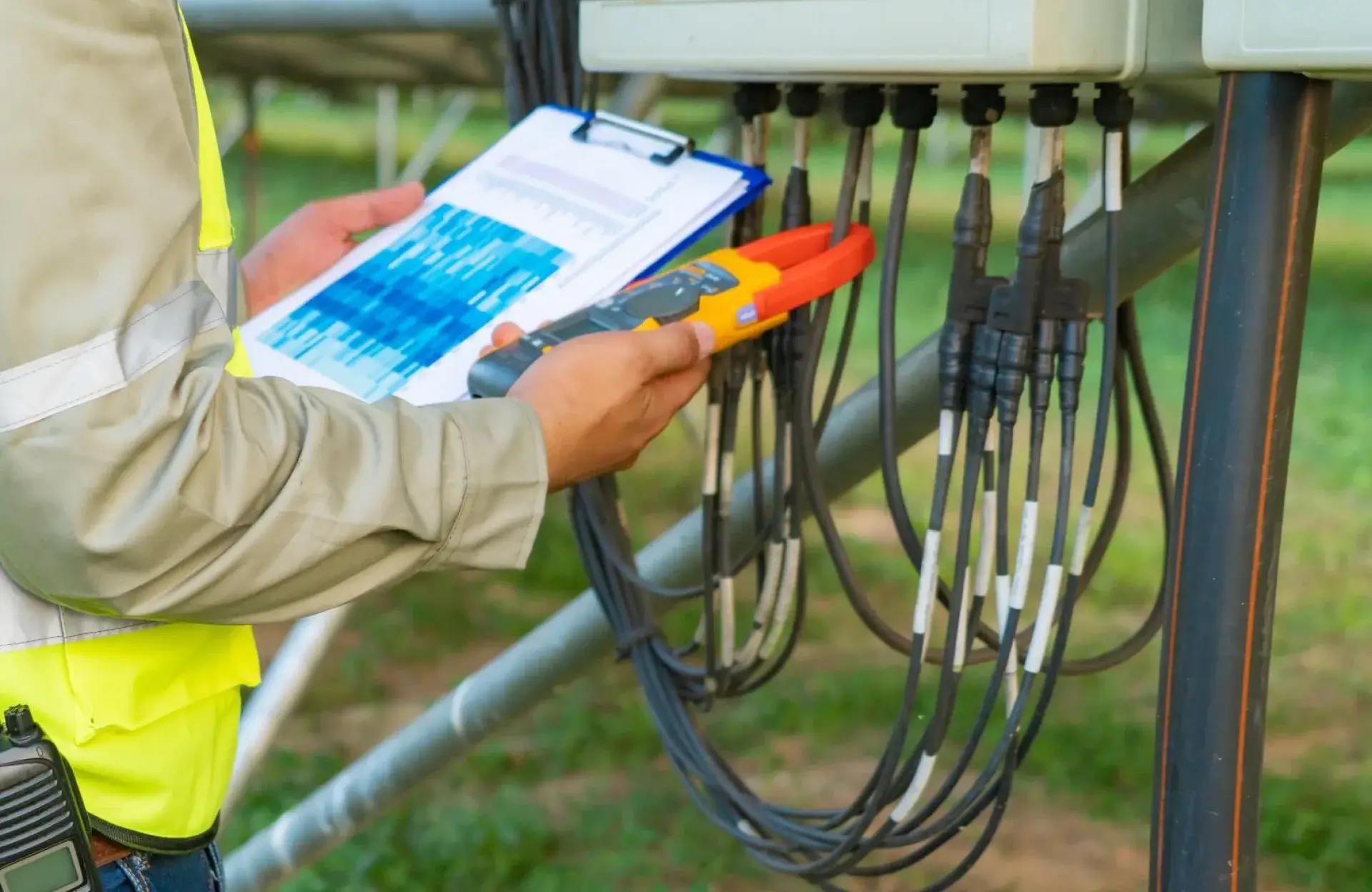
Most GTA homes and commercial buildings were wired for electrical loads that are significantly smaller than what modern properties demand. Proactive electrical planning, including panel assessments, service upgrades, and load capacity reviews, prevents costly emergency repairs, prepares properties for EV chargers and high-draw appliances, and keeps buildings code-compliant as Ontario electrical standards evolve.
Why Does Electrical Planning Matter for GTA Homes and Businesses?
Electrical planning is the practice of assessing, upgrading, and configuring a property’s electrical system to meet current and anticipated future load demands safely and efficiently. For most GTA homeowners and commercial building owners, electrical planning is reactive rather than proactive, meaning upgrades happen after a failure rather than before one.
The problem with reactive electrical management is cost and risk. An overloaded panel that trips repeatedly signals a system already operating beyond its safe design capacity. A circuit that cannot support an EV charger or a hot tub without a dedicated upgrade represents a planning gap that limits the property’s function and resale value.
Phaze-In Electric Ltd. works with homeowners, property managers, and commercial building owners across the GTA to assess current electrical capacity, identify future load requirements, and build a planned upgrade path that addresses real needs in priority order, without unnecessary work or inflated project scope.
What Are the Key Components of a Forward-Looking Electrical Plan?
A forward-looking electrical plan covers three primary areas: current system assessment, future load projection, and infrastructure readiness. Each area informs the priority and sequencing of any electrical work recommended.
- Current system assessment documents the existing panel capacity, service amperage, circuit configuration, wiring condition, and any known deficiencies. This baseline determines what the system can support today and what it cannot.
- Future load projection identifies the electrical demands the property owner anticipates over the next five to ten years. Common additions for GTA homeowners include EV chargers, hot tubs, pool equipment, home additions, basement finishing, and whole-home surge protection. Commercial properties may be planning kitchen expansions, additional HVAC zones, or technology infrastructure upgrades.
- Infrastructure readiness determines whether the existing service entrance, panel, and wiring can accommodate the projected future loads, or whether upgrades to the service, panel, or branch circuits are required to support those additions safely and in compliance with the Ontario Electrical Safety Code.
Phaze-In Electric Ltd. provides full system assessments through its electrical services for both residential and commercial clients across Toronto and the wider GTA.
How Does Electrical Panel Capacity Affect Future Planning for GTA Properties?
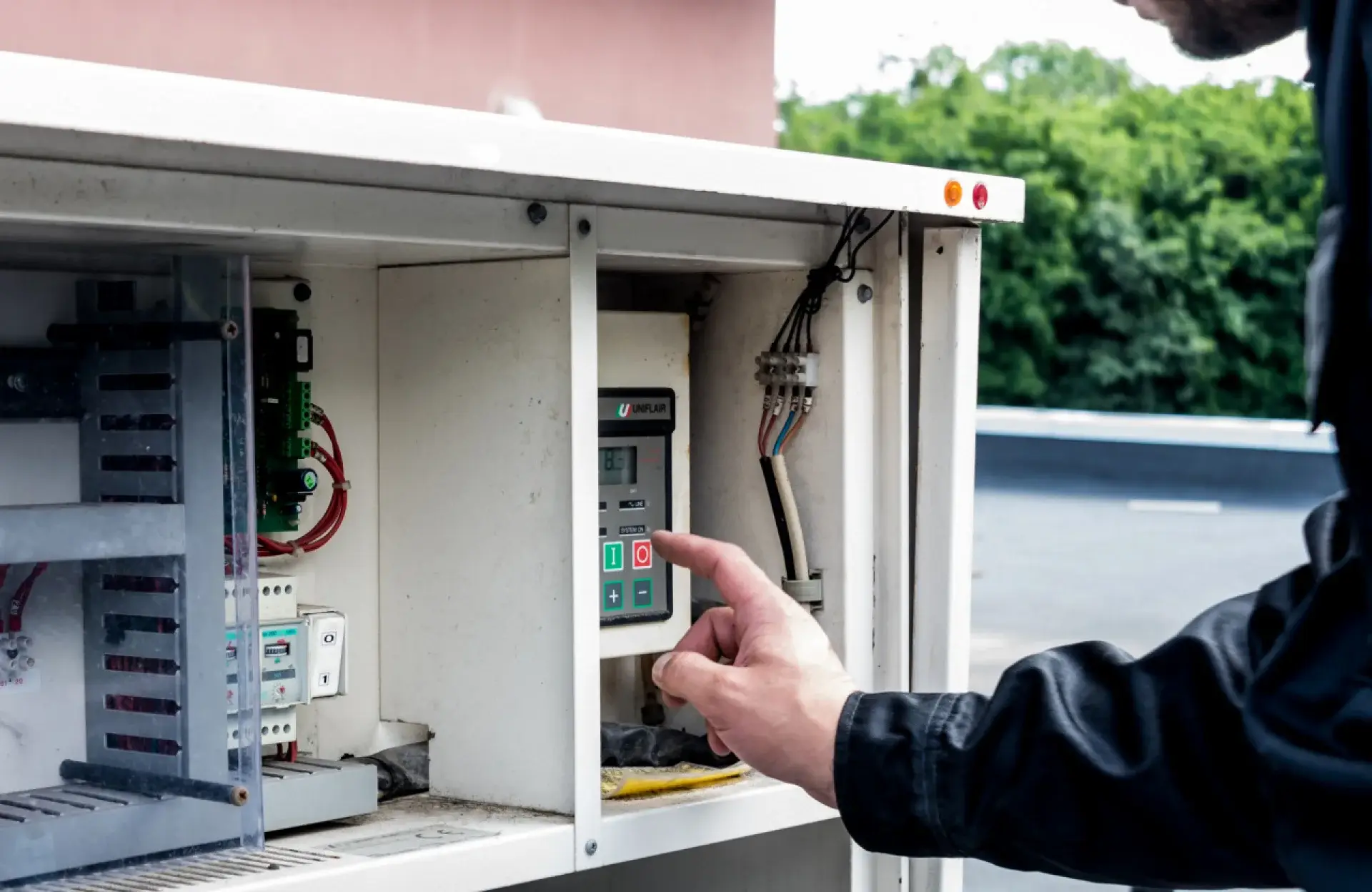
The electrical panel is the central distribution point for all power in a home or commercial building. Its capacity, measured in amperes, determines how much total electrical load the property can draw simultaneously without tripping breakers or creating a safety hazard.
The majority of GTA homes built before 1990 were wired with 100-amp service. A 100-amp panel was adequate for the electrical loads of that era: basic lighting, a few appliances, and a furnace. A modern GTA home running central air conditioning, an EV charger, a dishwasher, a washer and dryer, smart home systems, and multiple entertainment zones can easily exceed 150 to 200 amps of demand.
A 200-amp service upgrade is the standard recommendation for most GTA homes planning to add high-draw equipment. For properties adding both an EV charger and a hot tub or pool system, the load calculation must account for all simultaneous draws to confirm 200-amp service is sufficient or whether a larger service is required.
Understand exactly what a panel upgrade covers and how it is sequenced for GTA homeowners adding new electrical systems to their property.
What Electrical Upgrades Should GTA Homeowners Plan For in the Next Five Years?
Several electrical additions have become standard considerations for GTA homeowners over the next five years, driven by EV adoption, home improvement trends, and Ontario energy efficiency programs. Planning for these in advance prevents multiple mobilizations and reduces total project cost.
|
Addition |
Panel Requirement |
Planning Priority |
|
EV Charger (Level 2) |
200A service, dedicated 40-50A circuit |
High for all new vehicle owners |
|
Hot Tub or Spa |
Dedicated 60A GFCI circuit |
Plan before purchase |
|
Basement Suite |
Sub-panel or added capacity |
Required before rental |
|
Central AC (new) |
Dedicated 30-60A circuit |
Plan ahead of summer |
|
Whole-Home Surge Protector |
Compatible panel required |
Immediate for all homes |
|
Home Addition |
Load calculation required |
Plan before permits |
How Does an Overloaded Panel Signal That Electrical Planning Is Overdue?
An overloaded electrical panel is the most direct signal that a property’s electrical system has not kept pace with its actual load demands. Common symptoms include circuit breakers that trip repeatedly under normal use, lights that flicker when large appliances start up, and outlets or switches that feel warm to the touch without obvious cause.
These symptoms indicate the system is already operating at or beyond its safe design capacity. Continuing to use a panel in this condition increases the risk of breaker failure, wiring overheating, and in serious cases, electrical fire. The Ontario Electrical Safety Code sets clear standards for panel capacity relative to connected load, and an overloaded panel that has not been assessed by a licensed electrician does not meet those standards.
Review the specific warning signs of an overloaded panel and what steps GTA homeowners should take when those signs appear.
How Should GTA Commercial Buildings Plan Their Electrical Infrastructure?
Commercial electrical planning is more complex than residential planning due to the scale of the distribution system, the diversity of connected loads, and the compliance requirements that apply to commercial properties under the Ontario Electrical Safety Code and applicable building codes.
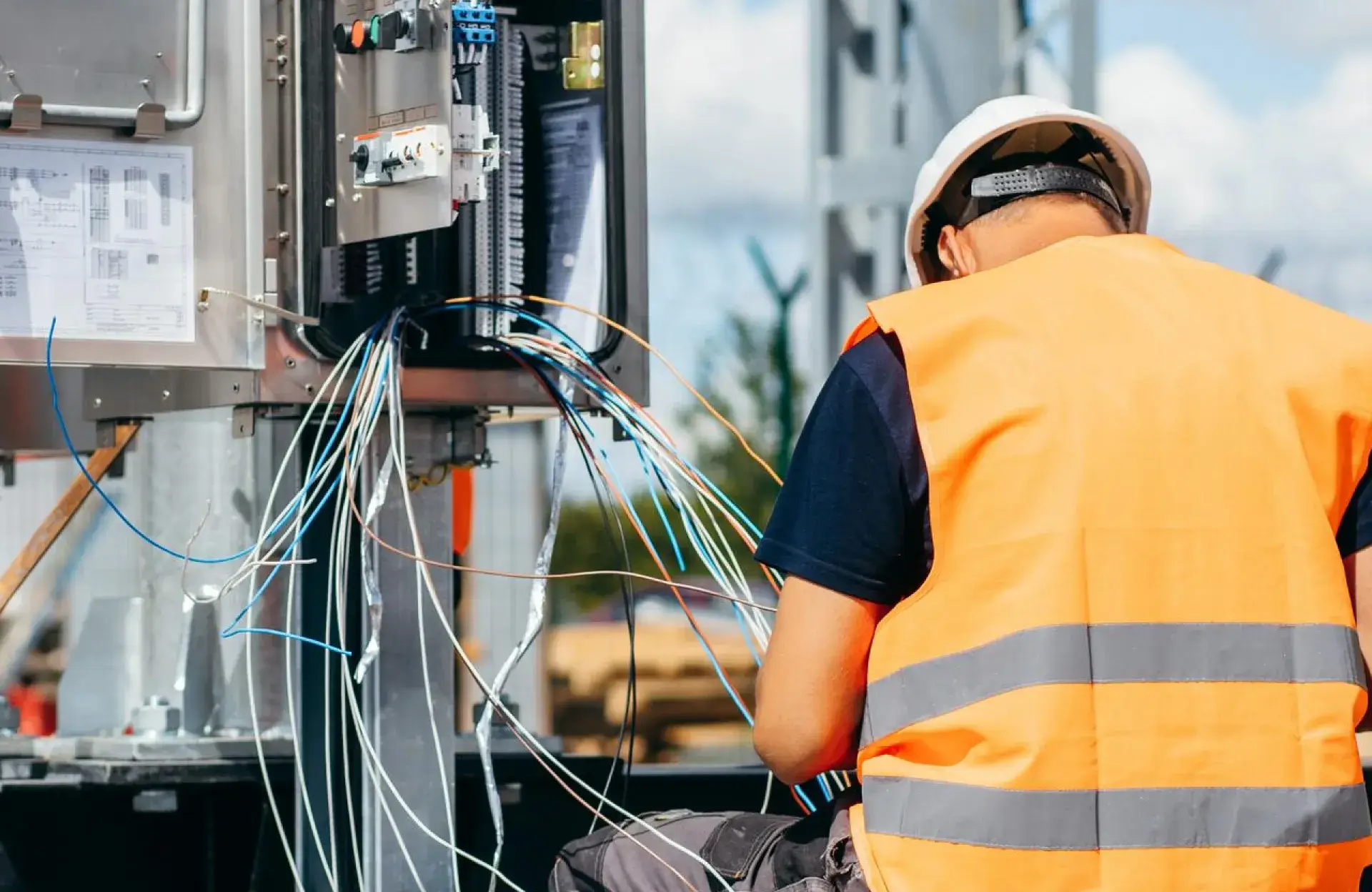
For commercial buildings, effective electrical planning begins with a load analysis that documents every circuit, its connected equipment, and its peak demand in amperes. This analysis identifies whether the existing service and panel configuration can support current operations and whether expansion, renovation, or additional tenant load is feasible without infrastructure upgrades.
Property managers overseeing multi-tenant commercial buildings have an additional planning obligation: anticipating the electrical load requirements of incoming tenants before lease commitments are made. A tenant requiring three-phase power in a building wired for single-phase service creates a major retrofit cost that could have been avoided with proactive planning.
Phaze-In Electric Ltd. provides commercial load analysis and infrastructure planning as part of its commercial electrical consulting services for building owners and property managers across the GTA.
What Does Electrical Planning for EV Charger Installation Involve?
EV charger installation is the most common electrical planning trigger for GTA homeowners in 2025 and beyond. Ontario’s growing EV adoption rate, combined with federal and provincial incentive programs, means that a large portion of GTA households are adding Level 2 charging capability to their homes within the next two to five years.
A Level 2 EV charger requires a dedicated 240V circuit with a 40-amp or 50-amp breaker. If the panel currently has no available breaker slots, a panel upgrade may be needed before the charger circuit can be installed. If the home is already on 100-amp service and is running multiple high-draw appliances, a service upgrade to 200-amp may be required to accommodate the charger without exceeding safe panel capacity.
Phaze-In Electric provides a dedicated assessment for homeowners pairing an EV charger panel upgrade with a new charging station installation across the GTA.
Building a Reliable Electrical Foundation for Your GTA Property
Proactive electrical planning is the difference between a property that supports the lifestyle or business operations it needs to, and one that consistently limits both through outdated infrastructure. For GTA homeowners and commercial building owners, the cost of planned upgrades completed on a logical timeline is always lower than the cost of emergency repairs triggered by failures.
Phaze-In Electric Ltd., led by master electrician Andrew Spano with ESA licensure and over 15 years of combined residential and commercial electrical experience, provides load assessments, panel upgrades, service upgrades, and full electrical planning consultations for clients across Toronto, North York, Etobicoke, Vaughan, Markham, Richmond Hill, Stouffville, Mississauga, and Oakville. Every recommendation follows the Ontario Electrical Safety Code and is grounded in an honest assessment of what the property actually needs.
Browse common questions about electrical upgrades and planning across the GTA, or contact Phaze-In Electric to schedule a consultation.
Frequently Asked Questions
1. What is electrical planning and why does it matter for GTA homeowners?
Electrical planning is the process of assessing a property’s current electrical capacity, projecting future load requirements, and sequencing any necessary upgrades to meet those demands safely and in compliance with the Ontario Electrical Safety Code. It matters for GTA homeowners because most homes in the region were wired for electrical loads significantly smaller than what modern households demand. Planning ahead prevents emergency repairs, reduces total upgrade costs, and prepares the home for additions like EV chargers, hot tubs, and basement suites.
2. How do I know if my GTA home needs a service or panel upgrade?
Common signs that a GTA home needs a service or panel upgrade include circuit breakers that trip regularly under normal load, flickering lights when large appliances cycle on, a panel running 100-amp service in a home with central air conditioning or an EV charger, and a panel that has no available breaker slots for additional circuits. A licensed master electrician can assess the panel and give a clear recommendation based on the property’s actual load and planned additions.
3. What is the difference between a panel upgrade and a service upgrade?
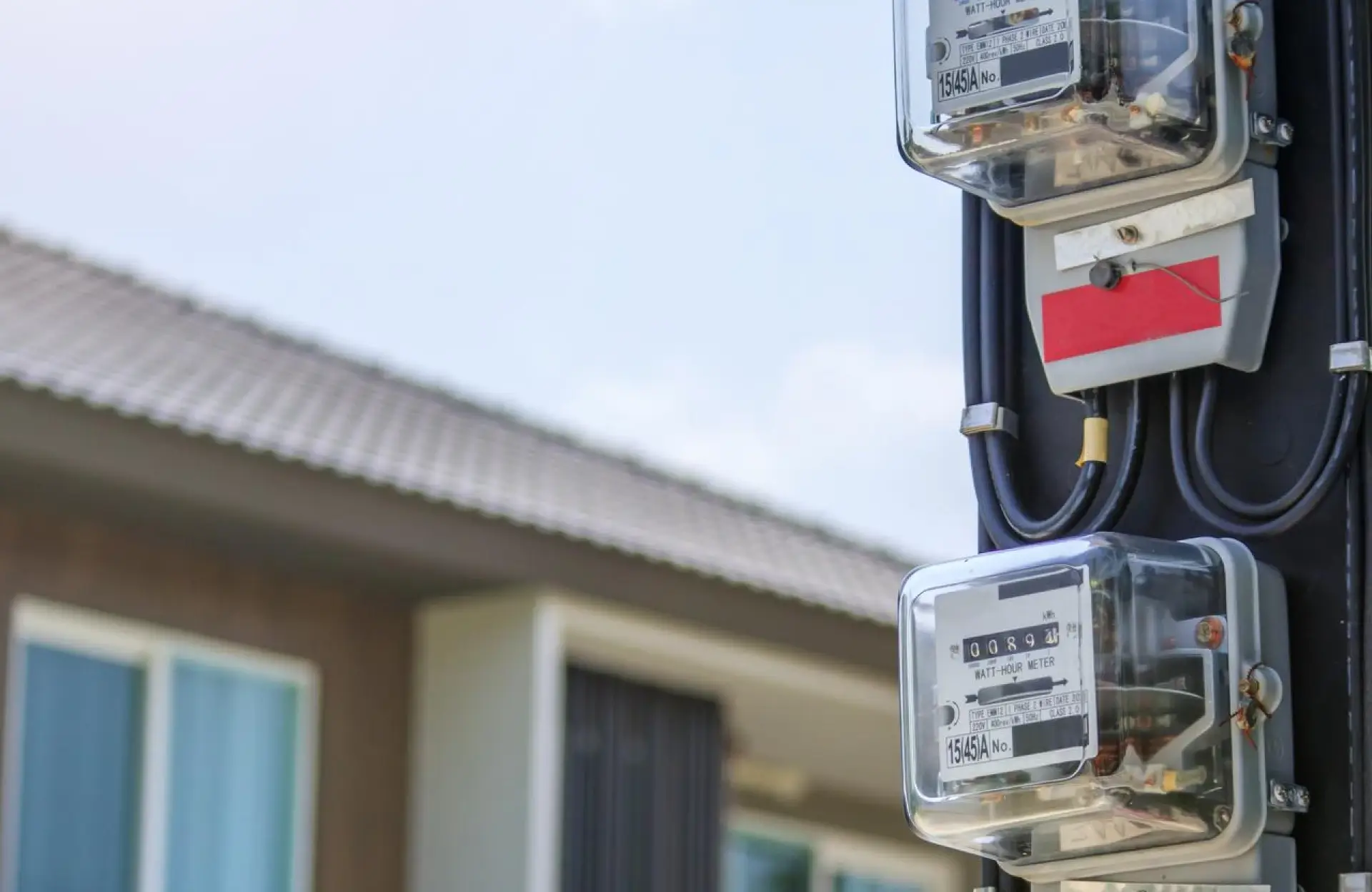
A panel upgrade replaces the electrical panel and circuit breakers inside the home, typically increasing capacity from 100 to 200 amps at the distribution level. A service upgrade involves upgrading the wiring and metering from the utility connection at the street all the way to the panel, including the service entrance conductors and the meter base. Some properties need both. A licensed electrician must assess the full system to determine which upgrade or combination is required.
4. How far in advance should I plan electrical upgrades for a home addition or renovation?
Electrical planning for a home addition or major renovation should begin before the renovation permit is filed. The electrical scope of the project must be known to the permit office, and in many cases an electrical permit from the Electrical Safety Authority must be pulled alongside the building permit. Engaging a licensed electrician in the early planning stage allows the electrical work to be sequenced correctly with other trades and avoids costly rework once walls are closed.
5. Does adding an EV charger always require a panel or service upgrade?
Not always. Whether an EV charger requires a panel or service upgrade depends on the existing panel capacity, the current load on the service, and the amperage of the charger circuit being installed. A 200-amp panel with available breaker slots and reasonable existing load can often accommodate a Level 2 EV charger without any upgrade. A 100-amp panel already managing central air, a furnace, and multiple appliances will typically require at minimum a panel upgrade before a charger circuit can be added safely.
6. Can electrical planning help reduce my energy costs in the GTA?
Electrical planning directly supports energy efficiency when it includes load balancing, circuit optimization, and the replacement of outdated wiring or inefficient systems. Properly sized circuits reduce resistive losses, and a modern panel with correct breaker ratings supports the safe use of energy-efficient systems such as LED lighting, smart thermostats, and variable speed HVAC equipment. While electrical planning is primarily a safety and capacity exercise, efficiency gains are a consistent secondary benefit of a well-executed upgrade.
Ready to Plan Your Electrical System for the Future?
Phaze-In Electric Ltd. serves residential and commercial clients across Toronto, North York, Etobicoke, Vaughan, Markham, Richmond Hill, Stouffville, Mississauga, and Oakville. Visit contact and booking to schedule an electrical planning consultation.
Key Takeaways
- Most GTA homes and commercial buildings are running electrical systems designed for loads significantly smaller than what modern properties demand. Proactive planning closes that gap before it becomes a failure.
- A forward-looking electrical plan covers current system assessment, future load projection, and infrastructure readiness in a prioritized sequence.
- A service upgrade and a panel upgrade are different interventions. A licensed electrician must assess the full system to determine which is needed and in what order.
- EV charger installation is the most common electrical planning trigger for GTA homeowners. Whether a panel or service upgrade is required depends on current capacity and load.
- Commercial electrical planning must account for tenant load requirements and potential future uses before lease commitments are made, not after.
- Phaze-In Electric Ltd. is a fully licensed, ESA-registered contractor providing electrical planning consultations for residential and commercial clients across the Greater Toronto Area.