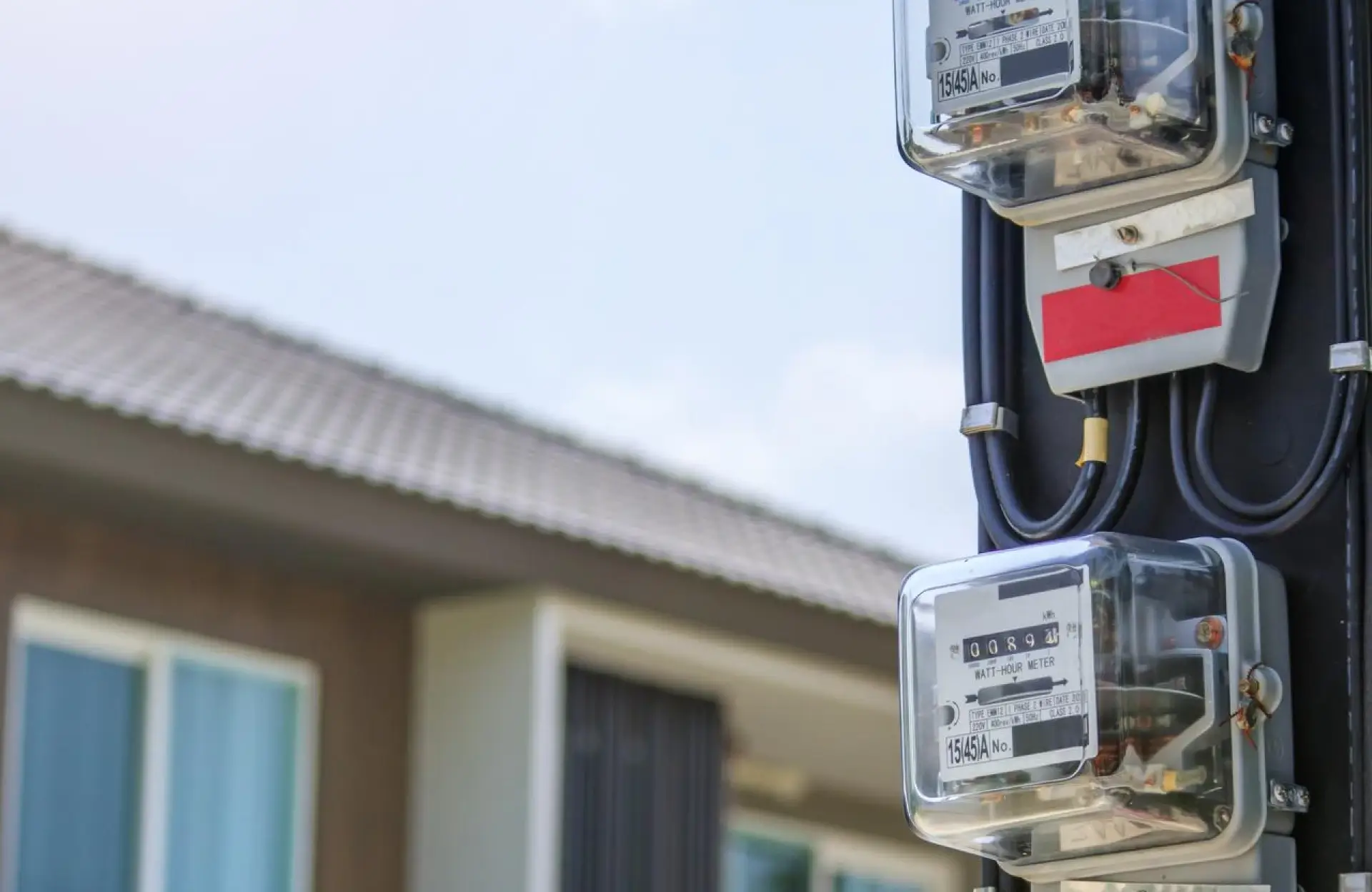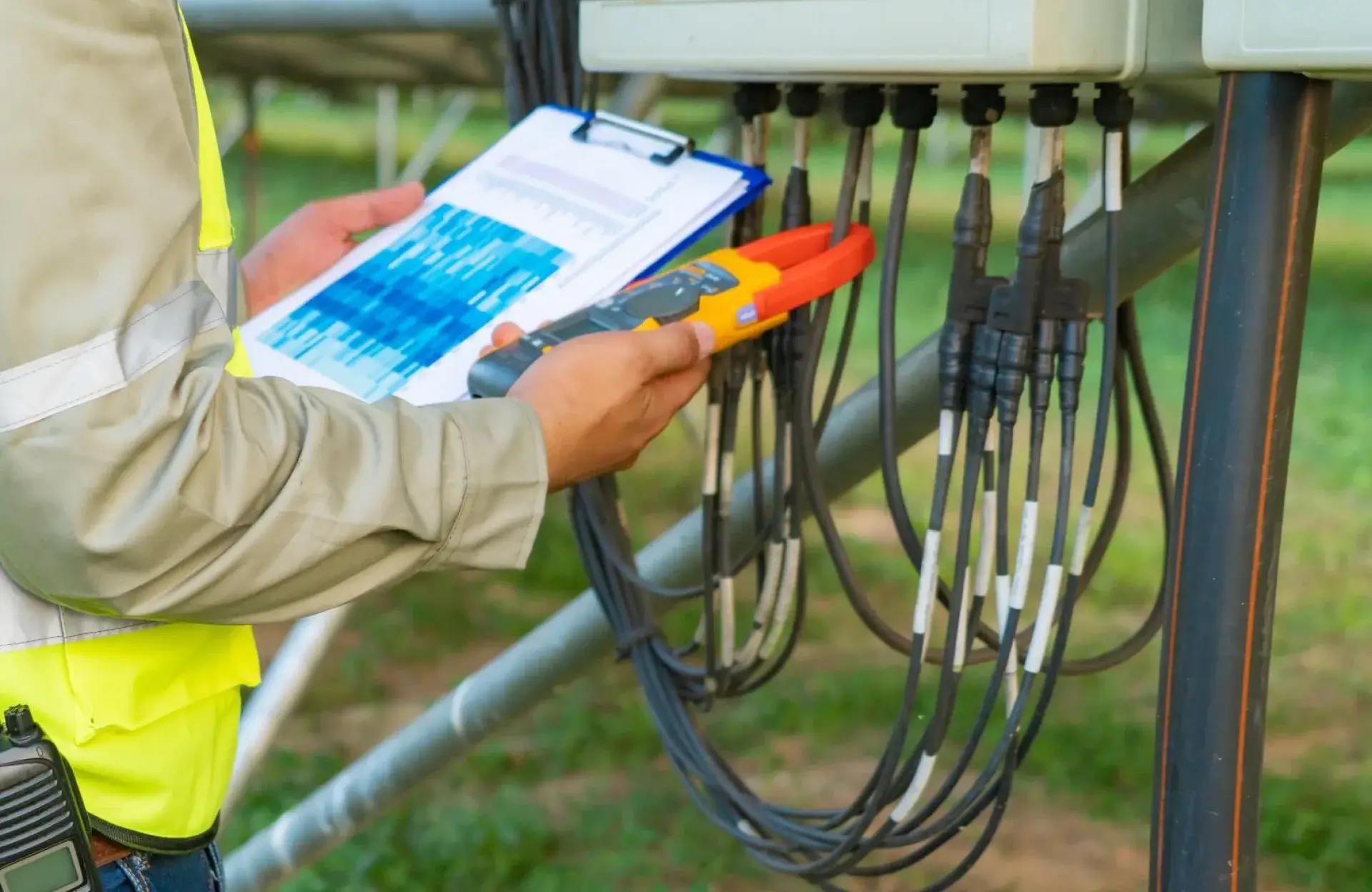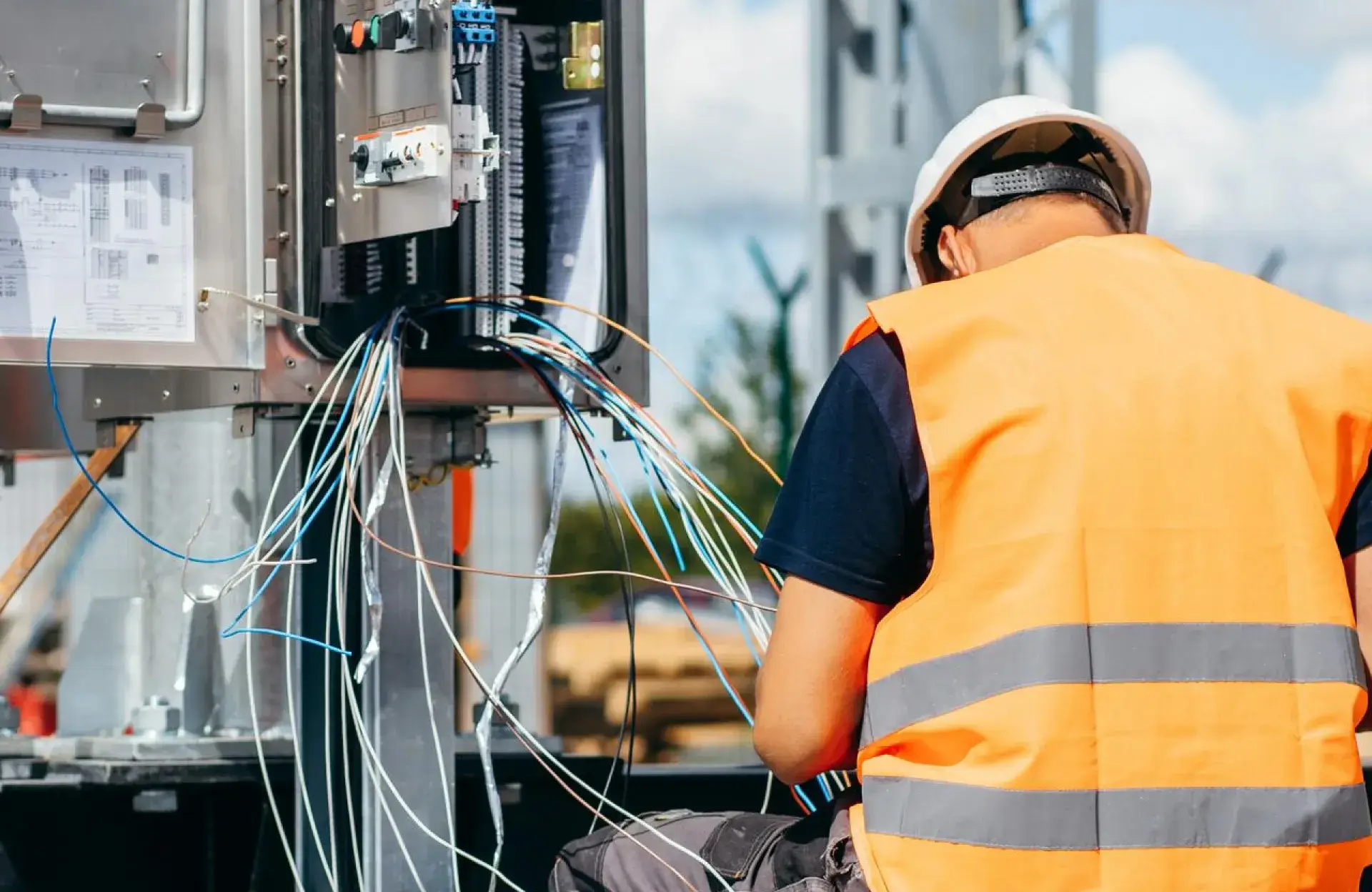

An overloaded electrical panel does not fail suddenly. It sends warning signs weeks or months before a serious problem develops. This guide covers the 8 most common indicators that a Toronto home or commercial property is drawing more power than the panel can safely supply, what causes electrical overloads, and when to call a licensed electrician before a safety hazard becomes an emergency.
What Panel Overload Actually Means
Every electrical panel is rated to a maximum amperage, typically 60, 100, or 200 amps for residential properties. When the combined electrical demand of all circuits in a building consistently approaches or exceeds that rating, the system is operating under overload conditions.
Electrical overloads develop gradually. As homeowners and business owners add appliances, upgrade equipment, or expand operations over time, the electrical demand grows while the service size stays the same. The panel eventually reaches a point where it cannot safely distribute the required power, and the warning signs begin to appear.
Overloaded panels are also one of the most common reasons properties require corrective action from the Electrical Safety Authority or fail to pass insurance inspections. Addressing the warning signs early avoids mandatory emergency work and the liability that comes with a non-compliant electrical system.
8 Warning Signs of an Overloaded Electrical Panel
1. Frequent Circuit Breaker Trips
Circuit breakers trip to protect a circuit when more current flows through it than the breaker is rated for. Occasional trips after plugging in a high-demand appliance are normal. Frequent trips under everyday loads are not. When a breaker trips repeatedly, it indicates that the circuit, and often the panel, is being pushed beyond its capacity.
Repeatedly resetting a tripping breaker without investigating the cause allows overheating to continue inside the panel. This is one of the clearest signals that a professional load assessment is needed.
2. Dimming or Flickering Lights
Lights that dim or flicker when a large appliance starts are a classic symptom of a system under excessive electrical strain. HVAC equipment, electric ranges, EV chargers, and commercial machinery all draw high current during startup, briefly dropping voltage across the system. A properly sized panel and service absorbs these startup surges without affecting the rest of the circuits.
If your lights dim every time the air conditioning starts or when an EV charger draws power, the electrical system is signalling that it does not have adequate capacity for the combined load.
3. Warm or Hot Electrical Panel
An electrical panel that is noticeably hot to the touch is a serious warning sign. Some warmth during heavy use is normal, but heat that persists or is concentrated in specific areas of the panel indicates overloaded circuits, loose connections, or breakers operating beyond their design limits. Heat buildup inside an electrical panel is a leading cause of electrical fires.
Discolouration on the panel face, a burning smell, or visible scorching around breakers are all indicators that immediate professional assessment is needed rather than a scheduled appointment.
4. Burning Smells or Unusual Odours
A burning or acrid smell from the panel, outlets, or switches indicates melting insulation, overheated wiring, or failing breaker components. These smells appear before visible damage is present. If you notice any burning smell near electrical components, shut off power to the affected area if safe to do so and contact a licensed electrician without delay.
5. Buzzing, Humming, or Crackling Sounds
A properly functioning electrical panel operates quietly. Buzzing, humming, or crackling sounds suggest overloaded breakers vibrating under load, loose internal connections, or degrading panel components. Electrical noise indicates energy loss and localised heat buildup. Left unresolved, it leads to breaker failure and internal arcing, which creates both a fire risk and a potential shock hazard.
6. No Space for New Circuits
A panel with no available breaker slots has reached its design limit. This is common in older Toronto homes and commercial properties that were wired for the electrical loads of a different era. Using tandem breakers, overcrowding circuits, or running extension cords as a workaround creates code violations and increases fire risk. The correct solution is a panel upgrade that provides adequate circuit capacity for actual use.
7. Heavy Reliance on Extension Cords and Power Bars
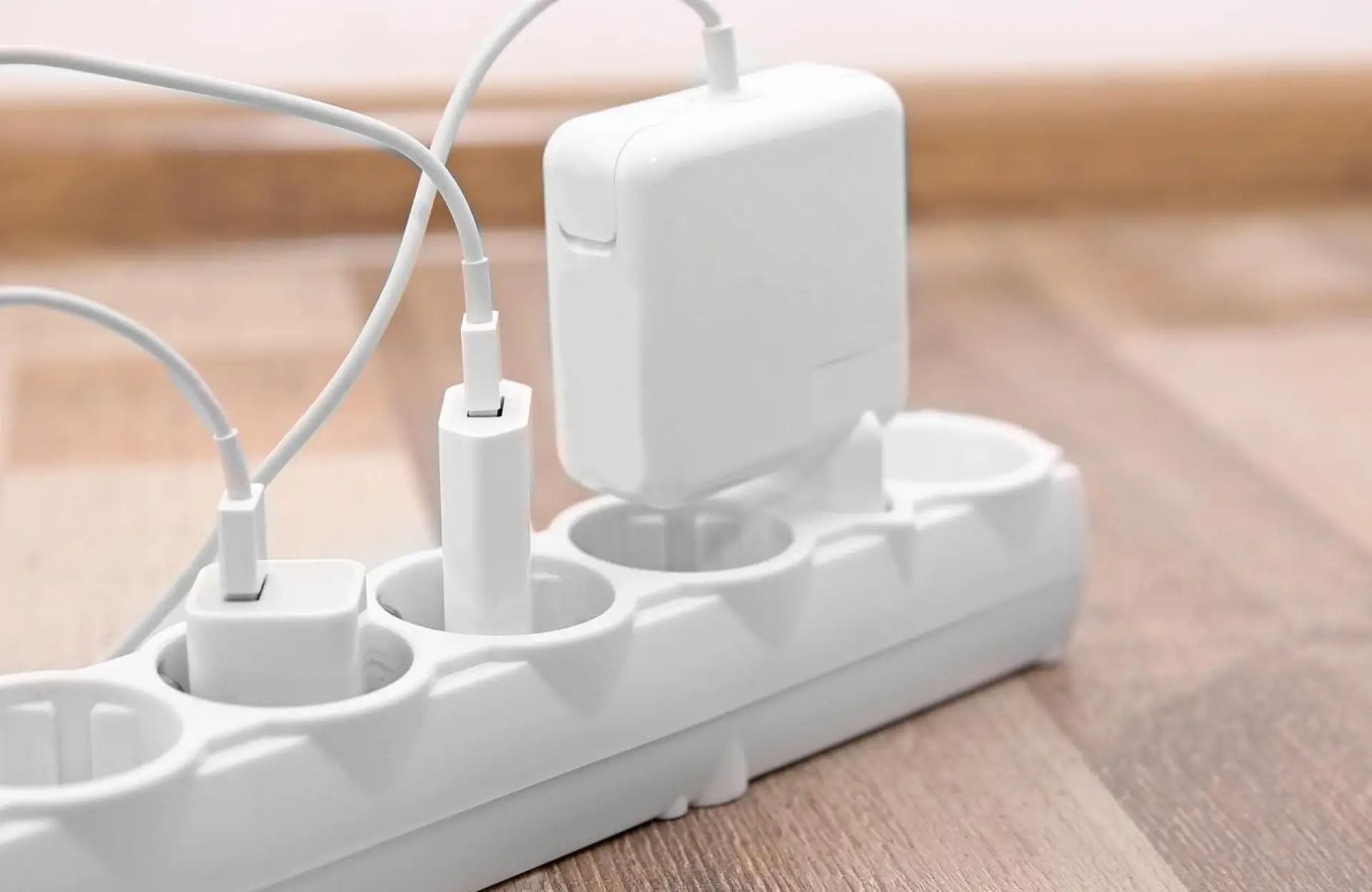
When extension cords and multi-outlet power bars become a permanent fixture in a home or business, it is a sign that the existing circuit layout cannot support the electrical demand of the space. Extension cords are not designed for sustained or high-load use. Relying on them as a long-term solution creates overloading conditions and significantly raises the risk of overheating and electrical fires.
8. Mild Shocks or Tingling When Touching Outlets
A tingling sensation or mild shock when touching outlets, switches, or plugged-in equipment is a grounding or overload-related symptom that should never be dismissed as a minor inconvenience. It indicates that the electrical system is not operating safely and that a professional assessment is urgently needed.
Why Electrical Overloads Happen in Toronto Properties
Most electrical overloads develop gradually rather than from a single event. Toronto properties built before the 1980s were wired for far lower electrical demand than modern homes require. Adding air conditioning, home office equipment, EV chargers, electric heating, and smart home systems to a panel that was sized for a fraction of that load creates the conditions for an overloaded system over time.
For properties with older panels or service sizes below 200 amps, even modest additions can push the system into overload territory. Properties with these characteristics often also show signs covered in the guide on older homes and their electrical limitations.
Ontario Code Compliance and Insurance Implications
The Ontario Electrical Safety Code requires that electrical systems meet current safety standards. An overloaded panel that fails an ESA inspection requires mandatory corrective work before it can be approved. Insurance providers may also deny electrical damage or fire claims if the system is found to be non-compliant at the time of the incident.
Addressing an overloaded panel before an inspection is required, or before a claim is filed, protects both safety and financial position. Proactive upgrades are consistently less expensive than emergency corrections or disputed insurance claims.
When a Panel Upgrade Is the Right Solution
An overloaded electrical panel is a symptom of a service that can no longer meet demand. In many cases, the right solution is a panel upgrade that provides sufficient circuit capacity, updated components, and the headroom needed for current and future electrical loads.
A service upgrade may also be necessary if the incoming service size itself is insufficient, not just the panel. A licensed electrician will perform a load calculation to determine whether a panel replacement, a service upgrade, or both are required for the specific property.
Act on Warning Signs Before They Become an Emergency
An overloaded electrical panel is a safety hazard that compounds over time. Frequent breaker trips, flickering lights, unexplained warmth, unusual smells, and electrical sounds all appear well before a serious failure or fire. Each one is an indication that the electrical system needs professional attention, not a temporary workaround.
Phaze-In Electric Ltd. is a licensed, ESA-certified electrical contractor serving North York, Toronto, Etobicoke, Vaughan, Markham, Richmond Hill, Mississauga, and Oakville. Led by Master Electrician Andrew Spano, the team performs load assessments, panel upgrades, and service upgrades for residential and commercial properties across the GTA.
Contact Phaze-In Electric to schedule a professional electrical assessment if you are experiencing any of the warning signs covered in this guide.
Frequently Asked Questions
1. What is an overloaded electrical panel?
An overloaded electrical panel occurs when the combined electrical demand of all circuits in a building consistently approaches or exceeds the panel’s rated amperage capacity. The panel cannot safely distribute the required power, causing stress on the breakers, conductors, and panel components. Over time, this stress leads to overheating, component failure, and elevated fire risk.
2. How do I know if my Toronto home has an overloaded electrical panel?
The most common warning signs are frequent circuit breaker trips under normal loads, lights dimming when appliances start, a panel that feels warm or hot to the touch, burning smells from electrical components, buzzing or crackling sounds from the panel, no available breaker slots, heavy reliance on extension cords, and mild shocks when touching outlets or switches. Any of these signs warrants a professional electrical assessment.
3. Is it safe to keep resetting a tripping circuit breaker?
Resetting a tripping breaker once to restore power after an obvious overload is common. Repeatedly resetting a breaker that trips frequently under normal loads is not safe. Each trip allows the overloaded condition to persist and may indicate a failing breaker, an overloaded circuit, or an undersized panel. A licensed electrician should investigate the root cause before the breaker is reset again.
4. Can an overloaded panel cause a fire?
Yes. An overloaded electrical panel causes heat buildup in the panel components, conductors, and connections. Sustained heat deteriorates insulation, weakens connections, and can ignite surrounding combustible materials. Heat buildup and internal arcing in an overloaded panel are among the most common causes of electrical fires in older residential and commercial properties in Toronto.
5. Does an overloaded electrical panel always need to be replaced?
Not always, but it is common. If the panel is undersized for current demand, has failed components, or lacks space for the circuits the property needs, a panel replacement is the appropriate solution. In some cases, redistributing loads across existing circuits or adding a sub-panel can address the immediate overload. A licensed electrician will assess the situation and recommend the most appropriate and code-compliant solution.
6. Will my insurance cover damage from an overloaded electrical panel?
Insurance coverage depends on the specific policy and whether the electrical system was compliant at the time of the incident. If an insurer finds that the electrical system was non-compliant with the Ontario Electrical Safety Code, or that known warning signs were ignored, a claim may be denied or reduced. Proactive assessment and upgrade of an overloaded panel protects both safety and insurance coverage.
7. How much does it cost to fix an overloaded electrical panel in Toronto?
Cost depends on the scope of work required. Redistributing loads across existing circuits is the least expensive option. Panel replacement at the same amperage is a mid-range project. Full service upgrade from 100 amp to 200 amp service is the most comprehensive and costly option. A site assessment and load calculation from a licensed electrician provides the most accurate pricing for your specific property.
Schedule an Overloaded Panel Assessment with Phaze-In Electric
Phaze-In Electric Ltd. is a licensed, ESA-certified electrical contractor serving Toronto, North York, and the GTA. Our residential team performs load assessments, panel inspections, and full service upgrades for properties showing any of the warning signs covered in this guide. Call us to book your assessment.
Key Takeaways
- An overloaded electrical panel sends warning signs well before a serious failure occurs. Acting on them early is always safer and less expensive than waiting for an emergency.
- Frequent breaker trips, flickering lights, panel warmth, burning smells, electrical sounds, no circuit space, extension cord dependency, and mild shocks are all signals of an overloaded system.
- Most electrical overloads develop gradually as electrical demand grows while the panel and service size remain unchanged.
- An overloaded panel that fails an ESA inspection requires mandatory corrective work, and insurance claims may be affected if the system was non-compliant.
- A licensed electrician will perform a load calculation to determine whether a circuit redistribution, panel upgrade, or full service upgrade is the right solution.
- Phaze-In Electric Ltd. provides load assessments, panel upgrades, and service upgrades for residential and commercial properties across Toronto and the GTA.