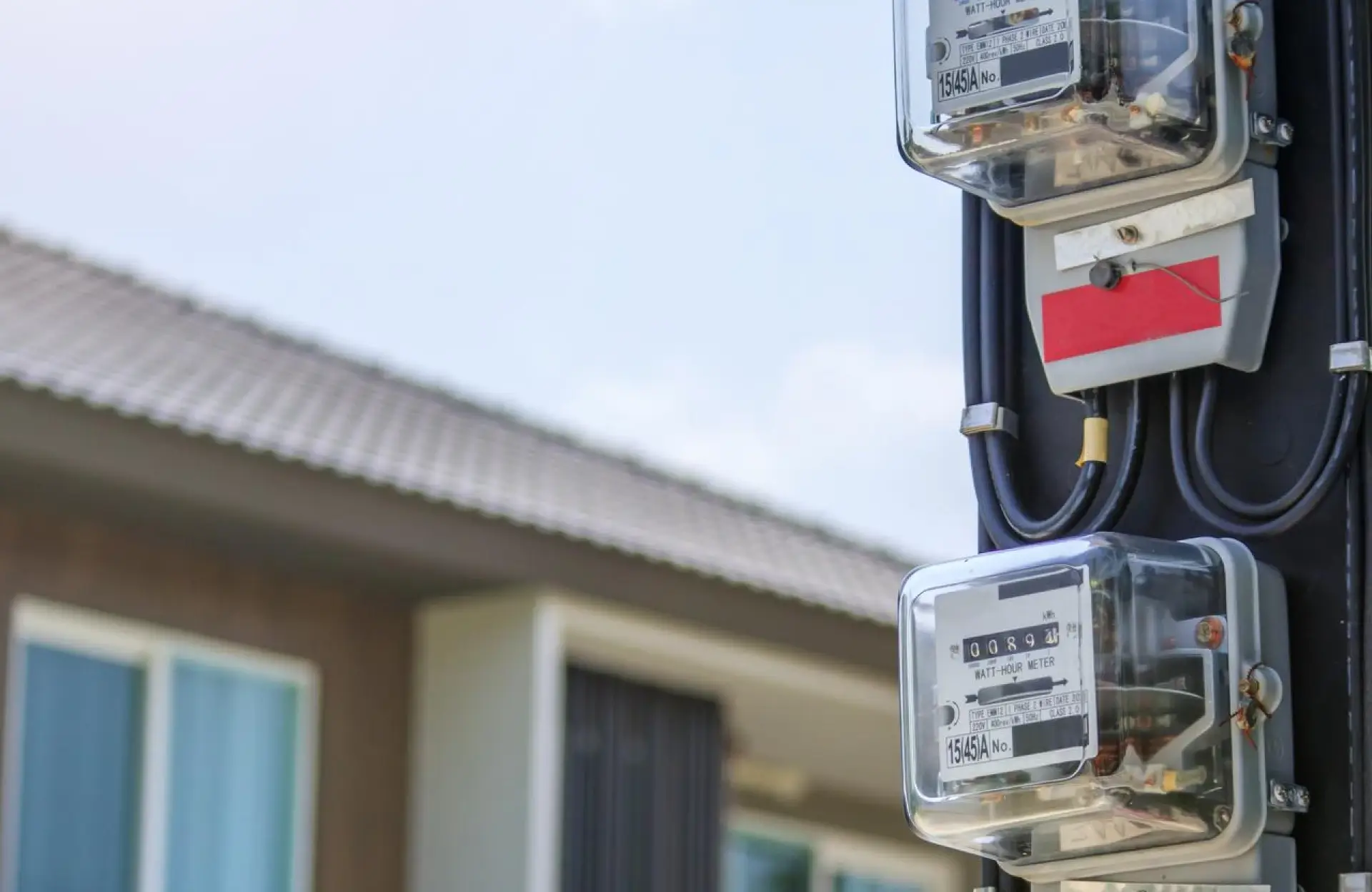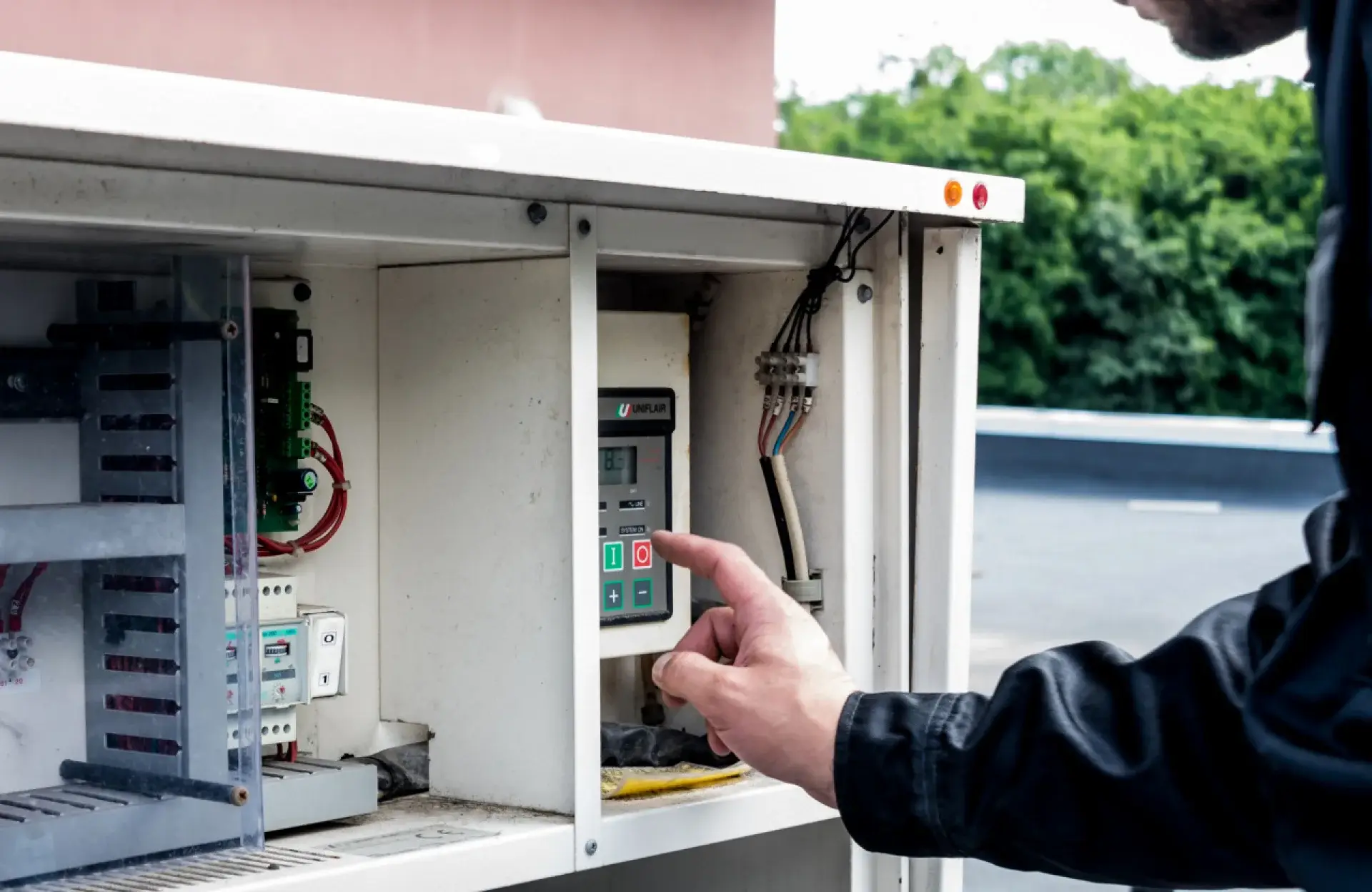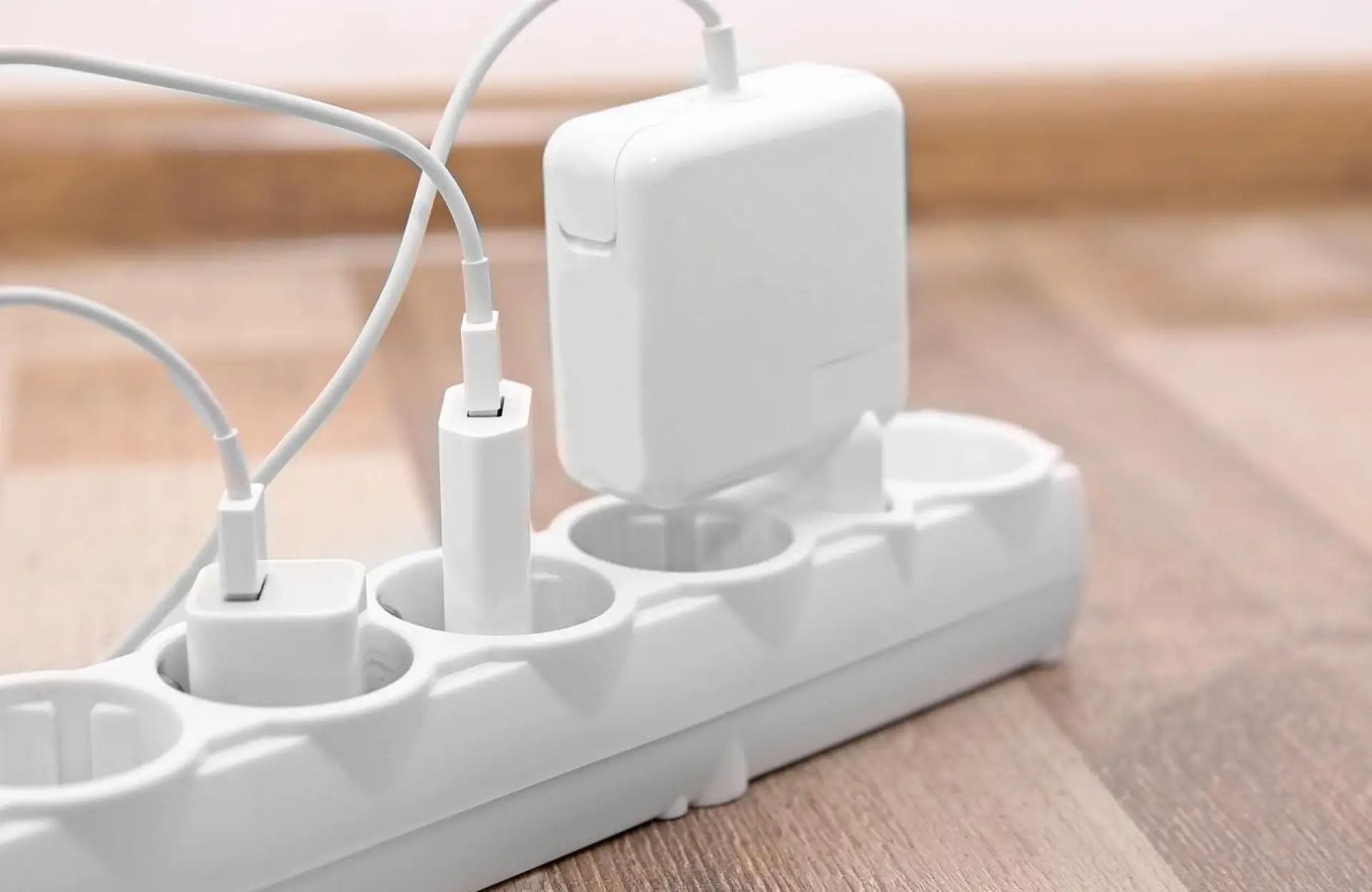


Sensitive commercial equipment, from POS systems and medical devices to HVAC controls and server hardware, is vulnerable to power surges that occur regularly across the GTA grid. A properly designed commercial surge protection system, installed by a licensed master electrician, shields every connected device and reduces the risk of costly downtime or irreplaceable data loss.
Why Does Sensitive Commercial Equipment Need Surge Protection in the GTA?
Sensitive commercial equipment is significantly more vulnerable to power surges than standard residential appliances. Modern digital control boards, server hardware, medical instruments, and point-of-sale systems operate within tight voltage tolerances. Even a brief spike of a few hundred volts above the normal operating range can corrupt data, damage circuit boards, or trigger a total equipment failure.
The GTA electrical grid, managed by Hydro One for the regional network and Toronto Hydro for the city distribution system, faces ongoing pressure from aging infrastructure and high demand. Utility switching events, lightning strikes, and large equipment cycling on the same circuit all generate voltage spikes that reach commercial equipment directly through standard building wiring.
For restaurants, clinics, property management offices, and commercial building owners in Toronto, North York, Vaughan, and Mississauga, the cost of a single surge event that disables critical equipment, including replacement, data recovery, and operational downtime, routinely exceeds the cost of a complete surge protection installation by a wide margin.
What Types of Commercial Surge Protection Systems Are Available?
Commercial surge protection is not a single product. It is a layered system designed to intercept voltage spikes at multiple points between the utility connection and the sensitive equipment itself. A properly designed system includes protection at both the building level and the device level.
- Service entrance surge protection is installed at the main electrical panel or switchgear. This is the first line of defense and the most critical layer for any commercial property. It intercepts the largest spikes, including those from lightning and utility switching, before they can reach internal distribution wiring.
- Sub-panel surge protection is installed at secondary distribution panels within a building. This layer is particularly important in larger commercial properties where wiring runs are long and internal switching events can introduce additional voltage variation before reaching end equipment.
- Point-of-use surge protection is installed at individual outlets or equipment connections. This provides the final layer of protection for the most sensitive devices, including medical instruments, server racks, and audio-visual systems. Point-of-use devices work most effectively as a third layer, not as a standalone solution.
Phaze-In Electric Ltd. designs and installs commercial surge protection systems as part of its full suite of commercial electrical services for GTA business owners and property managers.
How Does Commercial Surge Protection Compare Across Building Types?
The right surge protection configuration depends on the type of commercial operation, the sensitivity of the equipment involved, and the building electrical system. The table below outlines how protection needs vary across common GTA commercial property types.
|
Property Type |
Primary Risk Equipment |
Recommended Protection Layers |
|
Restaurant |
POS, refrigeration controls, commercial HVAC |
Service entrance + point-of-use |
|
Medical Clinic |
Diagnostic equipment, patient monitors |
Service entrance + sub-panel + point-of-use |
|
Commercial Office |
Servers, workstations, AV systems |
Service entrance + sub-panel + point-of-use |
|
Retail Space |
POS, security systems, lighting controls |
Service entrance + point-of-use |
|
Property Management |
Building automation, elevators, HVAC controls |
Service entrance + sub-panel |
What Makes Commercial Surge Protection Different From Residential Protection?
Commercial surge protection differs from residential protection in three key areas: system capacity, installation complexity, and the regulatory requirements that govern the work.
Commercial properties draw significantly more power and operate a wider range of equipment simultaneously. Service entrance surge protectors for commercial buildings are rated for much higher joule absorption capacity than residential units and must match the amperage and voltage of the commercial service, which may be 208V, 347V, or 600V three-phase rather than the standard 120/240V residential service.
Installation in a commercial building must account for the full distribution panel configuration, including sub-panels, branch circuit layouts, and any existing power conditioning equipment. A licensed commercial electrician must review the full electrical system before specifying the correct protection devices.
Commercial buildings with aging electrical infrastructure may require a service upgrade before a surge protection system can be installed to full specification.
What Equipment in a GTA Business Is Most at Risk From Power Surges?
Not all commercial equipment carries the same surge risk. The devices most vulnerable to voltage spikes are those with sensitive digital components operating at low internal voltages, typically below 12V DC at the circuit board level, even when connected to a standard 120V or 240V supply.
- Point-of-sale systems are among the most surge-sensitive devices in any retail or hospitality setting. A POS failure during peak service hours results in immediate revenue loss and customer disruption.
- Medical and diagnostic equipment in clinics and healthcare offices is subject to strict regulatory standards under Health Canada guidelines. Surge damage to medical instruments can create patient safety concerns and compliance liabilities beyond the cost of replacement.
- Commercial HVAC control systems use digital variable frequency drives and electronic control boards that are highly sensitive to voltage irregularities. A damaged HVAC control board in a restaurant or clinic can result in health and safety violations if temperature controls fail.
- Server and data infrastructure in offices, property management companies, and data-dependent businesses can suffer data corruption or total loss from a single surge event. Replacement hardware costs are compounded by data recovery expenses and potential regulatory exposure around data loss.
If your business has experienced unexplained equipment failures, a professional assessment of surge damage to your electrical system is the recommended first step before further equipment replacement.
How Is a Commercial Surge Protection System Installed?
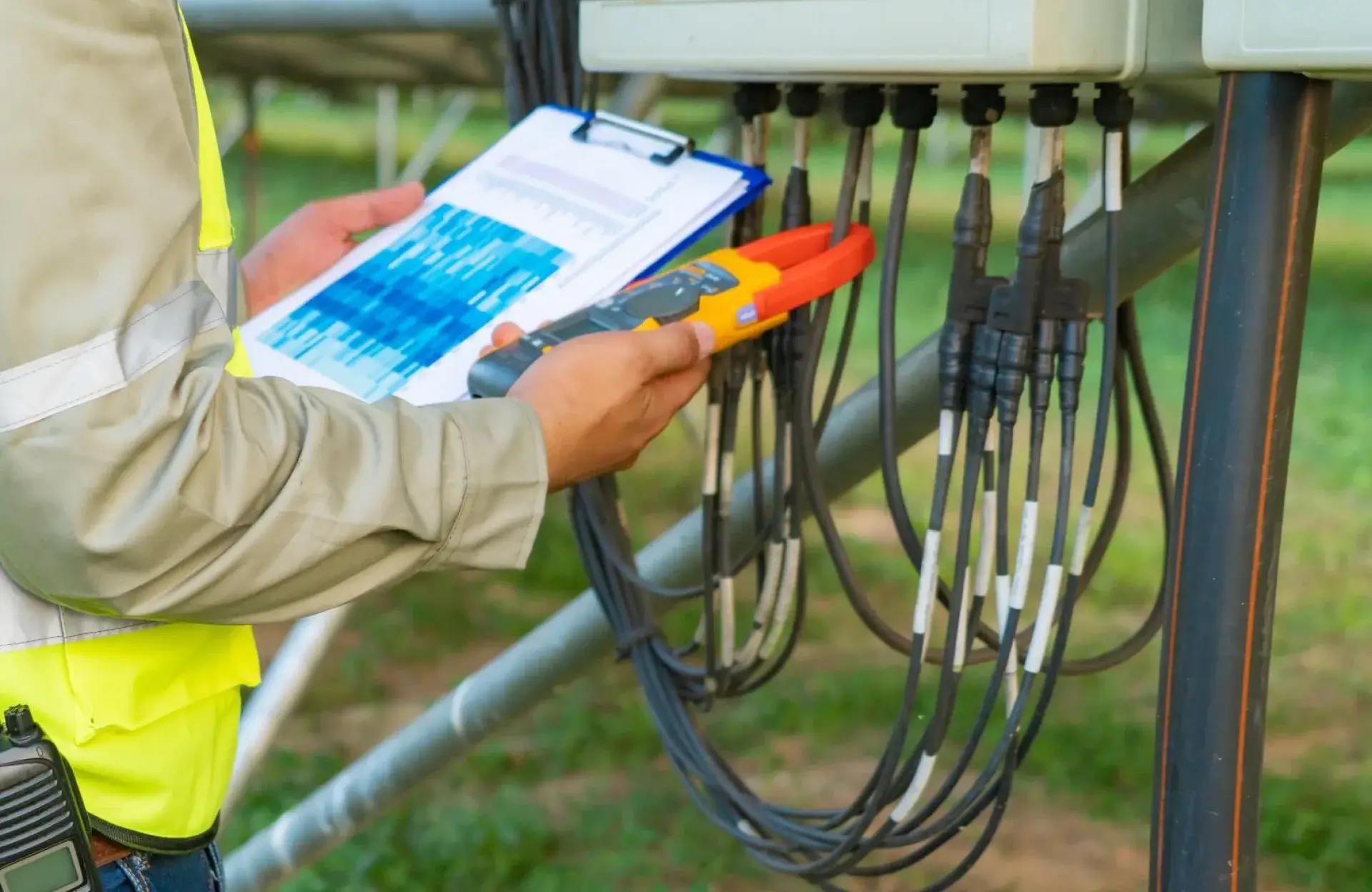
Commercial surge protection installation follows a structured process that begins with an assessment of the building electrical system and ends with a tested, code-compliant installation documented for insurance and compliance purposes.
- Electrical system review. The licensed electrician reviews the service entrance, main panel, sub-panels, and branch circuit layout to map the full distribution path and identify protection gaps.
- Equipment load identification. Critical and sensitive equipment is identified by circuit and location to determine the number and type of protection layers required at each point in the system.
- Device specification. Surge protection devices are selected based on the commercial service voltage, amperage, and the joule absorption rating required for each layer of the system.
- Installation and wiring. Devices are installed at the service entrance, sub-panels, and point-of-use locations by the licensed electrician in accordance with the Ontario Electrical Safety Code.
- Testing and documentation. The completed system is tested and the installation is documented for the client, including device ratings, installation locations, and any permits or inspections completed.
Protecting GTA Business Equipment From Voltage Spikes
Commercial surge protection is a business continuity investment, not a routine maintenance item. For GTA businesses operating sensitive equipment in a grid environment with known surge exposure, the cost of a properly designed and installed protection system is predictable and fixed. The cost of not having one is not.
Phaze-In Electric Ltd., led by master electrician Andrew Spano with over 15 years of combined residential and commercial electrical experience, designs and installs commercial surge protection systems for property managers, restaurant operators, clinics, and commercial building owners across Toronto, North York, Etobicoke, Vaughan, Markham, Mississauga, and Oakville. Every installation follows the Ontario Electrical Safety Code and is completed by a fully licensed, ESA-registered contractor.
Review common questions about electrical safety for commercial properties, or contact Phaze-In Electric directly to discuss a surge protection assessment for your building.
Frequently Asked Questions
1. What is commercial surge protection and how does it differ from residential?
Commercial surge protection is a layered system of devices installed at the service entrance, sub-panels, and point-of-use locations to intercept excess voltage before it reaches sensitive equipment. It differs from residential protection primarily in capacity and complexity. Commercial systems are rated for higher service voltages, larger amperage services, and the full distribution architecture of a multi-circuit commercial building, which requires a licensed commercial electrician to assess and specify correctly.
2. Which GTA businesses benefit most from commercial surge protection?
Businesses with the highest surge exposure and the most sensitive equipment benefit most. This includes medical and dental clinics with diagnostic equipment, restaurants with digital POS and commercial HVAC controls, property management companies with building automation systems, and any office or data-dependent business running server infrastructure. In practice, any GTA commercial property connected to the grid benefits from at minimum a service entrance surge protector.
3. Can a commercial surge protector prevent all equipment damage from power surges?
A properly specified and installed commercial surge protection system significantly reduces the risk of equipment damage from power surges. It cannot prevent all damage in all circumstances, particularly from a direct lightning strike at close range, which can overwhelm even high-rated protection devices. A layered approach, combining service entrance protection with point-of-use devices for the most sensitive equipment, provides the most comprehensive and practical level of protection available.
4. How long does a commercial surge protection installation take?
Installation time depends on the size of the building, the number of panels involved, and whether sub-panel or point-of-use protection is being installed alongside the service entrance device. A service entrance installation in a single-panel commercial space typically takes two to four hours. A multi-panel installation with point-of-use protection across multiple circuits requires a full day or more. Phaze-In Electric will provide a clear timeline estimate during the initial consultation.
5. Does commercial surge protection installation require a permit in Ontario?
Yes. Permanent electrical installations in Ontario, including service entrance surge protection devices connected to commercial panels, generally require an Electrical Safety Authority permit. The licensed electrician managing the project is responsible for pulling the permit and coordinating the required inspection. Phaze-In Electric Ltd. handles the full permit process for every commercial electrical installation it completes across the GTA.
6. How do I know if my commercial building already has surge protection installed?
Many older commercial buildings in the GTA do not have any surge protection installed at the service entrance or sub-panel level. A licensed electrician can inspect your main panel and sub-panels to confirm whether protection devices are present, assess their condition and rating, and recommend whether the existing protection is adequate for the equipment currently in use. Phaze-In Electric provides this assessment as part of its commercial electrical consultation process.
Ready to Protect Your Business Equipment From Power Surges?
Phaze-In Electric Ltd. serves commercial clients across Toronto, North York, Etobicoke, Vaughan, Markham, Richmond Hill, Stouffville, Mississauga, and Oakville. Call or visit contact and booking to schedule a commercial surge protection assessment.
Key Takeaways
- Sensitive commercial equipment including POS systems, medical instruments, and server hardware is highly vulnerable to the power surges that occur regularly on the GTA grid.
- Effective commercial surge protection requires a layered approach: service entrance protection, sub-panel protection where applicable, and point-of-use protection for the most sensitive devices.
- Commercial surge protection systems are rated for higher service voltages and amperage than residential units and must be specified by a licensed commercial electrician.
- Installation of permanent surge protection devices in Ontario requires an Electrical Safety Authority permit. Phaze-In Electric manages the full permit process.
- The cost of a professional commercial surge protection installation is predictable. The cost of unprotected equipment damage from a single surge event is not.
- Phaze-In Electric Ltd. is a fully licensed, ESA-registered contractor serving commercial clients across Toronto, North York, Vaughan, Mississauga, and the wider GTA.