
An electrical service upgrade is not the same as a panel replacement. The service includes every component that brings power from the utility to your building, and upgrading it increases the total capacity available. This guide explains the difference between a service upgrade and a panel upgrade, what triggers the need for a service upgrade in Toronto homes and commercial properties, what the process involves, and what Ontario code requires.
Electrical Service vs Electrical Panel: An Important Distinction
These two terms are often used interchangeably, but they describe different things. Understanding the difference matters when evaluating what your property actually needs.
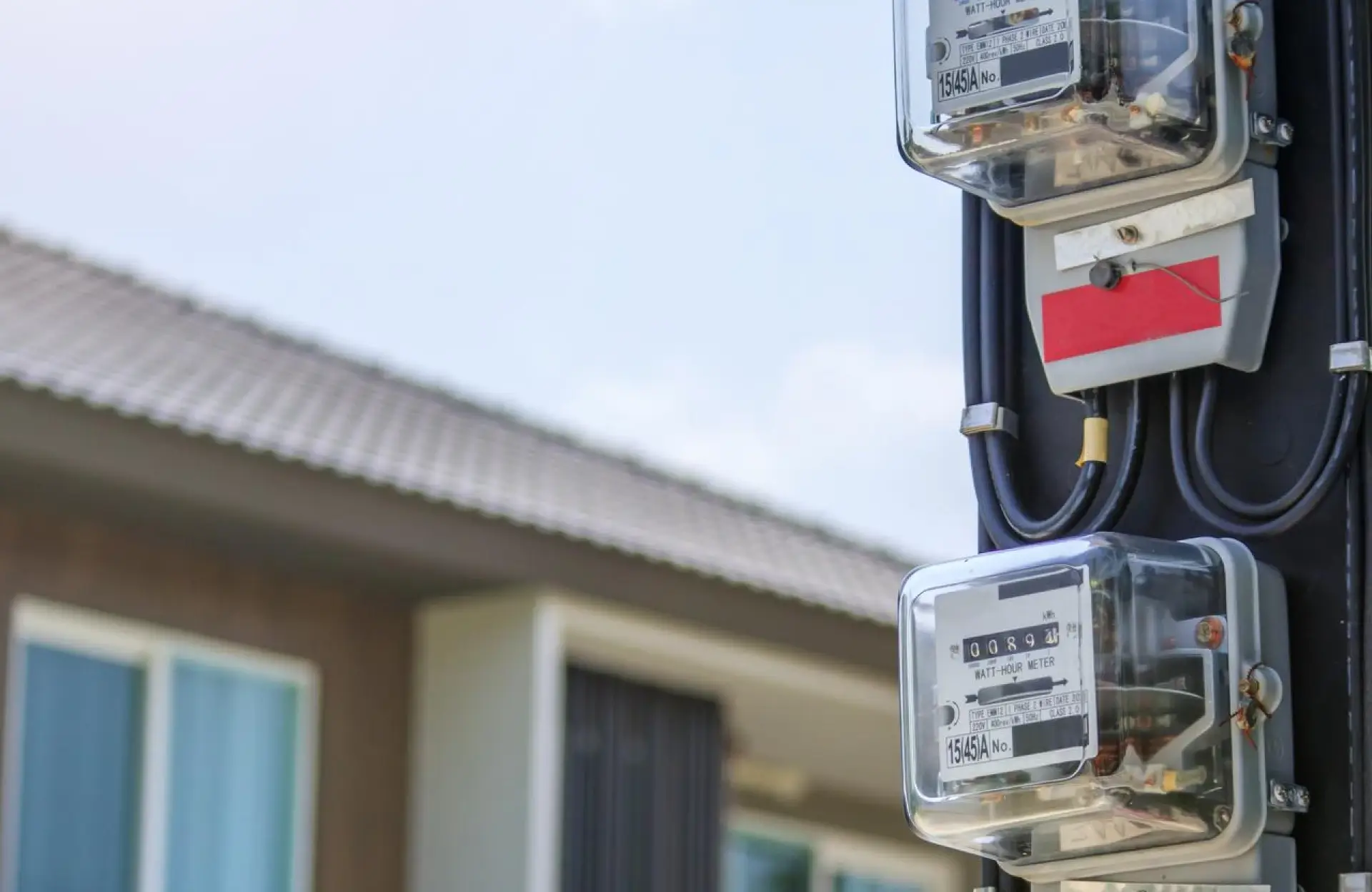
Electrical service refers to the total system that delivers power from the utility to your building. It includes the service entrance conductors from the utility connection, the meter base, the main disconnect, the grounding and bonding system, and the electrical panel itself. The service size, measured in amps, determines the maximum power your property can draw at any time.
The electrical panel is the distribution point inside the building that sends power to individual branch circuits. It is a component of the service, not the entire service. Replacing the panel at the same amperage rating addresses the panel condition but does not increase the available power coming into the building.
A service upgrade changes what happens upstream of the panel. It increases the total amperage entering the property and may involve the meter base, service conductors, service mast, and the main disconnect, in addition to the panel upgrade that typically accompanies it.
Why Electrical Service Upgrades Are Common in Ontario
Ontario homes and commercial buildings were built across many decades under electrical standards that reflected the technology and usage patterns of their era. A home built in the 1960s with 60 amp service was correctly sized for the loads of that period. Today, that same home may be running central air conditioning, a home office, an EV charger, electric heating, and multiple high-draw appliances simultaneously.
The gap between what older electrical services were designed to handle and what modern properties actually require is the most common driver of service upgrades across the GTA. The Ontario Electrical Safety Code is updated with each code cycle to reflect current safety and capacity standards, which means some older services that were once compliant now fall short of current requirements.
Properties showing the warning signs described in the guide on overloaded panels often require a service upgrade rather than a panel replacement alone, because the incoming service itself is the limiting factor.
Common Reasons Toronto Properties Need a Service Upgrade
EV Charger Installation
EV charger installation is the most common single trigger for service upgrades in GTA residential properties. A Level 2 EV charger draws 32 to 48 amps continuously, which can represent a third to nearly half of a 100 amp service’s total capacity. Properties already running close to their service limit cannot safely absorb this load without an upgrade.
Renovations and Home Additions
Additions, basement finishing, kitchen renovations, and second-floor expansions all add electrical load. The Ontario Electrical Safety Code requires that the electrical system support the new loads created by any permitted addition or renovation. In many cases, the existing service size cannot accommodate the additional circuits required.
High-Efficiency HVAC and Appliances
Heat pumps, electric ranges, tankless water heaters, and induction cooktops all require substantial electrical capacity. These are increasingly common in Toronto homes as property owners move away from gas appliances and toward electrification. Each appliance may individually require a dedicated circuit at or near the capacity limits of an older service.
Commercial Expansion and Tenant Improvements
Commercial properties face service upgrade requirements when tenants change, operations expand, or equipment is upgraded. Restaurants, medical offices, data centres, and commercial kitchens all have electrical demands that often exceed what older services were designed to handle. Commercial upgrade planning at Phaze-In includes load assessments that account for both current and anticipated future demands.
Insurance or ESA Requirements
Insurance providers and ESA inspectors may require service upgrades when inspections reveal unsafe conditions, insufficient capacity, or components that fall below current code standards. Addressing these proactively avoids mandatory emergency work and protects property owners from liability during a claim.
What an Electrical Service Upgrade Involves
Load Calculation and Planning
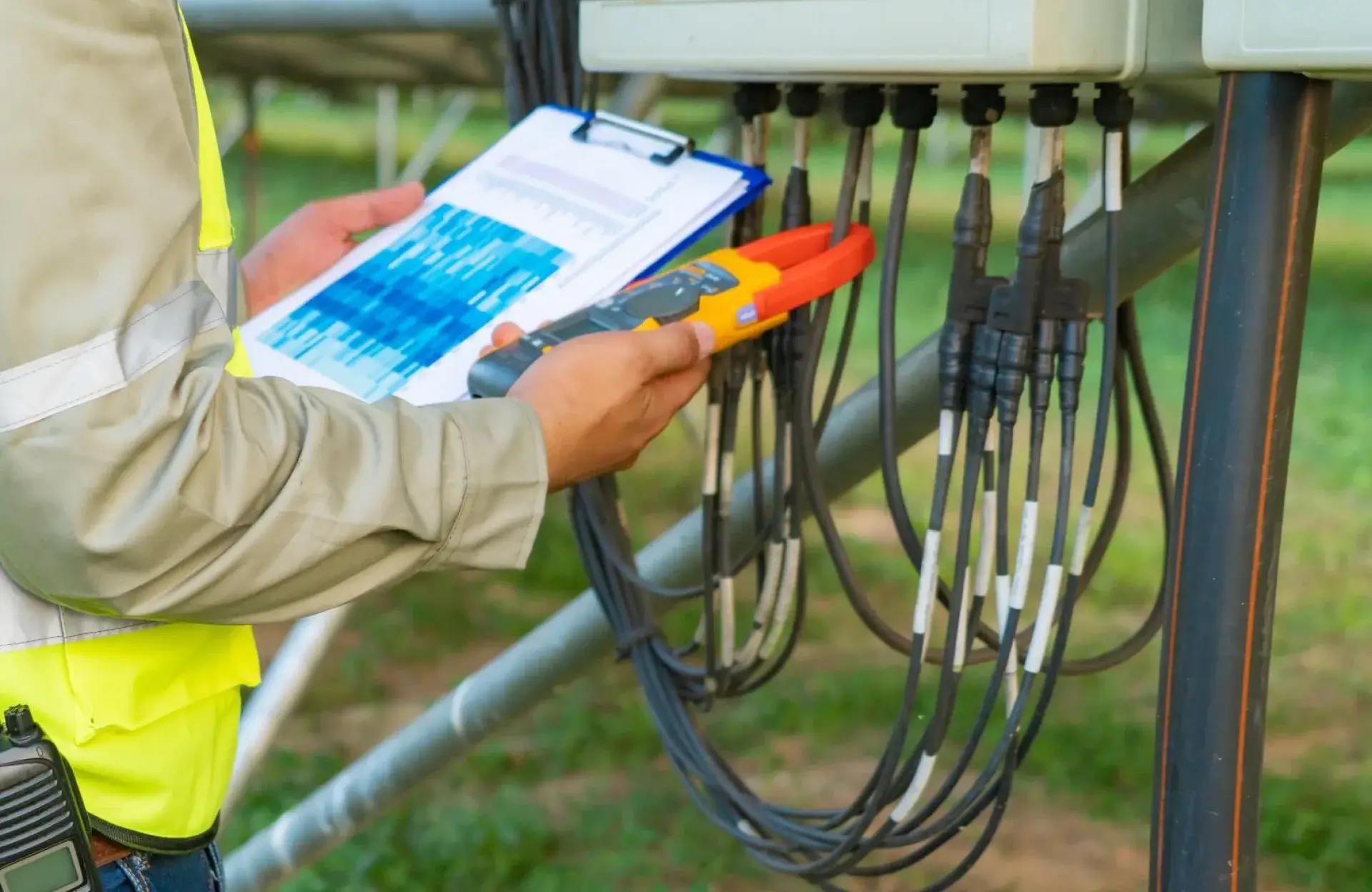
Every service upgrade begins with a load calculation that accounts for all existing and anticipated electrical loads in the building. This ensures the upgraded service is sized correctly for actual needs without being excessively oversized, which affects both cost and utility coordination.
Utility Coordination
Increasing the service size requires coordination with the utility provider to schedule a power disconnection, meter replacement, and service reconnection. The Electrical Safety Authority inspection must also be passed before the utility will reconnect the upgraded service. A licensed electrician manages this coordination as part of the project.
Service Equipment Replacement
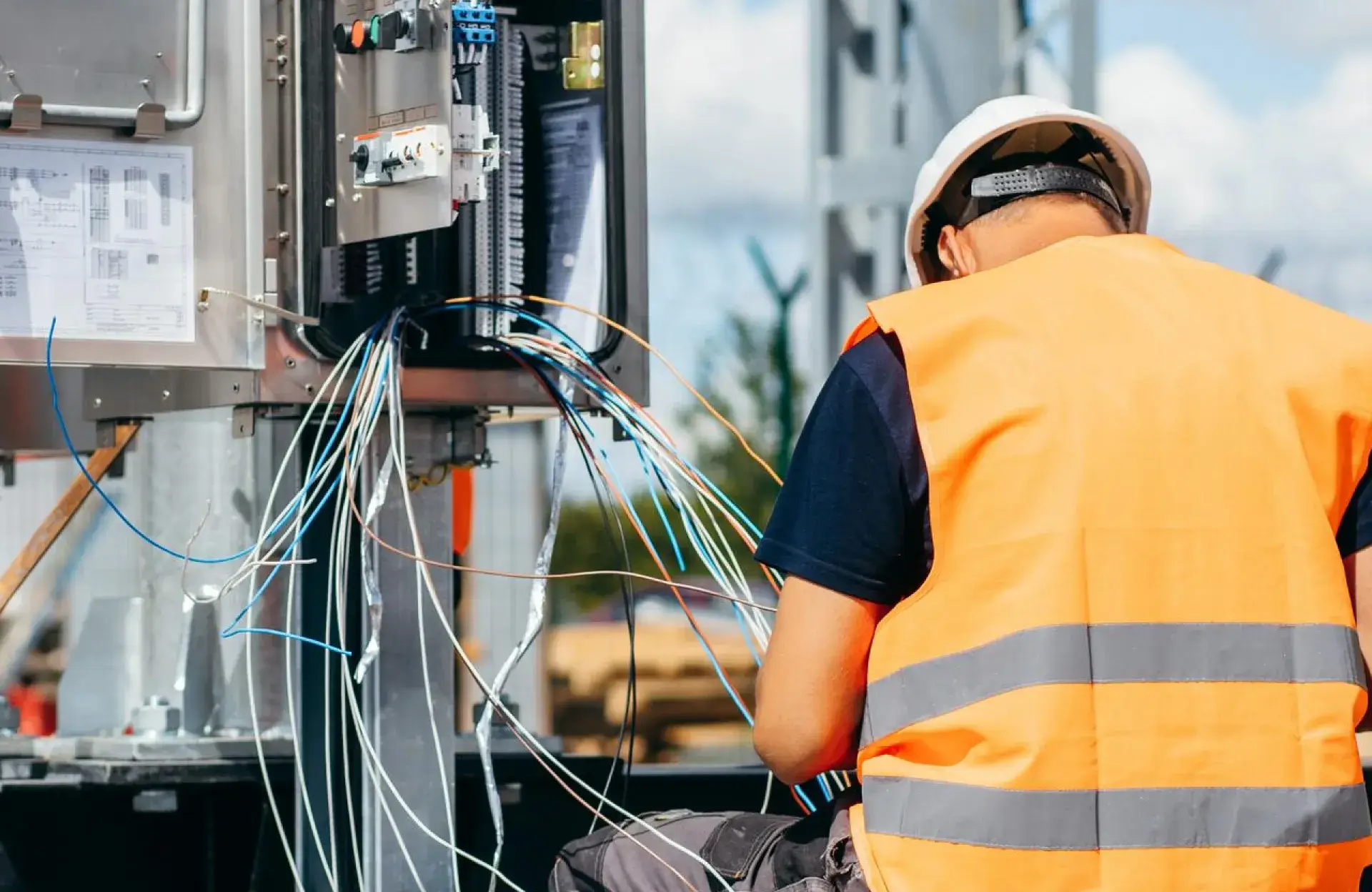
Depending on the existing installation, a service upgrade may include new service entrance conductors, an upgraded meter base, a new main disconnect, a replacement electrical panel with additional circuit capacity, and grounding and bonding improvements throughout the building. Each component must meet current Ontario Electrical Safety Code standards.
Permits and ESA Inspection
All electrical service upgrades in Ontario require an ESA permit and must pass an ESA inspection before the upgraded service is energised. The licensed electrical contractor handles the permit application, coordinates the inspection, and resolves any deficiencies identified by the inspector.
How Long Does a Service Upgrade Take?
A residential electrical service upgrade is typically completed in one day of on-site installation work. The full project timeline, including load assessment, permit approval, materials procurement, utility coordination, and ESA inspection, generally spans one to two weeks. Service upgrades where the utility provider’s scheduling is a constraint may take slightly longer.
Commercial service upgrades vary more widely based on facility size, number of panels, tenant requirements, and operational continuity considerations. They may be phased across multiple days to minimise business disruption.
Residential vs Commercial Service Upgrades
Residential
Most residential service upgrades in Toronto involve increasing service size from 60 or 100 amp to 200 amp. This provides sufficient capacity for modern appliances, EV charging, electric heating, and room for future expansion without requiring another upgrade in the near term.
Commercial
Commercial service upgrades can include higher amperage services, three-phase power configurations, and coordinated work with building management, tenants, and the utility provider. The planning requirements are more complex, and operational continuity during the upgrade is a significant consideration.
Properties that have experienced the symptoms described in the guide on older homes often find that a service upgrade is the most comprehensive and cost-effective resolution rather than repeated smaller interventions.
Service Upgrades: What They Mean for Toronto Properties
An electrical service upgrade is one of the most impactful investments a Toronto homeowner or commercial property owner can make in their building’s safety, reliability, and long-term value. It addresses the root cause of capacity limitations rather than managing their symptoms, and it provides the foundation for EV adoption, renovation projects, and future electrical needs.
Phaze-In Electric Ltd. is a licensed, ESA-certified electrical contractor serving North York, Toronto, Etobicoke, Vaughan, Markham, Richmond Hill, Mississauga, and Oakville. Led by Master Electrician Andrew Spano, the team handles residential and commercial service upgrades from load assessment through to final ESA inspection.
Frequently Asked Questions
1. What is the difference between an electrical service upgrade and a panel upgrade?
A panel upgrade replaces the distribution panel inside the building but does not change the total power entering the property. An electrical service upgrade increases the total amperage delivered from the utility to the building by replacing upstream components including the service conductors, meter base, main disconnect, and often the panel as well. If the incoming service is the limiting factor, a panel upgrade alone will not resolve the capacity problem.
2. How do I know if my Toronto property needs a service upgrade or just a panel replacement?
A licensed electrician will perform a load calculation to determine whether the existing service size can support current and future demand. If the service size itself is insufficient, a service upgrade is required. If the panel is the bottleneck but the incoming service size is adequate, a panel replacement may be sufficient. A professional assessment is the only reliable way to determine which scope is appropriate.
3. Does an electrical service upgrade require an ESA permit in Ontario?
Yes. All electrical service upgrades in Ontario require an ESA permit and must pass an ESA inspection before the upgraded service is energised. Work done without a permit is a code violation, creates liability for the property owner, and may not be covered by insurance in the event of an incident. A licensed electrical contractor handles permitting and inspection coordination as part of the project.
4. How long does a residential service upgrade take in Toronto?
The on-site installation for a residential service upgrade is typically completed in one day. The full project timeline, including load assessment, permit approval, utility scheduling, and ESA inspection, usually spans one to two weeks. Properties where utility scheduling adds lead time may take slightly longer.
5. Can I add an EV charger without a service upgrade?
It depends on the existing service size and current electrical load. Some properties have sufficient spare capacity to support an EV charger on their existing service. Many Toronto homes with 100 amp service and modern electrical loads do not. A licensed electrician will calculate the available capacity and confirm whether a service upgrade is needed before the EV charger is installed.
6. What is included in an electrical service upgrade?
A typical service upgrade includes a load calculation, new service entrance conductors, an upgraded meter base, a new main disconnect, a replacement electrical panel with additional circuit capacity, grounding and bonding improvements, utility coordination for power disconnection and reconnection, ESA permit, and final inspection. The specific scope varies based on the existing installation and the property’s requirements.
7. Is an electrical service upgrade worth the investment?
For properties where the existing service cannot safely support current or planned electrical loads, a service upgrade is a necessary investment rather than an optional one. It eliminates the capacity limitations that cause frequent breaker trips, flickering lights, and overheating, while providing the foundation for EV charging, renovations, and future electrical additions without requiring further upgrades.
Book Your Electrical Service Upgrade Assessment with Phaze-In Electric
Phaze-In Electric Ltd. provides residential and commercial electrical service upgrades across Toronto, North York, and the GTA. Our licensed electricians handle every step from load assessment and permit to utility coordination and final ESA inspection. Call 416-427-4567 to book your assessment.
Key Takeaways
- An electrical service upgrade increases the total power entering a building by replacing upstream components. A panel replacement alone does not change the incoming service size.
- EV charger installation, renovations, HVAC upgrades, and commercial expansion are the most common triggers for service upgrades in Toronto properties.
- All electrical service upgrades in Ontario require an ESA permit and inspection before the upgraded service can be energised.
- Residential service upgrades are typically completed in one day of installation work, with the full project spanning one to two weeks including permits and utility coordination.
- A licensed electrician performs a load calculation to confirm whether a service upgrade, panel replacement, or both are required for a specific property.
- Phaze-In Electric handles residential and commercial service upgrades across Toronto and the GTA from load assessment through to final ESA inspection.