
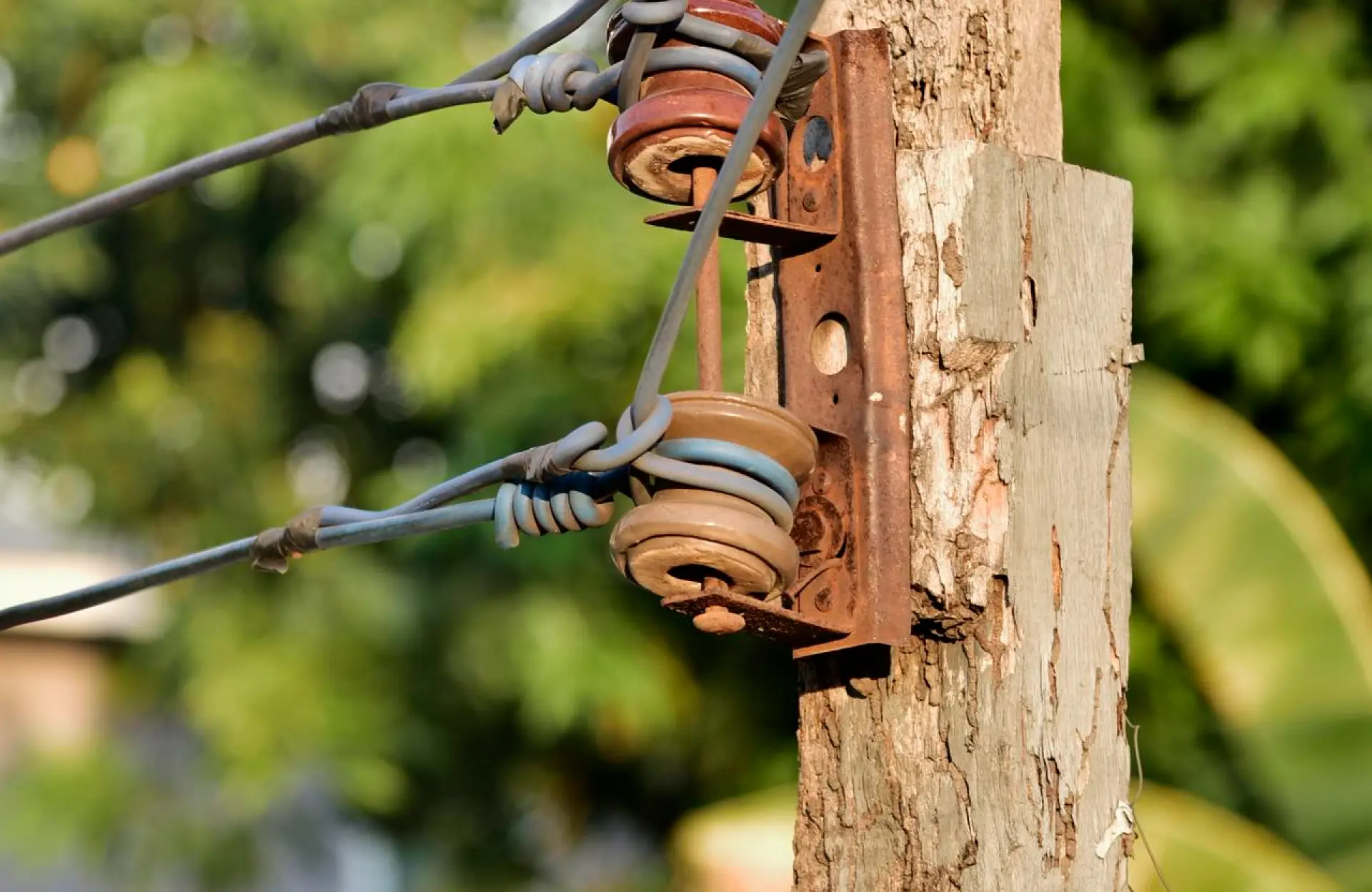
These outdoor electrical safety tips start with one fact: outdoor electrical work faces moisture, temperature swings, and physical stress that indoor wiring never sees. The Ontario Electrical Safety Code has specific rules for weatherproof equipment, GFCI protection, clearances, and permits in gardens, patios, and near water features. Planning ahead and using a licensed electrician for outdoor electrical projects helps avoid failed inspections and shock hazards.
Your Outdoor Areas Are an Extension of Your Home or Business
However, they also present distinct electrical safety challenges. From patio lights and garden outlets to water pumps, heaters, and outdoor kitchens, electricity and the outdoors don’t mix well. Many people believe that outdoor electrical work is easy, but shoddy installation is a leading cause of shock hazards, failed equipment, and failed inspections throughout Ontario.
This guide walks you through how outdoor electrical safety works for gardens and patios, what the Ontario Electrical Safety Code mandates, how to avoid mistakes, and practical outdoor electrical safety tips you can use. You’ll also learn when it pays to call a licensed electrician before problems start.
Why Outdoor Electrical Safety Is Important in Ontario
Mother Nature doesn’t treat outdoor electrical wiring, fixtures, and outlets very nicely. Moisture, temperature fluctuations, soil movement, and physical damage are all factors that can contribute to electrical hazards. Outdoor installations also experience electrical stress far above what’s seen inside a building. Homeowners in the GTA must also account for seasonal weather fluctuations.
The consequences of unsafe or non-code-compliant outdoor electrical work can include personal electrical shock hazards to family, tenants, or customers, tripped breakers or unreliable power, damage to lighting, pumps, appliances, or other equipment, insurance headaches following an accident, and orders to fix from the Electrical Safety Authority.
Following the Ontario Electrical Safety Code isn’t optional if you want your outdoor electrical work inspected. It’s also the best way to protect people and property and ensure reliable long-term system operation.
Ontario Electrical Code Requirements for Outdoor Areas Explained
Outdoor areas have their own specific rules outlined in the Ontario Electrical Safety Code. These guidelines apply to single-family homes, multi-unit residential buildings, and commercial properties such as restaurant patios or shared outdoor spaces for apartment buildings.
Permits and inspections. Unless the work is minor or listed as exempt, most outdoor electrical work will require an electrical permit and inspection. Adding outdoor receptacles, new lighting circuits, hot tub wiring, or electrical power for garden features will need to be inspected by the ESA. A licensed electrical contractor will usually apply for your permit and schedule inspections on your behalf. If you are not sure whether a permit or inspection is needed, contact a licensed electrician.
Weatherproof equipment and materials. All electrical equipment used outdoors needs to be rated for outdoor use. This includes weather-resistant receptacles, in-use weatherproof covers, outdoor-rated electrical boxes, and approved wiring methods such as conduit or burial. Products rated for indoor use only are not permitted for outdoor installation, regardless of whether they are in a covered area or not.
Ground Fault Circuit Interrupter (GFCI) protection is required on most outdoor outlets and electrical circuits. A GFCI disconnects power quickly if a fault is detected, helping to prevent serious injury. Outdoor kitchens, garden outlets, and patio receptacles all require GFCI protection.
Planning Safe Outdoor Electrical Installations for Gardens & Patios
Planning your outdoor electrical project is one of the best ways to avoid safety issues down the road. Many problems begin with being in a hurry or choosing “easy” solutions that don’t hold up over time.
Determining power requirements. Think through what you will really need for the space you are working with. Outdoor power is used for landscape lighting and path lighting, deck and patio lighting, outdoor kitchens or BBQ stations, pond pumps or irrigation timers, and heaters or outdoor entertainment systems. One of the most common mistakes we see is trying to use an existing circuit that isn’t designed to handle the additional load. A qualified electrical contractor in the GTA can easily determine if your electrical panel has the capacity to add more outdoor power, or whether an electrical panel upgrade is needed first.
Positioning outlets and clearance requirements. Positioning outlets, lights, and other electrical components outdoors is different than inside your home. They must be at certain heights and clearances from grade, water sources, or combustible materials. Outdoor outlets near pools, spas, and pond installations have even stricter clearance and protection requirements. Incorrect positioning can cause premature failure due to moisture intrusion, physical damage, or failed ESA inspections.
Outdoor Electrical Safety Tips: Hazards to Avoid
Knowing what can go wrong helps homeowners identify potential issues.
Using extension cords as permanent wiring. Extension cords are not meant to be permanent wiring solutions. Burying them, even in PVC, or using them outdoors long-term is both unsafe and against code. This practice significantly increases the risk of electrical fire, shock, or damaged appliances.
Incorrectly wiring items underground. When wiring is run underground, it must be buried deep enough, protected, and installed according to code. Running wiring too shallow or without protection leaves it vulnerable to damage from yard work, frost heave, or pests.
Failure to correctly bond and ground equipment. Any outdoor metal fixtures, electrical boxes, and electrical equipment should be properly grounded and bonded together. In many cases, this is not obvious and only becomes an issue when there is a fault or the ESA comes to inspect your project.
Outdoor Lighting Safety and Best Practices
Proper outdoor lighting can improve curb appeal and safety on your property. There are special considerations that should be followed when wiring outdoor lighting.
Low-voltage vs. line-voltage landscape lighting is covered in detail in our dedicated low-voltage vs. line-voltage landscape lighting guide. In short, low-voltage lighting became popular because it limits shock hazards and allows for more lighting design options, provided the transformer and wiring feeding it are protected and installed correctly. Line-voltage lighting offers more wattage and durability but must follow strict wiring methods and metal protection guidelines.
Energy efficiency and controls. Timers, photocells, and smart home controls can limit how often your outdoor lighting is on to save energy. These devices should also be rated for outdoor use and installed according to manufacturer instructions. Working with a Master Electrician can help you design outdoor lighting that is safe, performs well, and doesn’t waste energy.
Electrical Safety Around Gardens, Ponds, and Water Features
Water features can add beauty to your outdoor space. Powering these features safely requires extra precautions.
Any type of water feature or equipment near water will have to meet enhanced electrical safety standards. This could mean dedicated circuits, GFCI protection, bonding any metal components together, and having enough physical separation from water. Decorative garden features that use electricity may seem harmless but can still create safety hazards if powered incorrectly.
Seasonal and winterising outdoor electrical power. All outdoor electrical wiring and components should be selected with seasonality in mind. Many people choose to disconnect or protect certain outdoor circuits during the winter months, which helps limit safety hazards when these items are not in use. See our guide to seasonal landscape lighting maintenance for more.
Electrical Safety Tips for Patios and Decks
Patios and decks may house a variety of electrical features in a small space. Additional precautions should be considered during installation.
Outdoor heating equipment and electric BBQs require a lot of power. Many of these appliances require dedicated circuits and detailed load calculations. Failure to follow these requirements can lead to nuisance tripping or potential fire hazards.
Commercial patio electrical requirements. If you own a commercial property with a patio that customers use, there are additional electrical code requirements to meet. Public safety is paramount on these properties. Electrical inspections by the ESA will typically be more thorough than a residential inspection. Working with an electrical contractor familiar with commercial installations in Toronto is highly recommended.
When to Hire a Licensed Electrician in Toronto for Outdoor Projects
While some outdoor electrical jobs may seem easy, there are always code requirements that may be missed. It never hurts to speak with a licensed electrician Toronto homeowners trust for installing new outlets or electrical circuits outdoors, installing outdoor lighting, wiring for a water feature, pond, outdoor kitchen, or other equipment, upgrading older outdoor electrical outlets and wiring, or having your installation inspected by the ESA.
Licensed electricians can help advise you on local electrical codes, the permitting process, and what works best for your unique situation. Phaze-In Electric works with homeowners throughout Toronto and the Greater Toronto Area on outdoor electrical projects, both big and small. Contact us today to schedule a consultation or have one of our licensed electricians visit your property to assess your needs.
Final Thoughts on Outdoor Electrical Safety
There’s nothing wrong with adding electrical outlets, lights, and powered features to your outdoor areas. As long as you understand the Ontario Electrical Safety Code requirements, take your time to plan things out, and avoid these common mistakes, you can have safe outdoor spaces that you and your family can enjoy for years to come.
Phaze-In Electric Ltd. is a licensed, ESA-certified electrical contractor serving North York, Toronto, and the Greater Toronto Area. Led by Master Electrician Andrew Spano, we provide residential and commercial electrical services, including panel upgrades, EV charger installations, lighting design, and code-compliant commercial electrical work.
Need help with your outdoor electrical projects? Contact us today and book a consultation with a licensed Master Electrician to make sure your outdoor spaces are safe, code-compliant, and built to last.
Frequently Asked Questions
1. Do outdoor electrical projects require a permit in Ontario?
Most outdoor electrical work, including new receptacles, lighting circuits, hot tub wiring, and garden feature power, requires an ESA permit and inspection unless the work is minor or specifically exempt.
2. Is GFCI protection required for all outdoor outlets?
In most cases, yes. GFCI protection is required on most outdoor outlets and circuits, including garden outlets, patio receptacles, and outdoor kitchens, to quickly disconnect power if a fault is detected.
3. Can I bury an extension cord to power something in my yard?
No. Extension cords are not designed as permanent wiring and should never be buried, even in PVC pipe. If you need power in a specific outdoor location long-term, a properly installed and permitted circuit is required.
4. What is the difference between low-voltage and line-voltage landscape lighting?
Low-voltage lighting uses a transformer to reduce shock hazards and allows more design flexibility, while line-voltage lighting offers more wattage and durability but requires stricter wiring methods and metal protection. A licensed electrician can help determine which is right for your project.
5. Do commercial patios have different electrical requirements than residential ones?
Yes. Commercial patios used by customers face additional code requirements and more thorough ESA inspections than residential outdoor spaces, given the public safety considerations involved.
Key Takeaways
- Outdoor electrical work faces moisture, temperature swings, and physical stress that require weatherproof-rated equipment.
- Most outdoor electrical projects require an ESA permit and inspection.
- GFCI protection is required on most outdoor outlets and circuits, especially near water features.
- Extension cords should never be used as permanent outdoor wiring, even when buried.
- Commercial patios face stricter code requirements and more thorough inspections than residential outdoor spaces.