
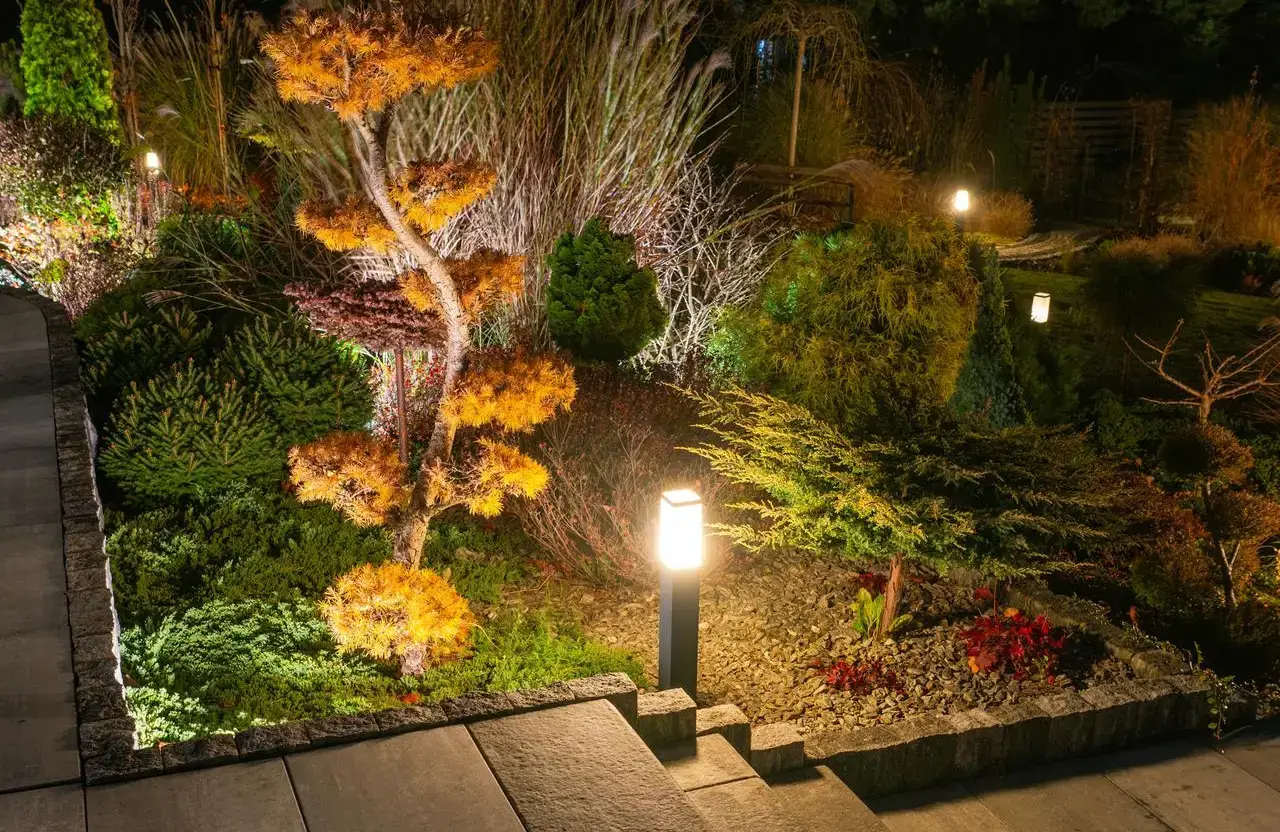
Seasonal landscape lighting maintenance protects outdoor electrical systems from Toronto’s harsh freeze-thaw cycles, moisture, and soil movement. Regular inspections in spring, summer, and fall combined with winter monitoring keep landscape lighting safe, code-compliant, and performing reliably year-round.
Why Toronto’s Climate Makes Seasonal Maintenance Necessary
Outdoor lighting systems serve essential functions for home safety, curb appeal, and usability. They are also among the most exposed electrical systems on a property, subject to conditions that interior wiring never faces. In Toronto, seasonal extremes push landscape lighting components harder than in milder climates. Whether your system was recently installed or has been in place for several years, reviewing our landscape lighting and audio services gives a helpful overview of what a professionally maintained outdoor lighting system involves.
Freeze-thaw cycles shift soil and displace fixtures. Snowfall creates load stress on above-ground components. Summer vegetation growth can block or absorb light output, reducing effectiveness. Without seasonal landscape lighting maintenance, even professionally designed and installed systems develop performance and safety problems over time.
Consistent seasonal maintenance can:
- Prevent fluctuations in brightness and output quality
- Protect electrical components from moisture damage
- Prevent underground wiring damage from soil movement
- Extend fixture and transformer service life
- Confirm continued compliance with Ontario Electrical Safety Code requirements
Spring Landscape Lighting Maintenance
Winter has the greatest cumulative impact on landscape lighting systems. Snow loading, ice expansion in joints and housings, and frozen ground movement all contribute to misalignment, moisture intrusion, and wiring stress. Spring inspection is the most important seasonal maintenance step for Toronto homeowners.
Inspect Fixture Positioning
After the ground thaws, walk the full perimeter of your lighting system and inspect every fixture. Soil movement during freeze-thaw cycles can cause landscape lighting to tilt, sink, or shift away from its original position. Misaligned fixtures reduce light output effectiveness and can create glare or dark zones in areas that were previously well lit.
Repositioning and re-aiming fixtures as needed should be completed before the outdoor season begins. For guidance on how fixtures should be positioned across every zone of a residential property, our Outdoor Lighting Design Ideas for Toronto Homes page covers placement principles in full detail. If buried wiring appears to have moved or been exposed, contact an electrician in North York for assessment before attempting repairs.
Check for Moisture Damage
Inspect fixture housings and junction boxes for signs of condensation, water infiltration, or corrosion. Flickering lights and inconsistent brightness are common symptoms of moisture inside electrical components. Moisture left unaddressed leads to progressive corrosion, component failure, and in more serious cases, electrical hazards.
A licensed electrician in Toronto can test seals, connections, and grounding to confirm the system is dry and performing safely after the winter period. Our residential electrical services cover all aspects of outdoor electrical inspection and repair for Toronto and GTA homeowners.
Clean Lenses and Housings
Salt residue, road spray, dirt, and organic debris accumulate on fixture lenses and housings over winter. This reduces light output and can accelerate surface degradation of fixture finishes. Clean all accessible lenses and housings gently using appropriate cleaning materials, avoiding abrasive products that can scratch protective coatings.
Summer Landscape Lighting Maintenance
Summer is the peak season for outdoor space use and also the ideal time to optimize landscape lighting performance. Vegetation growth, increased soil activity from watering and landscaping, and changes in natural light levels all affect how your system performs.
Manage Vegetation and Growth
Shrubs, grasses, and tree branches grow quickly during summer and can block fixture output or cast unwanted shadows. Trim back vegetation around fixtures to maintain intended light distribution and reduce moisture buildup around housings and underground connections.
Inspect Cable Burial and Condition
Active landscaping, irrigation, and soil activity during summer can uncover previously buried cables. Inspect the full cable run for any exposed sections. Exposed outdoor wiring carries a higher risk of damage from lawn equipment, foot traffic, and accelerated moisture exposure. If you find exposed line-voltage cable, contact an electrician in North York promptly.
Assess Coverage and Adjust Fixtures
Use the summer months to evaluate whether your lighting is covering the intended zones effectively. Vegetation growth may have altered coverage patterns since installation. Adjust fixture positions or aiming angles to compensate for changes in the landscape and restore the original lighting design intent.
Fall Landscape Lighting Maintenance
Fall maintenance prepares your landscape lighting system for the stress of winter. Completing these steps before the ground freezes reduces the risk of damage during the coldest months. Homeowners undertaking fall electrical maintenance should also confirm that any new fixtures or system changes added during the season comply with local requirements. The City of Toronto’s building permits portal outlines which outdoor electrical upgrades require a permit before work begins, which is worth verifying before fall installation projects are carried out.
Secure and Stabilize Fixtures
Loose fixtures shift and tilt during freeze-thaw cycles. Check and tighten all fixture mounts before temperatures drop. Fixtures that are secure going into winter are far less likely to require repositioning or repair in spring.
Inspect Transformers and Controllers
Check transformers, photocells, timer switches, and smart controllers for physical damage or signs of wear. Confirm that all electrical enclosures are weather-sealed and that controller settings are adjusted for the shorter daylight hours of fall and winter. A properly programmed controller prevents pathways and entrances from being unlit during evening hours when they see the most use.
Clear Organic Debris
Leaves and organic material accumulate around fixtures and along cable runs in fall. Decomposing organic matter traps moisture, which accelerates corrosion on metal components and housings. Regular clearing during fall prevents this buildup from creating problems before winter arrives.
Winter Landscape Lighting Monitoring
Active maintenance should be minimized during winter when the ground is frozen. Attempting to reposition or adjust fixtures in frozen soil risks damaging wiring and underground connections. However, regular monitoring of system performance remains important throughout the winter months.
Do Not Adjust Frozen Fixtures
If you notice a fixture that has shifted or been displaced by snow loading, note the issue and plan to address it in spring after the ground thaws. Forcing adjustments in frozen soil damages wiring at buried connection points and can introduce new problems worse than the original misalignment.
Monitor Electrical Performance
Tripped circuit breakers, sections of the system that stop working, or persistent flickering during cold weather are signs of deeper electrical issues that should not wait until spring. Contact a licensed electrician in Toronto to assess the cause and determine whether emergency repairs are warranted.
Electrical Code Compliance and Safety
Landscape lighting systems in Ontario are governed by the Ontario Electrical Safety Code. Seasonal landscape lighting maintenance helps prevent minor performance issues from developing into code violations.
Key compliance items to check during seasonal inspections include:
- Grounding and bonding continuity at all fixtures and connections
- Condition of weather-rated fixtures and connectors
- GFCI protection integrity for outdoor circuits
- Transformer load balance relative to connected fixtures
When to Call a Licensed Electrician
Homeowners can perform basic cleaning, visual inspection, and minor fixture adjustments independently. Electrical testing, component repairs, transformer servicing, and underground wiring work require a licensed electrical professional. When replacing failed fixtures, confirm that replacement products carry certification from the CSA Group, Canada’s independent standards and testing organization, to confirm they are rated for outdoor use in Canadian climate conditions.
Contact a licensed electrician in Toronto if you observe any of the following:
- Repeated fixture failure or persistent flickering across multiple fixtures
- Visible moisture inside fixture housings or junction boxes
- Exposed or physically damaged underground wiring
- Repeated tripping of circuit breakers on outdoor electrical circuits
- Changes in lighting output following landscaping, renovation, or construction activity
As a fully licensed electrical contractor in North York, Phaze-In Electric also provides residential electrical services and commercial electrical services across the GTA.
About Phaze-In Electric Ltd.
Phaze-In Electric Ltd. is a licensed, ESA-certified electrical contractor serving North York, Toronto, and the Greater Toronto Area. Led by a Master Electrician with over a decade of hands-on experience, our team specializes in residential and commercial electrical work, including landscape lighting installation, design, and ongoing maintenance.
Visit us or call 416-427-4567 to schedule your seasonal inspection.
Protecting Your Landscape Lighting Investment Year-Round
Seasonal landscape lighting maintenance is one of the most cost-effective ways to protect an outdoor lighting investment. Consistent care prevents minor wear from becoming expensive repairs, extends the life of fixtures and transformers, and confirms the system remains safe and compliant with Ontario electrical standards.
Combined with periodic licensed inspections and prompt attention to performance issues, seasonal maintenance keeps your landscape lighting performing beautifully and reliably through every Toronto season.
Frequently Asked Questions
1. How often should landscape lighting be professionally inspected?
An annual inspection by a licensed electrician in Toronto is recommended for most residential landscape lighting systems. Properties with older systems, extensive underground wiring, or a history of moisture or frost-related issues may benefit from more frequent assessments. Spring is generally the best time to schedule a comprehensive annual inspection.
2. Can I perform landscape lighting maintenance myself?
Homeowners can safely perform basic maintenance tasks such as cleaning fixture lenses, clearing organic debris, trimming back vegetation, and checking that timers are properly programmed. Any work involving electrical connections, underground wiring, or component repair should be handled by a licensed electrician in Toronto to confirm safety and code compliance.
3. What is the most common landscape lighting problem after winter?
Fixture displacement from freeze-thaw soil movement is the most common issue. Moisture infiltration into poorly sealed fixture housings and junction boxes is a close second. Both issues are identified and addressed during a thorough spring inspection.
4. How does snow affect buried landscape lighting wiring?
Snow itself poses limited direct risk to properly buried wiring. However, the freeze-thaw cycles that accompany Toronto winters expand and contract soil in ways that can shift wiring, pull connections apart at splice points, and expose cable runs that were previously buried at adequate depth. Spring inspection after each winter is the most reliable way to catch these issues early.
5. How long should a professionally installed landscape lighting system last?
A professionally designed and installed landscape lighting system using quality components and LED fixtures can last fifteen to twenty years or more with appropriate seasonal maintenance. Transformers typically have service lives of ten to fifteen years depending on load and conditions. Regular maintenance extends the life of all components and reduces the need for full system replacement.
Schedule Your Seasonal Landscape Lighting Inspection
A seasonal inspection by a licensed professional is the most reliable way to keep your outdoor lighting system safe, code-compliant, and performing at its best through every Toronto winter and beyond. Phaze-In Electric Ltd. serves homeowners across Toronto, North York, and the GTA with expert landscape lighting maintenance and repair.
Call us at 416-427-4567 or visit phazein.ca to book your inspection today.
Key Takeaways
- Seasonal landscape lighting maintenance is necessary in Toronto due to freeze-thaw cycles, heavy snowfall, and significant temperature variation
- Spring is the most important maintenance season, addressing fixture displacement and moisture damage from winter conditions
- Summer and fall maintenance focus on vegetation management, cable inspection, and system preparation for winter
- Winter monitoring should be limited to performance observation, with repairs deferred until spring where soil conditions allow
- Ontario Electrical Safety Code compliance requires licensed professionals for electrical testing, component repairs, and underground wiring work