
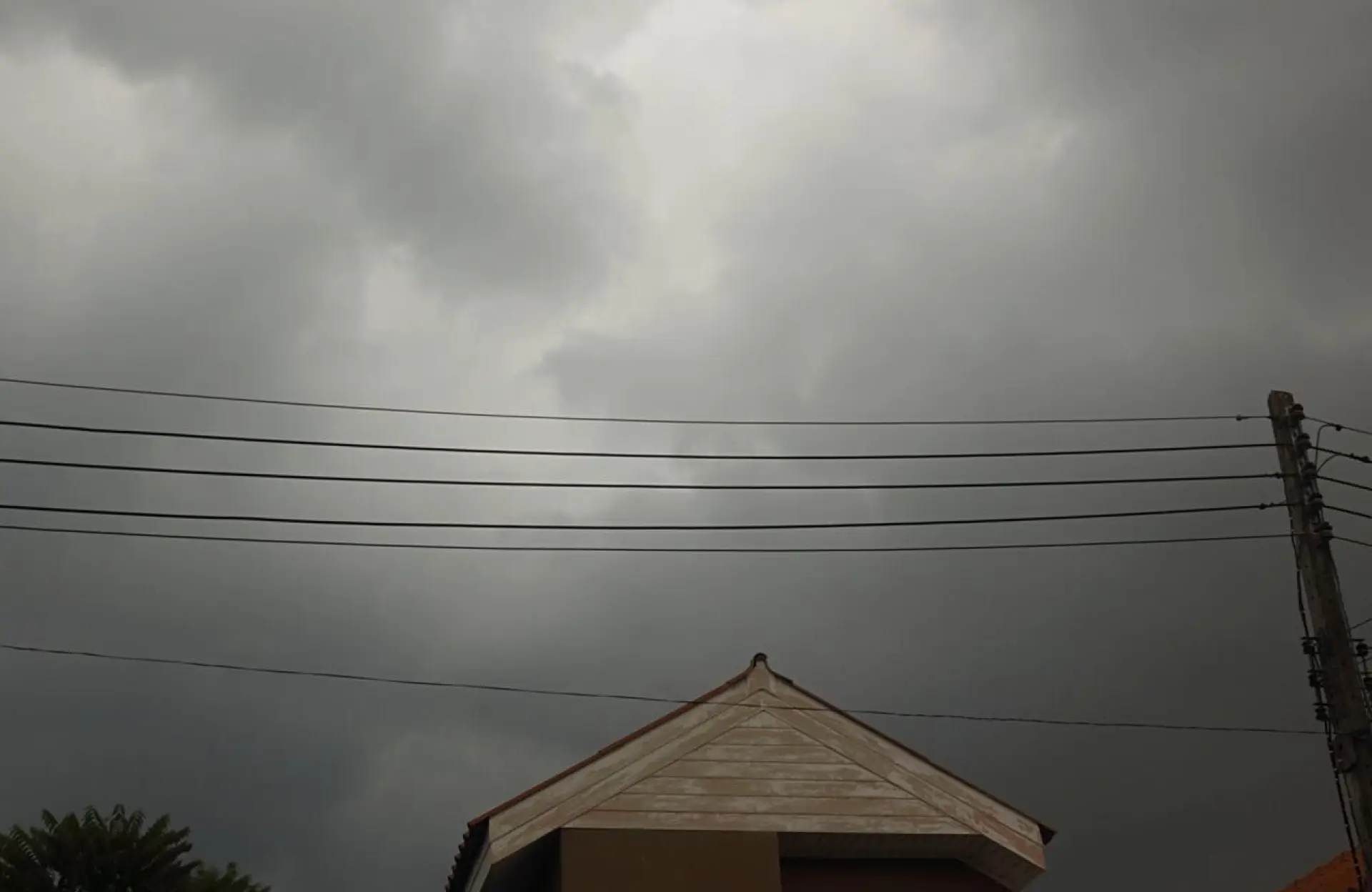
Thunderstorms, ice storms, and high-wind events cause significant and often invisible electrical damage to Ontario homes and commercial buildings. Voltage surges, downed lines, flooding near electrical panels, and physical damage to service entrance equipment all create safety risks that require a licensed electrician to assess before the building returns to normal operation.
How Do Ontario Storms Create Electrical Hazards for Homes and Businesses?
Ontario storms create electrical hazards through four distinct mechanisms: voltage surges introduced onto the utility line by lightning strikes, physical damage to the service entrance from wind or falling trees, flooding that contacts electrical panels or outlets below grade, and grid instability from downed lines that introduces irregular voltage into connected buildings before supply is fully cut.
The Greater Toronto Area experiences all four of these storm types across the calendar year. Thunderstorm season runs from late spring through early fall, with Environment Canada recording an average of 20 to 30 significant thunderstorm events per year across the GTA. Winter ice storms represent a separate and often more damaging category, as the weight of ice accumulation on utility lines and trees results in widespread downed conductors across North York, Vaughan, Mississauga, and Oakville.
What makes storm electrical damage particularly hazardous is that much of it is not immediately visible. A surge that passes through the panel during a storm may leave the breakers in normal position while degrading circuit components, appliance control boards, and internal panel wiring in ways that only become apparent days or weeks later.
What Types of Storms Cause the Most Electrical Damage in Ontario?
Not all storm types carry the same electrical risk. Understanding which weather events cause which categories of electrical damage helps homeowners and property managers prioritize inspections and protective measures.
|
Storm Type |
Primary Electrical Risk |
Inspection Priority |
|
Lightning Thunderstorm |
Voltage surge, panel damage, device failure |
High – inspect panel and devices |
|
Ice Storm |
Downed lines, service entrance damage, prolonged outage |
High – inspect entrance and panel |
|
High Wind Event |
Falling trees on lines, service entrance displacement |
High – inspect entry point first |
|
Heavy Rain / Flooding |
Subgrade panel contact, outlet flooding, sump failure |
Immediate – do not restore power |
|
Freezing Rain |
Weight on lines, arc events from iced conductors |
Moderate – check outdoor connections |
What Electrical Damage Does a Thunderstorm Cause in Ontario?
Thunderstorms cause electrical damage primarily through lightning-induced voltage surges. A lightning strike on or near the utility distribution line introduces a voltage spike that can reach tens of thousands of volts and travels from the utility connection through the service entrance, into the electrical panel, and along every circuit in the building in milliseconds.
This surge can destroy connected electronics and appliances instantly, damage circuit breakers inside the panel, and degrade internal panel wiring that is not designed to absorb that level of overvoltage. In some cases, the surge triggers an arc inside the panel that poses an immediate fire risk.
Thunderstorms also cause electrical hazards through direct physical damage. A lightning strike to a tree adjacent to the service entrance can displace the weather head or damage the service entrance conductors. These are the cables that run from the utility line to the top of your home or commercial building, and they must be inspected and cleared by a licensed master electrician before the service is reconnected.
If your property experienced a major thunderstorm, a professional assessment of surge damage to your electrical system is the recommended first step before reconnecting power or replacing equipment.
How Do Ice Storms Damage Electrical Systems in the GTA and Ontario?
Ice storms are the most structurally damaging weather event for electrical infrastructure in Ontario. Ice accumulation on overhead utility lines adds significant weight and can cause line sag, line contact, or complete line failure over spans of several kilometres. When a line fails under ice load, the result is typically a prolonged outage affecting large sections of a community simultaneously.
For individual properties, ice storms damage electrical systems at the service entrance. The service drop, the utility-owned span of wire that connects the utility line to the weather head at your building, can be pulled down by falling ice or by branches and trees brought down by ice accumulation. This disconnects the building from the grid and may damage the weather head, service entrance conductors, or the mast that supports them.
Ice storm damage to the service entrance is a utility and homeowner shared responsibility in Ontario. The utility restores the line to the connection point; the homeowner is responsible for having the weather head, mast, and service entrance conductors inspected and repaired by a licensed electrician before the utility will reconnect the service.
If ice storm damage has exposed aging service entrance components, this is an appropriate time to assess a full service upgrade for the property.
What Electrical Risks Does Flooding Create for Ontario Homes and Businesses?
Flooding creates immediate and serious electrical safety risks that require the power to be shut off at the main breaker before any person enters a flooded area of the building. Water that contacts live electrical wiring, outlets, or panel components creates an electrocution hazard that is not visible and is not safe to assess without confirmed power isolation.
Basement flooding is the most common flooding scenario in the GTA, particularly following high-intensity rain events that exceed the capacity of municipal storm sewers. Electrical panels located in unfinished basements, sump pump circuits, and sub-grade outlets are all at risk when water levels rise above floor level.
After flooding recedes, no electrical circuit in the affected area should be energized until a licensed electrician has inspected the wiring, outlets, panels, and any equipment that was in contact with water. Water infiltration into wiring insulation and junction boxes can cause progressive insulation failure and arc events that occur days or weeks after the initial flood event.
Phaze-In Electric provides post-flood electrical inspections for residential wiring and below-grade electrical systems across Toronto, North York, and the wider GTA.
What Should Ontario Homeowners Do After a Major Storm Event?
The steps taken in the hours after a major storm directly affect the safety of the property and the people in it. Phaze-In Electric serves clients at 73 Glen Long Ave, North York and across the full GTA region. The following sequence applies to any significant storm event.
- Stay clear of downed lines. Any line on or near the property should be treated as live until Toronto Hydro or Hydro One confirms it is de-energized. Do not touch the line or anything in contact with it.
- Shut off the main breaker if flooding is present. Before entering a flooded basement or any area where water has reached electrical components, shut off power at the main panel from a dry location.
- Disconnect sensitive electronics. After a surge event, unplug computers, televisions, and appliances before attempting to restore power to circuits that may have been affected.
- Document the damage. Photograph service entrance damage, flooding levels relative to electrical components, and any visible damage to outlets, panels, or equipment for insurance purposes.
- Schedule a licensed electrician inspection. Do not assume the electrical system is safe to return to normal operation after a significant storm. A licensed master electrician should inspect the panel, service entrance, and affected circuits before full power is restored.
How Can GTA Homeowners and Businesses Prepare Their Electrical Systems for Storm Season?
Storm season preparation for electrical systems in the GTA involves two categories of action: protective installations that reduce damage when a storm occurs, and inspection and maintenance that identify vulnerabilities before a storm exposes them.
A whole-home surge protector installed at the electrical panel is the single most effective protective installation for any GTA home or commercial building. It intercepts voltage spikes at the service entrance before they can reach internal circuits and is the appropriate response to lightning and utility switching surge risk.
Inspection and maintenance actions include having a licensed electrician assess the condition of the service entrance, weather head, and mast before storm season, checking that outdoor outlets and circuit breakers are weatherproofed correctly, and confirming that sump pump circuits have backup capability for use during extended outages.
Older panels with limited surge tolerance benefit significantly from a panel upgrade before storm season, particularly in GTA communities with overhead utility distribution lines.
Protecting Your Ontario Property From Storm-Related Electrical Damage
Storm-related electrical damage in Ontario is not a matter of whether it will occur, but when and how severe the event will be. Every major thunderstorm, ice storm, and wind event that passes through the GTA introduces some level of electrical risk to every connected property. The properties that weather these events without significant damage are the ones with surge protection, current panel capacity, and service entrance infrastructure that has been assessed and maintained by a licensed electrician.
Phaze-In Electric Ltd., led by master electrician Andrew Spano, provides post-storm electrical inspections, surge protection installations, service entrance repairs, and panel upgrades for residential and commercial clients across Toronto, North York, Etobicoke, Vaughan, Markham, Richmond Hill, Stouffville, Mississauga, and Oakville. Every inspection follows the Ontario Electrical Safety Code and is performed by a fully licensed, ESA-registered contractor.
Review common questions about storm-related electrical damage and inspections across Ontario, or contact Phaze-In Electric directly to schedule a post-storm assessment.
Frequently Asked Questions
1. How do storms cause electrical damage to Ontario homes?
Ontario storms damage home electrical systems through voltage surges introduced by lightning strikes on utility lines, physical damage to service entrance equipment from falling trees or ice accumulation, and flooding that contacts electrical panels or wiring in basements and sub-grade spaces. Much of this damage is not immediately visible and may only become apparent when affected devices fail or wiring insulation deteriorates days or weeks after the storm event.
2. Is it safe to use my home electricity after a thunderstorm in the GTA?
It depends on whether the storm produced a lightning strike near your property, caused any visible damage to the service entrance, or resulted in flooding near electrical components. If any of these occurred, the electrical system should be inspected by a licensed electrician before returning to normal use. If the storm passes without any of these events and all breakers are in normal position, the system is generally safe to continue using, though unexplained device failures afterward should prompt a professional assessment.
3. What does storm damage to the service entrance look like?
Storm damage to the service entrance often presents as a displaced or leaning electrical mast, a weather head pulled away from the exterior wall, visible damage to the service entrance conductors where they enter the building, or a downed service drop lying on the roof or ground. Any of these conditions requires the utility to de-energize the line and a licensed electrician to repair the affected components before the utility will reconnect service.
4. Do I need a permit for electrical repairs after storm damage in Ontario?
Yes. Electrical repairs to the service entrance, panel, or branch circuits after storm damage in Ontario typically require an Electrical Safety Authority permit, particularly if the scope of work involves replacing components rather than simply restoring existing connections. Phaze-In Electric Ltd. manages the full permit process for storm damage repairs and coordinates with the utility for reconnection following any permitted work on the service entrance.
5. How do I know if my electrical panel was damaged by a storm surge?
Signs of panel damage following a storm surge include breakers that will not hold their set position, a burning smell from the panel enclosure, visible scorching inside the panel, or individual circuits that no longer supply power even after the breaker is reset. Any of these signs requires the panel to be de-energized and inspected by a licensed master electrician before power is restored to the affected circuits.
6. Does homeowners insurance in Ontario cover electrical damage from storms?
Most standard Ontario homeowners insurance policies cover electrical damage caused by lightning strikes and named storm events. Coverage for flood-related electrical damage varies significantly by policy and flood type. Ground-level flooding from heavy rain is frequently excluded from standard policies, while storm surge and overland flooding may require separate coverage riders. A post-storm electrical inspection by a licensed electrician that documents the cause and scope of damage is essential for supporting any storm-related insurance claim.
Ready to Protect Your Property Before or After a Storm?
Phaze-In Electric Ltd. serves clients across Toronto, North York, Etobicoke, Vaughan, Markham, Richmond Hill, Stouffville, Mississauga, and Oakville. Visit contact and booking to schedule a storm-readiness assessment or post-storm electrical inspection.
Key Takeaways
- Ontario storms create electrical hazards through four mechanisms: voltage surges from lightning, physical service entrance damage from wind and ice, flooding that contacts electrical components, and grid instability from downed lines.
- Ice storms are the most structurally damaging storm type for electrical infrastructure in Ontario, causing service entrance damage and prolonged outages across the GTA each winter.
- After any flooding that contacts electrical components, the main breaker must be shut off and a licensed electrician must inspect the system before power is restored to affected areas.
- A whole-home surge protector installed at the electrical panel is the most effective single storm-preparedness measure for any GTA home or commercial building.
- Post-storm electrical inspections in Ontario typically require an ESA permit when the scope of work involves component replacement. Phaze-In Electric manages the full permit process.
- Phaze-In Electric Ltd. is a fully licensed, ESA-registered contractor providing storm damage inspections and electrical protection installations across the Greater Toronto Area.