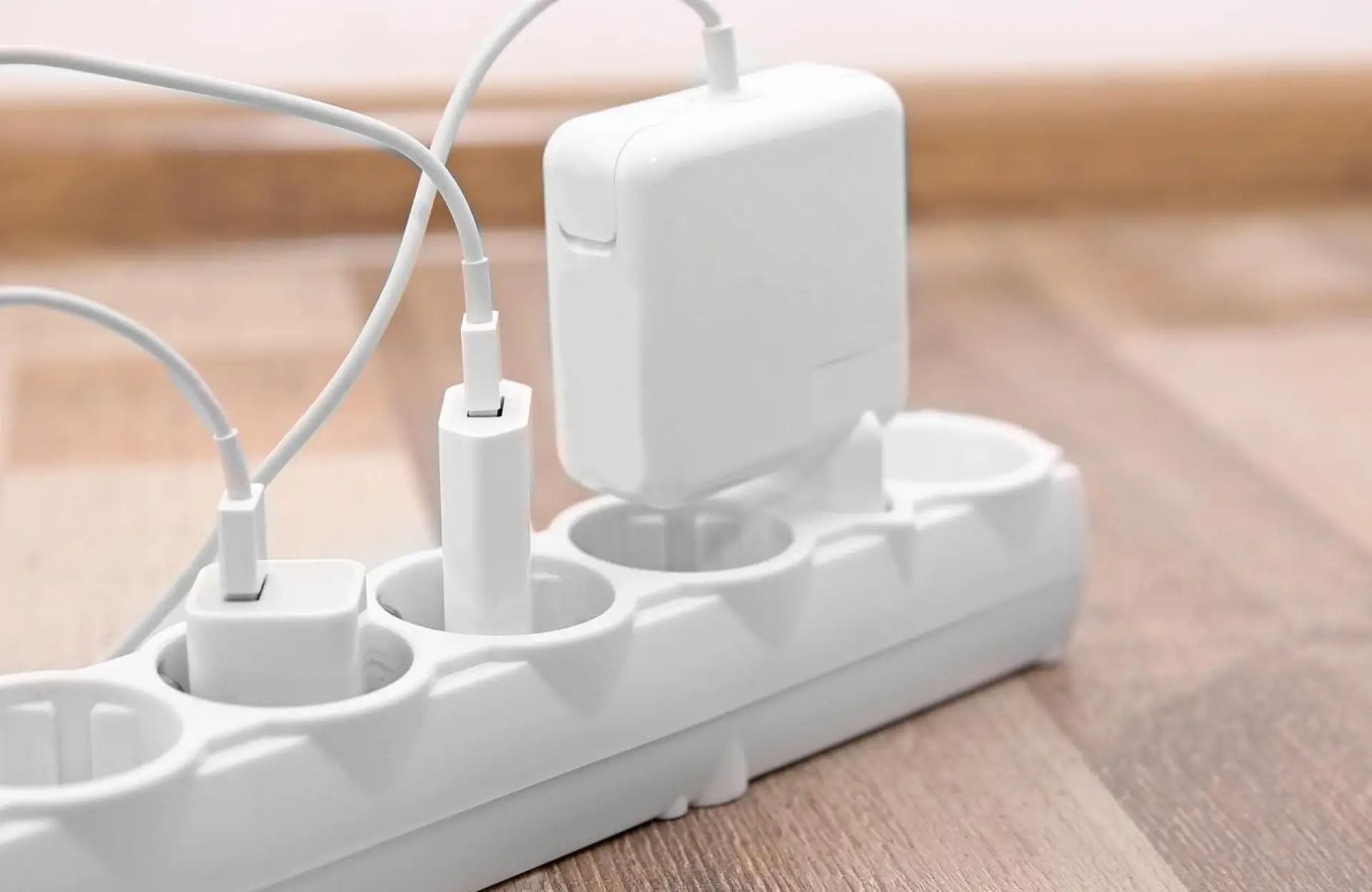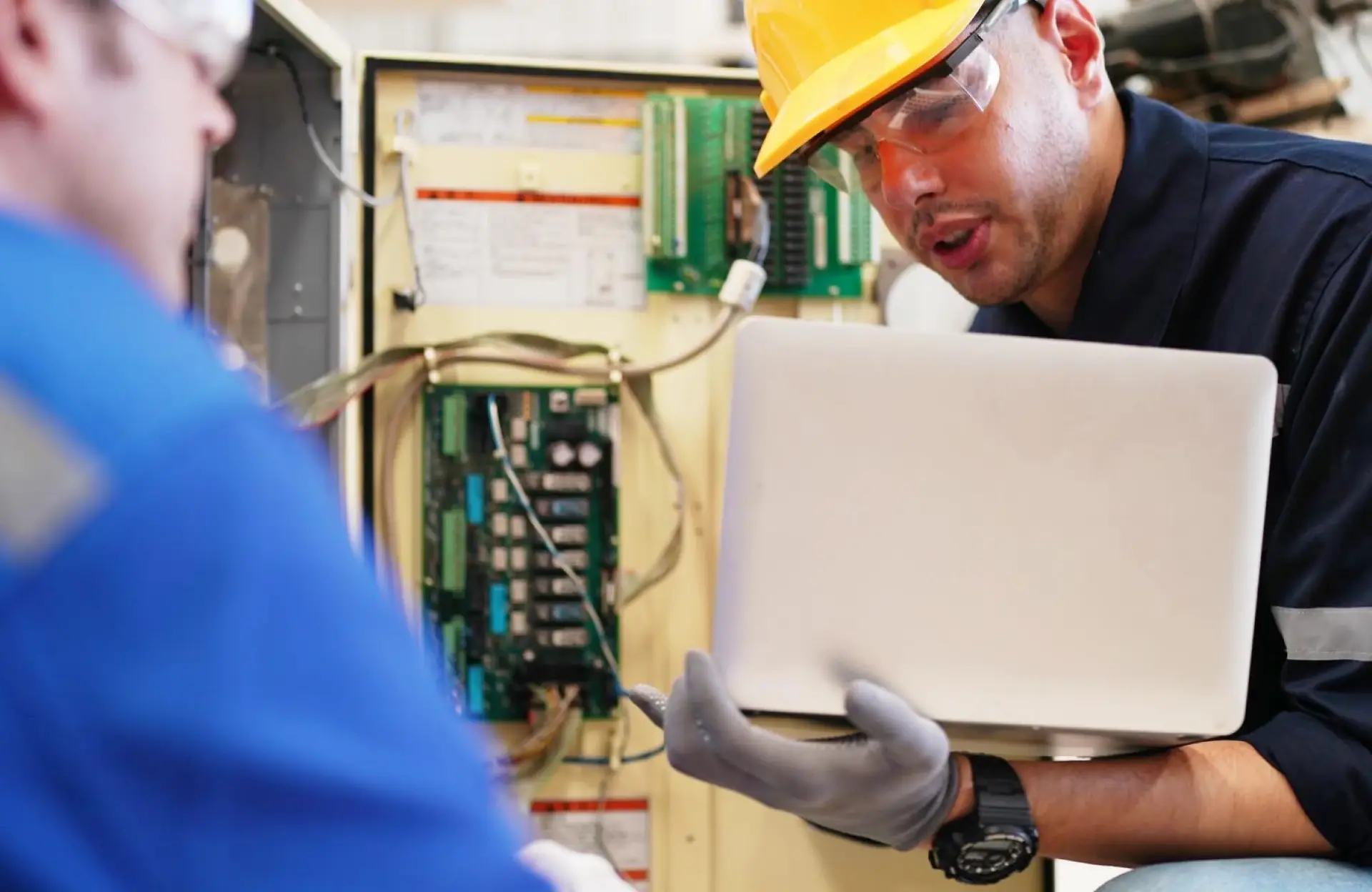

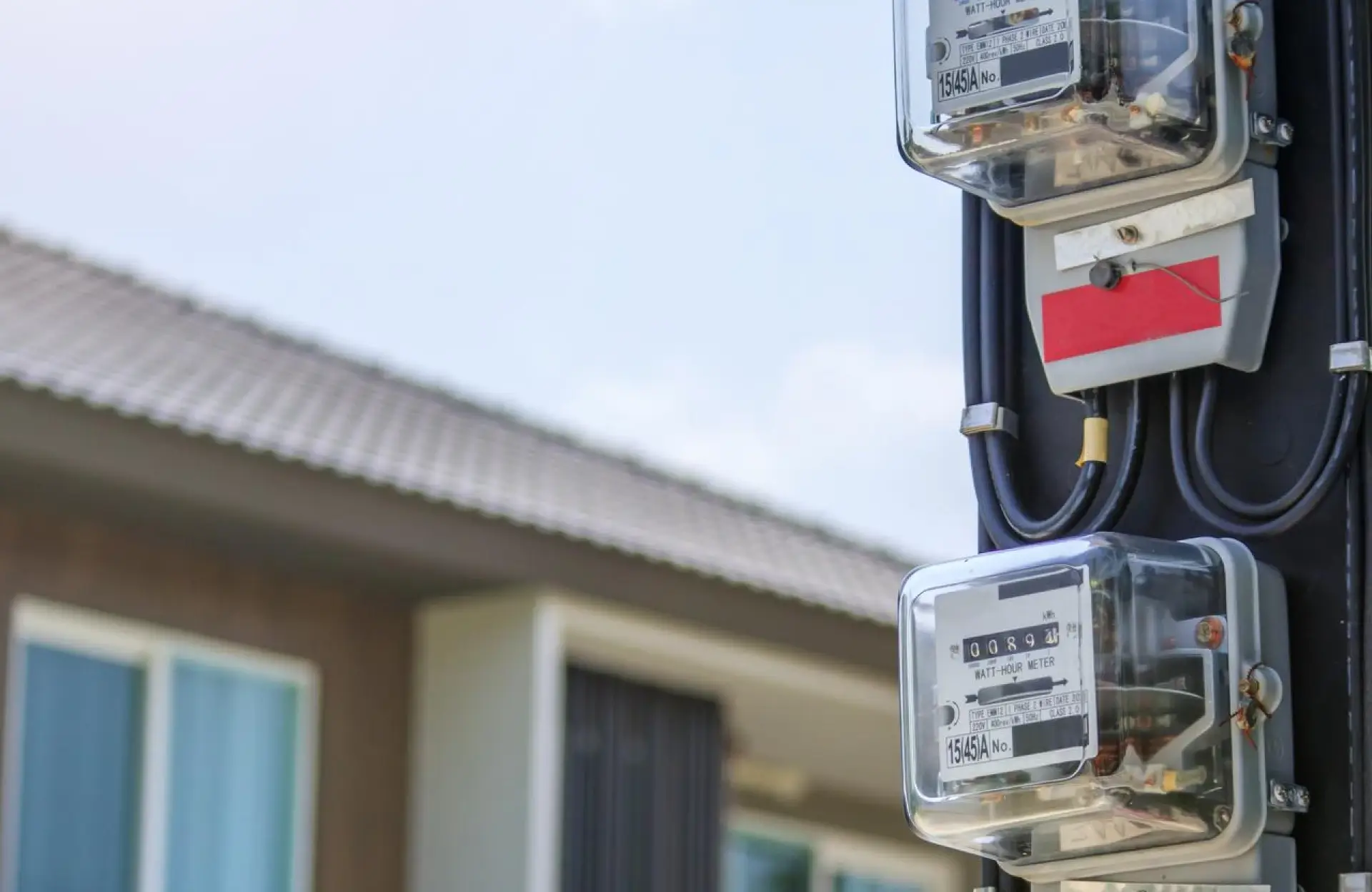
Expensive household appliances are among the most common casualties of power surges on the GTA grid. A surge protector works by detecting excess voltage and redirecting it away from connected devices before it can cause damage. Whole-home surge protection installed at the electrical panel provides the broadest coverage. Point-of-use surge strips offer a secondary layer for individual devices but degrade over time and should not be used as a standalone solution.
Why Are Expensive Appliances Particularly Vulnerable to Power Surges?
Modern appliances are far more surge-sensitive than the appliances they replaced. Electronic control boards, variable frequency motor drives, and digital displays operate at low internal voltages, typically 3.3V to 12V DC at the circuit board level, even when connected to a standard 120V or 240V supply. This gap between supply voltage and operating voltage means the internal electronics have very little tolerance for voltage above their design rating.
A power surge is a brief but significant increase in voltage above the normal operating level of the supply circuit. On the GTA grid, managed by Hydro One for regional distribution and Toronto Hydro for city supply, surges occur from lightning strikes, utility switching events, and large appliances cycling on the same circuit. Each event introduces voltage that can reach hundreds or thousands of volts above the 120V or 240V nominal supply.
The result is that the digital control boards inside refrigerators, dishwashers, HVAC systems, washing machines, and smart home devices absorb the excess voltage and fail, either immediately or through cumulative degradation over months of exposure to smaller, unnoticed surges.
How Does a Surge Protector Actually Work to Protect Appliances?
A surge protector is a device that detects voltage exceeding a defined threshold above the normal supply level and redirects that excess energy away from the connected circuit before it can reach the appliance. The component inside a surge protector that performs this function is a metal oxide varistor, commonly referred to as an MOV.
An MOV is a voltage-sensitive resistor that conducts electricity normally at supply voltage but rapidly increases its conductivity when voltage rises above its clamping threshold. This increased conductivity diverts the excess voltage to ground through the building’s grounding system rather than allowing it to pass through to connected equipment.
This process happens in nanoseconds, which is fast enough to intercept most surge events before they reach the appliance’s internal electronics. The effectiveness of a surge protector depends on two key ratings: the clamping voltage, which determines the maximum voltage that reaches the connected device, and the joule rating, which determines how much total surge energy the device can absorb over its lifetime.
How Do Whole-Home Surge Protectors and Power Strip Surge Protectors Compare?
The two most common surge protection options available to GTA homeowners operate at fundamentally different levels of the electrical system and provide different degrees of protection for appliances throughout the home.
|
Feature |
Whole-Home Protector |
Power Strip Protector |
|
Installation point |
Main electrical panel |
Individual outlet |
|
Coverage |
Every outlet and circuit |
Connected devices only |
|
Installation |
Licensed electrician required |
Plug-in, no installation |
|
Joule rating |
1,000 to 3,000+ joules |
200 to 1,000 joules |
|
Degradation |
Slower, longer service life |
Degrades with each surge absorbed |
|
Hardwired appliance coverage |
Yes (HVAC, electric range, etc.) |
No |
|
Cost (installed) |
Moderate, one-time |
Lower upfront, recurring replacement |
Which Appliances in a GTA Home Are Most at Risk From Voltage Surges?
The appliances most at risk from power surges are those with sophisticated digital control systems and motor drives that operate at voltages significantly below the supply voltage. In a typical GTA home, these include the appliances most expensive to replace.
- HVAC systems are among the highest-risk items. Variable speed air conditioners and heat pumps use digital variable frequency drives and electronic control boards that are highly sensitive to voltage spikes. An HVAC control board replacement in a modern central air system costs several hundred to several thousand dollars, and the system cannot operate without it.
- Refrigerators and freezers with electronic controls and digital displays are far more surge-sensitive than older mechanical models. The control board failure caused by a surge event can result in complete loss of refrigeration and spoilage of contents, adding to the direct replacement cost.
- Washing machines and dishwashers with digital control panels and variable motor drives share the same vulnerability. Control board failures in these appliances are frequently misdiagnosed as mechanical failures and result in premature replacement of machines that have years of useful life remaining.
- Smart home systems and entertainment electronics including smart TVs, home theatre receivers, gaming consoles, and network equipment, contain circuit boards that are among the most surge-sensitive components in the home. These devices have no mechanical backup and fail completely when their electronics are damaged.
If unexplained appliance failures have occurred in your home, a professional assessment of surge damage to your electrical system can identify whether surges are the underlying cause.
What Is the Joule Rating of a Surge Protector and Why Does It Matter?
The joule rating of a surge protector indicates the total amount of surge energy the device can absorb over its operational lifetime before it can no longer provide protection. It is the single most important specification to understand when evaluating any surge protection device.
A surge protector with a low joule rating, typically below 400 joules, will absorb a limited number of surge events before its MOV components are exhausted. Once exhausted, the device continues to pass power normally but provides no surge protection whatsoever. Many homeowners use depleted surge strips for years without knowing the protection has failed.
For GTA homes where surges from lightning, utility switching, and appliance cycling are frequent, a whole-home surge protector with a joule rating above 1,000 joules is the appropriate minimum. For commercial properties with higher surge exposure, ratings of 3,000 joules or more are standard specifications.
A whole-home surge protector is installed at the electrical panel by a licensed electrician. If your panel is aging, a panel upgrade assessment before installation confirms the panel can accommodate the device correctly.
How Does a Whole-Home Surge Protector Protect Hardwired Appliances?
Hardwired appliances, including central air conditioners, electric ranges, built-in dishwashers, and whole-home HVAC systems, cannot be protected by a plug-in power strip because they are connected directly to the building wiring rather than through a standard outlet. A whole-home surge protector installed at the panel is the only device that provides surge protection for hardwired equipment.
This distinction is critical for GTA homeowners with central air conditioning and electric heating systems. These are typically the highest-cost electrical appliances in the home, and their electronic control components are among the most expensive to replace when damaged by a surge event. A whole-home surge protector covers them automatically because it operates at the point where all circuit wiring originates.
Phaze-In Electric installs whole-home surge protectors as part of full residential wiring consultations for GTA homeowners upgrading or protecting their electrical systems.
How Often Should Surge Protectors Be Replaced or Inspected?
A whole-home surge protector installed by a licensed electrician should be inspected as part of any routine electrical panel assessment, typically every five to ten years or following any major surge event. Most quality whole-home devices include an indicator light that signals when the MOV components have been exhausted and the device is no longer providing protection.
Point-of-use power strip surge protectors have a shorter effective service life due to their lower joule ratings and the higher number of smaller surge events they absorb at the outlet level. A power strip that has been in service for more than three to five years in a GTA home should be treated as potentially depleted unless it has an active protection indicator showing the MOVs are still functional.
The safest approach is a layered system: a whole-home surge protector at the panel covering all circuits and hardwired equipment, combined with quality point-of-use devices for the most sensitive individual electronics. This combination provides the broadest protection across all surge magnitudes.
Giving Your GTA Appliances the Surge Protection They Need
Power surges on the GTA grid are a predictable and ongoing risk. Every thunderstorm season, every ice storm, and every daily utility switching event introduces voltage spikes that degrade or destroy the digital components inside expensive modern appliances. The cost of replacing an HVAC control board, a smart refrigerator, or a washing machine electronics module is measurably higher than the cost of a properly installed whole-home surge protection system.
Phaze-In Electric Ltd., founded by master electrician Andrew Spano with over 15 years of electrical trade experience and full ESA licensure, installs whole-home surge protection systems for residential and commercial clients across Toronto, North York, Etobicoke, Vaughan, Markham, Richmond Hill, Stouffville, Mississauga, and Oakville. Every installation follows the Ontario Electrical Safety Code and is completed by a fully licensed, ESA-registered contractor.
Browse common questions about surge protection and appliance safety across the GTA, or contact Phaze-In Electric to schedule your installation.
Frequently Asked Questions
1. What is the difference between a surge protector and a power bar?
A power bar is a multi-outlet extension that provides additional outlet capacity but offers no surge protection. A surge protector is a device, whether a wall-mount unit, a multi-outlet strip, or a whole-home panel device, that contains MOV components designed to intercept and redirect excess voltage before it reaches connected equipment. Not all multi-outlet strips include surge protection. The joule rating on the packaging is the clearest indicator that a device includes actual surge protection circuitry.
2. Can a surge protector prevent all appliance damage from power surges?
A correctly specified and installed surge protector significantly reduces the risk of appliance damage from voltage spikes. It cannot prevent all damage in all circumstances. A direct lightning strike at close range can produce voltage levels that overwhelm even high-rated surge protection devices. A layered approach, combining a whole-home panel protector with quality point-of-use devices for the most sensitive electronics, provides the most practical level of protection available for any GTA home or business.
3. How do I know if my surge protector is still working?
Most quality surge protectors include a status indicator light that confirms the protection circuitry is active. If this light is off on a device that is still passing power, the MOV components have been exhausted and the device is no longer providing surge protection. Surge protectors without an indicator light cannot be assessed visually and should be replaced on a schedule based on their joule rating and the known surge frequency at the property. A licensed electrician can assess a whole-home device during any panel inspection.
4. Does a whole-home surge protector protect appliances in every room?
Yes. A whole-home surge protector installed at the main electrical panel intercepts excess voltage at the point where all building circuits originate. This means every outlet, every hardwired appliance, and every circuit in the building is protected simultaneously, including HVAC systems, electric ranges, built-in appliances, and circuits in every room and floor of the property. It is the only surge protection device that covers hardwired equipment that cannot be connected to a point-of-use strip.
5. How much does a whole-home surge protector installation cost in the GTA?
The cost of a whole-home surge protector installation in the GTA depends on the device rating, the panel configuration, and whether any additional work is required before installation. A licensed electrician can provide an accurate quote following a brief panel assessment. The installation typically takes one to two hours and requires no major wiring changes if the panel is in good condition and has available capacity. Phaze-In Electric provides firm quotes before beginning any work.
6. Should I use a whole-home surge protector and point-of-use strips together?
Yes. A whole-home surge protector at the panel and quality point-of-use surge strips for the most sensitive individual electronics are complementary, not competing, layers of protection. The whole-home device handles the largest surge events and protects hardwired equipment. The point-of-use strips provide a secondary clamping layer for equipment such as computers, home theatre systems, and network hardware. Together they address the full range of surge magnitudes that affect GTA homes on a regular basis.
Ready to Protect Your Appliances From Power Surge Damage?
Phaze-In Electric Ltd. serves homeowners and commercial clients across Toronto, North York, Etobicoke, Vaughan, Markham, Richmond Hill, Stouffville, Mississauga, and Oakville. Visit contact and booking to schedule a whole-home surge protection installation.
Key Takeaways
- Modern appliances are significantly more surge-sensitive than older models because their electronic control boards operate at voltages far below the 120V or 240V supply level.
- Surge protectors work by using metal oxide varistors (MOVs) to detect excess voltage and redirect it to ground before it reaches connected equipment. This process happens in nanoseconds.
- The joule rating of a surge protector indicates the total surge energy the device can absorb over its lifetime. Once exhausted, the device provides no protection even though it continues to pass power.
- A whole-home surge protector installed at the electrical panel is the only device that protects hardwired appliances including HVAC systems, electric ranges, and built-in appliances.
- Point-of-use surge strips and a whole-home panel protector are complementary layers, not alternatives. Both together provide the broadest protection across all surge magnitudes.
- Phaze-In Electric Ltd. is a fully licensed, ESA-registered contractor installing whole-home surge protection for residential and commercial clients across the Greater Toronto Area.