
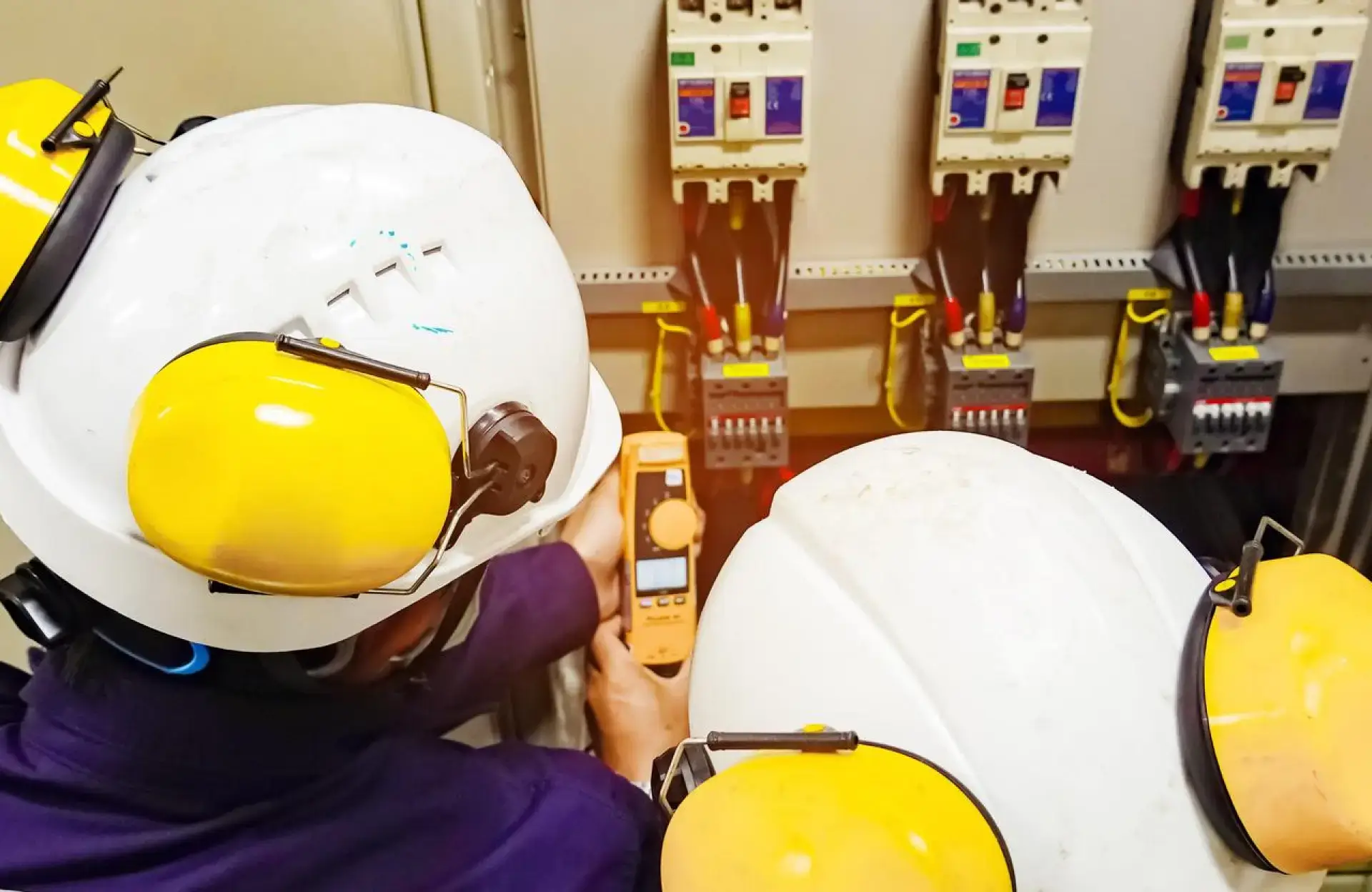
A home addition always increases electrical demand, and most older Toronto homes were not built with spare capacity. This guide covers the electrical upgrades most commonly required for additions, from panel and service upgrades to new circuits, lighting, and grounding, and explains how to plan for them before construction starts so your project stays on schedule and passes ESA inspection.
Why Electrical Planning Cannot Come After Construction
Home additions create new electrical demand from day one. New rooms require lighting, receptacles, HVAC equipment, and sometimes dedicated circuits for appliances or home offices. Most older homes in Toronto were built with limited electrical capacity and have little room to absorb additional load without a proper upgrade.
Homeowners who leave electrical planning until the end of a renovation project regularly encounter ESA inspection delays, rework costs, and occupancy permit holdups that would have been avoided with early coordination. The electrical scope of a home addition should be assessed and planned alongside the architectural and structural work, not after.
The Electrical Safety Authority requires that all electrical work related to a home addition be permitted and inspected. Unpermitted work can delay occupancy and affect resale value.
Electrical Panel and Service Upgrades for Home Additions
When an Electrical Panel Upgrade Is Required
An electrical panel upgrade is one of the most common outcomes of a home addition assessment. If the existing panel is already near capacity or has no available breaker space, new circuits cannot be added safely or legally without first upgrading the panel.
Signs that a panel upgrade is likely required include: an older 60 amp or 100 amp panel, frequent breaker trips under normal loads, no available circuit space, and plans to add high-power equipment such as an electric range, dryer, or HVAC system in the addition.
When a Service Upgrade Is Also Needed
Some home additions require more than just a panel upgrade. If the electrical service entering the home is undersized for the new total load, a service upgrade is required to increase the incoming amperage.
Service upgrades are common when the addition includes electric baseboard or forced-air heating, a full kitchen with dedicated appliance circuits, a laundry room, a basement apartment or secondary suite, or a home office with substantial equipment needs.
Service upgrades require utility provider coordination and ESA inspection in addition to the panel and circuit work.
New Circuits and Wiring for the Addition
Dedicated Circuits for Modern Uses
Every room in a home addition requires new circuits sized correctly for their intended use. Current Ontario Electrical Safety Code specifies dedicated circuits for many modern applications, and a licensed electrician will ensure the wiring plan meets those requirements.
Common dedicated circuit requirements include kitchen countertop receptacles, bathroom outlets on GFCI-protected circuits, laundry equipment, HVAC systems, and home office or workshop equipment with higher power demands.
Wiring Methods and Code Requirements
All new wiring for a home addition must meet current code, which often means newer methods and materials are used compared to the existing wiring in the rest of the home. A licensed electrician will select the correct wire sizing, breaker type, junction box placement, and cable routing to meet both safety and inspection standards.
Working with a qualified North York electrician who understands both residential and commercial wiring standards makes a meaningful difference in the quality and longevity of the installation.
Lighting Design for Home Additions
Interior Lighting
Lighting is a material part of every home addition, and modern homeowners expect layered lighting with ambient, task, and accent sources alongside dimming controls and energy-efficient fixtures. Planning the lighting layout during the electrical scope stage avoids costly changes after walls are closed.
Phaze-In Electric offers full lighting design services for both interior and exterior applications, combining functional electrical planning with a considered aesthetic approach.
Exterior and Transition Lighting
Home additions often alter exterior walls, entry points, or outdoor areas. When exterior surfaces change, new weather-rated exterior lighting is typically required. All exterior fixtures must meet weatherproofing, grounding, and protection requirements under the Ontario Electrical Safety Code.
Grounding and Bonding Upgrades
Any new electrical work connected to an older home requires that the grounding and bonding be brought up to current code standards. Proper grounding reduces shock risk, protects appliances from surges, and is a required part of passing an ESA inspection on home addition electrical work.
Many older Toronto properties have grounding systems that no longer meet current requirements. A licensed electrician will assess the existing grounding during the pre-work assessment and include any needed upgrades in the project scope.
The Ontario Building Code and the Ontario Electrical Safety Code both set requirements for grounding, bonding, and electrical protection that apply to any permitted home addition.
The Permit and Inspection Process for Home Addition Electrical Work
All new circuits, panel upgrades, and service upgrades related to a home addition must be permitted through the ESA. A licensed electrician handles the permit application, coordinates site visits and inspections, and addresses any deficiencies identified by the ESA inspector.
Electrical inspections must be completed and passed before the addition can receive its final occupancy approval. Delays in the electrical inspection timeline can hold up the entire construction project, which is why scheduling the electrical contractor early in the project is the right approach.
Planning Ahead for Future Electrical Needs
A home addition is an opportunity to plan the electrical system for where the property is heading, not just where it is today. EV charging, smart home systems, future renovations, and additional suites are all worth factoring into the panel and service sizing decisions made during the current project.
Planning for future capacity at the time of the upgrade avoids the disruption and cost of a second project later. LED lighting upgrades and correctly sized systems also reduce operating costs over time, making the electrical investment more efficient.
Electrical Upgrades for Home Additions: What to Know Before You Build
Home additions increase electrical demand in ways most homeowners do not fully anticipate until problems surface during construction or inspection. Panel upgrades, service increases, new circuits, grounding improvements, and lighting design all need to be planned as part of the project, not added as afterthoughts.
Phaze-In Electric Ltd. is a licensed, ESA-certified electrical contractor serving North York, Toronto, Etobicoke, Vaughan, Markham, Richmond Hill, Mississauga, and Oakville. Led by Master Electrician Andrew Spano, the team works alongside general contractors, builders, and homeowners to keep home addition electrical work on schedule, on budget, and fully code-compliant.
Contact Phaze-In Electric to schedule a consultation before your addition breaks ground.
Frequently Asked Questions
1. Does a home addition always require an electrical panel upgrade in Toronto?
Not always, but it is common. If the existing panel has available circuit space and the addition’s electrical load is modest, a panel upgrade may not be required. A licensed electrician will perform a load calculation to determine whether the current panel can safely support both the existing home and the new addition. If capacity is insufficient, an upgrade will be required before new circuits can be added.
2. What electrical permits are required for a home addition in Toronto?
All new circuits, panel upgrades, and service upgrades related to a home addition must be permitted through the Electrical Safety Authority. The licensed electrician handles the permit application, schedules inspections, and resolves any deficiencies. Electrical inspections must pass before the addition can receive its final occupancy approval.
3. How long does the electrical work for a home addition take?
Timeline depends on the scope of the electrical work, the size of the addition, and whether a panel or service upgrade is required. Rough-in wiring typically happens during the framing stage, with final connections and inspections completed toward the end of the project. Coordinating the electrical contractor early in the project prevents delays at the inspection stage.
4. Can I add an EV charger as part of my home addition electrical upgrade?
Yes, and adding EV charger capacity during the home addition electrical upgrade is the most cost-effective time to do it. If the panel or service is already being upgraded, accommodating an EV charger at the same time avoids a second mobilisation, permit, and utility coordination later.
5. What happens if the electrical work for my home addition fails the ESA inspection?
If an ESA inspection identifies deficiencies, the electrical contractor must correct them before the inspection can be passed. A licensed electrician with solid knowledge of Ontario code typically avoids deficiencies through proper planning and installation. If they do occur, a reputable contractor will resolve them without passing the cost to the property owner.
6. Is separate electrical planning needed for a basement apartment or secondary suite?
Yes. A basement apartment or secondary suite requires its own dedicated circuits, a separate electrical panel in many cases, and may trigger a service upgrade depending on the total load. Phaze-In Electric handles secondary suite electrical work across the GTA, including load calculations and ESA permit coordination.
7. How do I find a licensed electrician for a home addition in Toronto?
Look for an ESA-certified electrical contractor led by a licensed Master Electrician who has experience with both residential and commercial projects. Verify ESA certification, ask for a written scope of work with permit inclusion, and confirm the contractor will coordinate directly with the ESA inspector. Phaze-In Electric meets all of these criteria and serves the full GTA.
Book Your Home Addition Electrical Consultation
Phaze-In Electric Ltd. coordinates home addition electrical work alongside your general contractor to keep your project moving. Our residential team handles load assessments, panel upgrades, new circuits, lighting design, and ESA permitting across North York, Toronto, and the GTA. Call us to book a pre-construction consultation.
Key Takeaways
- Home additions always increase electrical demand, and most older Toronto properties have limited spare capacity in their existing panel or service.
- A licensed electrician should assess the electrical scope of a home addition before construction starts to avoid delays and rework during inspection.
- Panel and service upgrades are common requirements for additions with electric heating, full kitchens, laundry, secondary suites, or EV charging.
- All new circuits, panel upgrades, and service upgrades for a home addition must be permitted and inspected through the ESA.
- Adding EV charger capacity during the addition electrical upgrade is the most cost-effective time to plan for it.
- Grounding and bonding must be brought up to current code as part of any permitted home addition electrical work on an older property.