

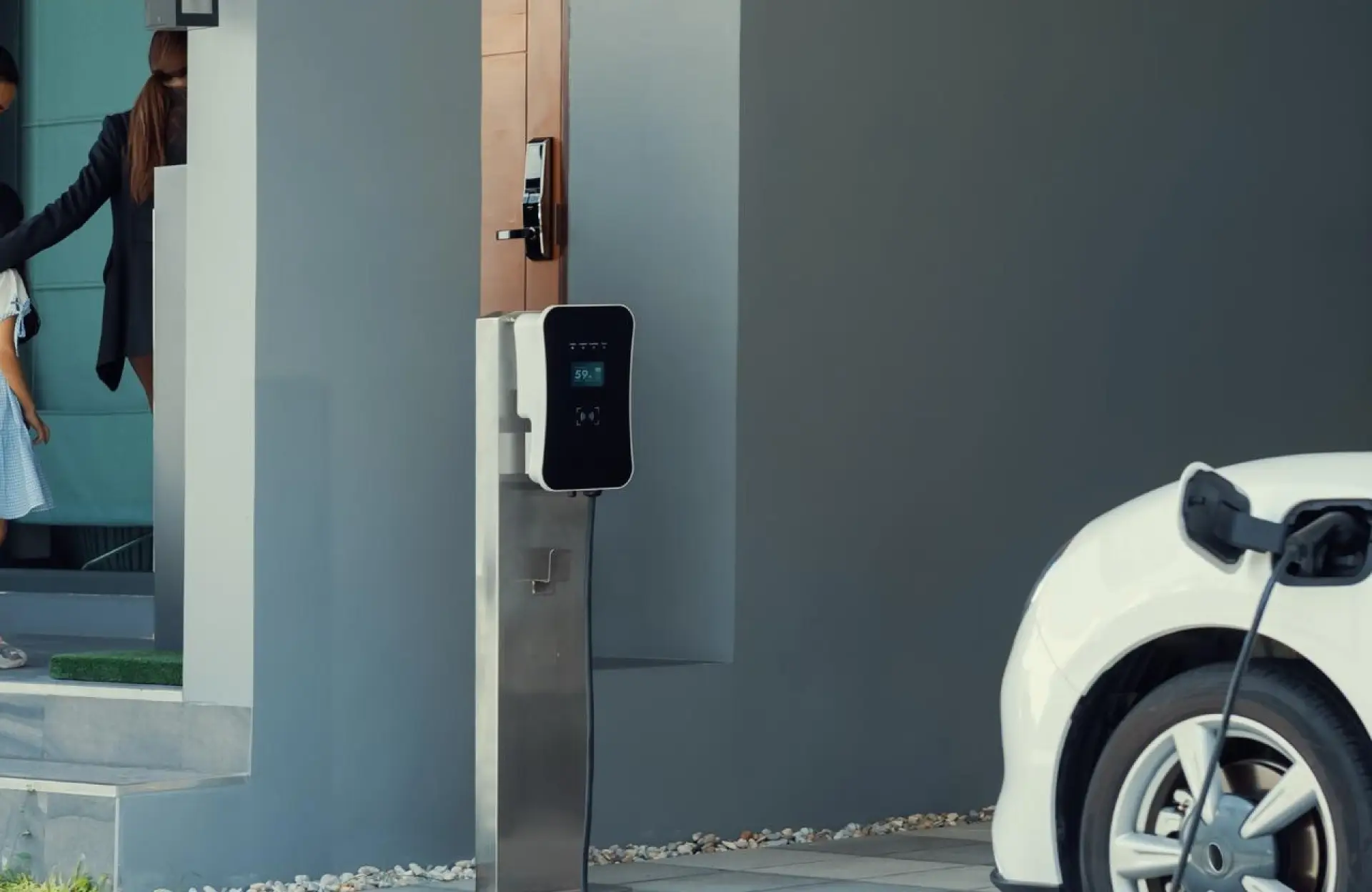
Installing a commercial EV charging station in Toronto or the GTA requires careful planning around electrical capacity, permitting, equipment selection, and scalability. Phaze-In Electric manages the full process for office buildings, retail plazas, warehouses, and multi-residential properties, from formal load assessment and ESA permit application through installation, inspection, and long-term support.
Why Commercial EV Charging Stations Are Now Essential
Electric vehicles are no longer a novelty on Ontario roads. As adoption accelerates, installing a commercial EV charging station has shifted from a differentiating amenity to an expected feature for office buildings, retail plazas, warehouses, multi-residential properties, and mixed-use developments across Toronto and the GTA. Property owners who plan this infrastructure now position their assets for long-term market competitiveness and tenant retention.
Key reasons GTA property owners are investing in commercial EV charging stations:
- Enhanced property value and market competitiveness across all asset classes
- Better tenant and customer retention in multi-use and office developments
- Alignment with sustainability goals and ESG reporting requirements
- Future-proofing for Ontario transportation trends and provincial EV adoption targets
Phaze-In Electric serves commercial clients across Toronto, North York, Vaughan, Markham, Richmond Hill, Mississauga, and Oakville.
Understanding Commercial EV Charger Types
Selecting the right equipment is the first decision in any commercial EV charging station project. The appropriate charger type depends on the property use, the expected charging dwell time, and the anticipated volume of EV users.
Level 2 chargers: The most common choice for office buildings, retail properties, and multi-residential developments. Typically 208 to 240V, 30 to 80 amps per unit.
- Networked chargers: Include access control, usage monitoring, and data reporting features suited to managed commercial environments.
- Smart chargers with billing functionality: Allow property owners to charge users per session or per kWh consumed, with remote management capability.
- DC fast chargers: Appropriate for high-traffic locations, fleet depot facilities, and transit-adjacent properties requiring rapid throughput.
Electrical Capacity and Load Assessment for Commercial Properties
Before any commercial EV charging station is installed, a detailed electrical capacity and load assessment is mandatory. This assessment determines whether the existing electrical infrastructure can support the proposed charging load or whether an electrical service upgrade is required.
The load assessment for a commercial EV charging station evaluates:
- Existing electrical service size and available headroom within that capacity
- Current building peak demand and load usage patterns across peak and off-peak periods
- Spare capacity remaining after accounting for all existing building loads
- Future expansion potential for additional chargers as EV adoption grows
The Electrical Safety Authority of Ontario governs all commercial electrical installations in Ontario including commercial EV charging station projects.
When an Electrical Service Upgrade Is Required
Many commercial properties, particularly those built before widespread EV adoption was anticipated, require an electrical service upgrade before a commercial EV charging station can be installed at meaningful scale. The upgrade scope depends on the property’s existing infrastructure and the number and type of chargers planned.
Common service upgrade requirements for commercial EV charging station projects:
- Electrical service size increase to support the total sustained EV charger load
- Panel or switchgear upgrades to accommodate additional circuit capacity
- Transformer coordination with the local utility provider for large-scale installations
- Feeder and distribution system improvements for multi-level or multi-zone charging
Load Management Systems for Commercial EV Charging
A load management system is one of the most effective tools available for commercial EV charging station deployments. It allows available electrical power to be distributed intelligently across multiple chargers without requiring a full electrical service upgrade in many cases.
Benefits of a load management system for a commercial EV charging station:
- Prevents electrical overloads and nuisance tripping across the charging network
- Reduces peak demand charges on the property’s electricity bill
- Enables more chargers to operate within existing electrical capacity
- Provides a scalable platform for long-term expansion as EV adoption grows
Load management systems are particularly valuable for multi-tenant commercial properties, parkades, and multi-residential buildings where individual unit metering and access control are needed alongside efficient power distribution.
Permit and Inspection Requirements for Commercial EV Installations
All commercial EV charging station installations in Ontario are subject to permits and inspections through the Electrical Safety Authority. Permits confirm compliance with the Ontario Electrical Safety Code, proper grounding and circuit protection, safe installation of all charging equipment, and adherence to manufacturer installation specifications. Permits must be applied for and held by a licensed electrical contractor, not the property owner directly.
User Access, Billing, and Operational Considerations
Commercial EV charging station planning must address the operational model alongside the electrical requirements. Key decisions include whether access is public, semi-public, tenant-only, or employee-only, how charging sessions will be tracked and billed, what ongoing network or software subscription costs apply to the chosen platform, and how the system will be managed and maintained over time.
These decisions affect the equipment selection, network platform choice, and the electrical design of the charging infrastructure. Phaze-In Electric advises property owners on the full operational picture alongside the technical installation.
Maintenance and Long-Term Reliability
A commercial EV charging station represents a long-term infrastructure investment. Phaze-In Electric supports property owners beyond the initial installation with periodic electrical safety inspections, charging performance monitoring coordination through network platforms, and coordination for repairs and component replacements over the life of the installation.
Planning Your Commercial EV Charging Station in the GTA
Successful commercial EV charging station projects begin with a thorough on-site assessment, a clear electrical capacity plan, and a scalable equipment strategy. Phaze-In Electric manages every aspect of this process for GTA commercial property owners, from initial load assessment through ESA permit application, equipment procurement guidance, installation, inspection, and long-term support.
Every Phaze-In Electric commercial EV charging station project is completed to full Ontario Electrical Safety Code compliance with proper ESA permit documentation that protects the property owner’s insurance coverage and regulatory standing.
Frequently Asked Questions
1. Do I need an ESA permit for a commercial EV charging station in Ontario?
Yes. All commercial EV charging station installations in Ontario require permits and inspections through the Electrical Safety Authority. The permit process must be managed by a licensed electrical contractor. Phaze-In Electric applies for and manages all permits as part of every commercial EV project.
2. What is a load management system and do I need one?
A load management system monitors real-time electrical demand across all connected chargers and distributes available power automatically. It allows more chargers to operate within existing electrical capacity, often eliminating or reducing the scope of an electrical service upgrade. Most multi-tenant commercial properties benefit from load management as part of their commercial EV charging station design.
3. How long does a commercial EV charging station installation take?
The timeline varies based on the scope of work, permitting requirements, and whether an electrical service upgrade is required. Simple installations may be completed in days, while larger projects involving utility coordination can take several weeks. Contact Phaze-In Electric for a clear project timeline after an on-site assessment.
4. Can I install a commercial EV charging station in a condo or multi-residential building?
Yes. Multi-residential commercial EV charging station installations require additional planning around shared electrical systems, building management approvals, and load management equipment. Phaze-In Electric manages multi-residential EV charging projects across the GTA.
5. What electrical upgrades are most commonly needed for commercial EV charging?
The most common requirements include an electrical service size increase to support the total charger load, panel or switchgear upgrades for additional circuit capacity, and in larger installations, transformer coordination with the local utility provider. A load management system can reduce the scope of these upgrades in many cases.
Plan Your Commercial EV Charging Station with Phaze-In Electric
Phaze-In Electric Ltd. serves Toronto, North York, and the GTA with licensed, ESA-certified commercial electrical work including commercial EV charging station design, installation, and long-term support. Call 416-427-4567 or reach us through the contact page to start planning your project.
Ready to get started? Contact Phaze-In Electric to schedule a licensed on-site assessment. Explore our commercial electrical services to see the full scope of what we deliver.
Key Takeaways
- Commercial EV charging stations require a formal load assessment before installation to confirm whether the existing electrical infrastructure can support the proposed charging capacity.
- A load management system can expand a commercial EV charging station’s capacity without a full electrical service upgrade in many GTA properties.
- All Ontario commercial EV charging station installations require ESA permits and must comply with the Ontario Electrical Safety Code.
- Partnering with a licensed electrical contractor ensures code compliance, a scalable design, and long-term reliability for the property owner.
- Phaze-In Electric manages every commercial EV charging station project from assessment through installation, inspection, and ongoing support.