
Power surges are brief voltage spikes that can destroy electronics instantly or degrade them gradually over months. Most damaging surges originate inside buildings from everyday appliances, not lightning. This guide explains how surges damage modern electronics, what warning signs indicate a surge risk in your home or business, and what protection options are available for Toronto and North York properties.
What Is a Power Surge?
A power surge is a sudden, brief increase in voltage above the normal level delivered to your electrical system. In Ontario, residential and commercial properties receive a regulated voltage supply. When that voltage spikes above normal levels for even a fraction of a second, every device connected to the affected circuit is exposed to stress or damage.
Surges range from large, immediately destructive spikes to smaller repeated events that are less visible but cause cumulative damage to electronics over time. Both types are a real risk in Toronto properties, and both are addressable through proper electrical planning and protection.
The Ontario Electrical Safety Code sets requirements for electrical system protection, grounding, and bonding that all directly influence a property’s vulnerability to power surge damage.
The Most Common Sources of Power Surges
Most people associate power surges with lightning, but the majority of damaging surges in homes and businesses actually originate inside the building from everyday electrical activity.
- Large appliances cycling on and off, including HVAC systems, refrigerators, and pumps, create brief voltage spikes each time their motors start or stop
- Lightning strikes near utility lines can send large voltage spikes through the distribution system and into connected properties
- Utility grid switching and maintenance operations sometimes introduce brief voltage anomalies
- Power outages and restoration events can create surges when voltage is reapplied to the system
- Faulty, overloaded, or improperly installed wiring within the property can generate localised surge conditions
For businesses with computers, servers, or sensitive production equipment, internal surges from HVAC cycling or industrial equipment are often the most frequent and costly source of damage.
Why Modern Electronics Are More Vulnerable Than Ever
Modern electronics are built around miniaturised semiconductors, microprocessors, and circuit boards that operate at very low voltages. This design makes them efficient and powerful but also makes them far more sensitive to voltage anomalies than older mechanical equipment.
When a power surge pushes excess voltage through a circuit, the result can be immediate component burnout, melted internal connections, or corruption of firmware and stored data. Even surges that do not cause immediate failure can weaken components in ways that lead to premature device failure weeks or months later.
The Canadian Standards Association certifies surge protection devices sold in Canada, and compliance with CSA standards is a key indicator of device quality and effectiveness.
Cumulative Surge Damage: The Risk That Goes Unnoticed
Not all surge damage is dramatic. Many properties experience repeated low-level surges from internal sources that never cause an immediate failure but progressively degrade the internal components of electronics and appliances.
A television, computer, or major appliance that fails well before its expected lifespan with no apparent cause may have been the victim of repeated low-level surge exposure. Because the connection between the failure and past surges is rarely obvious, the cost is absorbed as a normal replacement expense rather than being recognised as an electrical system problem.
This is one of the most financially costly and consistently underappreciated consequences of an unprotected electrical system, particularly for businesses where equipment failure means operational downtime.
How Surges Damage Specific Types of Equipment
Computers, Servers, and Smart Devices
Computers and servers are among the most vulnerable categories of equipment in any Toronto home or business. A voltage spike can damage or destroy the power supply, corrupt the hard drive, cause data loss, or render the device completely inoperable. For businesses where data and system availability are critical, a single surge event can result in significant downtime, recovery costs, and lost productivity.
HVAC Equipment and Major Appliances
Modern HVAC systems, refrigerators, and washing machines contain electronic control boards that are susceptible to surge damage. These components are expensive to replace and are often not covered under standard warranties when the failure is attributed to an electrical event. Replacing a control board on a heat pump or commercial refrigeration unit can cost as much as a portion of the original equipment price.
Lighting Controls and Smart Home Systems
Smart home systems, dimmer controls, and programmable lighting equipment contain sensitive electronics that can be damaged by surges. Properties that have invested in landscape lighting systems, automated controls, or integrated smart home technology have additional components that benefit from surge protection at the panel level.
Warning Signs of Power Surge Problems
These are common indicators that a property may be experiencing power surge conditions that warrant a professional electrical assessment:
- Lights flickering or dimming without an obvious cause, particularly when large appliances cycle on
- Frequent circuit breaker trips under normal loads
- Electronic devices or appliances failing or resetting without explanation
- Buzzing, crackling, or burning smell from outlets, switches, or the electrical panel
- Visible discolouration or scorch marks on outlets or switch plates
Any of these signs point to underlying electrical conditions that should be assessed by a licensed electrician before additional damage occurs or a safety hazard develops.
The Role of the Electrical Panel and Grounding in Surge Risk
Outdated or Damaged Panels
An older or poorly maintained electrical panel offers limited protection against power surges. Panels past their service life, those with loose connections, or those that lack proper grounding are more likely to allow surges to reach connected devices. A panel upgrade addresses these issues while also creating a foundation for whole-home surge protection devices to be installed.
Grounding and Bonding
Proper grounding and bonding diverts excess voltage to ground rather than through connected devices and wiring. It is a fundamental part of surge protection and electrical system safety. Many older Toronto properties have grounding systems that do not meet current code, which increases their vulnerability to surge damage.
Upgrading grounding and bonding as part of a panel upgrade or standalone electrical assessment is one of the most cost-effective improvements a property owner can make for both safety and electronics protection.
Surge Protection Options for Toronto Homes and Businesses
Point-of-Use Surge Protectors
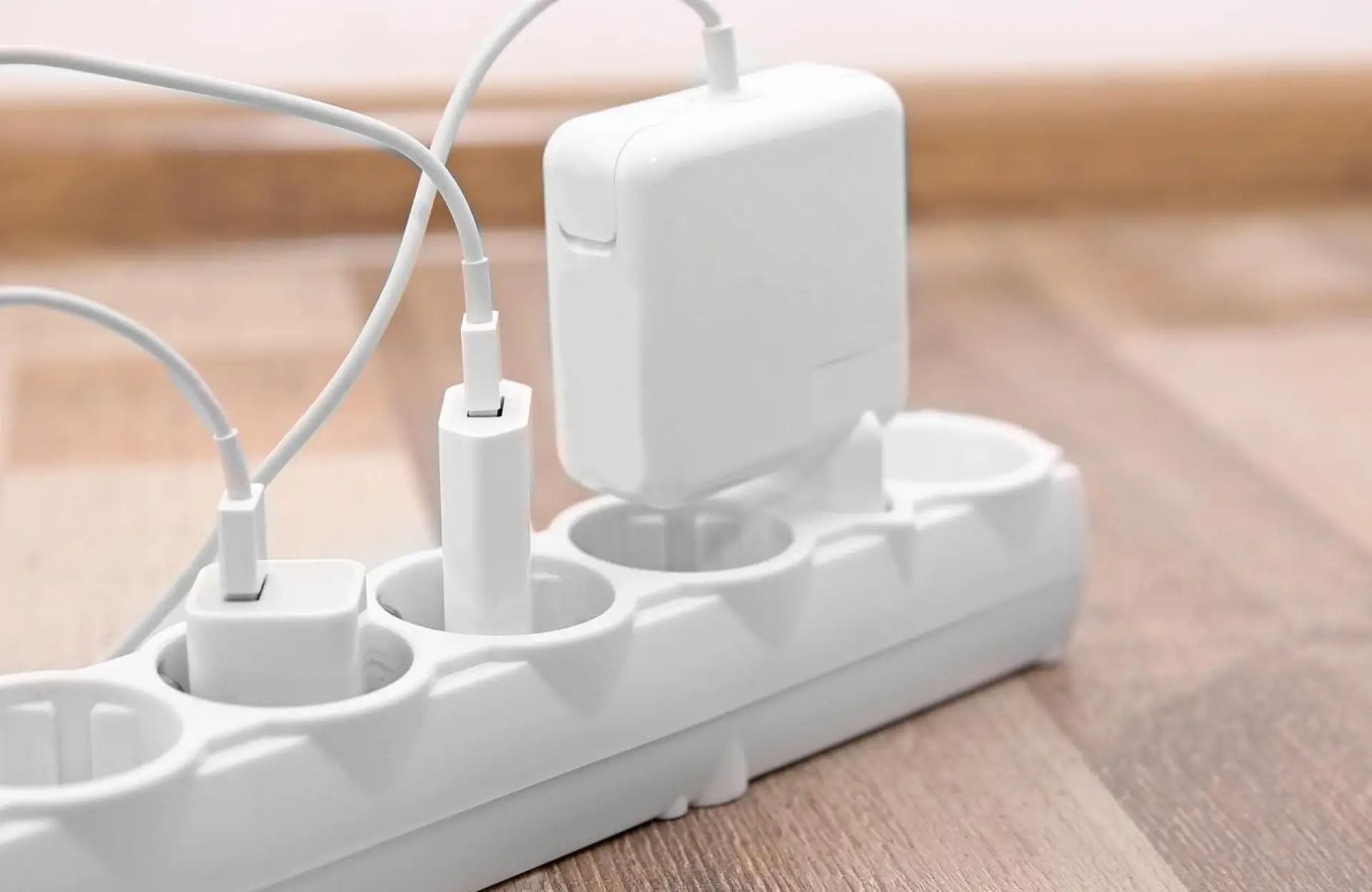
Surge-protected power bars protect individual devices plugged into them from voltage spikes reaching those specific outlets. They are a useful first layer of protection for computers and entertainment equipment but do not protect the rest of the home or building and offer no protection against internally generated surges.
Whole-Home and Whole-Building Surge Protection
A whole-home surge protection device is installed at the electrical panel and intercepts surge events before they reach any circuit in the property. This provides comprehensive protection for all connected equipment, including appliances, HVAC systems, lighting controls, and smart home devices.
Whole-building surge protection is particularly valuable for Toronto properties with high electronics density, EV chargers, smart systems, or commercial equipment. Phaze-In Electric installs whole-home surge protection devices as a standalone service or as part of a broader panel upgrade project.
Protecting Your Toronto Property from Power Surge Damage
Power surges are a persistent risk in Toronto homes and businesses, and the damage they cause ranges from immediate catastrophic failure to gradual, invisible degradation that shortens the lifespan of expensive equipment. Understanding the sources, mechanisms, and warning signs puts property owners in a position to address the risk before it becomes a cost.
Phaze-In Electric Ltd. is a licensed, ESA-certified electrical contractor serving North York, Toronto, Etobicoke, Vaughan, Markham, Richmond Hill, Mississauga, and Oakville. Led by Master Electrician Andrew Spano, the team provides electrical assessments, panel upgrades, grounding improvements, and whole-home surge protection installations across the GTA.
Contact Phaze-In Electric at 416-427-4567 to schedule a professional electrical inspection and assess your property’s surge protection needs.
Frequently Asked Questions
1. What causes power surges in Toronto homes and businesses?
Most power surges originate inside the building from large appliances cycling on and off, including HVAC systems, refrigerators, and pumps. External sources include lightning strikes near utility lines, utility grid switching, and voltage spikes when power is restored after an outage. Internal sources are more frequent and are responsible for the majority of cumulative surge damage in residential and commercial properties.
2. Can a power surge damage electronics without immediately breaking them?
Yes. Many surges cause incremental damage to internal components without causing immediate failure. A device may continue operating for months after repeated low-level surge exposure before the accumulated degradation leads to failure. This is why electronics that fail well before their expected lifespan may be experiencing the effects of an unprotected electrical system rather than a manufacturing defect.
3. What is the difference between a point-of-use surge protector and whole-home surge protection?
A point-of-use surge protector, such as a surge-protected power bar, protects devices plugged directly into it from external surges but offers no protection for the rest of the home and is ineffective against internally generated surges. A whole-home surge protection device is installed at the electrical panel and protects all circuits in the property from both external and internal surge events.
4. Does a panel upgrade help with power surge protection?
A panel upgrade improves surge protection indirectly by addressing outdated or damaged components, improving grounding and bonding, and creating the infrastructure for a whole-home surge protection device to be installed. Combining a panel upgrade with a whole-home surge protector installation provides the most comprehensive protection available.
5. How do I know if my North York or Toronto home needs a surge protection assessment?
Signs that warrant an assessment include flickering lights when appliances start, frequent unexplained breaker trips, electronics failing prematurely, buzzing sounds from outlets or the panel, or any discolouration or scorch marks on electrical components. A licensed electrician can assess the electrical system and confirm whether grounding, bonding, or surge protection upgrades are needed.
6. Is whole-home surge protection required by the Ontario Electrical Safety Code?
Whole-home surge protection is not universally mandated by the Ontario Electrical Safety Code in all applications, but it is strongly recommended and is increasingly specified in new construction. A licensed electrician familiar with the code can confirm the requirements for your specific property type and advise on the appropriate level of protection.
7. Can I install a surge protector myself in Toronto?
Point-of-use power bars with surge protection can be used without professional installation. Whole-home surge protection devices must be installed by a licensed electrical contractor and require an ESA permit in Ontario. Improper installation can render the device ineffective and create a code violation. Phaze-In Electric handles whole-home surge protection installations with full ESA permitting and inspection.
Schedule a Surge Protection Assessment for Your Toronto Property
Phaze-In Electric Ltd. is a licensed, ESA-certified electrical contractor serving North York, Toronto, and the GTA. Our residential team provides electrical assessments, panel upgrades, grounding improvements, and whole-home surge protection installations. Call 416-427-4567 to book your inspection.
Key Takeaways
- Most power surges in Toronto homes and businesses originate internally from large appliances cycling, not from lightning strikes.
- Modern electronics are more vulnerable to surge damage than older mechanical equipment due to their low-voltage semiconductor components.
- Cumulative low-level surge damage shortens the lifespan of electronics without causing obvious immediate failure, making it easy to overlook.
- Outdated electrical panels and inadequate grounding and bonding increase a property’s vulnerability to power surge damage.
- Whole-home surge protection installed at the electrical panel provides comprehensive protection for all circuits and connected equipment.
Warning signs including flickering lights, frequent breaker trips, and premature electronics failure all warrant a professional electrical assessment.