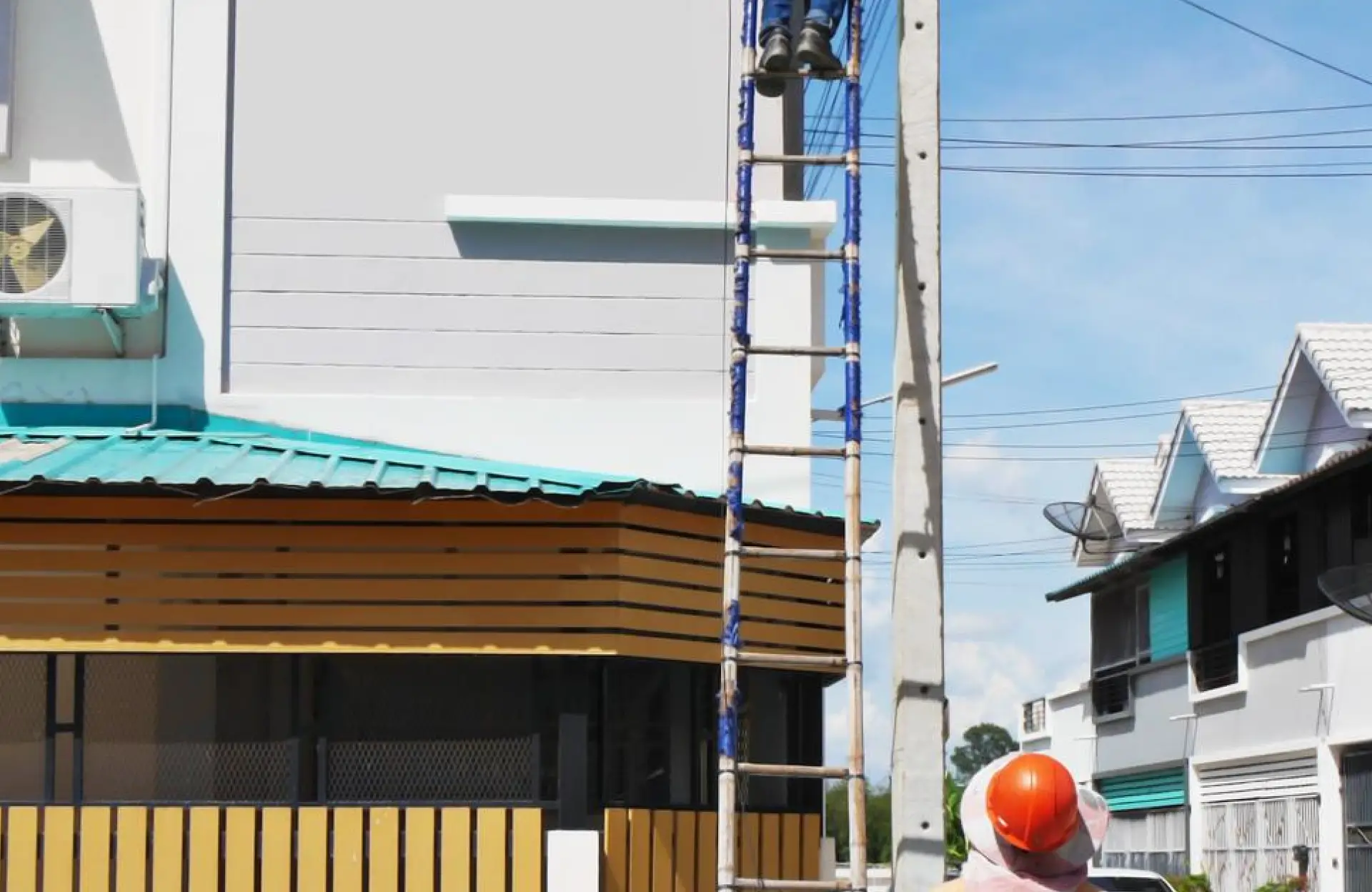


Office electrical planning is one of the most consequential decisions in any renovation or expansion project, and one of the most frequently left until it is too late to change cheaply. This page covers what Toronto and GTA business owners need to address before work begins: existing system capacity, power distribution for modern workspaces, lighting, IT coordination, life safety compliance, and scalability. Phaze-In Electric provides licensed, ESA-certified electrical planning and installation for office renovations across the GTA.
Office renovations move quickly. Decisions about layout, finishes, and technology infrastructure get made early, and by the time someone asks about the electrical system, framing is already in progress. That sequencing creates problems: inadequate capacity, non-compliant wiring buried behind new finishes, and costly change orders that could have been avoided entirely with proper office electrical planning at the start.
Whether you are reconfiguring an existing space, expanding into a new floor, or fitting out a new commercial tenancy, the electrical infrastructure needs to be assessed before a single wall moves. Phaze-In Electric works with business owners, tenants, and property managers across Toronto and the GTA to deliver office electrical planning that is integrated into the project from day one, not treated as an afterthought.
Why Office Electrical Planning Is a Critical First Step
The modern office runs on power. Workstations, server rooms, lighting controls, AV systems, conferencing equipment, and security infrastructure all depend on an electrical system that was designed for what the space actually needs. When office electrical planning is deferred or delegated to someone without commercial electrical expertise, the consequences are predictable:
- Inadequate power capacity for new equipment and workstations added post-renovation
- Non-compliant installations that fail ESA inspection and require rework after construction
- Repeated circuit overloads and outages that disrupt operations from day one
- Expensive electrical modifications ordered after construction is complete and walls are closed
Working with a licensed commercial electrician Toronto businesses trust at the start of the project scope eliminates all of these problems. The electrical system gets designed to what the space requires, not retrofitted to what the budget will allow after the fact.
Evaluate the Existing Electrical System Before Work Begins
Successful office electrical planning starts with a clear picture of what is already in the building. Most office buildings in Toronto and the GTA carry legacy infrastructure that was not designed for today’s operational loads. An honest evaluation before renovation avoids the scenario where the panel cannot support the new build-out.
Panel Capacity and Service Size
Older office buildings were sized for smaller electrical loads. A professional evaluation by a licensed electrical contractor GTA businesses rely on covers panel capacity and available breaker positions, signs of overheating or overloading in the existing distribution, and whether the main service entrance can support projected demand after the renovation. If the panel or service is near capacity, upgrading it must be built into the project plan, not discovered after construction starts.
Aging or Non-Compliant Wiring
Older office spaces often contain wiring methods or electrical components that no longer meet Ontario Electrical Safety Code standards. A renovation is the most cost-effective time to address these issues. Doing so avoids failed ESA inspections and the far greater cost of correcting non-compliant work after new finishes are installed and walls are closed.
Power Distribution for Modern Office Environments
Effective electrical design ensures the power distribution system matches how the space will actually be used, not how it was used five years ago.
Workstation and Open Office Power
Each employee position in a modern open office requires: power for a computer, monitor, phone, peripheral devices, and often a docking station and secondary screen. Planning for these open-office areas should address outlet spacing around desks and workstations, floor boxes or furniture-integrated power distribution for flexible layouts, and dedicated circuits for equipment with higher sustained draw such as copiers, plotters, and commercial-grade displays.
Meeting Rooms and Conference Spaces
Meeting rooms carry power demands that far exceed a typical workstation: displays, video conferencing systems, wireless presentation equipment, motorised blinds, and sound systems all draw from the same circuits. Planning for conference spaces should include dedicated circuits for AV systems, conduit capacity for future equipment additions, and power provisions for mobile device charging at table positions.
Lighting Design for a Productive Workspace
Lighting directly affects productivity, tenant satisfaction, and energy costs. Office electrical planning must address lighting at the system level, not as a finish selection made late in the project.
LED Commercial Lighting Standards
LED lighting is the current standard for commercial office environments. A properly planned LED scheme for an office renovation covers: troffer and panel lighting for general illumination, task lighting for individual work areas and benching systems, and accent lighting for architectural elements or branding details. Switching to LED as part of a renovation delivers immediate reductions in energy consumption and dramatically extends the maintenance interval compared to fluorescent systems.
Lighting Controls and Energy Management
Occupancy sensors, daylight harvesting controls, and programmable scheduling reduce energy waste and support sustainability commitments. These systems need to be wired into the electrical design during rough-in. They cannot be added meaningfully after the fact. A licensed electrician Toronto experienced with commercial lighting controls will coordinate the electrical rough-in with the control system design from the outset.
Coordinating Electrical and IT Infrastructure
Power and data are two separate disciplines but they must be planned together. Uncoordinated electrical and IT planning leads to interference problems, cable management failures, and inadequate power at the points where it is needed most.
Office electrical planning must address: server room and network equipment room power and cooling requirements, UPS and battery backup provisions for critical systems, physical separation between power and data cabling to prevent interference, and conduit pathways that allow future cabling changes without opening walls. Coordinating these systems with the IT infrastructure team during the design phase prevents expensive rework later. According to the Canadian Standards Association, separation of power and data cabling is a specific code requirement in commercial installations.
HVAC Electrical Requirements in Office Renovations
Office expansions and renovations often involve changes to HVAC systems that carry significant electrical implications. New or upgraded HVAC equipment introduces new electrical loads that must be accounted for in the panel and service capacity assessment.
Planning for HVAC integration covers: correctly sized circuits for all new HVAC equipment, controls and integration with building automation systems, and coordination with the mechanical contractor to confirm that all installations meet Ontario Electrical Safety Code requirements. Failing to account for HVAC electrical load in the initial design is a common cause of panel overloads in renovated office spaces.
Emergency Lighting and Life Safety Compliance
Office renovations in Ontario regularly trigger mandatory upgrades to emergency lighting and exit sign systems. The Ontario Building Code and Ontario Fire Code specify where emergency lighting must be installed, how long it must sustain illumination during a power failure, and what testing and documentation is required on an ongoing basis.
Office electrical planning for life safety systems must confirm: emergency lighting fixture placement meets egress illumination requirements, battery backup systems are correctly specified and installed on dedicated circuits, and all systems are registered for ESA inspection and documentation. LED emergency lighting is the current standard for commercial buildings because it reduces ongoing maintenance while delivering reliable compliance.
Managing Permits and ESA Inspections
All commercial electrical work in Ontario requires ESA permits and inspections. This is not optional and it is not something that can be deferred without creating serious risk.
A licensed electrical contractor manages the full permit application, schedules all required ESA inspections during the project, and delivers final documentation and sign-off as part of the project close-out. Attempting to bypass the permit process creates project delays, insurance exposure, and potential liability for the property owner or business operator, often discovered only during a future sale or inspection.
Planning for Scalability and Future Demand
The goal of good office electrical planning is not just to meet current needs. It is to build a system that supports the next phase of growth without requiring a complete overhaul.
Design the System for What Comes Next
Specific elements of a scalable office electrical design include: spare breaker capacity in the panel for future circuits, pull conduit installed during rough-in for future wiring without opening walls, flexible lighting and power distribution layouts that support workstation reconfigurations, and service capacity headroom that does not require a full service upgrade to accommodate the next expansion.
EV Charging and Renewable Energy Readiness
Businesses planning for the future should incorporate EV charging infrastructure provisions into current renovation work. Installing conduit, panel capacity, and rough-in during the renovation eliminates the need for costly retrofitting when EV charger installation becomes a business or tenant requirement. According to Natural Resources Canada, building EV infrastructure during construction or renovation is significantly more cost-effective than retrofitting later.
Why Toronto Businesses Choose Phaze-In Electric for Office Electrical Planning
Phaze-In Electric Ltd. is a licensed, ESA-certified electrical contractor serving business owners, tenants, and property managers across Toronto, North York, and the GTA. Every office electrical planning engagement is led by a Master Electrician with direct commercial renovation experience. Every project is properly permitted, ESA-inspected, and delivered with complete documentation.
- Master Electrician-led office electrical planning on every project
- Full ESA permit and inspection management included as standard
- Integrated coordination with general contractors, IT teams, and mechanical trades
- Transparent written estimates with no post-construction surprises
- Trusted by business owners and property managers across the GTA
Browse our completed projects to see the scope and quality of commercial electrical work we deliver, or visit our FAQ page for common questions about the office renovation electrical process.
Start Your Office Renovation With Proper Electrical Design
The cost of fixing electrical problems after construction is complete is two to five times the cost of planning them correctly before work begins. Office electrical planning is not a line item to compress. It is the foundation that every other system in the renovation depends on.
Phaze-In Electric Ltd. delivers complete office electrical planning and installation for office renovations and expansions across Toronto, North York, and the GTA. Contact the Phaze-In team to discuss your project before work begins. We also handle residential services for mixed-use properties with residential electrical requirements.
Frequently Asked Questions
1. When should I involve a commercial electrician in an office renovation project?
The earlier the better. Office electrical planning should begin at the same time as space planning, not after the design is complete. Involving a licensed commercial electrician during the programming phase allows electrical requirements to be integrated into the structural, mechanical, and IT design rather than forcing expensive compromises after the fact.
2. What does a pre-renovation electrical assessment cover?
A pre-renovation electrical assessment from Phaze-In covers panel capacity and available breaker positions, signs of overheating or overloading in the existing distribution, main service entrance sizing against projected renovation load, wiring condition and code compliance status, and life safety system adequacy. You receive a written findings report with prioritised recommendations and accurate cost estimates before any work begins.
3. Are ESA permits required for office electrical renovations in Ontario?
Yes. All commercial electrical work in Ontario requires ESA permits and inspections under the Ontario Electrical Safety Code. A licensed electrical contractor manages the full permit application, coordinates all ESA inspections during the project, and delivers final documentation at close-out. Unpermitted work creates project delays, insurance exposure, and liability for the property owner.
4. How do I plan electrical for a flexible open-plan office layout?
Flexible open-plan offices require power distribution that can adapt as workstation configurations change. This means installing floor boxes at regular intervals, running conduit rather than cable in areas where future modifications are likely, and sizing circuits and panels with headroom for density changes. A licensed commercial electrician can design a power distribution layout that supports the open-plan concept today and accommodates growth tomorrow.
5. What is the best way to prepare for EV charging during an office renovation?
The most cost-effective approach is to install conduit, panel capacity, and rough-in for EV charging infrastructure during the renovation, even if chargers are not being installed immediately. This eliminates the need to reopen walls and reroute infrastructure later. Phaze-In Electric designs EV-ready electrical infrastructure as part of the broader office electrical planning process for renovation projects across the GTA.
Talk to Phaze-In About Your Office Renovation Project
Phaze-In Electric Ltd. is a licensed, ESA-certified electrical contractor specialising in office electrical planning and installation for renovations and expansions across Toronto, North York, and the GTA. Our Master Electrician-led team coordinates with your general contractor, IT provider, and mechanical trades to deliver a complete, code-compliant electrical solution. Contact the Phaze-In team to get started before construction begins.
Key Takeaways
- Office electrical planning must begin at the start of the project, not after construction. Electrical problems discovered post-build cost two to five times more to correct than if planned upfront.
- A pre-renovation electrical assessment confirms whether existing panels, service capacity, and wiring can support the renovation before any work begins.
- Power distribution, lighting, IT coordination, HVAC electrical integration, and life safety systems all require specific planning within the electrical design.
- All commercial electrical renovations in Ontario require ESA permits and inspections, and a licensed electrical contractor manages this process end to end.
Building in EV-ready capacity, spare conduit, and panel headroom during the renovation eliminates costly retrofitting when the business grows or requirements change.