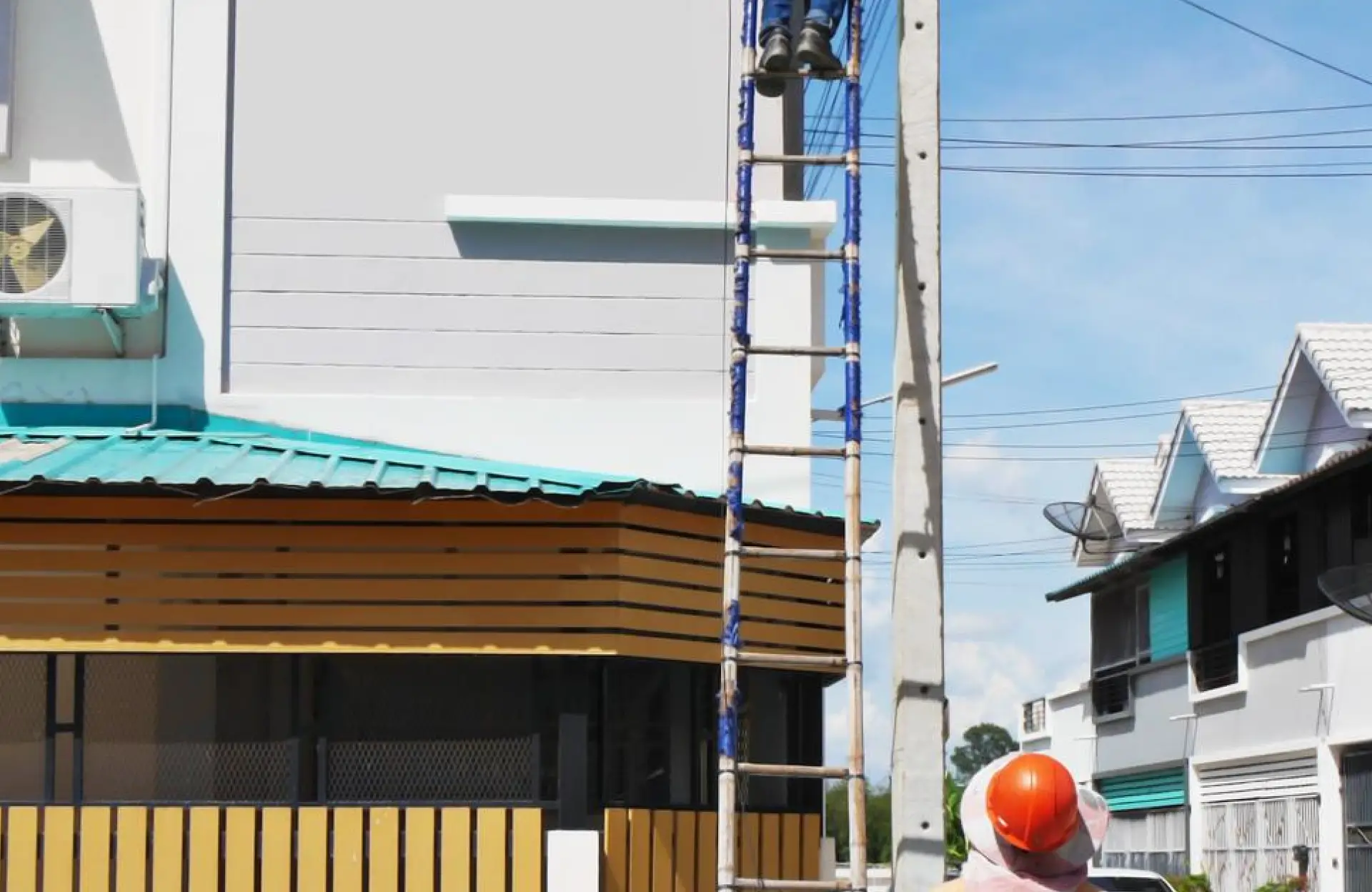

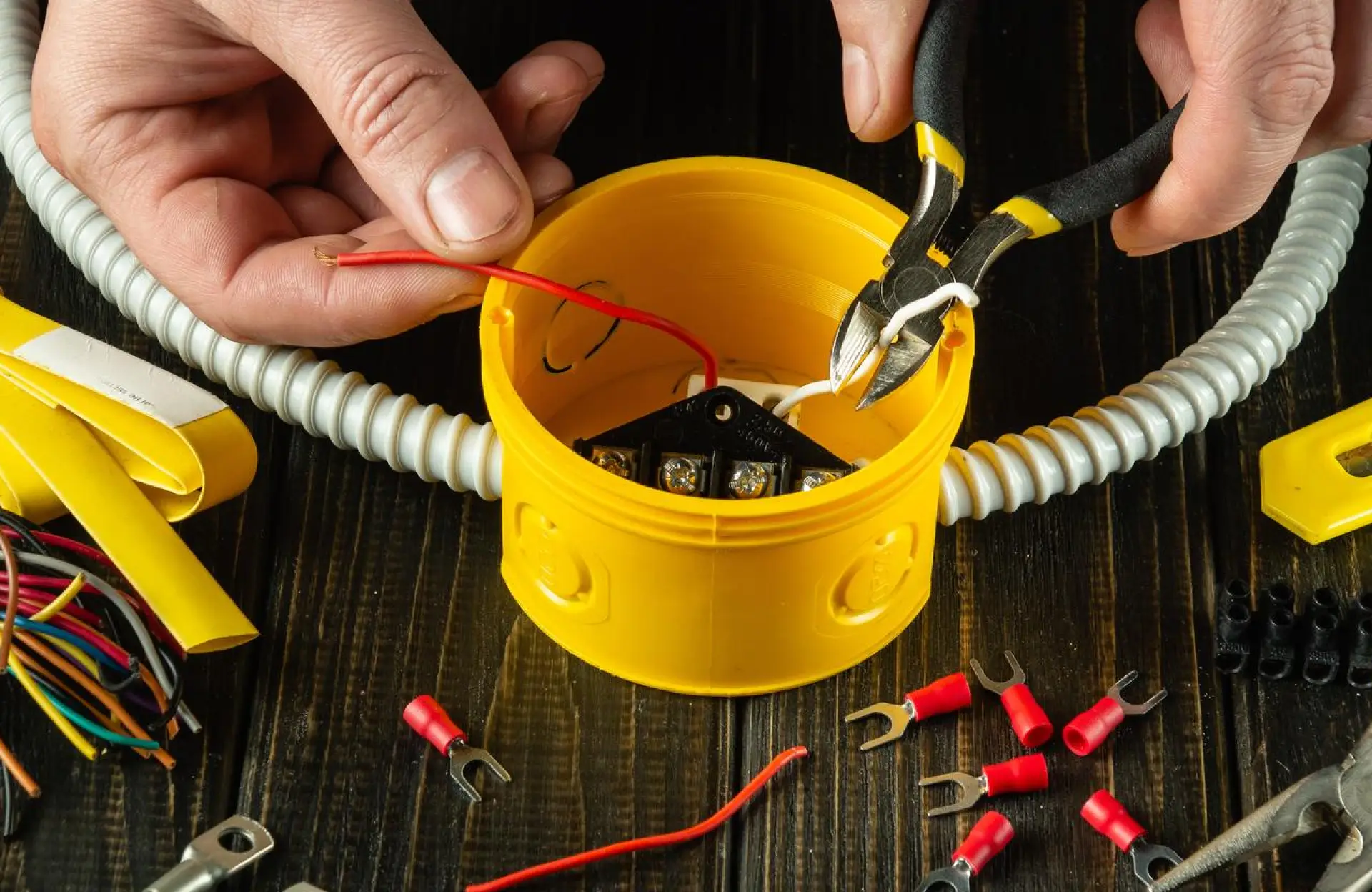
DIY electrical work in Ontario creates hidden costs that far outweigh any short-term labour savings. Code violations, failed ESA inspections, denied insurance claims, and reduced home value are among the most common and most expensive consequences. Phaze-In Electric completes all residential and commercial electrical work with valid ESA permits, documented inspections, and full Ontario Electrical Safety Code compliance from the start.
Why DIY Electrical Work Looks Affordable and Rarely Is
Toronto and GTA homeowners often attempt DIY electrical work to save on labour costs. Replacing a fixture or adding an outlet appears straightforward on the surface. What becomes clear only after the fact is how quickly small electrical errors turn into safety hazards, failed inspections, and expensive corrections. Working with a licensed electrician from the start is almost always less costly than correcting DIY mistakes later.
Phaze-In Electric serves Toronto, North York, Vaughan, Markham, Richmond Hill, Mississauga, and Oakville with licensed residential and commercial electrical services.
DIY Electrical Work Creates Serious Safety Hazards
Electrical systems in Ontario are strictly regulated for a reason. Tasks that look simple on the surface involve load calculations, grounding requirements, and installation standards the Ontario Electrical Safety Code defines in detail. The Electrical Safety Authority sets and enforces these standards across all residential and commercial work in the province.
Common safety risks created by DIY electrical work:
- Improper wire connections and terminations that degrade over time
- Missing grounding or bonding that leaves equipment and occupants unprotected
- Circuit overloads from undersized wiring that generates heat and fire risk
- Incorrect materials or devices installed that do not meet code specifications
The Electrical Safety Authority of Ontario provides authoritative guidance on electrical safety standards and licensing requirements for all Ontario residents.
Code Violations Are Expensive to Correct
Most DIY electrical work does not meet Ontario Electrical Safety Code standards even when it appears to function correctly. Common violations include missing GFCI and AFCI protection, incorrect wire sizes for the circuit load, junction boxes placed in inaccessible locations, and unsafe splices. Correcting unpermitted DIY electrical work during a future renovation is far more expensive than hiring a licensed electrician originally.
Failed ESA Inspections Lead to Significant Delays and Rework
A failed ESA inspection triggered by DIY electrical work creates delays and rework that quickly exceed any labour savings realized from doing the work without a professional. ESA permits and inspections are mandatory for most electrical work in Ontario. DIY electrical work is a common inspection flag, especially when no permit was pulled.
Common consequences of a failed ESA inspection:
- Finished walls or ceilings opened to access concealed wiring
- Completed work partially or fully redone to meet code requirements
- Project timelines delayed by weeks or longer
- Inspection fees paid multiple times for the same scope of work
DIY Electrical Work and Insurance Claim Denials
Insurance companies do not look favourably on DIY electrical work or unpermitted work when a claim is filed. Fires, smoke damage, and electrical damage are frequently traced back to amateur repairs. Insurance carriers review the permit history of any electrical work when processing claims, and the absence of permits creates grounds for denial.
Common insurance complications from DIY electrical work:
- Denied or reduced claims when the cause is linked to unpermitted wiring
- Requests for proof of licensed electrical work that cannot be provided
- Increased premiums applied following discovery of unlicensed repairs
The Insurance Bureau of Canada provides consumer guidance on how unpermitted electrical work affects home insurance claims and coverage eligibility.
How DIY Electrical Work Affects Home Value
Unlicensed and unpermitted DIY electrical work is a top concern for home inspectors and real estate lawyers across the GTA. Overloaded circuits, improperly installed fixtures, and wiring completed without permits are standard inspection flags that reduce offers and introduce sale conditions. Every Phaze-In Electric project includes ESA permit documentation and inspection records that protect the homeowner at resale.
Long-Term Safety Hazards That Develop Over Time
DIY electrical work safety hazards are not always immediately apparent. Loose wire connections, overloaded circuits, and improper terminations slowly degrade electrical components and create increasing fire risk over months and years. An experienced licensed electrician from Phaze-In Electric identifies and corrects these risks before they become emergencies.
The Real Cost of Having a Licensed Electrician Correct DIY Work
Eventually, DIY electrical work needs to be corrected by a licensed electrician. Fixing amateur electrical work is more complex and costly than building it correctly the first time. Licensed electricians must identify hidden wiring defects throughout the affected area, remove and replace non-compliant installations, rebuild circuits to current Ontario Electrical Safety Code standards, and coordinate retroactive ESA permit and inspection requirements where possible.
Why Permits and Inspection Records Matter for Every Project
Electrical permits and inspection records provide documented proof of compliance that protects homeowners across multiple future scenarios. DIY electrical work almost never has proper permits or inspection documentation. The absence of this paperwork creates complications when selling or refinancing a home, filing an insurance claim, or planning future renovations that require access to the existing system.
Panel and Load Work That Always Requires a Licensed Professional
Panel upgrades, service modifications, and load calculations must only be handled by a licensed electrical contractor that GTA property owners can verify through the ESA. Common DIY panel mistakes include overloading existing panel capacity, incorrect breaker sizing, and improper grounding during upgrade attempts. These errors create serious safety hazards and fail every subsequent inspection.
Learn more about Phaze-In Electric’s qualifications on the about us page.
The Right Choice: Licensed Electrical Work from the Start
DIY electrical work costs GTA homeowners more in the long run because the consequences compound over time. Safety risks grow. Code violations accumulate. Insurance exposure increases. Resale complications develop. Working with Phaze-In Electric from the start eliminates every one of these risks and delivers electrical work that is permitted, inspected, documented, and compliant.
Phaze-In Electric Ltd. is a licensed electrician Toronto and GTA homeowners trust for panel upgrades, EV charger installations, landscape lighting, basement wiring, and complete code-compliant residential and commercial electrical services.
Frequently Asked Questions
-
Is DIY electrical work legal in Ontario?
Most DIY electrical work involving new wiring, outlets, circuits, or panel modifications is not permitted in Ontario without a licensed contractor completing the work and an ESA inspection confirming compliance. The Electrical Safety Authority and the Ontario Electrical Safety Code govern these requirements.
-
What ESA inspection does Ontario require for electrical work?
An ESA inspection is mandatory for most electrical projects including new circuits, panel upgrades, basement renovations, and wiring modifications. The Electrical Safety Authority performs inspections after work is complete to verify all installation meets the Ontario Electrical Safety Code.
-
Can DIY electrical work affect my home insurance in Ontario?
Yes. Unpermitted DIY electrical work can result in denied insurance claims, increased premiums, and coverage exclusions when a loss occurs. Insurance carriers review the permit history of electrical systems when processing any electrical-related claim. This is one of the most significant and most common hidden costs of DIY electrical work.
-
How do I find a reliable licensed electrician in the GTA?
Look for a licensed electrician verified through the Electrical Safety Authority with a valid ESA license number, appropriate insurance, and documented residential and commercial experience. Contact Phaze-In Electric to schedule a licensed assessment for your Toronto or GTA property.
-
Why does DIY electrical work cost more in the long run?
DIY electrical work almost always requires correction by a licensed professional eventually. Rework costs, retroactive inspection fees, denied insurance claims, and reduced home value all accumulate. Phaze-In Electric completes every project correctly the first time with proper permits, inspections, and documentation.
Choose Licensed Electrical Work from Phaze-In Electric
DIY electrical work costs GTA homeowners more in the long run through safety risks, failed ESA inspections, insurance complications, and expensive corrections. Electrical work requires specialized knowledge and strict adherence to the Ontario Electrical Safety Code that protects people, property, and long-term investment value.
Phaze-In Electric Ltd. is a licensed electrician Toronto and GTA homeowners trust. Contact Phaze-In Electric for safe, licensed, code-compliant electrical work completed right the first time. Explore residential services or commercial services to learn more about what we deliver.
Key Takeaways
- DIY electrical work creates hidden costs including rework, failed ESA inspections, denied insurance claims, and reduced home value that far outweigh short-term labour savings.
- Unpermitted DIY electrical work must be disclosed during home sales and typically requires costly correction by a licensed electrician.
- The Ontario Electrical Safety Code sets strict standards that DIY work almost never meets, creating ongoing safety and compliance risk.
- A licensed electrician from Phaze-In Electric ensures all work is permitted, inspected, and documented correctly from the very first day on site.
- Proactive investment in licensed electrical work is consistently less expensive than correcting DIY mistakes after the fact.