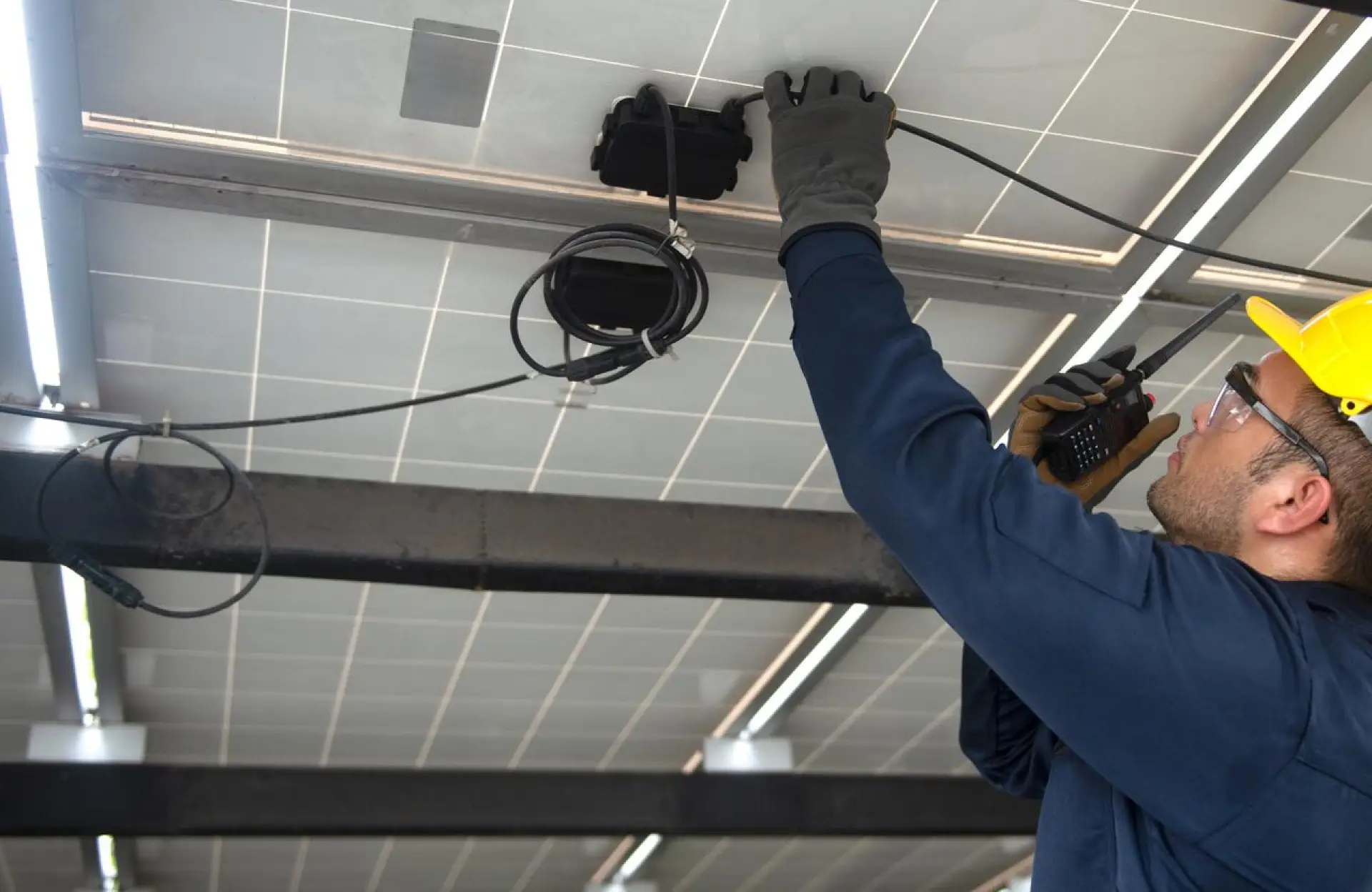

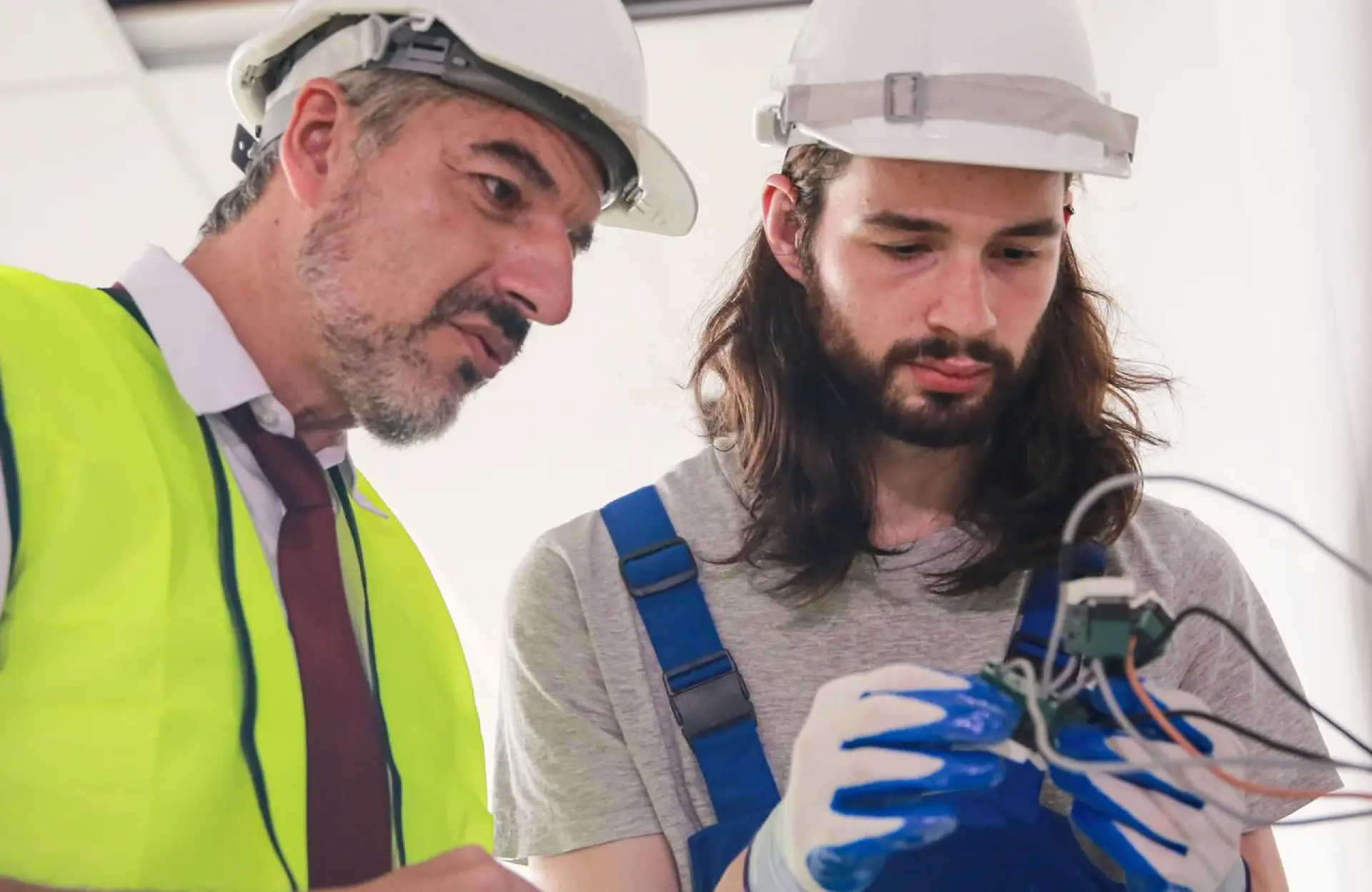
Hiring a licensed electrician in Toronto ensures safe, code-compliant electrical work from the first call to the final inspection. Licensed electrician expectations in Toronto include clear communication, thorough assessments, transparent quotes, ESA compliance, and careful workmanship that protects your home, business, and long-term reliability.
What Are Licensed Electrician Expectations in Toronto?
Licensed electrician expectations in Toronto start with a clear first conversation and an on-site assessment, followed by honest recommendations, a written quote and scope, ESA notification and inspection where required, clean code-compliant installation, testing with a walkthrough, and a tidy finish. You should know what is happening, why, and what it will cost at every step.
Few people call an electrician as part of their weekly routine. Instead, most homeowners reach out when something stops working, when a breaker trips repeatedly, or when a renovation project reveals the need for electrical work behind the walls. Commercial property owners and property managers contact an electrician when they need reliable power, tenant improvements, or code-compliant upgrades installed on time and on budget.
In every situation, though, one concern usually comes up early in the conversation: How do I know I’m hiring the right person, and what will the process look like?
The answers are important because electrical work is different from many other home or building services. It can impact the safety of people and property. It can affect insurance, inspections, and long-term reliability.
When you choose a licensed electrician for electrical work in Toronto or the GTA, you are not just paying for wiring and labour. You are investing in a professional process that is designed to protect your property and meet Ontario code while delivering results you can count on, from the first phone call to the final inspection and cleanup.
Every project we take on is led by a licensed master electrician in Ontario. For you, that means one accountable electrical contractor in the GTA handles ESA notification where required, builds the work to pass inspection, and explains each step before it happens.
8 Steps at a Glance
| Step | Focus |
| 1. First conversation | Project details, urgency, initial questions |
| 2. On-site assessment | Panel, wiring, load, safety review |
| 3. Recommendations | Options, priorities, budget fit |
| 4. Quote and scope | Materials, pricing factors, timeline |
| 5. ESA and permits | Notification, inspection planning |
| 6. Workmanship | Clean, organized, code-approved installation |
| 7. Testing and walkthrough | Verification, equipment guidance |
| 8. Cleanup | Debris removal, panel security, tidy finish |
What “Licensed Electrician” Means in Ontario
Electrical work in Ontario must be completed by qualified professionals who understand safety standards and code requirements. A “licensed electrician” is trained to perform electrical work properly and legally and will usually work under an electrical contracting business registered to operate in Ontario.
For homeowners and businesses, the value of working with a licensed electrical contractor in the GTA includes safer installations, code-compliant work, proper documentation, ESA notification and inspection processes when required, and long-term system reliability.
A licensed electrician is also more likely to take the time to plan your project well, communicate clearly and transparently, and respect your property by doing quality work, not just quick fixes.
If you’re not sure whether your project requires a licensed electrician, it’s always worth checking in advance before work begins, especially for panels, EV chargers, or renovations.
Step 1: A Clear First Conversation and Basic Project Questions
A professional electrician will usually start by gathering key details so that they can guide you accurately.
What they may ask you right away: What problem are you seeing, and when did it start? Is it residential or commercial? What type of building is it? Is power currently off to any part of the property? Have you noticed burning smells, heat, buzzing, or flickering lights? Are you planning a renovation or equipment upgrade? Do you have photos of the panel, meter base, or affected area?
These questions are not just routine. They can help the electrician determine whether the situation is urgent, if code issues may be involved, and what tools or parts may be required.
What you should expect from their communication: clear explanations in plain language, direct answers about safety risks, honest expectations about next steps, and respect for your time and schedule. A licensed electrician should make you feel informed and understood, not rushed.
Step 2: On-Site Assessment and Safety-First Inspection
For most electrical work, an on-site visit is the best way to confirm what is truly happening. Many electrical issues cannot be diagnosed accurately without testing.
A thorough assessment may include visual inspection of the electrical panel and breakers, checking for corrosion, overheating, or damage, reviewing circuit loading and panel capacity, identifying outdated or unsafe components, testing outlets, switches, and lighting circuits, confirming grounding and bonding where accessible, and evaluating dedicated circuits for appliances or equipment.
In commercial settings, an assessment may also include reviewing electrical distribution and subpanels, identifying critical loads and operational priorities, checking emergency lighting and safety systems, and reviewing equipment power requirements.
This step is where a licensed professional stands out. The goal is not to guess. It is to confirm what is happening and recommend the right solution.
Step 3: Transparent Recommendations and Options
After the assessment, you should expect the electrician to explain what the issue is, what caused it when possible, what repairs or upgrades are recommended, whether the work is urgent or preventative, and what options make sense for your budget and goals.
A professional electrician will usually give choices when appropriate, such as a safe repair now plus a planned upgrade later, a partial upgrade versus a full system improvement, a panel replacement versus a service upgrade, or standard lighting versus energy-efficient LED options.
Good recommendations balance safety, code compliance, long-term reliability, and realistic cost planning. If you’re planning upgrades like EV charging or a panel replacement, a master electrician in Ontario can help you choose the right scope so you don’t pay twice.
Step 4: A Clear Quote and Scope of Work
One of the biggest frustrations for homeowners and property managers is unclear pricing. With licensed electrical work, you should expect transparency.
A well-prepared quote usually explains what work is included, what materials are being supplied, what code requirements the work is designed to meet, any assumptions or exclusions, and expected timing and scheduling needs.
Common factors that affect pricing include age and condition of existing wiring, panel size and available breaker space, access to wiring routes, required permits or ESA inspection steps, load requirements for appliances or commercial equipment, and complexity of service upgrades or utility coordination.
A licensed electrician should be able to explain why a job costs what it does without avoiding the conversation. That kind of pricing transparency is one of the most important licensed electrician expectations in Toronto.
Step 5: ESA Notification, Permits, and Inspection Planning
A key benefit of working with a licensed electrician is knowing the compliance side is handled properly. Many electrical projects in Ontario require notification to the Electrical Safety Authority (ESA) and may require inspection.
Work that commonly triggers ESA involvement includes panel upgrades and replacements, electrical service upgrades, new circuits for major appliances, EV charger installations, renovation rewiring, and commercial electrical improvements.
A qualified electrical contractor in the GTA will help ensure the project is completed in a way that can pass inspection and be properly documented. This is especially important for property managers and business owners who need proof of compliance and predictable timelines.
Step 6: Respectful, Organized Workmanship On Site
Once the job begins, the work itself should feel controlled and professional. The work area is protected where possible, the electrician explains planned shutdowns ahead of time, tools and materials are staged neatly, wiring is installed cleanly and secured properly, equipment is mounted level and labelled, safe lockout and shutdown practices are followed, and updates are provided if anything changes.
For homeowners, that may mean clean routing of cables and neat device installation, proper GFCI protection in kitchens, bathrooms, laundry areas, and outdoors, and lighting installed correctly with the right dimming compatibility.
For commercial clients, that may mean scheduling power interruptions around operations, clear coordination with maintenance teams, and minimal disruption to tenants or staff.
Licensed electricians take pride in the details that most people never notice, like panel labeling and breaker organization, secure terminations and correct wire sizing, clean, code-compliant connections, and consistent installation methods.
Step 7: Testing, Verification, and Walkthrough
Electrical work should never end with “it looks fine.” You should expect testing and confirmation.
Typical verification steps include testing circuits and confirming proper voltage, checking breaker function and load response, confirming GFCI and AFCI operation where installed, verifying lighting performance and control behaviour, confirming equipment start-up safely, and reviewing panel labeling and explaining any changes.
A good electrician will also walk you through what was done, how to use new equipment, what warning signs to watch for, and maintenance tips that improve long-term reliability. If your panel has limited space or frequent trips, it may be time to schedule a panel safety assessment before the issue becomes disruptive.
Step 8: Cleanup and Professional Finish
Even for small jobs, cleanup matters. A licensed electrician should leave your property in good condition.
You can reasonably expect packaging and debris removed, work area vacuumed or tidied, panels closed and secured, devices installed flush and clean, and equipment labeled and neat.
For commercial spaces, you should also expect minimal mess in customer-facing areas, safe barriers or signage if needed during work, and completion that supports smooth reopening or continued operation.
Common Projects Where Licensed Electricians Add the Most Value
Electrical panel upgrades improve safety, capacity, and reliability, especially in older Toronto homes. They often involve code updates and inspection planning.
Electrical service upgrades matter if you’re adding EV charging, finishing a basement, adding HVAC equipment, or expanding a commercial space; your service size may need to increase.
EV charger installations represent a major electrical load. Correct circuit sizing, panel assessment, and code compliance are essential.
Commercial electrical improvements such as tenant fit-ups, lighting upgrades, dedicated circuits, and power distribution planning all benefit from an experienced commercial electrical contractor.
Red Flags You Should Never Ignore
Choosing a licensed electrician is about trust, but there are still warning signs to watch for: avoiding questions about permits or ESA involvement, pushing for fast work without proper assessment, offering vague pricing without explaining scope, suggesting unsafe shortcuts to “save money,” not explaining shutdown timing, and leaving messy wiring or poor labeling.
Electrical work should never feel rushed or improvised. Any of these red flags is a sign a contractor will not meet basic licensed electrician expectations in Toronto.
Licensed Electrician Expectations in Toronto: Clear and Predictable
Working with a licensed electrician should give you peace of mind, not stress. From your first conversation to the final walkthrough, you should expect professionalism, transparency, safety-first decision-making, and code-compliant workmanship.
When electrical work is done properly, it supports a safer home or building, reliable power for daily life or business operations, fewer surprises during future upgrades, and confidence during inspections, renovations, or property sales.
Book Your Licensed Electrician in Toronto Today
Ensure your electrical projects are safe, reliable, and code-compliant. Our ESA-licensed team provides transparent assessments, thorough planning, and professional installation for homes and businesses in Toronto and the GTA, with expert guidance from a master electrician in Ontario tailored to your project.
Phaze-In Electric Ltd. is an ESA-licensed electrical contractor serving North York, Toronto, and the Greater Toronto Area. Led by Master Electrician Andrew Spano, we provide residential and commercial electrical services, including panel upgrades, EV charger installations, lighting design, and code-compliant commercial electrical work. Our focus is on safety, transparency, and high-quality craftsmanship for homeowners, businesses, and property managers.
Contact us today to speak with a Master Electrician and book a licensed assessment for an inspection, upgrade, or code-compliant electrical solution.
Frequently Asked Questions
What Does a “Licensed Electrician” Mean in Ontario?
A licensed electrician in Ontario is trained, certified, and registered to perform electrical work safely, legally, and according to the Ontario Electrical Safety Code.
What Happens in the First Conversation With an Electrician?
Expect clear questions about your property, electrical issues, and project goals, along with honest guidance about urgency, safety, and next steps.
How Are ESA Permits and Inspections Handled?
Licensed electricians manage ESA notification, permit acquisition, and inspection coordination to ensure all work meets Ontario code requirements.
What Happens During an On-Site Assessment?
The electrician inspects panels, breakers, circuits, and wiring, checks for safety risks, evaluates load capacity, and confirms compliance for residential or commercial projects.
Why Are Testing, Verification, and Cleanup Important?
Testing ensures circuits, breakers, and safety devices function properly, while cleanup and organized workmanship protect your property and provide a professional finish.
Key Takeaways
- Licensed electricians ensure safety, code compliance, and ESA-approved work.
- Clear communication from the first call reduces risks and sets expectations.
- Thorough assessments prevent surprises and uncover hidden electrical issues.
- Transparent quotes and project planning protect your budget and timeline.
- Professional testing, verification, and cleanup guarantee long-term reliability and peace of mind.