
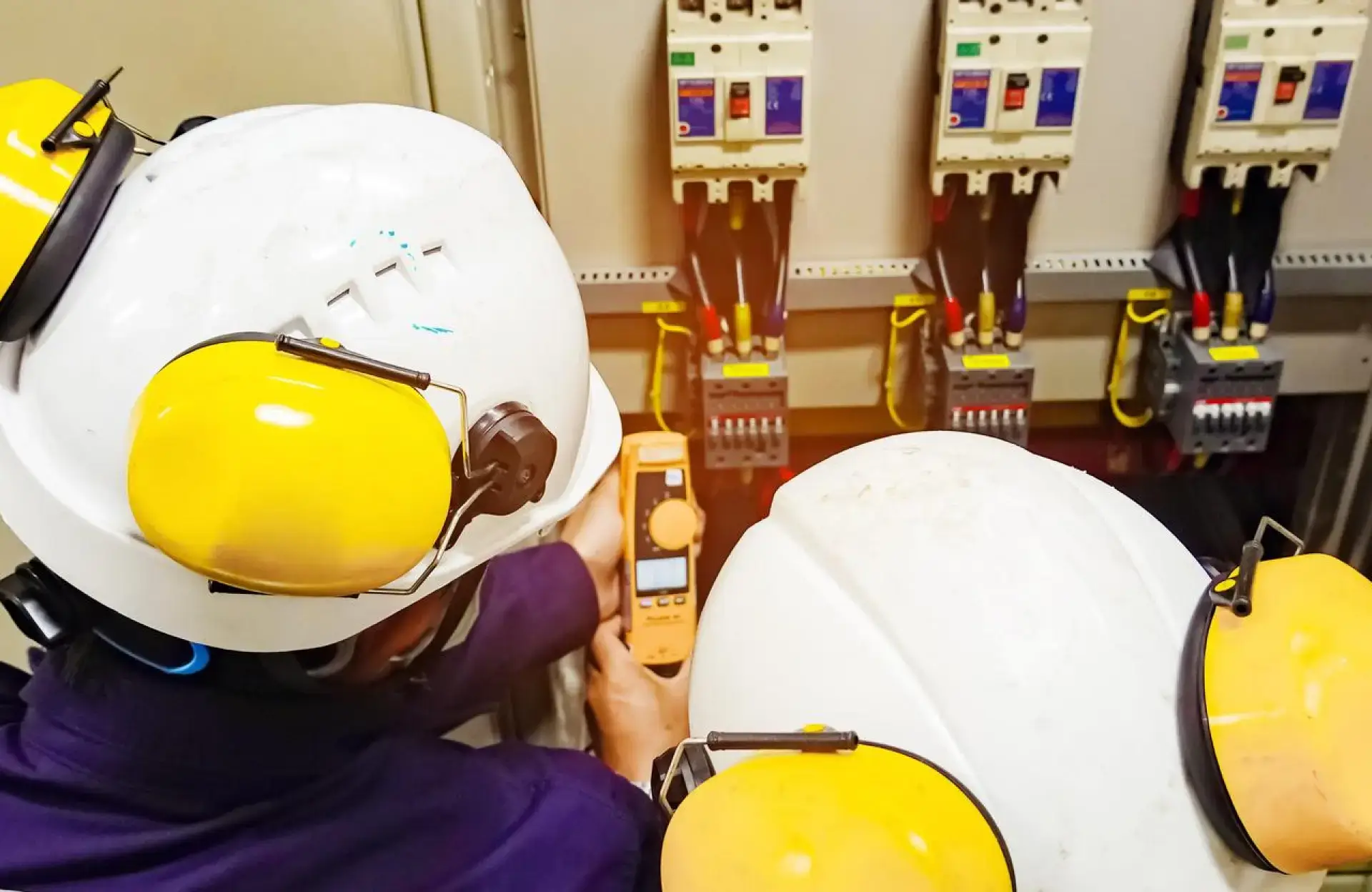
These electrical maintenance tips for commercial properties cover the responsibilities every Toronto and GTA building owner must actively manage: routine inspections, panel upkeep, emergency lighting compliance, exterior system checks, load monitoring, and Ontario Electrical Safety Code adherence. Proactive maintenance prevents emergency repairs, protects tenants and occupants, and preserves long-term asset value. Phaze-In Electric provides the licensed expertise to keep commercial properties compliant and operational year-round.
Why Electrical Maintenance Tips for Commercial Buildings Save Money
Commercial electrical systems carry heavier loads, cycle more frequently, and face more regulatory scrutiny than residential systems. Without regular attention, small problems compound into costly failures. The pattern is predictable: a deferred inspection becomes a failed ESA audit, which becomes a compliance order, which becomes emergency repair at two to three times the cost of scheduled work.
Following proven electrical maintenance tips for commercial buildings gives property owners:
- Reduced risk of electrical fire, arc faults, and shock incidents
- Fewer unexpected tenant disruptions and unplanned shutdowns
- Documented compliance with the Ontario Electrical Safety Code
- Extended working life for panels, breakers, wiring, and life safety systems
- Stronger insurance eligibility and a clean record for ESA inspections
Understand Your Legal Responsibilities as a Property Owner
Property owners carry full responsibility for all shared and common electrical systems in a commercial building. This is a legal and financial obligation that covers:
- Main service equipment, distribution panels, and load centres
- Electrical rooms, service entrances, and feeder systems
- Emergency lighting and exit sign systems throughout the building
- Exterior lighting, parking areas, walkways, and signage
- Power supplies to fire alarm, suppression, and life safety equipment
Neglecting these responsibilities leads to code violations, fines, and liability exposure. The Electrical Safety Authority of Ontario provides clear guidance on what property owners are responsible for and what ESA inspectors look for during commercial audits.
Schedule Inspections With a Licensed Commercial Electrician
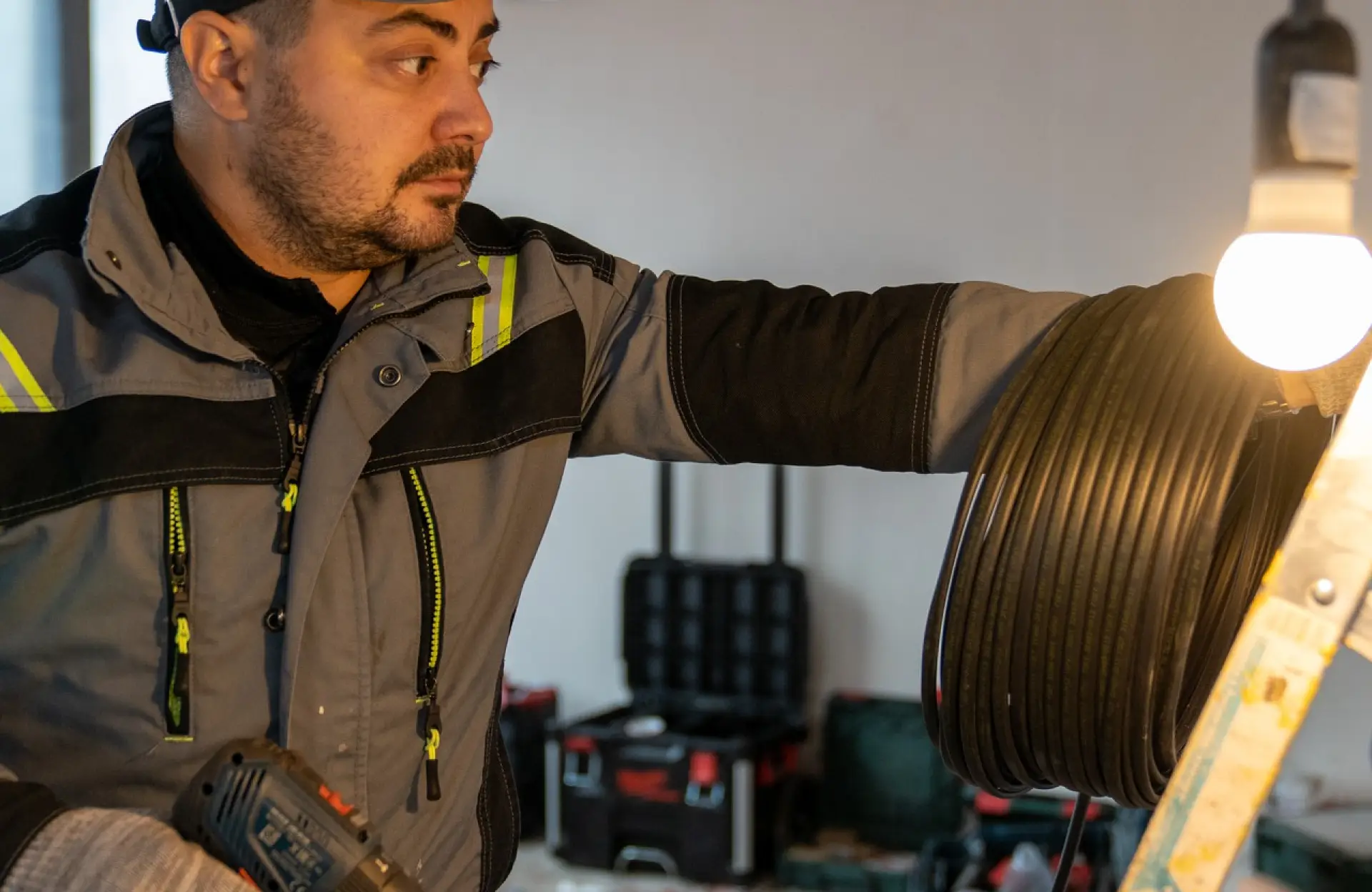
No electrical maintenance program works without scheduled professional inspections. One of the most important electrical maintenance tips for commercial property owners is this: inspections must be performed by a licensed commercial electrician Toronto building owners can trust to assess not just visible conditions but underlying system performance.
A thorough commercial inspection covers:
- Panel condition, breaker function, and all termination points
- Wiring integrity, insulation condition, and connection security
- Grounding and bonding adequacy throughout the building
- Signs of overheating, corrosion, or arcing at all connection points
- Equipment labelling accuracy and required clearance compliance
Annual inspections are the minimum for most commercial properties. High-occupancy buildings, properties with significant electrical load growth, and aging infrastructure should be inspected semi-annually. Do not wait for a visible problem to prompt a review.
Maintain Panels and Distribution Equipment Proactively
Keep Electrical Rooms Clear and Properly Labelled
The most common violation cited during commercial electrical inspections is improper storage in electrical rooms. Panels must have clear, unobstructed access at all times. Minimum clearances are a code requirement. Every panel should have accurate, current circuit labels. Covers and enclosures must be undamaged and in place. This is one of the most basic electrical maintenance tips for commercial property owners, and one of the most frequently ignored.
Recognise and Report Warning Signs Early
Train your property management team to recognise and immediately report: frequent breaker trips, buzzing or humming from panels, warm panel covers or breaker switches, and flickering or dimming lights. These are not minor annoyances. They signal overloaded circuits, loose connections, or failing components. When any of these appear, contact a licensed electrician before the next scheduled inspection rather than waiting.
Test and Maintain Emergency Lighting Every Month
One of the most important electrical maintenance tips for commercial buildings is also one of the most frequently neglected: emergency lighting and exit sign maintenance is a legal obligation, not an optional best practice. Ontario’s Fire Code requires monthly visual inspections and annual 30-minute functional tests. Documented records must be kept and available to inspectors. The Ontario Fire Marshal outlines these requirements in full, including the documentation standards fire inspectors check.
Mandatory maintenance tasks include: battery backup testing, illumination level verification, fixture and connector checks, and signed documentation of every test result. Phaze-In Electric manages emergency lighting compliance for commercial properties across the GTA so property owners have documented proof of compliance before every inspection.
Inspect Exterior Electrical Systems Before Every Season
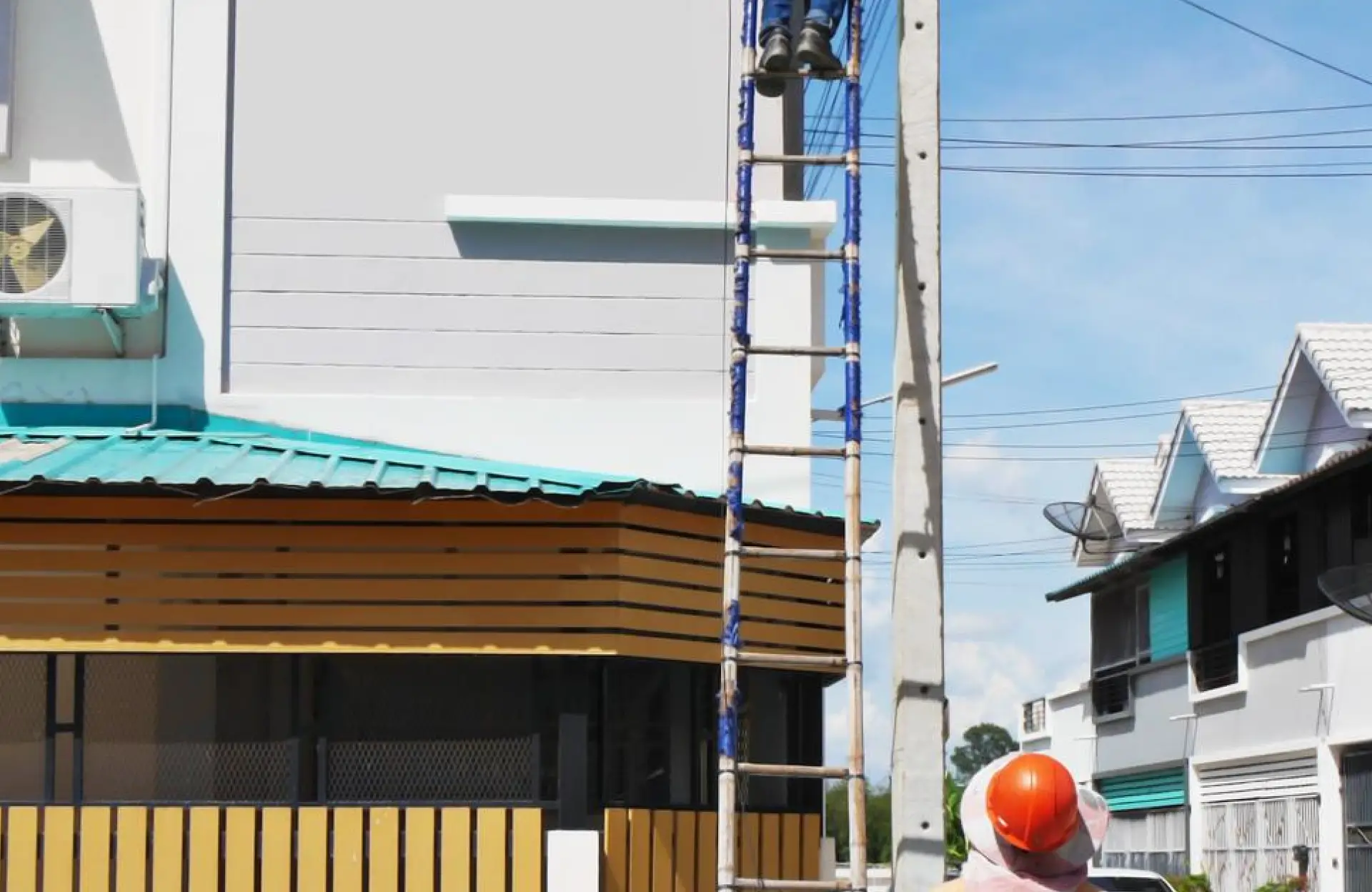
Exterior electrical systems face conditions that interior systems never encounter: moisture infiltration, freeze-thaw cycles, physical impact, and UV degradation. Parking lot lighting, walkway fixtures, building signage, and facade electrical systems all require regular attention.
Check for these conditions during exterior inspections:
- Water or moisture infiltration in fixtures and junction boxes
- Corroded connections, loose wiring, and damaged conduit runs
- Uneven or insufficient lighting coverage creating safety risks
- Physical damage to weatherproof covers and enclosures
Toronto winters are hard on outdoor electrical systems. A pre-winter inspection identifies vulnerabilities before they become mid-winter failures. Phaze-In schedules seasonal exterior inspections for commercial clients throughout the GTA.
Monitor and Manage Electrical Load Growth
Commercial buildings are not static. Tenant equipment changes, EV charger installations, HVAC upgrades, and floor plan reconfigurations all add demand over time. Load calculations performed by a licensed electrical contractor GTA property managers work to confirm whether your current infrastructure can safely absorb the growth that is already happening.
Strategic panel upgrades and service upgrades aligned with your building’s growth plan are far less disruptive when planned in advance. Reactive upgrades forced by system failure cost more, disrupt tenants, and require emergency scheduling. According to Natural Resources Canada, aligning electrical capacity improvements with energy efficiency programs reduces long-term operating costs further.
Keep Electrical Rooms Clean, Dry, and Sealed
Dust, moisture, and pest infiltration are among the most preventable causes of premature electrical equipment failure. Electrical rooms and panel locations must remain clean, dry, properly ventilated, and sealed against pest entry. These areas should be part of every regular building maintenance walkthrough, not treated as secondary storage. The Canadian Standards Association provides environmental control standards for electrical equipment rooms that directly affect equipment longevity.
Stay Current With Ontario Electrical Safety Code Requirements
Electrical codes are updated regularly, and systems that were compliant at the time of installation may no longer meet current Ontario Electrical Safety Code standards following renovations, tenant alterations, or equipment upgrades. A licensed commercial electrician can identify when code-related updates are necessary and manage the ESA permit and inspection process for compliant work. Property owners should also stay informed about Ontario requirements related to code compliance, permits, and electrical safety obligations.
A Proactive Maintenance Plan Protects Your Property and Your Tenants
The electrical maintenance tips for commercial buildings in this guide are not theoretical. They are the baseline standards that protect your occupants, preserve your asset, and keep you compliant with Ontario law. Every deferred inspection, every ignored warning sign, and every unpermitted modification adds measurable risk to your portfolio.
Phaze-In Electric Ltd. is a licensed, ESA-certified electrical contractor serving North York, Toronto, and the GTA. Our Master Electrician-led team provides commercial electrical inspections, panel upgrades, emergency lighting compliance, and all ESA-permitted maintenance work. Contact the Phaze-In team to build a maintenance program matched to your building’s specific needs.
Frequently Asked Questions
1. How often should commercial buildings in Toronto have electrical inspections?
Annual inspections are the standard minimum for most commercial properties. Buildings with high occupancy, aging infrastructure, or significant load growth should be inspected semi-annually. The electrical maintenance tips for commercial buildings in this guide treat inspections as a scheduled business cost, not an optional task.
2. What are the most commonly cited violations during commercial electrical inspections?
The most frequent violations include blocked or inaccessible panels, inaccurate circuit labelling, missing required clearances, failed or untested emergency lighting systems, and unpermitted electrical modifications. All are preventable with a consistent maintenance program managed by a licensed commercial electrician.
3. Are property owners legally responsible for emergency lighting maintenance in Ontario?
Yes. The Ontario Fire Code requires monthly visual inspections and annual 30-minute functional tests with documented records retained for at least one year. The Ontario Fire Marshal enforces these requirements, and fire inspectors check documentation during both scheduled and complaint-driven inspections.
4. What should a commercial electrical maintenance program include?
A complete program covers routine panel and wiring inspections, monthly emergency lighting checks, annual life safety functional tests, seasonal exterior system reviews, load monitoring and capacity assessment, and a documented schedule for proactive upgrades. Every component should be performed by a licensed commercial electrician with Ontario ESA certification.
5. How does deferred electrical maintenance affect commercial property insurance?
Deferred maintenance creates documented risk that can affect claim outcomes, policy terms, and premiums. If an incident occurs and an insurer determines the underlying cause was a known or discoverable issue, coverage may be compromised. Maintaining inspection records and working with a licensed electrical contractor provides the documentation that supports your coverage position.
Build a Maintenance Plan With Phaze-In Electric
Phaze-In Electric Ltd. is a licensed, ESA-certified electrical contractor working with commercial property owners and managers across Toronto, North York, and the GTA. From annual inspections to emergency lighting compliance and panel upgrades, our Master Electrician-led team manages every scope of maintenance work safely, transparently, and to code. View our commercial projects or contact the Phaze-In team to schedule your first inspection and get a customised maintenance plan for your building.
Key Takeaways
- The most actionable electrical maintenance tips for commercial buildings start with scheduled professional inspections: annual minimum, semi-annual for high-demand or aging properties.
- Ontario law requires monthly emergency lighting inspections and annual 30-minute functional tests with documented records retained for at least one year.
- Proactive maintenance prevents the compounding failure pattern where deferred inspection becomes compliance order becomes emergency repair at two to three times the scheduled cost.
- Load growth from tenant equipment, EV chargers, and renovations must be monitored and managed with planned panel and service upgrades before capacity becomes a crisis.
- All commercial electrical maintenance, inspections, and upgrades must be performed by a Licensed Electrical Contractor with ESA certification operating in Ontario.