
Essential Electrical Safety Checklist for Toronto Homeowners
This electrical safety checklist will help Toronto homeowners identify common warning signs, safety expectations in the Ontario Electrical Safety Code, and when it’s time to contact a licensed electrician. Whether your home is an older bungalow in North York or a newer GTA townhouse, being proactive about electrical safety protects your family, property, and investment.
Toronto homes are as varied as the people who live in them. From century-old houses and heritage buildings to single-family renovations and modern builds, the city’s electrical safety risks can develop gradually over time or a matter of months, depending on the property and usage patterns.
For most people, electrical safety is only on their mind when something goes wrong. A tripping breaker, flickering lights, or a home renovation project can quickly raise questions about whether your home’s electrical system is safe, up to code, or if you should call a licensed electrician in Toronto.
Toronto Homes: Why Electrical Safety Checks are Important
TToronto homes and electrical systems present specific challenges. Older Toronto neighbourhoods may have outdated wiring, panels, and other components that have not been replaced in decades. Newer homes place a much greater electrical demand on home systems due to technology, appliances, home offices, and now EV chargers.
Electrical safety checks help homeowners:
- Reduce electrical fire and shock risks
- Identify ageing or overloaded electrical systems early
- Maintain compliance with current safety standards
- Avoid emergency electrical repair costs
- Facilitate smooth home sales and insurance inspections
Even if everything appears to be working normally, outdated wiring and panels can often hide issues behind walls and inside electrical panels.
Check the Age and Condition of Your Electrical Panel
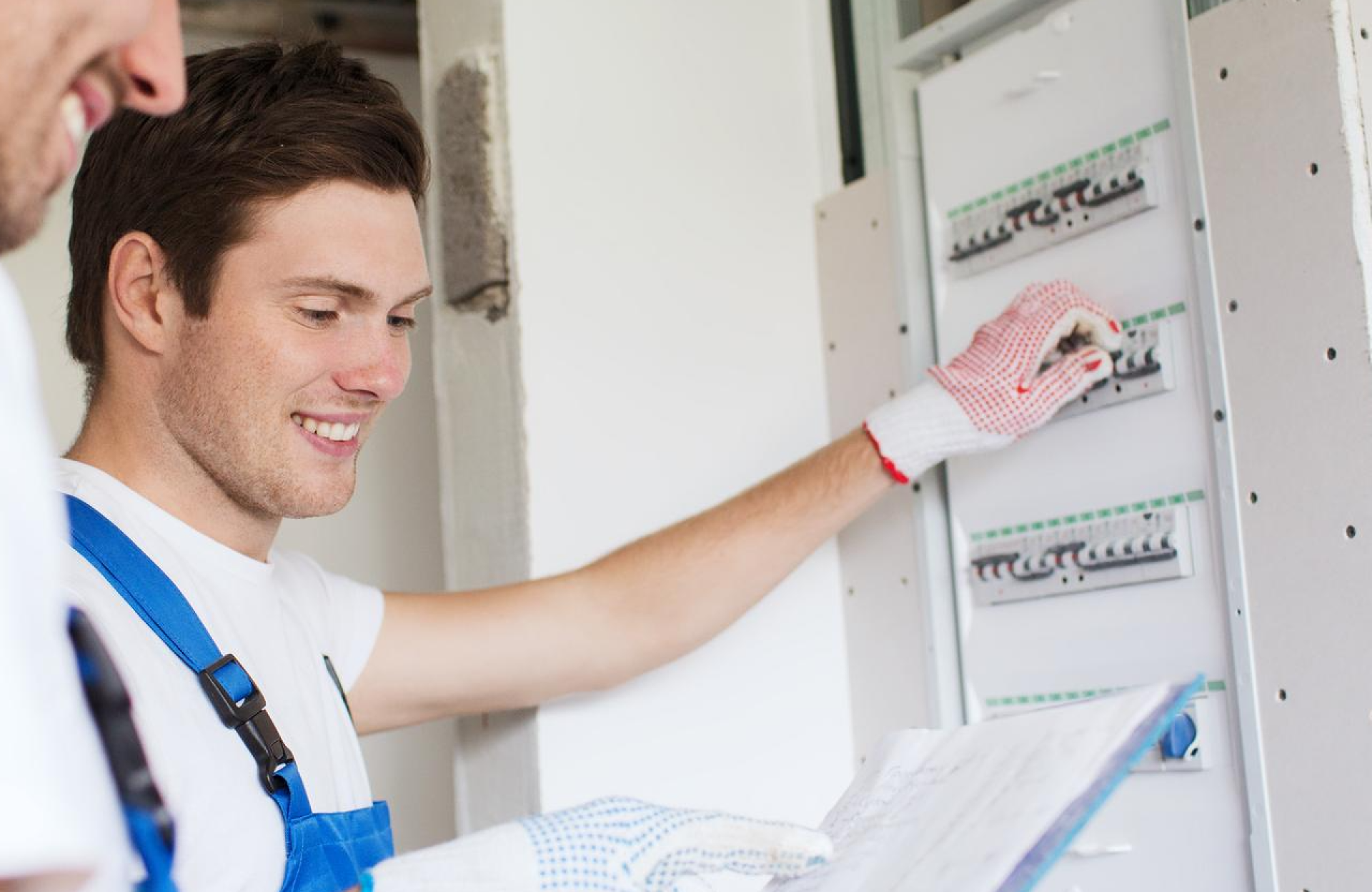
Your electrical panel, or service panel, is the heart of your home’s electrical system. Many homes in the GTA still use panels that were never intended to support current electrical demands.
Homeowners should review their panels for:
- Age and general condition
- Signs of rust, corrosion, overheating
- Loose, damaged, or frequently tripping breakers
- Proper circuit labeling
- Working clearance in front of the panel
If your home still has a 60 amp service or an older electrical panel that frequently struggles to keep up with your electrical load, a licensed electrician in Toronto can help determine if an electrical panel upgrade is necessary.
Watch for Warning Signs of Electrical Problems
Electrical systems often provide warning signs before major failures. Learning to recognize and respond to these early indicators can help prevent larger safety issues in your Toronto home.
Warning signs of potential electrical safety issues:
- Flickering or dimming lights
- Breakers that trip or blown fuses
- Warm outlets or switches
- Buzzing or crackling sounds
- Burning or unusual odours
If any of these warning signs are present, professional inspection is recommended instead of DIY fixes.
Confirm Proper Ground Fault Circuit Interrupter Protection
Ground fault circuit interrupters, or GFCI, help prevent shock in areas of the home exposed to moisture. Many older Toronto homes and electrical systems lack adequate GFCI protection.
GFCI outlets are required and should be present in all the following areas:
- Bathrooms
- Kitchen areas near sinks
- Garages
- Outdoor receptacles
- Laundry areas
GFCI outlets should be tested regularly using the test and reset buttons. Non-functioning GFCI outlets should be replaced or inspected.
Check for Arc Fault Circuit Interrupter Protection
GArc fault circuit interrupters, or AFCI, can reduce the risk of electrical fires from arcing faults. Code changes have increased where AFCI protection is required in residential properties.
Homeowners should consider:
- Do living areas and bedrooms have AFCI protection?
- Any new circuits or upgrades that may require AFCI breakers
- Older circuits that were added without AFCI protection
A licensed electrician can review the lay out and history of your home to determine compliance.
Inspect Outlets and Switches Throughout the Home
Outlets and switches experience daily wear and tear and can become safety hazards if loose, damaged, or replaced with improper faceplates.
A basic outlets and switches inspection includes:
- Checking to make sure outlets are firmly mounted
- Replacing cracked or broken outlet faceplates
- Look for discolouration or scorch marks
- Verify tamper-resistant outlets are present in living areas
- Loose or sparking outlets should be replaced or repaired.
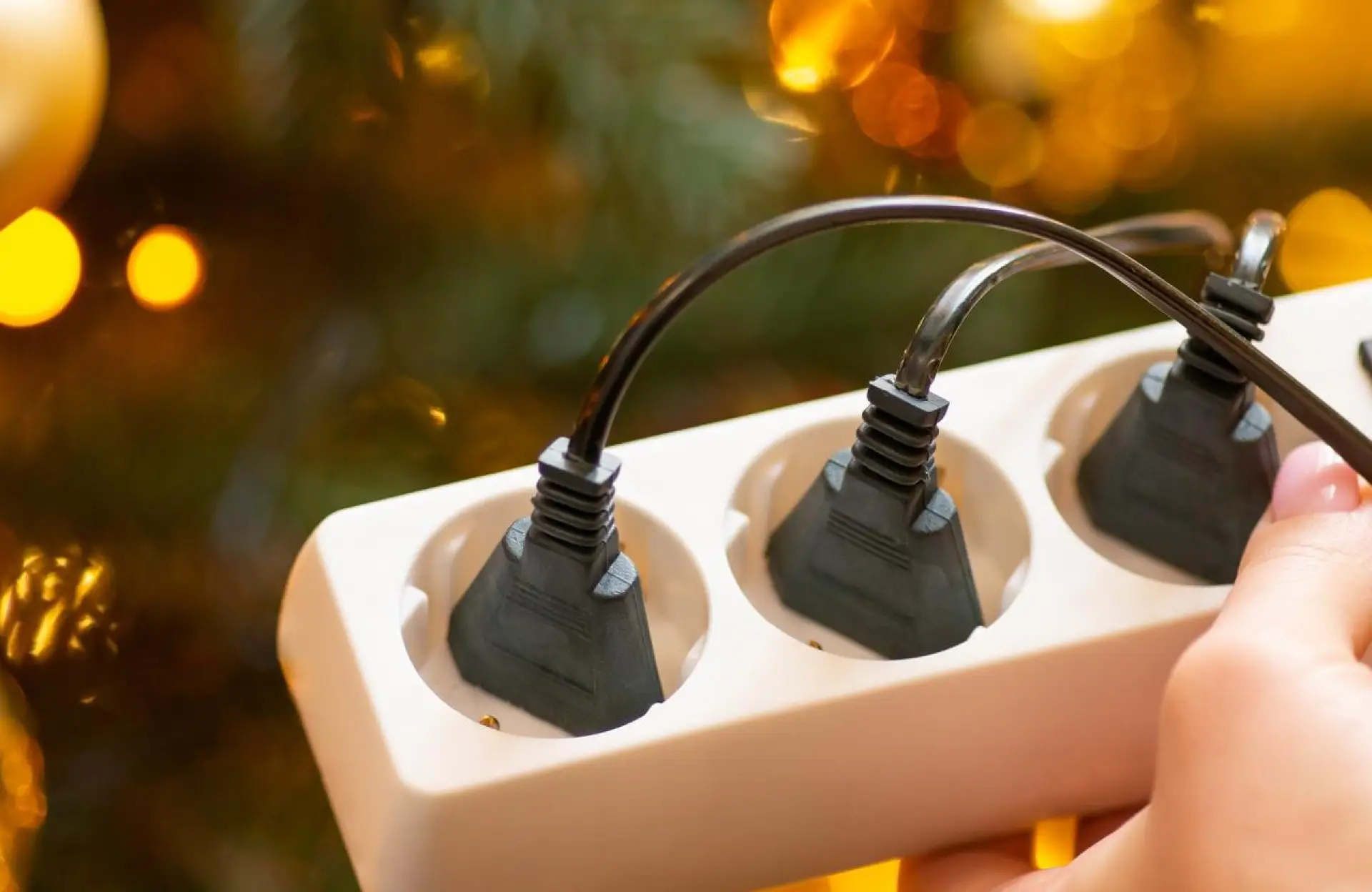
Review Extension Cord and Power Bar Use
Overloaded circuits are a common cause of electrical failures, and insurance claim inspectors will want to verify if tExtension cords and power bars are meant for temporary use only. If you use them long-term or on a daily basis, you likely don’t have enough outlet capacity in your home.
Extension cords and power bars should not be used:
- As permanent wiring solutions
- To plug multiple power bars into a single outlet
- Running under rugs or furniture
- To power high-draw appliances on overloaded circuits
If extension cords are a long-term solution in your home, having more outlets or circuits added may be safer.
Assess Lighting Fixtures and Installations
Lighting upgrades are one of the most common home improvements, but incorrect installations can create electrical safety issues.
Lighting should be checked for:
- Insulation contact rated fixtures where required
- Secure mounting of heavy fixtures
- Check that proper fixtures were used in damp or outdoor locations
- Verify correct bulb wattage
- Lighting is frequently flagged by the ESA during inspections.
Confirm Grounding and Bonding is Intact
Grounding and bonding are safety mechanisms that protect people and equipment during a fault condition. While these systems may not be visible in a home, they are an important part of electrical safety.
Potential concerns include:
- Missing bonding connections to water or gas lines
- Loose or corroded grounding conductors
- Home grounding methods that are outdated in older homes
- Professional testing is often required to verify compliance.
Be Mindful of Unpermitted Electrical Work
Unpermitted electrical work is one of the most common electrical issues discovered during home renovations or real estate transactions. Even if the work functions properly, without review or inspection it may not meet current safety standards.
Projects that typically require permits include:
- Basement renovations and secondary suites
- Kitchen and bathroom remodels
- Electrical panel upgrades
- EV charger installations
A review of the permit history is often not clear if a licensed electrician can help to assess potential risk.
Consider Electrical Safety When Adding New Loads
The modern home places greater demand on electrical systems. Upgrading and adding equipment without assessment or an upgrade plan can overload individual circuits or the entire panel.
Examples of new electrical loads:
- Electric vehicle chargers
- Heat pumps or air conditioning units
- Home offices or workshops
- Basement apartments
Discussing capacity before any new installations can help prevent future issues and headaches.
When to Schedule a Professional Electrical Safety Assessment
Homeowners can perform basic safety checks, but a professional electrical safety assessment by a licensed electrician provides an opportunity to learn about potential risks that are hidden from view.
Homeowners should consider a professional electrical safety assessment if:
- Your home is more than 25 years old
- Planning any home renovations or additions
- Breakers trip frequently
- Buying or selling a property
- Want confidence in code compliance
- Professional electricians can identify issues not easily visible during a walkthrough.
Why Professional Electrical Safety Checks Are Essential for Toronto Homeowners
Electrical safety is an important aspect of being a responsible Toronto homeowner. Electrical checks help to identify potential risks and problems early, keep occupants safe, and protect long-term property value. Homeowner awareness and vigilance are important, but professional assessment is the only way to ensure your electrical system is safe, code compliant, and future-ready.
Phaze-In Electric Ltd. is a licensed, ESA-certified electrical contractor serving North York, Toronto, and the Greater Toronto Area. Our team of residential and commercial electricians are led by a Master Electrician and offer a wide range of services to Toronto homeowners and businesses. We provide panel upgrades, EV charger installations, lighting design, code-compliant commercial electrical work, and more. Our focus is on safety, transparency, and high-quality craftsmanship for homeowners, business, and property managers.
If you would like a professional electrical safety assessment or expert guidance from a licensed electrician in Toronto, contact Phaze-In Electric Ltd. to schedule a consultation and ensure your home is safe, compliant, and future-ready.