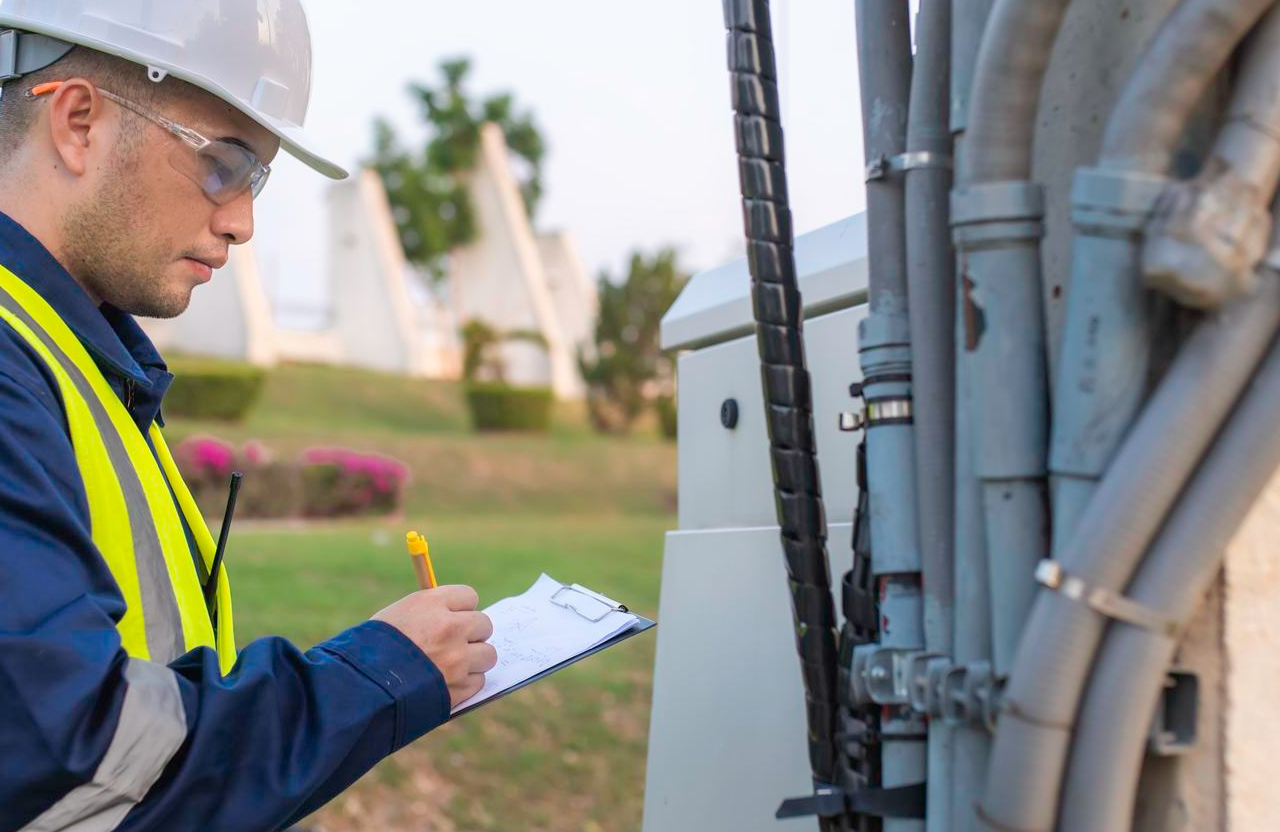


How Electrical Inspections Impact Insurance Claims in Toronto
Electrical damage can be one of the most common and expensive losses property owners deal with when filing an insurance claim. After a fire, power surge, flood, or equipment failure, it can feel like receiving coverage is automatic. The reality is that many insurance companies base their approval or denial on what inspectors find when they review the electrical system after the loss.
Electrical insurance claims in Toronto and throughout the GTA are rigorously investigated to ensure safety, code compliance, and evidence of professionally performed work. Knowing what they look for can be the difference between a seamless insurance claim process and frustrating denials and delays. In this article, we break down the electrical inspections and items insurance claim inspectors look for that impact insurance coverage. We also cover the red flags insurers typically focus on during an electrical claim, and how working with a Toronto licensed electrician can help prevent coverage issues.
The Importance of Electrical Inspections During Insurance Claims
The GTA has a large and diverse range of housing stock, including century-old homes, renovated older homes, aInsurance companies and adjusters use inspections to help them confirm if electrical damage was accidental and unavoidable or if it resulted from negligence. Inspectors assess not just what failed, but whether the electrical system and installation were up to code before the event took place.
Electrical inspections are used to help insurance companies verify the following information:
- Was the system code compliant?
- Was the electrical work done legally?
- Was maintenance reasonable and documented?
- Did negligence or unauthorized work cause or contribute to the loss?
Claims that include an electrical fire or major system damage are more likely to be investigated.
Role of the Ontario Electrical Safety Code (OESC)
The Ontario Electrical Safety Code is the legal standard that sets the minimum requirements for safe electrical installations and ongoing maintenance. Insurance claim inspectors will often refer to the OESC when reviewing electrical insurance claims.
Inspectors may verify the following:
- Were installations up to code at the time of installation or modifications?
- Did changes to the electrical system comply with current safety standards?
- Were required safety devices installed and in working order?
- Were electrical loads calculated and managed correctly?
Non-compliance with the Ontario Electrical Safety Code does not automatically void coverage, but it can make the claim process longer or more complicated.
Verification of Licensed Electrical Work
GFCI protection is required in locations where water or moisture present an increased risk of electric shock. Many Inspectors will want to verify that electrical work on the system was completed by a licensed electrical contractor. Insurance companies expect that electrical systems were installed and maintained by qualified professionals.
Inspectors may ask to see:
- Electrical permit and ESA inspection records
- Invoices from licensed electrical contractors
- Documentation for any past upgrades or repairs
Claims with unlicensed or undocumented work are a common reason for increased investigation.
Unpermitted Electrical Work Insurance Red Flag
APerforming electrical work without permits or ESA inspection is a serious insurance claim red flag. While the work may appear to be in working order, it never went through an inspection process to verify safety.
Items commonly flagged during insurance investigations include:
- Renovations or additions that were completed without permits
- Electrical panel upgrades or other work done without ESA inspection
- Basement and tenant suite wiring
- EV charger installations or other equipment without permits or documentation
If unpermitted work contributed to the claim, the insurance company may lower or remove coverage.
Electrical Panel Condition
GElectrical panels are a common focal point for insurance claim electrical inspections. Improperly updated, overloaded, or modified panels are an immediate concern.
Inspectors may also check for the following:
- The age of the panel and overall condition
- Signs of overheating or corrosion
- Appropriate breaker types and clear labelling
- Tampering or unsafe modifications
- Service capacity adequacy for the home
Older or undersized panels are common in Toronto and GTA homes and are frequently noted.
Grounding and Bonding Inspection Issues
Wiring must be installed with approved methods and materials to ensure they are durable and fire resistant. IGrounding and bonding are critical to electrical system safety and are closely examined after an electrical incident.
Inspectors may review:
- Grounding electrode systems
- Bonding of water and gas piping
- Continuity of grounding conductors
- Missing or improper grounding/bonding connections
Grounding deficiencies can increase the severity of damage and are frequently noted in inspection reports.
Overloaded Circuits Evidence
Overloaded circuits are a common cause of electrical failures, and insurance claim inspectors will want to verify if the electrical demand on the system was too high.
Inspectors may be on the lookout for:
- Breaker trips that were a frequent occurrence before the claim incident
- Burned wiring or damaged insulation
- Use of extension cords as permanent wiring
- Too many high demand appliances on the same circuit
Adding new equipment or loads without properly assessing capacity increases risk of denied or disputed claims.
Condition of Wiring and Wiring Methods
Inspectors will want to carefully examine wiring methods used, especially in older homes or renovated areas. Faulty or incorrect wiring is a common cause of electrical losses.
Inspections may include looking for:
- Damaged or deteriorated wire insulation
- Use of improper wire types for environment or location
- Exposed or unsecured wiring
- Improper or non-code splices and junction boxes
- Basements, attics, and renovation spaces are frequent problem areas.
Safety Devices and Protective Equipment
Safety devices and protective equipment help reduce the risk of damage or injury with modern electrical systems. Inspectors will want to verify that these safeguards were present and in working order at the time of the event.
Devices that are of interest include:
- GFCI protection in required areas
- AFCI protection for living spaces
- Surge protection devices
- Disconnects and controls for equipment
- Missing or non-functional safety equipment may impact claims.
Electrical Systems and Water Damage
Flooding and water damage in or around electrical equipment often complicates electrical insurance claims. Inspectors will look at the impact of water exposure on electrical components.
Considerations include:
- Panels or equipment that were damaged by water
- Wiring, connectors, and devices showing corrosion
- Improper restoration of equipment following previous water damage
- Reuse of water damaged or exposed equipment and components
Electrical systems affected by water are likely to require a professional evaluation before being returned to service.
Documentation and Maintenance History
Electrical systems with detailed documentation perform better during insurance inspections. Inspectors will consider if property owners took reasonable steps to maintain electrical safety.
Documentation that helps may include:
- Electrical inspection records
- Proof of upgrades or corrections
- Maintenance logs for commercial properties
- Records of work completed by licensed electrical contractors
- Detailed and clear documentation supports the validity of a claim.
Role of a Licensed Electrician During Insurance Claims
A licensed electrician in Toronto is an important part of electrical insurance claims before, during, and after the loss. Their involvement will help to ensure that inspections are more accurate and problems are resolved correctly.
Licensed electricians can help with the following:
- Providing electrical compliance assessments
- Identifying pre-existing code issues
- Helping with documentation for insurance companies
- Performing approved electrical repairs and upgrades
- Coordinating with insurance inspectors when necessary
- Professional support will often reduce delays and miscommunication.
Best Practices for Future Insurance Claim Success
Not all electrical events can be avoided, but being proactive can reduce risk and improve the chances of a successful insurance claim.
Good practices include:
- Regular electrical safety inspections
- All electrical work permitted and inspected
- Upgrading old panels and wiring
- Prompt attention to warning signs and issues
- Keeping detailed records of electrical work completed
- Prevention is usually much less expensive than claim disputes.
How to Ensure Your Electrical System Meets Insurance Requirements in Toronto
Electrical insurance claims are not just about fixing damage and moving on. Insurance inspectors will closely investigate safety, code compliance, and maintenance history before determining coverage. Understanding what they look for will help property owners and businesses protect their property, insurance coverage, and peace of mind.
Phaze-In Electric Ltd. is a licensed, ESA-certified electrical contractor serving the North York, Toronto, and GTA area. Our team of licensed electricians is led by a Master Electrician. We provide residential and commercial electrical services including panel upgrades, EV charger installations, lighting design, and code-compliant commercial electrical services. We are committed to electrical safety, transparency, and high-quality craftsmanship for homeowners, businesses, and property managers.
If you want to lower your insurance risk or need expert assistance after an electrical claim, contact Phaze-In Electric Ltd. to schedule a licensed electrical inspection or consultation and make sure your electrical system is up to Ontario safety and code compliance standards.