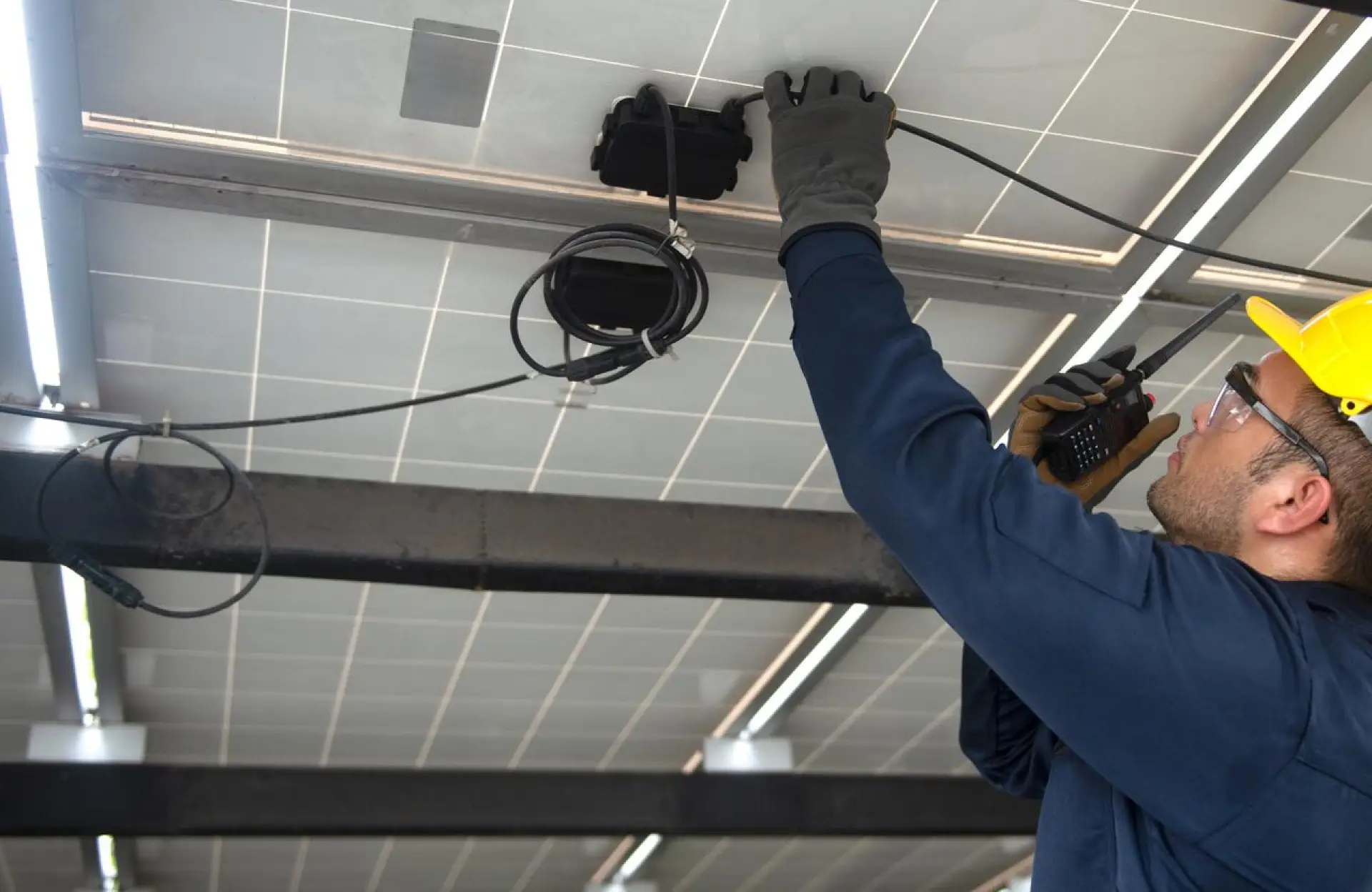

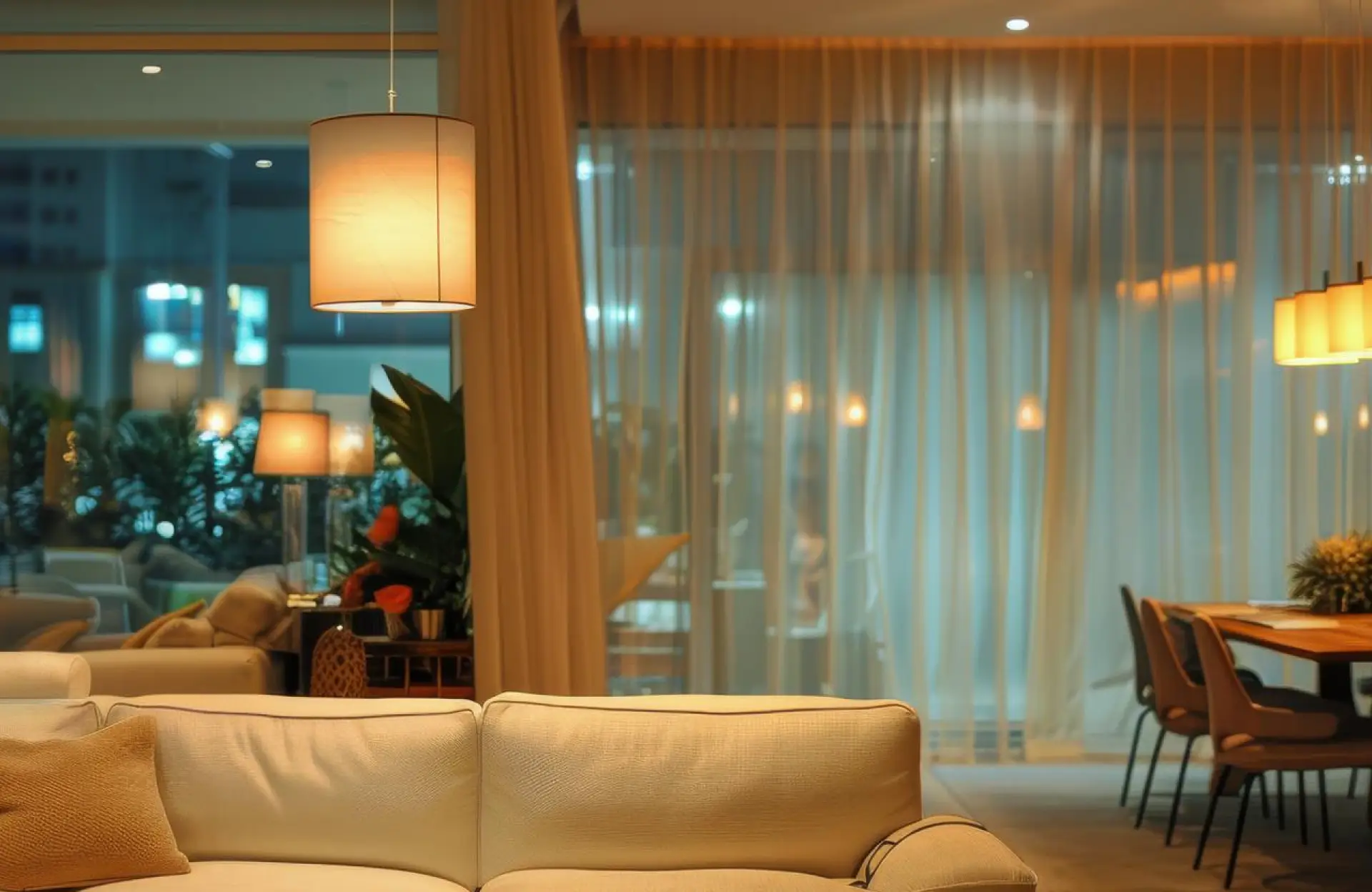
Great lighting design in Toronto is about more than choosing attractive fixtures. A well-planned lighting system combines ambient, task, and accent lighting to improve comfort, functionality, safety, and energy efficiency while enhancing the overall look of your home or business.
What Does Good Lighting Design in Toronto Look Like?
Good lighting design in Toronto layers ambient, task, and accent light around how a space is actually used, then matches colour temperature, dimming, and switching to daily routines. It is planned alongside the electrical system, so circuits, dimmers, and fixtures are safe, code-compliant, and installed by a licensed electrician who can stand behind the work.
Lighting can make a home or business feel completely different, but it is also one of the simplest things to do poorly. Spaces can look great in photos but feel downright uncomfortable in the day-to-day. Glare in a kitchen, dark hallways, harsh overhead lights in an office, or outdoor security lights that provide no security are common issues we see across Toronto and the GTA.
Homeowners ask, “Why does this room feel so dark even with the lights on?” Business owners ask, “How can we brighten up this area without making it feel sterile?” Property managers want durable, code-compliant, low-maintenance solutions across multiple units or common areas.
Every project we take on is led by a licensed Master Electrician. For you, that means the design is backed by an ESA-licensed electrical contractor in the GTA that handles ESA notification where required, builds the work to pass inspection, and stays accountable for both how the lighting looks and how safely it runs.
Why Lighting Design in Toronto Is More Than Fixture Choice
Many people think lighting design begins with selecting a pendant fixture or a box of pot lights. The reality is, fixture choice is only one element of the final result. Proper lighting design starts by planning for space utilization, shadow and glare points, task lighting vs. ambient lighting needs, lighting layers and controls, energy efficiency and maintenance, and safe wiring and electrical load.
Lighting that is done right will improve comfort, visibility, mood, and safety, and also help maintain the value of the property and the function of the space over time.
Planning an upgrade? It helps to start by talking with a licensed electrician in Toronto who understands the electrical system and the lighting performance goals. Learn more about our lighting design and installation services.
Step 1: We Begin With How the Space Actually Functions
The first step in lighting design is understanding how the space works and what people need to do there.
For homes, this usually involves cooking, food prep, and cleanup in kitchens, grooming and tasks in bathrooms, reading, relaxing, and entertaining in living rooms, desk work in home offices, and safety and navigation in stairwells and hallways.
For commercial spaces, this may include customer experience and visual merchandising, workstation visibility and comfort, meeting rooms and screen glare, storage and back-of-house safety, and staff and security for exterior lighting.
By starting with the basics, we can avoid common mistakes like installing too many recessed lights in one area and not enough in key work zones. This is especially true for renovations, tenant improvements, or retail refreshes, where an experienced electrical contractor in the GTA can plan lighting around how each area is really used.
Step 2: We Plan Lighting in Layers (Not Just One Big Source)
One of the first principles of lighting design in Toronto homes and businesses is layering. Counting on a single overhead fixture is a sure way to end up with flat, uninviting light.
We usually design with three core layers:
- Ambient lighting is the base light that fills the space, coming from recessed lights, ceiling fixtures, or indirect lighting.
- Task lighting is focused, bright lighting used for activities like cooking, shaving, reading, or working, with examples including under-cabinet lighting, vanity lights, and desk lighting.
- Accent lighting is the layer that adds depth and visual interest, used to highlight architectural features, artwork, textured walls, or display shelving.
When these three layers are working together, the space generally feels brighter and calmer even at a lower overall light level.
Step 3: We Balance Style With Real-World Comfort
Beautiful lighting should still be comfortable in everyday life. That means looking beyond showroom models to how the light will feel and perform at 7 a.m., at dinner, and at midnight.
Common comfort issues to design around include glare on reflective countertops, floors, or screens, hot spots from overly focused recessed lights, dark spots from poor spacing and fixture layout, flicker and poor dimming performance with cheap LEDs, and unflattering bathroom lighting that casts shadows on the face.
We also consider ceiling height, window placement, and wall colours, since these affect how light reflects in the room. If you are upgrading an older home in North York or Toronto, a licensed electrician in Toronto can also help review whether the existing wiring and switching layout supports modern lighting control and dimming options.
Step 4: We Choose Colour Temperature and Light Quality Purposefully
Not all white light is the same. Colour temperature is measured in Kelvins (K) and has an impact on how the room feels emotionally and visually.
| Colour Temperature | Feel | Best For |
| 2700K to 3000K | Warm, residential-feeling | Living spaces |
| 3500K | Neutral warm | Kitchens and mixed-use rooms |
| 4000K | Crisp and clean | Commercial and retail |
Colour temperature is not the only factor. Light quality also includes colour rendering, which is how accurately colours appear under the light. Colour rendering is especially important in kitchens, bathrooms, retail displays, and design-focused commercial interiors. This is one of the main differences between fixture installation and a true lighting design plan built for comfort and presentation.
Step 5: We Plan Switching and Dimming Based on Routines
Even great lighting can quickly feel like a chore if the controls are not planned properly.
We map out switching and dimming based on how people use the space, including multiple control points for stairs and long hallways, dimmers for living rooms, dining areas, and bedrooms, separate zones for kitchen work vs. dining atmosphere, outdoor lighting on timers or photocells, and automated controls for commercial spaces where needed.
Real-world examples include a kitchen with under-cabinet lighting on a separate switch from ceiling lights, a retail space with accent lighting separate from general lighting to support merchandising changes, and condo corridors or common areas using controls designed for safety, efficiency, and easier maintenance.
If you are not sure what is possible, it can be helpful to talk to a Master Electrician about safe lighting control upgrades and what your existing electrical system can support.
Step 6: We Check Electrical Load, Circuit Safety, and Code
Lighting upgrades are often perceived as “easy,” but any electrical work must be approached safely.
Before installation, we check circuit capacity and load balancing, safe wiring methods and device ratings, fixture compatibility with dimmers and drivers, proper grounding and bonding where needed, and location requirements for damp or wet areas.
In Toronto and the GTA, we frequently work with older homes, renovated basements, and multi-unit buildings, which can have older wiring that needs careful evaluation, panel capacity issues, existing circuits that are already heavily loaded, and past renovations with inconsistent electrical work.
As an ESA-licensed electrical contractor in the GTA operating under the Ontario Electrical Safety Code, our role is to make sure every lighting upgrade is safe and code compliant, not just attractive. For building owners and managers, this approach can also support smoother inspections and help limit long-term liability.
Step 7: We Think About Maintenance and Long-Term Reliability
Lighting should not be a constant maintenance headache.
When we design lighting for homeowners, businesses, and property managers, we also plan for access for repairs or replacements down the road, fixture lifespan and LED driver quality, outdoor weather exposure and durability, availability of replacement lamps or parts, and standardization for multi-unit or multi-floor properties.
This is especially helpful for commercial clients who want a clean look but are concerned about introducing unique fixtures that are difficult to service. Property managers who need dependable support can also consider our commercial electrical services to plan lighting upgrades that support both appearance and operational efficiency.
Step 8: We Upgrade Outdoor Lighting for Safety and Curb Appeal
Outdoor lighting is one of the best examples of where beauty and function must work together. Good outdoor lighting design in Toronto should improve the property without creating glare for neighbours or dangerous dark spots.
We often design exterior lighting for front entryways and walkways, driveways and garages, backyard patios and entertaining spaces, multi-unit entrances and shared paths, and commercial parking lots and loading areas.
We also plan for motion sensors vs. always-on lighting, photocell automation for dusk-to-dawn operation, damp-rated or wet-rated fixture requirements, and placement that reduces shadows near steps and entrances. Outdoor lighting is not just an aesthetic decision. It also directly impacts visibility, navigation, and overall security.
Lighting Mistakes We Help Clients Avoid
Over the years, we have seen a consistent pattern of lighting issues even in high-end renovations.
The most common include too many pot lights without layering, bad spacing creating shadows and uneven coverage, cooler colour temperature in residential areas, not enough task lighting at counters, vanities, and desks, incompatible dimmers that flicker or buzz, panel capacity and circuit loading issues, and outdoor lighting that is “on” but leaves dark or unlit areas.
Good lighting design in Toronto avoids all these results while also protecting the electrical system and giving you lighting that is right for the space and works every day.
Working With a Professional Lighting Electrician
A professional lighting project typically involves a walkthrough of the space and goals, recommendations on function, style, and budget, a plan for fixture layout and switching zones, safe installation by a licensed electrician, and clean finishing, testing, and final adjustments.
If you are planning a renovation, refresh, or lighting upgrade, you can also learn more about working with a licensed electrician in Toronto to ensure the project stays safe, organized, and on track from start to finish.
Lighting That Looks Great and Works Better
The best lighting does not call attention to itself. It simply makes the space feel better to be in, work in, or manage. When lighting is well designed, it supports comfort, productivity, and safety while also enhancing the style of the home or property.
Transform Your Space With Lighting Design in Toronto
Whether you’re upgrading a home, renovating a commercial property, or improving outdoor lighting, the right lighting design in Toronto can dramatically enhance comfort, functionality, and visual appeal. Phaze-In Electric provides professional lighting design services throughout Toronto and the GTA, delivering safe, code-compliant solutions tailored to the way you use your space.
Phaze-In Electric Ltd. is a licensed, ESA-licensed electrical contractor serving North York, Toronto, and the Greater Toronto Area. Led by Master Electrician Andrew Spano, we offer residential and commercial electrical services, including panel upgrades, EV charger installations, lighting design, and code-compliant commercial electrical work. We focus on safety, transparency, and high-quality craftsmanship for homeowners, businesses, and property managers.
Contact us today to book a consultation and receive a code-compliant, safe lighting solution designed for the way you actually use your space.
Frequently Asked Questions
What Is the Purpose of Professional Lighting Design?
Professional lighting design creates a balance between aesthetics and functionality by improving visibility, comfort, energy efficiency, and the overall experience of a space.
What Are the Three Main Layers of Lighting Design?
The three key layers are ambient lighting for overall illumination, task lighting for specific activities, and accent lighting to highlight architectural features or decorative elements.
Why Is Colour Temperature Important in Lighting?
Colour temperature affects the mood and appearance of a room. Warmer lighting works well in living spaces, while cooler lighting is often preferred for commercial environments and task-oriented areas.
Do Lighting Upgrades Require Electrical Planning?
Yes. Lighting upgrades should include circuit capacity reviews, load calculations, dimmer compatibility checks, and code-compliant installation by a licensed electrician in Toronto to ensure safe and reliable operation.
Can Outdoor Lighting Improve Both Safety and Curb Appeal?
Absolutely. Properly designed outdoor lighting enhances visibility around walkways, driveways, and entrances while also improving the appearance and security of the property.
Key Takeaways
- Effective lighting design in Toronto combines style, comfort, safety, and performance.
- Layered lighting creates better functionality than relying on a single light source.
- Proper colour temperature and light quality improve the feel and usability of a space.
- Lighting controls, dimmers, and zoning help tailor lighting to daily routines.
- Professional installation by a licensed electrical contractor in the GTA keeps lighting systems safe, reliable, and compliant with Ontario electrical standards.