

The most costly EV charger installation mistakes to avoid include skipping the formal load calculation, proceeding without an ESA permit, using unlicensed contractors, and selecting the wrong charger type or location for the home’s electrical system. Phaze-In Electric ensures every home EV charger installation in Toronto and the GTA is assessed, permitted, and completed correctly from the start, eliminating every one of these pitfalls before they become a problem.
Why EV Charger Installation Mistakes Are So Common in the GTA
EV charger installation is one of the most common residential electrical requests across Toronto and the GTA. Despite that volume, installation mistakes remain surprisingly frequent. They range from failed ESA inspections and overloaded panels to genuine safety hazards that develop over time. Understanding the EV charger installation mistakes to avoid before booking any work is the best way to protect your home, your investment, and your insurance coverage.
Many homeowners underestimate how demanding EV charging equipment is on a home’s electrical system. An EV charger is not a standard appliance. It runs a continuous high-amperage load for hours at a time and requires its own dedicated circuit. Every shortcut taken during the installation process creates a risk that surfaces later at greater cost.
Assuming the Existing Panel Can Handle an EV Charger
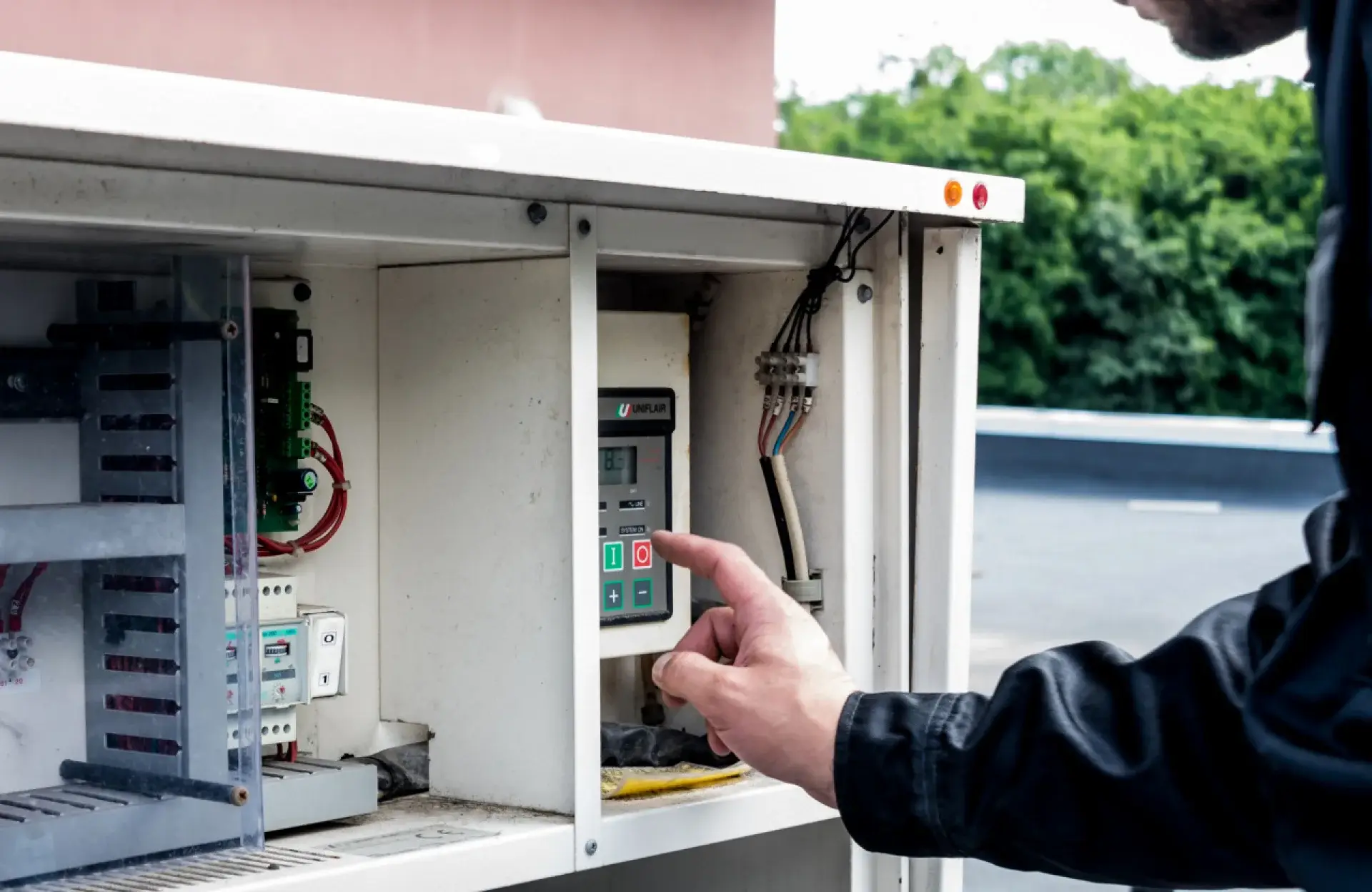
One of the most common EV charger installation mistakes to avoid is proceeding without confirming the existing panel’s capacity. EV chargers demand significantly more electrical capacity than any standard household appliance. Many panels in older Toronto and GTA homes cannot safely absorb the additional load without an upgrade.
Panel-related conditions that create risk when overlooked:
-
Homes with 100-amp electrical service and limited spare capacity for additional electrical load
-
Electrical panels operating near maximum load under normal household usage
-
No available breaker space for installing a dedicated EV charging circuit
-
Electrical panels that are outdated under current Ontario Electrical Safety Code standards
Skipping the Formal Electrical Load Calculation
Skipping the electrical load calculation is one of the most consequential EV charger installation mistakes to avoid. The load calculation is not optional under the Ontario Electrical Safety Code. It is a required step that evaluates the home’s existing demand, all connected appliances, heating and cooling loads, and the proposed EV charger draw. Skipping it creates risk of overloaded circuits, nuisance breaker trips, failed ESA inspections, and fire hazards.
The Electrical Safety Authority of Ontario requires load calculations to be completed and documented by a licensed electrician before any EV charger installation in Ontario is approved.
Proceeding Without an ESA Permit
Operating without an ESA permit is among the EV charger installation mistakes to avoid with the most far-reaching consequences. Ontario law requires electrical permits and inspections by the Electrical Safety Authority for all EV charger installations involving wiring. Homeowners who skip this step face a range of serious consequences:
-
Failed insurance claims if an electrical incident occurs after an unpermitted installation
-
Disclosure issues and potential price renegotiations during home resale
-
Fines or corrective orders from the Electrical Safety Authority (ESA) requiring removal or reinstallation
-
Safety hazards that may go undetected without inspection by a qualified authority
Using Unlicensed or Unqualified Installers
Hiring an unlicensed installer is one of the EV charger installation mistakes to avoid that is most difficult and expensive to correct after the fact. EV charger installation is regulated work in Ontario. Only a licensed electrician verified through the Electrical Safety Authority is legally permitted to complete the wiring, apply for permits, and schedule the required inspections.
Common problems created by unlicensed EV charger installation:
-
Improper wiring methods that do not comply with the Ontario Electrical Safety Code
-
Incorrect breaker ratings that cannot safely support continuous EV charger loads
-
Missing or improperly installed grounding and bonding connections
-
Lack of ESA inspection or approval documentation required for insurance and property resale
Selecting the Wrong Charger Type for the Home
Choosing the wrong charger is one of the EV charger installation mistakes to avoid that affects long-term performance rather than just the installation day. The right charger depends on the panel’s available capacity, the home’s wiring, and the homeowner’s future plans for EV ownership.
Charger selection mistakes that create downstream problems:
- Installing a charger with amperage beyond what the panel can safely support
- Choosing a fixed-output charger with no adjustable settings for load management
- Ignoring compatibility with load management systems when future expansion is likely
Choosing the Wrong Installation Location
Location selection is another area where EV charger installation mistakes to avoid are common. Poor placement decisions create cost overruns during installation and usability problems over time.
Location-related mistakes that increase cost and reduce functionality:
- Long cable runs from the panel to the charger that increase material and labour cost
- Placement with limited clearance for the vehicle or restricted daily access
- Outdoor locations using chargers not rated for weatherproof or outdoor use
Ignoring Load Management as a Panel Upgrade Alternative
Many homeowners assume a limited panel always requires a full upgrade before an EV charger can be installed. This is one of the EV charger installation mistakes to avoid because a load management system frequently enables safe EV charging within existing panel capacity, avoiding significant cost.
Consequences of overlooking load management as an alternative:
- Unnecessary panel upgrades and higher upfront costs when load management would suffice
- Less flexibility to add a second EV charger in future
- Missed savings that intelligent load balancing technology can provide
Improper Dedicated Circuit and Breaker Sizing
Incorrect circuit and breaker sizing is one of the EV charger installation mistakes to avoid that creates immediate safety risk. EV chargers require a dedicated circuit sized for continuous load operation, not the intermittent load profile of standard household appliances. Common errors include undersized conductors that heat under sustained load, incorrect breaker ratings that cannot protect the circuit, and shared circuits that violate the Ontario Electrical Safety Code.
Inadequate Grounding and Bonding
Grounding and bonding are mandatory under the Ontario Electrical Safety Code and are critical for safe EV charger operation. This is one of the EV charger installation mistakes to avoid that is least visible to the homeowner and most dangerous when absent. Common grounding issues include inadequate grounding paths, missing bonding connections for metallic enclosures and conduit, and non-compliant connections that fail ESA inspection.
Failing to Plan for Future EV Needs
Not planning for a second EV charger or future electrical expansion during the initial installation is one of the EV charger installation mistakes to avoid that is entirely preventable with minor upfront planning. The cost of roughing in conduit pathways, reserving panel breaker space, or selecting expandable equipment at installation time is a fraction of the cost of returning to the same walls and panel later.
Avoiding Every Mistake with the Right Professional Partner
Every EV charger installation mistake to avoid on this list is preventable through a site-specific assessment by a licensed electrician before any work begins. Phaze-In Electric performs formal load calculations, confirms panel capacity, selects the appropriate charger and circuit configuration, manages the full ESA permit process, and completes every installation to Ontario Electrical Safety Code compliance.
Every Phaze-In Electric EV charger installation includes valid ESA permit documentation and inspection records. These documents protect the homeowner’s insurance coverage and simplify resale disclosure.
Frequently Asked Questions
1. What electrical load calculation is required for EV charger installation in Ontario?
A licensed electrician must calculate the home’s total existing electrical demand and confirm the panel can safely support the EV charger’s continuous load. This is a formal requirement under the Ontario Electrical Safety Code and one of the most important EV charger installation mistakes to avoid skipping.
2. Can I install an EV charger without a dedicated circuit in Toronto?
No. Level 2 EV chargers require a dedicated circuit rated for continuous load operation under the Ontario Electrical Safety Code. Sharing a circuit with other appliances is a code violation and a safety risk. Installing without a dedicated circuit is one of the most common EV charger installation mistakes to avoid.
3. What happens if I install an EV charger without a permit in Ontario?
Unpermitted EV charger installations can result in ESA fines and corrective orders, insurance claim denials, and complications during home resale. Contact Phaze-In Electric to schedule a fully permitted installation.
4. How do I know if my panel needs an upgrade for an EV charger?
A licensed electrician performs a formal electrical load calculation on-site. Common signs that an upgrade is needed include a 100-amp service, a fully occupied breaker panel, or frequent breaker trips. Phaze-In Electric includes panel assessments as a standard first step in every EV charger installation.
5. Can a load management system replace the need for a panel upgrade?
In many cases, yes. A load management system monitors real-time household electrical demand and adjusts EV charging speed to keep total usage within the panel’s safe operating capacity. Not every home qualifies, but for those that do, it is one of the most cost-effective approaches to EV charger installation when panel capacity is a limiting factor.
Book Your EV Charger Assessment with Phaze-In Electric
Phaze-In Electric Ltd. serves Toronto, North York, and the GTA with licensed EV charger installations that avoid every mistake on this list. Call 416-427-4567 or reach us through the contact page to schedule your assessment.
Contact Phaze-In Electric to book your assessment. Explore residential services for the full scope of home EV charger installation services we deliver.
Key Takeaways
- The most critical EV charger installation mistakes to avoid include skipping the load calculation, proceeding without an ESA permit, and using unlicensed contractors.
- Every Ontario home EV charger installation requires a dedicated circuit, a formal load assessment, and a permit from the Electrical Safety Authority.
- A load management system can often replace the need for a costly panel upgrade when the existing service can support reduced peak demand.
- Planning for a second EV charger during the first installation saves significant cost over returning to the same walls and panel later.
- Phaze-In Electric manages every step of the EV charger installation process to eliminate every mistake on this list from the first site visit.