
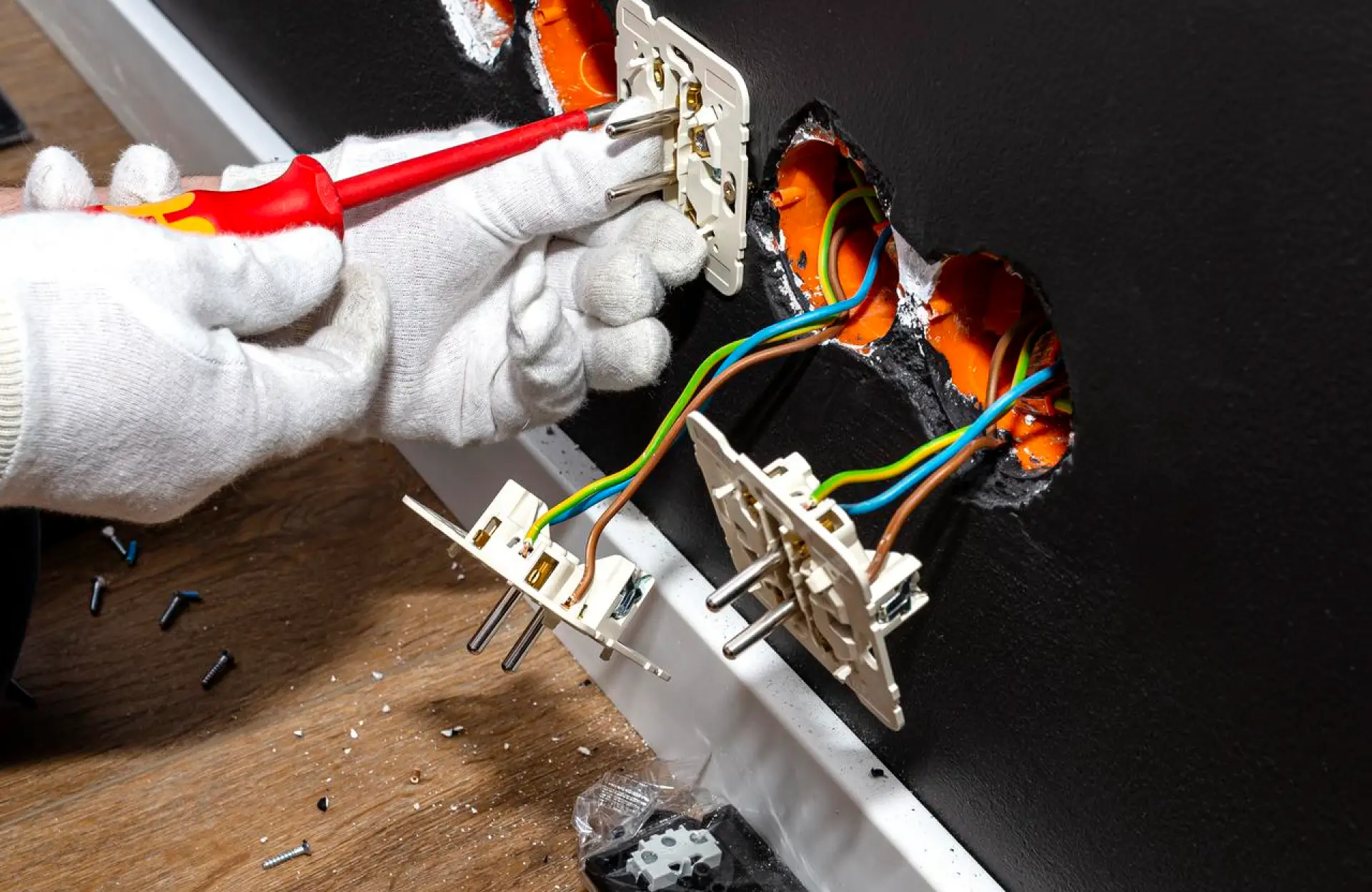
Basement electrical wiring in Toronto requires careful planning, an ESA permit, and a licensed electrician to meet Ontario Electrical Safety Code requirements. Phaze-In Electric guides GTA homeowners through panel assessment, circuit layout, lighting design, and GFCI and AFCI protection from the planning stage through final inspection.
Why Basement Electrical Wiring Planning Matters in Toronto
Basement renovations are one of the most popular home improvement projects across Toronto and the GTA. Whether the goal is a finished family room, home office, basement apartment, or guest suite, basement electrical wiring is a key planning consideration for safety, comfort, and long-term value. Getting it right at the planning stage prevents costly changes after drywall is installed and supports a smooth ESA inspection process.
Phaze-In Electric provides licensed residential electrical services across Toronto, North York, Vaughan, Markham, Richmond Hill, Mississauga, and Oakville.
Determine How the Basement Will Be Used
The intended use of the basement is the first and most important step in planning basement electrical wiring. Electrical requirements vary significantly depending on what the space will become. Common basement uses that each carry different wiring requirements include:
- Family or recreation rooms
- Home offices with dedicated circuits for equipment
- Bedrooms or guest suites requiring AFCI protection
- Basement apartments or rental units with dedicated kitchen circuits
- Home gyms or workshops with high-load equipment
Electrical Permits and ESA Inspections for Basement Wiring
A common question from Toronto homeowners and contractors is whether a permit is required for basement electrical wiring. In most cases, an electrical permit is required for any work involving:
- Adding new electrical circuits or outlets
- Installing new lights or switches
- Finishing an unfinished basement
- Creating a basement apartment or secondary rental unit
- Modifying or extending existing electrical wiring
Electrical permits trigger mandatory inspections by the Electrical Safety Authority to confirm compliance with the Ontario Electrical Safety Code. Phaze-In Electric applies for all required permits and manages ESA inspection scheduling on behalf of clients.
The Electrical Safety Authority provides current information on permit requirements and inspection processes for Ontario homeowners.
Assessing Electrical Panel Capacity Before Basement Wiring Begins
Before beginning any new basement electrical wiring, the electrical panel should be assessed to confirm adequate capacity for the additional load. A Phaze-In electrician evaluates the existing service size, available breaker space in the panel, current electrical load on the home, and future power needs of the planned space. Some basement renovations require an electrical panel upgrade before new circuits can be added safely and legally.
Planning Outlet Placement and Circuit Layout
Outlet placement is one of the most common areas where basement electrical wiring projects create issues during inspection. Proper circuit layout involves Ontario Electrical Safety Code spacing requirements for outlets, dedicated circuits for appliances or high-load equipment, outlet placement that coordinates with planned furniture layouts, and additional circuit requirements for basement apartments.
Phaze-In Electric reviews planned layouts with clients before any wiring begins to confirm that outlet placement and circuit design meet both code requirements and practical use needs.
Designing Effective Basement Lighting
Basement lighting design is especially critical because basements have little to no natural light and rely entirely on electrical fixtures for comfort and safety. Basement electrical wiring planning should account for general overhead lighting, task lighting for work or reading areas, accent lighting for a finished look, hallway and stair lighting, emergency and egress lighting where required, and multiple lighting zones and dimmers for comfort and energy efficiency.
Browse basement and interior lighting examples at phazein.ca/gallery.
The Illuminating Engineering Society of North America provides professional standards for residential lighting design relevant to basement renovation projects.
GFCI and AFCI Protection in Basement Wiring
Ontario’s electrical code requires specific protective devices in basement electrical wiring that are a common source of inspection failures when omitted. Basement wiring projects must include GFCI protection in areas near sinks, bathrooms, or laundry rooms to prevent shock hazards, and AFCI protection for living spaces and bedrooms to detect dangerous electrical arcing. Failing to include required protective devices results in failed ESA inspections and required corrections before the space can be approved for use.
Heating, Cooling, and Mechanical Equipment Circuits
Basement renovations often introduce additional mechanical equipment that must be planned for in the basement electrical wiring layout. Electric baseboard heaters, heat pumps, ventilation and HRV systems, and sump pumps or backup power systems each require dedicated circuits and load calculations. Planning for these systems at the start prevents changes to the circuit layout mid-project.
Planning for Future Electrical Needs
Building flexibility into basement electrical wiring planning greatly improves the long-term value of the renovation. Phaze-In Electric recommends roughing in for future outlets and circuits, adding panel capacity for EV charger circuits, planning conduit for future home office expansion, and ensuring extra breaker space is available for unanticipated load additions. Forward-looking basement electrical wiring decisions avoid costly disruption later.
Basement Apartments: Additional Wiring Requirements
Basements used as rental units or secondary suites carry additional electrical requirements beyond standard finished basement wiring. Dedicated circuits for kitchen appliances, smoke and carbon monoxide detector systems meeting Ontario code, bedroom outlet and lighting requirements, and clear access to electrical panels all apply to basement apartments. Phaze-In Electric ensures basement apartment wiring meets Ontario’s residential and rental housing standards.
Ontario’s second unit legislation and housing standards outline the electrical requirements for legal basement apartment conversions.
Why DIY Basement Electrical Wiring Is Not Recommended
Basements introduce additional hazards that make unlicensed or DIY basement electrical wiring especially risky in Ontario. Common issues from unlicensed work include improper grounding, hidden or inaccessible junction boxes, overloaded circuits, and missing protective devices. Even homeowner-completed electrical work must be permitted and inspected by the ESA. Given the complexity and the legal requirement for permits, most GTA homeowners benefit significantly from hiring a licensed electrician.
Working with Phaze-In Electric from the Planning Stage
Planning basement electrical wiring is most effective when a licensed electrician is involved from the beginning. Phaze-In Electric provides plan reviews and layout consultations, identifies code requirements specific to the intended use, handles all permit applications and ESA inspection scheduling, coordinates with other trades on the project, and completes all work to Ontario Electrical Safety Code standards.
Frequently Asked Questions
-
Do I need an electrical permit for basement wiring in Ontario?
Yes. In most cases, an electrical permit is required for any basement electrical wiring work in Ontario, including adding circuits, installing lights, or finishing an unfinished basement. Permits trigger mandatory ESA inspections to confirm compliance with the Ontario Electrical Safety Code. The Electrical Safety Authority manages permits and inspections across Ontario.
-
How much does basement electrical wiring cost in Toronto?
The cost of basement electrical wiring in Toronto varies based on the size of the space, number of circuits needed, whether a panel upgrade is required, and the complexity of the lighting plan. Contact Phaze-In Electric for an accurate estimate after reviewing your project plans.
-
What is the difference between GFCI and AFCI protection in a basement?
GFCI (ground fault circuit interrupter) protection is required near water sources such as sinks, bathrooms, and laundry areas to prevent shock hazards. AFCI (arc fault circuit interrupter) protection is required in living spaces and bedrooms to detect dangerous electrical arcing that can cause fires. Both are required under the Ontario Electrical Safety Code for finished basements and are a common inspection failure when absent.
-
Can I do my own electrical wiring in my basement in Ontario?
Ontario allows homeowners to complete some electrical work in their own home, but the work must still be permitted and inspected by the ESA. Given the complexity and code requirements for basement electrical wiring, most GTA homeowners benefit significantly from hiring a licensed electrician.
-
How do I know if my electrical panel can handle a basement renovation?
A licensed electrician will assess your current service size, available breaker space, and existing electrical load to determine if your panel supports the additional circuits a basement renovation requires. In many older Toronto homes, a panel upgrade is necessary before basement finishing can begin. Contact Phaze-In Electric to schedule a panel assessment.
Start Your Basement Renovation with Phaze-In Electric
Phaze-In Electric Ltd. is a licensed, ESA-certified electrical contractor serving North York, Toronto, and the Greater Toronto Area. We provide basement electrical wiring planning and installation, panel upgrades, EV charger installations, landscape lighting design, and complete code-compliant electrical work for residential and commercial clients.
Contact Phaze-In Electric to schedule a licensed basement electrical assessment. Browse the project gallery to see completed basement and renovation electrical work across the GTA.
Key Takeaways
- Basement electrical wiring requires an electrical permit in Ontario for most work, including new circuits, lights, and finishing projects.
- An electrical panel assessment should be completed before starting any basement renovation to confirm adequate capacity for new circuits.
- GFCI and AFCI protection is required by the Ontario Electrical Safety Code and is a common inspection failure when omitted.
- Planning for future electrical needs, including EV charger circuits and home office expansion, greatly improves long-term value.
- A licensed electrician from Phaze-In Electric should be involved from the planning stage to manage permits, inspections, and code compliance.